Author: admin

  • New Findings Enable Monitoring for Harmful Toxin in Freshwater Environments

    Researchers have identified the genes involved in biosynthesis of guanitoxin, a potent neurotoxin produced by some freshwater harmful algal blooms.

  • NIH Statement on World Asthma Day 2022: Toward Improved Asthma Care

    NIH Statement on World Asthma Day 2022: Toward Improved Asthma Care

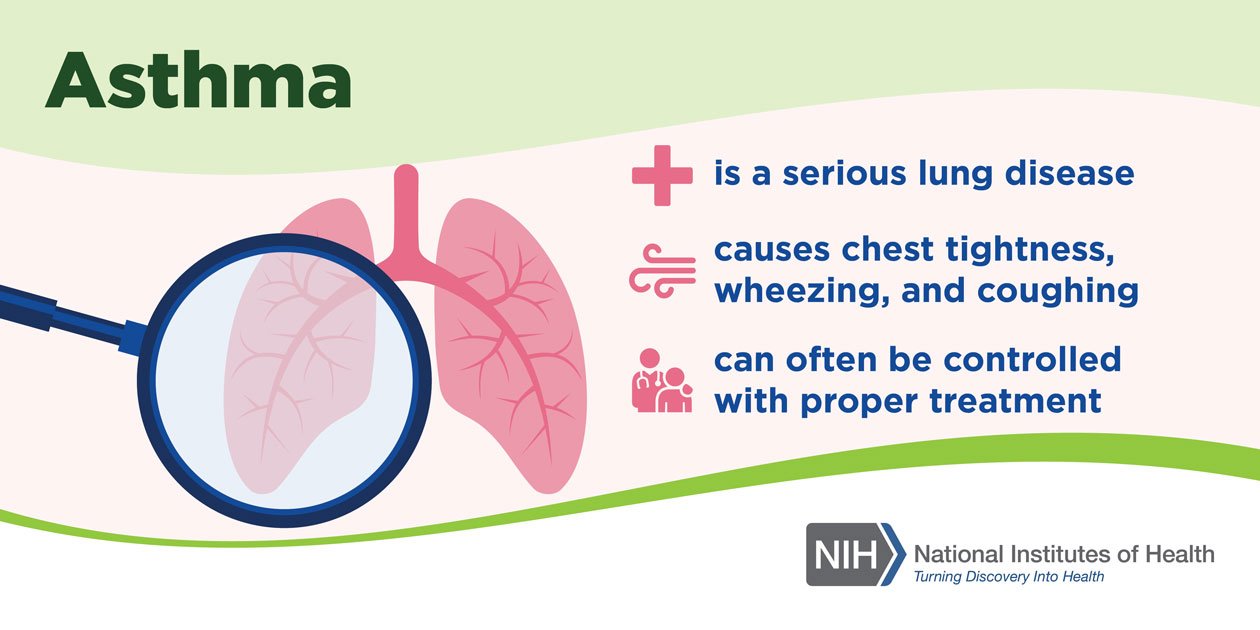
    Today on World Asthma Day, the National Institutes of Health reaffirms its commitment to biomedical research aimed at preventing the onset of asthma, understanding its underlying causes, and improving the treatment of it. This chronic airway disease, which is characterized by periodic worsening of inflammation that can make it hard to breathe, affects more than 25 million people in the United States, including more than 5 million children. Left untreated, it can be life-threatening.

    While scientists have made substantial progress in understanding asthma diagnosis, management, and treatment, therapies to permanently improve breathing for those who suffer from asthma remain elusive. Researchers around the globe are working steadily toward this goal while they seek to better understand and find new ways to manage the disease. They also are continuing research on the underlying causes of disparities in the incidence, care, and prevention of the disease. On the heels of recently updated management and treatment guidelines, researchers anticipate a brighter future for people living with asthma.

    Three NIH institutes primarily support and conduct studies on asthma — the National Heart, Lung, and Blood Institute (NHLBI); the National Institute of Allergy and Infectious Diseases (NIAID); and the National Institute of Environmental Health Sciences (NIEHS). Other NIH Institutes and Centers also support and conduct asthma research. NIH scientists and grantees made important advances in understanding, treating, and managing asthma in 2021, which are briefly highlighted as follows:

    Asthma and COVID-19

    An NHLBI-funded study https://pubmed.ncbi.nlm.nih.gov/34289526/ showed that during the pandemic, asthma attacks, also known as asthma exacerbations, significantly decreased in a large group of children and adolescents, compared to the year before the pandemic. The study also found that telehealth visits among these patients increased dramatically during this time. The study included nearly 4,000 participants aged 5-17 years with a prior diagnosis of asthma. Researchers believe a better understanding of the factors that contributed to these improved outcomes could lead to better asthma control in all children and adolescents, as researchers noted no racial or ethnic differences in health outcomes in this population.

    A NIAID-funded study found that asthma does not increase the risk of becoming infected with SARS-CoV-2, the virus that causes COVID-19. This finding came from a six-month household survey of more than 4,000 children and adults conducted between May 2020 and February 2021.

    Asthma Disparities

    Researchers have known for decades that social determinants of health – conditions like housing, neighborhood, education, income, and healthcare access – can affect the quality of life and asthma-related health outcomes of people living with the disease. NIH scientists are now reporting new advances in understanding the relationship between social determinants of health and asthma.

    Black and Hispanic children who live in low-income urban environments in the United States are at particularly high risk for asthma attacks. These children tend to be underrepresented in large trials of new biologic therapies for asthma.

    In a recent NIAID-supported clinical trial, the monoclonal antibody mepolizumab decreased asthma attacks by 27% in Black and Hispanic children and adolescents who have a form of severe asthma, are prone to asthma attacks, and live in low-income urban neighborhoods.

    In one study, NHLBI-funded investigators demonstrated the importance of housing interventions in improving the health of children with asthma. Poor quality housing is associated with a high level of asthma triggers – including mold, cockroach, mouse, and dust mite allergens – that can pose a health threat to children with asthma. The study showed the feasibility of using targeted interventions – including better pest management, improved ventilation, and moisture reduction – to achieve healthy housing. It showed that such interventions can result in reduced symptoms and hospitalizations due to asthma.

    Environmental Exposures and Asthma

    Researchers have known for years that asthma can be triggered by substances in the indoor and outdoor environment. New research shows that exposure to some asthma triggers might even occur before birth.

    In an NIH-supported study that included grant support from NIEHS and the NHLBI, researchers reported that prenatal exposure to tiny air pollution particles significantly increased the risk for developing asthma in children. The study, which analyzed data from two different study cohorts, focused on a group of mothers and their children, mostly Black or Hispanic, in the Boston area who lived near major roadways with heavy traffic. It found that more than 18% of the children who were exposed to high levels of these so-called ultrafine particles in the womb developed asthma in their preschool years, compared to 7% of children overall in the United States.

    An NIEHS clinical study will assess how environmental factors affect disease progression in non-smoking adults who have moderate or severe asthma. The study will focus on the microbiological and genetic factors associated with atopic asthma, also known as allergic asthma, which is triggered by pollen, dust mites, and other allergens. A better understanding of this data might lead to improved treatments for people with this type of asthma, researchers say.

    Climate Change and Asthma

    Studies have shown that climate change can increase air pollutants such as ground-level ozone, fine particulates, wildfire smoke, and dust, and that these pollutants can exacerbate asthma. Climate change can also affect the production, distribution, and severity of airborne allergens.

    NIEHS, NHLBI, and other NIH institutes and centers are leading the NIH Climate Change and Health Initiative. This is a cross-cutting NIH effort to reduce health threats such as asthma that can develop or worsen because of climate change. The initiative will look at these threats across the lifespan and find ways to build health resilience in individuals, communities, and nations around the world. A strategic framework for the Initiative will help guide NIH investments in this area.

    An NIEHS-funded study provides examples of how extreme weather events can affect asthma outcomes. For example, as heat waves and droughts become more frequent and prolonged, the risk of large wildfires will likely increase, resulting in poor air quality that makes it more difficult to control asthma. Other climate-change events can lead to longer and more intense pollen seasons, while mold and dampness in homes may cause asthma to develop or worsen preexisting cases.


    About the National Institute of Allergy and Infectious Diseases (NIAID): NIAID conducts and supports research—at NIH, throughout the United States, and worldwide—to study the causes of infectious and immune-mediated diseases, and to develop better means of preventing, diagnosing and treating these illnesses. News releases, fact sheets and other NIAID-related materials are available on the NIAID website.

    About the National Heart, Lung, and Blood Institute (NHLBI): NHLBI is the global leader in conducting and supporting research in heart, lung, and blood diseases and sleep disorders that advances scientific knowledge, improves public health, and saves lives. For more information, visit www.nhlbi.nih.gov.

  • Study Suggests Black, Hispanic Women With Low Vitamin D More Likely to Develop Breast Cancer

    Among women who identified as Black/African American or Hispanic/Latina, those with low blood levels of vitamin D were more likely to develop breast cancer than those with adequate levels. In the study published by Wiley online in CANCER, a peer-reviewed journal of the American Cancer Society, the link between low vitamin D and breast cancer was particularly evident among Hispanic/Latina women.  

    Black/African American or Hispanic/Latina have lower average vitamin D levels than non-Hispanic white women. Although research suggests that vitamin D may protect against breast cancer, few studies have considered the role of race/ethnicity in this link. 

    To investigate, Katie O’Brien, PhD, of the National Institute of Environmental Health Sciences, and her colleagues collected blood samples from 415 women (290 Black/African American, 125 non-Black Hispanic/Latina) who later developed breast cancer, as well as from 1,447 women (1,010 Black/African American, 437 Hispanic/Latina) who did not develop breast cancer. 

    Over an average follow-up of 9.2 years, women with sufficient vitamin D levels had a 21% lower breast cancer rate than women with vitamin D deficiency (<20 ng/mL). The link was strongest among Hispanic/Latina women, who had a 48% lower rate if they had sufficient vitamin D levels. The link was weaker among Black/African American women, who had an 11% lower rate if they had sufficient vitamin D. 

    “Together with prior studies on this topic, this article suggests that vitamin D may be associated with reduced risk of breast cancer, including among women who self-identify as Black, African-American, Hispanic, or Latina,” said Dr. O’Brien. “Because women who identify as members of these groups have lower vitamin D levels, on average, than non-Hispanic white women, they could potentially receive enhanced health benefits from interventions promoting vitamin D intake. However, questions remain about whether these associations are truly causal and, if so, what levels of vitamin D are most beneficial.” 

    Additional Information 

    NOTE: The information contained in this release is protected by copyright. Please include journal attribution in all coverage. A free abstract of this article will be available via the Cancer News Room upon online publication. For more information or to obtain a PDF of any study, please contact: 

    Dawn Peters +1 781-388-8408 (US) 
    newsroom@wiley.com 
    Follow us on Twitter @WileyNews 

    Full Citation: 

    “Vitamin D concentrations and breast cancer incidence among Black/African American and non-Black Hispanic/Latina Women.” Katie O’Brien, Quaker E. Harmon, Chandra L. Jackson, Mary V. Diaz-Santana, Jack A. Taylor, Clarice R. Weinberg, and Dale P. Sandler. CANCER; Published Online: April 25, 2022 (DOI: 10.1002/cncr.34198). 

    URL Upon Publication: http://doi.wiley.com/10.1002/cncr.34198 

    Author Contact: NIH Communications and Public Liaison Staff: Robin Arnette arnetter@niehs.nih.gov, Christine Flowers bruskec@niehs.nih.gov, or Robin Macker: robin.mackar@nih.gov. 

    About the Journal 
    CANCER is a peer-reviewed publication of the American Cancer Society integrating scientific information from worldwide sources for all oncologic specialties. The objective of CANCER is to provide an interdisciplinary forum for the exchange of information among oncologic disciplines concerned with the etiology, course, and treatment of human cancer. CANCER is published on behalf of the American Cancer Society by Wiley and can be accessed online. 

    Follow us on Twitter @JournalCancer 

    About Wiley 

    Wiley is a global leader in research and education, unlocking human potential by enabling discovery, powering education, and shaping workforces. For over 200 years, Wiley has fueled the world’s knowledge ecosystem. Today, our high-impact content, platforms, and services help researchers, learners, institutions, and corporations achieve their goals in an ever-changing world. Visit us at  Wiley.com, like us on Facebook and follow us on Twitter and LinkedIn. 

  • Environment and Health Experts Gather for Wyatt Symposium April 22

    Environment and Health Experts Gather for Wyatt Symposium April 22

    By Alicia Gregory April 18, 2022

    Aubrey K. Miller

    Aubrey K. Miller, senior medical advisor to the director of the National Institute of Environmental Health Sciences (NIEHS), will present the noon keynote at the 2022 John P. Wyatt, M.D. Environment & Health Symposium on April 22.

    LEXINGTON, Ky. (April 18, 2022) — The 2022 John P. Wyatt, M.D. Environment & Health Symposium will be held on the University of Kentucky campus at the J. David Rosenberg College of Law Grand Courtroom on Earth Day, April 22, 2022, from 9 a.m.-3 p.m. 

    The day-long symposium honors the legacy of John Wyatt, a pioneer in environmental clinical research. Focusing on climate-related disasters and health, universities and agencies from across the Commonwealth are joining forces to address the health impacts of disasters and climate change.

    The 10 a.m. panel discussion, “Public Health & Climate-related Disasters in the Commonwealth,” will cover climate change, health impacts, flooding and tornados with moderator Natasha DeJarnett (assistant professor of environmental medicine, University of Louisville), and subject experts Megan Schargarodski (state climatologist and interim director of the Kentucky Climate Center), Nicholas Newman (medical director, Pediatric Environmental Health and Lead Clinic, Cincinnati Children’s Hospital), Jon Allen (Lee County emergency management director) and Steve Cunanan (CEO, Kentucky region, American Red Cross). 

    Aubrey K. Miller, senior medical advisor to the director of the National Institute of Environmental Health Sciences (NIEHS), will present the noon keynote: “Applied Science to Address the Health Impacts of Disasters and Climate Change: Challenges and Opportunities.”

    “We are honored to have Dr. Miller join us for the keynote. He has been a tremendous force in advancing the NIH’s disaster research response,” said symposium organizer Erin Haynes, the Kurt W. Deuschle Professor of Preventive Medicine and Environmental Health and deputy director of the UK Center for Appalachian Research in Environmental Sciences (UK-CARES). “As disasters become more frequent, it is critical that we develop strong community-academic partnerships to address these disasters and protect human health. I am thrilled that institutions across the Commonwealth have partnered in hosting this symposium. Just as climate has no boundaries, neither should our institutional and community partnerships.”

    Lunch will be provided, and breakout sessions follow the noon keynote. Registration is still open, and the abstract deadline is Monday, April 18. For a complete agenda and to register, visit https://www.research.uky.edu/john-p-wyatt-symposium/2022. 

    This event is made possible by the generous support of the John P. Wyatt family and most notably a recent gift from his son, Philip Wyatt. Symposium sponsors are the UK Center for the Environment, UofL Christina Lee Brown Envirome Institute, Eastern Kentucky University and Western Kentucky University. Co-sponsors include the UK Office of the Vice President for Research; UK Center for Appalachian Research in Environmental Sciences; UK Superfund Research Center; UK Center for Applied Research Energy; Kentucky Water Resources Research Institute; UK Global Health Initiatives; Kentucky Geological Survey; UK Office of Sustainability; UK Center for Clinical and Translational Science; UK Tracy Farmer Institute for Sustainability and the Environment; and UofL Center for Integrative Environmental Health Sciences.   

    As the state’s flagship, land-grant institution, the University of Kentucky exists to advance the Commonwealth. We do that by preparing the next generation of leaders — placing students at the heart of everything we do — and transforming the lives of Kentuckians through education, research and creative work, service and healthcare. We pride ourselves on being a catalyst for breakthroughs and a force for healing, a place where ingenuity unfolds. It’s all made possible by our people — visionaries, disruptors and pioneers — who make up 200 academic programs, a $1.02 billion research and development enterprise and a world-class medical center, all on one campus.

  • Historically Redlined Neighborhoods Burdened by Excess Oil and Gas Wells

    Historically Redlined Neighborhoods Burdened by Excess Oil and Gas Wells

    Across the United States, historically redlined neighborhoods that scored lowest in racially discriminatory maps drawn by the government-sponsored Home-Owners Loan Corporation (HOLC) in the 1930s had twice the density of oil and gas wells than comparable neighborhoods that scored highest. Wells likely contribute to disproportionate pollution and related health problems in redlined neighborhoods.

    The study by researchers at Columbia University Mailman School of Public Health, University of California Berkeley, and University of California San Francisco is published in the Journal of Exposure Science & Environmental Epidemiology.

    Oil and gas wells expose residents to air and water pollution, noise, and other sources of stress that can increase the risk of many types of disease: cardiovascular disease, impaired lung function, anxiety, depression, preterm birth, and impaired fetal growth. An estimated 17 million Americans live within one mile of at least one active oil or gas well.

    “We already know that people living in historically redlined neighborhoods have elevated risk of asthma, cardiovascular disease, preterm birth, and low birthweight. Our study helps explain one driver of these health disparities,” says first author David Gonzalez, PhD, a President’s Postdoctoral Fellow at UC Berkeley. “Racially marginalized people have disproportionately high exposure to oil and gas-related contaminants, and we’re seeing that these 80-year-old racist policies related to housing segregation and mortgage risk played a role.”

    “Our study adds to the evidence that structural racism in federal policy is associated with the disproportionate siting of oil and gas wells in marginalized neighborhoods,” says senior author Joan Casey, PhD, assistant professor of environmental health sciences at Columbia Mailman School. “These exposure disparities have implications for community environmental health, as the presence of active and inactive wells contribute to ongoing air pollution.”

    An earlier paper by Casey found that historically redlined neighborhoods are more likely to lack green space today. Other research has linked historically red-lined neighborhoods that have persistent social inequities.

    Map showing highlighted metro areas across the United States.

    In the current study, researchers assessed exposure to oil and gas wells among HOLC-graded neighborhoods in 33 cities from 13 states where urban oil and gas wells were drilled and operated. Among the 17 cities for which 1940 census data were available, they compared neighborhoods that were similar on observed 1940 sociodemographic characteristics but that received different grades.

    They found that number and density of oil and gas wells were linked to the HOLC score. These include wells in operation before and after the redlining maps were drawn. Two of the redlined neighborhoods with the most wells were Signal Hill and Wilmington, both in Los Angeles.

    The researchers obtained digitized HOLC maps from the Mapping Inequality project at the University of Richmond. They obtained census-tract level sociodemographic data from the 1940 census from the National Historical Geographic Information System from Integrated Public Use Microdata Series. Data on oil and gas wells dating back to 1898 were obtained from Enverus Drillinglnfo, a data aggregation service.

    Over the past century, redlining has been perpetuated by both private businesses and government agencies, including the HOLC, which sought to prevent mortgage foreclosures during the Great Depression. In appraising mortgage risk, HOLC staff considered neighborhood-level characteristics that included home values, whether there were industrial facilities and the presence of racially marginalized populations such as Black people and immigrants. This study showed that redlining is linked to oil and gas well exposure, potentially explaining part of the health disparities that exist today.

    Co-authors include Anthony Nardone, University of California San Francisco; Andrew Nguyen, Rachel Morello-Frosch, UC Berkeley.

    The National Institute of Environmental Health Science funded the study under grant ES027023, and the California Air Resources Board under grant 18RD018.

    The authors declare that they have no competing interests.

  • Amygdala Overgrowth That Occurs in Autism Spectrum Disorder May Begin During Infancy

    Amygdala Overgrowth That Occurs in Autism Spectrum Disorder May Begin During Infancy

    Media Advisory  Friday, March 25, 2022

    Amygdala overgrowth that occurs in autism spectrum disorder may begin during infancy

    What

    The amygdala — a brain structure enlarged in two-year-old children diagnosed with autism spectrum disorder (ASD) — begins its accelerated growth between 6 and 12 months of age, suggests a study funded by the National Institutes of Health. The amygdala is involved in processing emotions, such as interpreting facial expressions or feeling afraid when exposed to a threat. The findings indicate that therapies to reduce the symptoms of ASD might have the greatest chance of success if they begin in the first year of life, before the amygdala begins its accelerated growth.

    The study included 408 infants, 270 of whom were at higher likelihood of ASD because they had an older sibling with ASD, 109 typically developing infants, and 29 infants with Fragile X syndrome, an inherited form of developmental and intellectual disability. The researchers conducted MRI scans of the children at 6, 12 and 24 months of age. They found that the 58 infants who went on to develop ASD had a normal-sized amygdala at 6 months, but an enlarged amygdala at 12 months and 24 months. Moreover, the faster the rate of amygdala overgrowth, the greater the severity of ASD symptoms at 24 months. The infants with Fragile X syndrome had a distinct pattern of brain growth. They had no differences in amygdala growth but enlargement of another brain structure, the caudate, which was linked to increased repetitive behaviors.

    The research team, part of the NIH Autism Centers of Excellence Infant Brain Imaging Study network, was led by Mark Shen, Ph.D., of the University of North Carolina at Chapel Hill and the Infant Brain Imaging Study. The study appears in the American Journal of Psychiatry. Funding was provided by NIH’s Eunice Kennedy Shriver National Institute of Child Health and Human Development (NICHD), National Institute of Environmental Health Sciences and National Institute of Mental Health.

    The authors suggested that difficulty processing sensory information during infancy may stress the amygdala, leading to its overgrowth.

    ASD is a complex developmental disorder that affects how a person behaves, interacts with others, communicates and learns.

    Who

    Alice Kau, Ph.D., of the NICHD Intellectual and Developmental Disabilities Branch, is available for comment.

    Article

    Shen, MD. Subcortical brain development in autism and fragile X syndrome: evidence for dynamic, age-and disorder-specific trajectories in infancy. American Journal of Psychiatry. 2022. DOI:

    About the Eunice Kennedy Shriver National Institute of Child Health and Human Development (NICHD): NICHD leads research and training to understand human development, improve reproductive health, enhance the lives of children and adolescents, and optimize abilities for all. For more information, visit https://www.nichd.nih.gov.

    About the National Institutes of Health (NIH): NIH, the nation’s medical research agency, includes 27 Institutes and Centers and is a component of the U.S. Department of Health and Human Services. NIH is the primary federal agency conducting and supporting basic, clinical, and translational medical research, and is investigating the causes, treatments, and cures for both common and rare diseases. For more information about NIH and its programs, visit www.nih.gov.

    NIH…Turning Discovery Into Health®

    Institute/Center

    Contact

  • CHOP and Penn Medicine to Lead Philadelphia Regional Center for Children’s Environmental Health

    CHOP and Penn Medicine to Lead Philadelphia Regional Center for Children’s Environmental Health

    Children in the Greater Philadelphia area face a number of environmental threats to their health, including lead poisoning, asthma from air pollution, and exposure to endocrine disrupting chemicals. Now, with funding from the National Institute of Environmental Health Sciences, researchers from Children’s Hospital of Philadelphia (CHOP) and Penn Medicine have come together to address these hazards and protect children who live in the region’s most vulnerable communities.

    The Philadelphia Regional Center for Children’s Environmental Health (PRCCEH) is a new children’s center that will provide the infrastructure to integrate expertise from the two institutions, along with colleagues from Drexel University, Temple University, Thomas Jefferson University, Lehigh University, Franklin & Marshall College, Villanova University and University of Delaware. This is the first time that the region has been awarded funding for a Center for Children’s Environmental Health.

    “The center is an outgrowth of research from Penn’s Center of Excellence in Environmental Toxicology (CEET), its long-term collaborators, and its community partners. It has long been a vision to bring such a center to the region,” said CEET Director Trevor Penning, PhD.

    The mission of the center is threefold: to disseminate children’s environmental health knowledge to health care providers, community members, and policy makers; to develop, test and implement new programs; and to engage researchers and community partners to make policy, practice, and behavioral changes to reduce environmental exposures in early life. It will be led by directors Rebecca Simmons, MD, a professor of Pediatrics in the Perelman School of Medicine at the University of Pennsylvania and a neonatologist at CHOP, and Aimin Chen, MD, PhD, a professor of Epidemiology at Penn, along with deputy director Marilyn Howarth, MD, director of the Community Engagement Core in CEET.

    “This center will build on years of extensive research in environmental toxicology and pediatric health at both Penn and CHOP to make real, positive change in the lives of children throughout the region,” said Simmons. “We already have many established connections within communities throughout Philadelphia, Delaware, and other counties, and this grant will allow us to strengthen and expand on those partnerships.”

    The center will focus on four primary research and translation areas: Asthma prevention, lead exposure and harm reduction, air pollution, and reduction of exposure to endocrine disrupting chemicals. Building on CHOP’s Community Asthma Prevention Program (CAPP) — a program designed by its Medical Director Tyra Bryant Stephens, MD, that has supported families of children with asthma in Philadelphia for more than 20 years — the center will expand the initiative to the city of Chester, providing education and supplies to help families mitigate asthma triggers in the home, with the goal of improving asthma outcomes in children.

    Research from CEET has exposed a significant disparity in elevated blood lead levels in children, depending on zip code. Projects at the new center will expand on this research and apply evidence-based solutions to reduce lead poisoning in children. Past research from this group has also revealed that the Philadelphia-Reading-Camden Metropolitan Statistical Area is among the 25 worst for air pollution in the U.S., which has motivated the PRCCEH to address solutions to this dangerous health hazard. Finally, studies at Penn, CHOP, and other institutions worldwide show an increasing disease burden from endocrine disrupting chemicals — compounds found in household products and the environment that have been linked to preterm birth, obesity and diabetes, and neurodevelopmental disorders.

    The center’s programmatic, evidence-based solutions will be implemented throughout the region through collaboration with numerous community groups and nonprofits, including Children First, The Chester Environmental Partnership, Women for a Healthy Environment, Clean Water Action, and the Philadelphia Healthy Schools Initiative. This project is supported by the National Institute of Environmental Health Sciences (1P2CES033428-01).

    Children in the Greater Philadelphia area face a number of environmental threats to their health, including lead poisoning, asthma from air pollution, and exposure to endocrine disrupting chemicals. Now, with funding from the National Institute of Environmental Health Sciences, researchers from Children’s Hospital of Philadelphia (CHOP) and Penn Medicine have come together to address these hazards and protect children who live in the region’s most vulnerable communities.

    The Philadelphia Regional Center for Children’s Environmental Health (PRCCEH) is a new children’s center that will provide the infrastructure to integrate expertise from the two institutions, along with colleagues from Drexel University, Temple University, Thomas Jefferson University, Lehigh University, Franklin & Marshall College, Villanova University and University of Delaware. This is the first time that the region has been awarded funding for a Center for Children’s Environmental Health.

    “The center is an outgrowth of research from Penn’s Center of Excellence in Environmental Toxicology (CEET), its long-term collaborators, and its community partners. It has long been a vision to bring such a center to the region,” said CEET Director Trevor Penning, PhD.

    The mission of the center is threefold: to disseminate children’s environmental health knowledge to health care providers, community members, and policy makers; to develop, test and implement new programs; and to engage researchers and community partners to make policy, practice, and behavioral changes to reduce environmental exposures in early life. It will be led by directors Rebecca Simmons, MD, a professor of Pediatrics in the Perelman School of Medicine at the University of Pennsylvania and a neonatologist at CHOP, and Aimin Chen, MD, PhD, a professor of Epidemiology at Penn, along with deputy director Marilyn Howarth, MD, director of the Community Engagement Core in CEET.

    “This center will build on years of extensive research in environmental toxicology and pediatric health at both Penn and CHOP to make real, positive change in the lives of children throughout the region,” said Simmons. “We already have many established connections within communities throughout Philadelphia, Delaware, and other counties, and this grant will allow us to strengthen and expand on those partnerships.”

    The center will focus on four primary research and translation areas: Asthma prevention, lead exposure and harm reduction, air pollution, and reduction of exposure to endocrine disrupting chemicals. Building on CHOP’s Community Asthma Prevention Program (CAPP) — a program designed by its Medical Director Tyra Bryant Stephens, MD, that has supported families of children with asthma in Philadelphia for more than 20 years — the center will expand the initiative to the city of Chester, providing education and supplies to help families mitigate asthma triggers in the home, with the goal of improving asthma outcomes in children.

    Research from CEET has exposed a significant disparity in elevated blood lead levels in children, depending on zip code. Projects at the new center will expand on this research and apply evidence-based solutions to reduce lead poisoning in children. Past research from this group has also revealed that the Philadelphia-Reading-Camden Metropolitan Statistical Area is among the 25 worst for air pollution in the U.S., which has motivated the PRCCEH to address solutions to this dangerous health hazard. Finally, studies at Penn, CHOP, and other institutions worldwide show an increasing disease burden from endocrine disrupting chemicals — compounds found in household products and the environment that have been linked to preterm birth, obesity and diabetes, and neurodevelopmental disorders.

    The center’s programmatic, evidence-based solutions will be implemented throughout the region through collaboration with numerous community groups and nonprofits, including Children First, The Chester Environmental Partnership, Women for a Healthy Environment, Clean Water Action, and the Philadelphia Healthy Schools Initiative. This project is supported by the National Institute of Environmental Health Sciences (1P2CES033428-01).

  • Hurricanes and Other Tropical Cyclones Linked to Rise in U.S. Deaths From Several Major Causes

    Hurricanes and Other Tropical Cyclones Linked to Rise in U.S. Deaths From Several Major Causes

    Over recent decades, hurricanes and other tropical cyclones in the U.S. were associated with up to 33.4 percent higher death rates from several major causes in subsequent months. Results of a study by researchers at Columbia University Mailman School of Public Health, Colorado State University, Imperial College London, and Harvard T. H. Chan School of Public Health are published in the journal JAMA.

    The study exemplifies how far-reaching and varied the hidden costs to life could be from climate-related disasters and climate change. Until now, there had been a critical knowledge gap about cause-specific tropical cyclone mortality risks from a large-scale study covering the entire U.S. across multiple decades.

    After collecting 33.6 million U.S. death records from 1988 to 2018, the researchers used a statistical model to calculate how death rates changed after tropical cyclones and hurricanes (a subset of the strongest tropical cyclones) when compared to equivalent periods in other years.

    The researchers found the largest overall increase in the month of hurricanes for injuries (33.4 percent), with increases in death rates in the month after tropical cyclones for injuries (3.7 percent), infectious and parasitic diseases (1.8 percent), respiratory diseases (1.3 percent), cardiovascular diseases (1.2 percent), and neuropsychiatric conditions (1.2 percent). 

    Residents of 1206 counties, covering half of the entire U.S. population, experienced at least one tropical cyclone during the study period. Tropical cyclones were most frequent in eastern and south-eastern coastal counties.

    “Recent tropical cyclone seasons—which have yielded stronger, more active, and longer-lasting tropical cyclones than previously recorded—indicate that tropical cyclones will remain an important public health concern,” said Robbie Parks, PhD, a post-doctoral research scientist at Columbia Mailman, and first author. “Our results show that tropical cyclones in the U.S. were associated with increases in deaths for several major causes of death, speaking to the ‘hidden burden’ of climate-related exposures and climate change. An outsized proportion of low-income and historically-disadvantaged communities in the United States reside in tropical cyclone-affected areas; understanding the public health consequences of climate-related disasters such as hurricanes and other tropical cyclones is an essential component of environmental justice.” 

    Female injury death rate increases (46.5 percent) were higher than males (27.6 percent) in the month of hurricanes. Death rate increases were higher for those aged 65 years or older in the month after tropical cyclones (6.4 percent) when compared with younger ages (2.7 percent). 

    “In the U.S., tropical cyclones, such as hurricanes and tropical storms, have a devastating effect on society, yet a comprehensive assessment of their continuing health impacts had been lacking,” said Marianthi-Anna Kioumourtzoglou, ScD, assistant professor of Environmental Health Sciences at Columbia Mailman, and senior author. “Our study is a first major step in better understanding how cyclones may affect deaths, which provides an essential foundation for improving resilience to climate-related disasters across the days, weeks, months, and years after they wreak destruction.”

    Co-authors are Jaime Benavides, Columbia Mailman School of Public Health; G. Brooke Anderson, Colorado State University; Rachel Nethery, and Francesca Dominici, Harvard Chan School of Public Health; Majid Ezzati, Imperial College, London; and Ana Navas-Acien, Columbia Mailman School. 

    
The study was supported by the National Institute of Environmental Health Sciences (grants ES033742, ES030616, ES028805, ES028033, MD012769, AG066793, ES029950, AG060232, AG071024, ES028472, ES009089, ES010349); a Wellcome Trust Pathways to Equitable Healthy Cities grant (209376/Z/17/Z); the UK Medical Research Council (MR/S019669/1); and the British Heart Foundation Imperial College Centre for Research Excellence (RE/18/4/34215). Work on the U.S. mortality data was supported by the U.S. Environmental Protection Agency, as part of the Center for Clean Air Climate Solution.

  • NC State’s Jane Hoppin Wins Holshouser Award

    NC State’s Jane Hoppin Wins Holshouser Award

    Biological Sciences Professor Jane Hoppin has been honored with the 2021 Gov. James E. Holshouser Jr. Award for Excellence in Public Service.

    The award honors faculty who exemplify the University of North Carolina System’s commitment to service and community engagement. Arwin D. Smallwood of North Carolina Agricultural and Technical State University also received the award.

    Hoppin is an internationally-renowned environmental epidemiologist focusing on human health effects associated with environmental exposures, with an emphasis on respiratory disease associated with pesticides.

    “The complexities of establishing trust in communities to which you are an outsider while managing to conduct high-quality research that has the ability to affect not only the subject community, but communities globally, are challenges with which most of us have not contended,” says NC State Chancellor Randy Woodson.

    “Dr. Hoppin has embraced these challenges expertly, conducted groundbreaking research in environmental epidemiology, established important research and training collaborations across North Carolina, and continues to improve the quality of life for underserved communities through meaningful public service.”

    Hoppin was instrumental in establishing the longstanding Agricultural Health Study (AHS), which is funded by the National Cancer Institute and the National Institute of Environmental Health Sciences. Since 1993, the AHS has enrolled more than 89,000 farmers and their spouses in Iowa and North Carolina, led to hundreds of publications identifying associations between pesticide exposures and human disorders, and helped to inform and facilitate safer practices to protect agricultural communities.

    In response to the emerging health concern about GenX and other PFAS (per and polyfluoroalkyl substances) in the drinking water in Wilmington and Fayetteville, North Carolina, in 2017, Hoppin created the GenX Exposure Study. She quickly mobilized her team to respond to the news of the contamination in a watershed that affects millions of North Carolinians.

    She secured rapid response funding from the National Institutes of Health and contributed substantially to the successful NIEHS funding of NC State’s Superfund Center, which is dedicated to understanding PFAS toxicity and improving its remediation. To date, she has recruited hundreds of citizens, collecting surveys and blood samples, and will help answer their pressing questions about their exposures and long-term health effects.

    Hoppin is an NC State University Faculty Scholar, a member of the graduate program in toxicology and environmental health sciences, and deputy director of the university’s Center for Human Health and the Environment.

    Hoppin received her bachelor of science in environmental toxicology from the University of California, Davis. She earned a master’s degree in environmental health sciences and an Sc.D. in environmental health and epidemiology from the Harvard School of Public Health. She holds adjunct appointments at the University of North Carolina at Chapel Hill and the Brody School of Medicine at East Carolina University.

  • NIH Awards $4 Million Grant to Improve Health in Diverse Communities

    NIH Awards $4 Million Grant to Improve Health in Diverse Communities

    ATLANTA – Many Black communities in Metro Atlanta face high levels of environmental exposures that can negatively impact the health of Black children, and scientists are faced with the challenge of effectively communicating the dangers of environmental exposures to diverse communities. To address these issues, the National Institute of Environmental Health Sciences (NIEHS), part of the National Institutes of Health (NIH), has awarded a $4 million, five-year grant to support research related to addressing health disparities through transformative communication strategies.  

    With this grant, an Emory-led team of environmental health scientists and health communication experts from the University of Georgia will join forces to translate important environmental health research findings to key stakeholders in the community, academia and health care systems through the newly created Center for Children’s Health Assessment, Research Translation and Combating Racism. The Center will develop high-impact messaging strategies that can be used to improve children’s health by focusing on health literacy and best practices in prevention communication and dissemination.  

    Faculty from the Rollins School of Public Health and Spelman College, one of the nation’s most prestigious historically black colleges for women, will also play a critical role in advancing the science generated by the Center and ensuring meaningful discussions and rapid feedback between a community advisory board and all members of the Center.   

    Linda McCauley, dean, and professor at Emory University’s Nell Hodgson Woodruff School of Nursing will direct the new Center.

    “This Center is uniquely positioned to foster excellence in research on children’s environmental health that will nurture the next generation of scientists and provide information that can benefit the Atlanta community, which has suffered from decades of environmental racism and has many of the highest levels of health disparities in the nation,” says McCauley. “Our goal is to improve the health of children, and we know better communications will lead to prevention and early detection of environmental health exposures.”  

    “We hope to expand the public health impact of children’s environmental health science by synthesizing existing research into innovative health communication interventions, curricula and policies,” says Center co-director Sun Joo (Grace) Ahn, associate professor at UGA’s Grady College of Journalism and Mass Communication. “Together, we will identify target audiences among marginalized and under-resourced populations and design innovative health messages that can help us better communicate with audiences that have traditionally been challenging to reach.”  

    The Center will also partner with Sharecare, the digital health company whose comprehensive and data-driven virtual health platform helps people, providers, employers, health plans, government organizations and communities optimize individual and population-wide well-being by driving positive behavior change.

    Donna Hill Howes, RN, MS, chief nursing officer and SVP, corporate partnerships of Sharecare, commented, “Increasing access to information about children’s environmental health is critical to building strong, healthy communities. Working closely with our partners at Emory, UGA and the Center, we believe that, together, we can effectively support the translation of health science to action-oriented information by leveraging our content and products, connecting stakeholders across fields and utilizing our national reach to augment children’s environmental health.”  

    Emory is one of six academic institutions in a network of Children’s Environmental Health Research Translation Centers in the U.S., and it will serve as the National Coordinating Center for the network. The Coordinating Center will be led by Nsedu Obot Witherspoon, executive director of the Washington, D.C.-based Children’s Environmental Health Network. Other Centers were awarded to Johns Hopkins University, Oregon State University, the University of Pennsylvania, New York University and the University of Southern California.  

    Research reported in this publication was supported by the National Institute of Environmental Health Sciences of the National Institutes of Health under Award Number P2CES033430. The content is solely the responsibility of the authors and does not necessarily represent the official views of the National Institutes of Health.    

    About the National Institute of Environmental Health Sciences (NIEHS)
    NIEHS supports research to understand the effects of the environment on human health and is part of the National Institutes of Health. For more information on NIEHS or environmental health topics, visit www.niehs.nih.gov or subscribe to a news list.  

    About the National Institutes of Health (NIH)
    NIH, the nation’s medical research agency, includes 27 Institutes and Centers and is a component of the U.S. Department of Health and Human Services. NIH is the primary federal agency conducting and supporting basic, clinical and translational medical research, and is investigating the causes, treatments and cures for both common and rare diseases. More information about NIH and its programs is available online.