Author: admin

  • NIH First to Develop 3D Structure of Twinkle Protein

    NIH First to Develop 3D Structure of Twinkle Protein

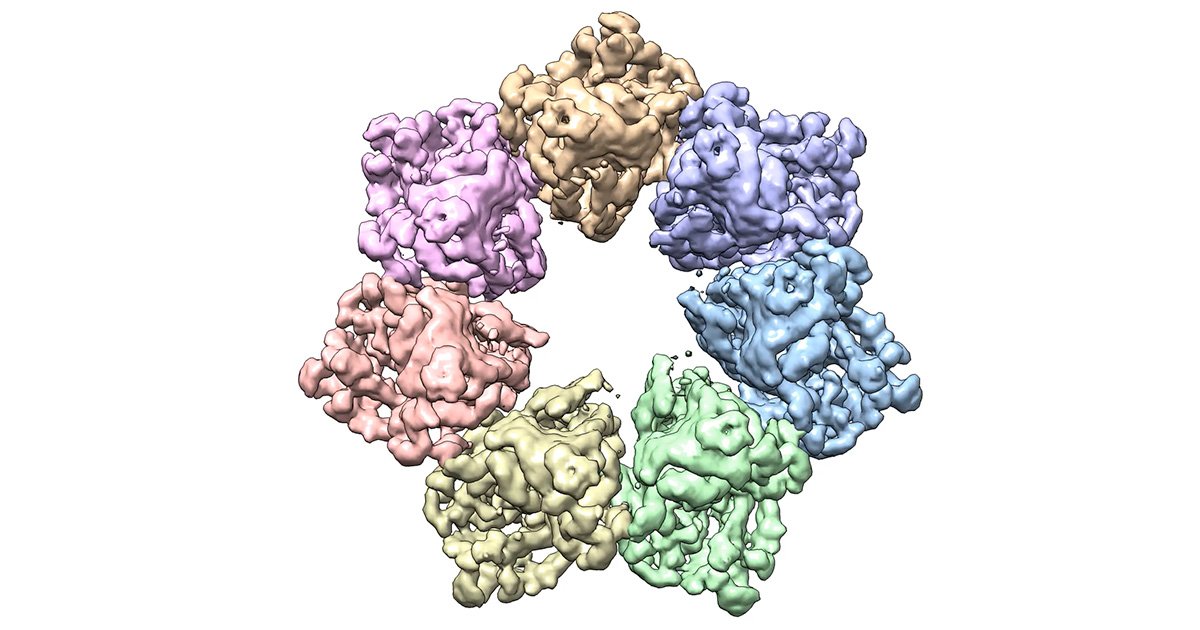
    Researchers from the National Institutes of Health have developed a three-dimensional structure that allows them to see how and where disease mutations on the twinkle protein can lead to mitochondrial diseases. The protein is involved in helping cells use energy our bodies convert from food. Prior to the development of this 3D structure, researchers only had models and were unable to determine how these mutations contribute to disease. Mitochondrial diseases are a group of inherited conditions that affect 1 in 5,000 people and have very few treatments.

    “For the first time, we can map the mutations that are causing a number of these devastating diseases,” said lead author Amanda A. Riccio, Ph.D., and researcher in the National Institute of Environmental Health Sciences (NIEHS) Mitochondrial DNA Replication Group, which is part of NIH. “Clinicians can now see where these mutations lie and can use this information to help pinpoint causes and help families make choices, including decisions about having more children.”

    The new findings will be particularly relevant for developing targeted treatments for patients who suffer from mitochondrial diseases such as progressive external ophthalmoplegia, a condition that can lead to loss of muscle functions involved in eye and eyelid movement; Perrault syndrome, a rare genetic disorder that can cause hearing loss; infantile-onset spinocerebellar ataxia, a hereditary neurological disorder; and hepatocerebral mitochondrial DNA (mtDNA) depletion syndrome, a hereditary disease that can lead to liver failure and neurological complications during infancy.

    The paper that appears in the Proceedings of the National Academy of Sciences showcases how the NIEHS researchers were the first to accurately map clinically relevant variants in the twinkle helicase, the enzyme that unwinds the mitochondrial DNA double helix. The twinkle structure and all the coordinates are now available in the open data Protein Data Bank that is freely available to all researchers.

    “The structure of twinkle has eluded researchers for many years. It’s a very difficult protein to work with,” noted William C. Copeland, Ph.D., who leads the Mitochondrial DNA Replication Group and is the corresponding author on the paper. “By stabilizing the protein and using the best equipment in the world we were able to build the last missing piece for the human mitochondrial DNA replisome.”

    The researchers used cryo-electron microscopy (CryoEM), which allowed them to see inside the protein and the intricate structures of hundreds of amino acids or residues and how they interact.

    Mitochondria, which are responsible for energy production, are especially vulnerable to mutations. mtDNA mutations can disrupt their ability to generate energy efficiently for the cell. Unlike other specialized structures in cells, mitochondria have their own DNA. In a cell’s nucleus there are two copies of each chromosome, however in the mitochondria there could be thousands of copies of mtDNA. Having a high number of mitochondrial chromosomes allows the cell to tolerate a few mutations, but accumulation of too many mutated copies leads to mitochondrial disease.

    To conduct the study, the researchers used a clinical mutation, W315L, known to cause progressive external ophthalmoplegia, to solve the structure. Using CryoEM, they were able to observe thousands of protein particles appearing in different orientations. The final structure shows a multi-protein circular arrangement. They also used mass spectrometry to verify the structure and then did computer simulations to understand why the mutation results in disease.

    Within twinkle, they were able to map up to 25 disease-causing mutations. They found that many of these disease mutations map right at the junction of two protein subunits, suggesting that mutations in this region would weaken how the subunits interact and make the helicase unable to function.

    “The arrangement of twinkle is a lot like a puzzle. A clinical mutation can change the shape of the twinkle pieces, and they may no longer fit together properly to carry out the intended function,” Riccio explained.

    “What is so beautiful about Riccio and the team’s work is that the structure allows you to see so many of these disease mutations assembled in one place,” said Matthew J. Longley, Ph.D., an author and NIEHS researcher. “It is very unusual to see one paper that explains so many clinical mutations. Thanks to this work, we are one step closer to having information that can be used to develop treatments for these debilitating diseases.”

    This press release describes a basic research finding. Basic research increases our understanding of human behavior and biology, which is foundational to advancing new and better ways to prevent, diagnose, and treat disease. Science is an unpredictable and incremental process— each research advance builds on past discoveries, often in unexpected ways. Most clinical advances would not be possible without the knowledge of fundamental basic research. To learn more about basic research, see Basic Research – Digital Media Kit.

    Grants: This research was supported by the Intramural Research program at NIEHS.
    Z01 ES065078, Z01 ES065080, Z01 ES043010, ZIC ES 103326, NIH P41-GM103311.

    • For more information and a video about Cryo-electron microscopy at NIEHS, see the December 2017 NIEHS Environmental Factor newsletter.

    Reference: Riccio AA, Bouvette J, Perera L, Longley MJ, Krahn JM, Williams JG, Dutcher R, Borgnia MJ, Copeland WC. 2022. Structural insight and characterization of human Twinkle helicase in mitochondrial disease. PNAS. 119(32) e2207459119. [Full Text Riccio AA, Bouvette J, Perera L, Longley MJ, Krahn JM, Williams JG, Dutcher R, Borgnia MJ, Copeland WC. 2022. Structural insight and characterization of human Twinkle helicase in mitochondrial disease. PNAS. 119(32) e2207459119.]


  • New York City Switch to Clean Buses Cut Air Pollution

    New York City Switch to Clean Buses Cut Air Pollution

    The transition of the Metropolitan Transportation Authority (MTA) bus fleet in New York City to cleaner fuels and engines was followed by declines in air pollution, particularly nitrous oxide. The study was led by scientists at Columbia University Mailman School of Public Health, Columbia Irving Medical Center, and Drexel University Dornsife School of Public Health. The findings are published in the Journal Of Exposure Science And Environmental Epidemiology.

    Beginning in 2000, the MTA began deploying compressed natural gas, hybrid electric, and low-sulfur diesel buses to reduce urban air pollution. In addition, existing buses were retrofitted with diesel particulate filters. The Federal Clean Air Act of 1990 set standards for all new bus purchases. Select cities, including New York City, were mandated to purchase clean fuel buses.

    The researchers examined air pollution concentrations in 9,670 300mx300m grid cell areas across the five boroughs, as measured by the New York City Community Air Survey, between 2009 and 2014, as the MTA transitioned its fleet to clean buses. Data were assessed alongside depot- and route-specific data on the fleet transition and bus traffic sourced from publicly-available data and FOIL (Freedom of Information Law) requests.

    The researchers found declines in nitrogen oxide (NO), nitrogen dioxide (NO2), and black carbon (BC), even in the 40 percent of cells without bus service. Declines in concentrations of NO and NO2 were greater in areas with more bus service and with higher proportional shifts toward clean buses, adjusted for truck route presence and total traffic volume.

    Shifts toward clean bus service were associated with slower declines in BC concentration. This finding may be explained by the fact that hybrid diesel buses can produce more particulate matter than their conventional counterparts due to their smaller engine size. Alternately, it may be because the study was better attuned to measures of fresh combustion emissions such as NO, for which exposure rapidly decreases with distance to busy roadways.

    “Our results provide evidence that the New York City clean bus program impacted concentrations of air pollution,” says first author Gina Lovasi, PhD, associate dean for education and Dornsife associate professor of urban health at Drexel University Dornsife School of Public Health. “It is likely that similar changes have happened or could be realized in other cities.”

    “Air pollution is harmful to everyone, particularly children, and is known to raise risk for a host of health problems, from asthma to cognitive and behavioral problems,” adds study co-author Frederica Perera, PhD, director of translational research at Columbia University Center for Children’s Environmental Health and professor of environmental health sciences at Columbia University Mailman School of Public Health.

    Additional co-authors include Isha Shah, Alique Berberian, and Marianthi-Anna Kioumourtzoglou, Columbia Mailman School of Public Health; Christian Treat, Columbia University Vagelos College of Physicians and Surgeons; and Dustin Fry and Jane Clougherty, Drexel University School of Public Health.

    Funding support was provided by the National Institute of Environmental Health Sciences (NIEHS) and the Environmental Protection Agency (ES09600), the NIEHS Center for28 Environmental Health in Northern Manhattan (ES009089), the John and Wendy Neu Family Foundation, and the Blanchette Hooker Rockefeller Foundation. The authors confirm no conflicting financial interests.

  • Lactating Mice Pass Along Common Antimicrobial to Pups, Initiating Liver Damage

    In mouse studies, researchers at University of California San Diego School of Medicine report that lactating mothers expose their feeding pups to triclosan, an antimicrobial commonly used in consumer products, resulting in early signs of liver damage that can eventually lead to more serious impairment and illness, such as nonalcoholic fatty liver disease (NAFLD) and nonalcoholic steatohepatitis (NASH).

    The findings published in the July 27, 2022 online issue of Nature Communications.

    NAFLD is the most common chronic liver condition in the United States, affecting an estimated 100 million adults. It occurs when fat accumulates in liver cells due to causes other than excessive alcohol use, impairing organ function. The precise cause is not known, but diet and genetics play substantial roles. Up to 50 percent of obese people are believed to have NAFLD.

    Approximately 20 percent of persons with NAFLD transition to NASH, a more advanced form of the disease characterized by increasingly severe inflammation and organ damage that may result in scarring of the liver, cirrhosis and cancer.

    Robert Tukey

    Robert Tukey, PhD, is professor of pharmacology at UC San Diego School of Medicine.

    According to a study published by UC San Diego scientists in June 2022, NASH is the fastest growing cause of liver cancer deaths globally, especially in the Americas. It is driven by rapidly rising obesity rates. The prevalence of obesity in the U.S. in 2017 was 42.4 percent, according to the Centers for Disease Control, up from 30.5 percent in 2000.

    The prevalence of NAFLD in children is rising, along with obesity rates in the young. It is estimated that 9.6 percent of children ages 2 to 19 years have NAFLD. A recent study by UC San Diego scientists found that pediatric NAFLD increases the risk of developing type 2 diabetes later in life.

    Triclosan is an ingredient added to diverse consumer products to reduce or prevent microbial contamination, including soaps, toothpaste, cosmetics, clothing, furniture, kitchenware, pesticides and toys.

    “Triclosan is a broad-spectrum antimicrobial agent that is used in many personal care products, and impregnated in numerous different materials, ranging from clothing to food packaging. It has been linked to multiple adverse health effects,” said the study’s corresponding author Robert H. Tukey, PhD, professor in the Department of Pharmacology at UC San Diego School of Medicine.

    In 2016, fueled by rising evidence and public health concerns, the U.S. Food and Drug Administration banned the use of triclosan in some products and required premarket approval for others. It remains an ingredient in many products.

    Michael Karin

    Michael Karin, PhD, is a Distinguished Professor of Pharmacology and Pathology at UC San Diego School of Medicine.

    Two years ago, Tukey, study co-author Michael Karin, PhD, Distinguished Professor of Pharmacology and Pathology at UC San Diego School of Medicine, and colleagues published evidence that triclosan exposure worsened fatty liver disease in mice fed a high-fat diet. The latest research builds upon how that happens, showing that triclosan is passed from nursing mothers to pups, who develop early signs of fatty liver pathogenesis and perhaps a greater likelihood of fatty liver disease later in life.

    The researchers exposed pregnant females to triclosan in their diet and found that it was efficiently transferred by lactation to newborn mice, causing significant fatty liver during the suckling period, and resulting in hepatosteatosis, triglyceride accumulation, endoplasmic reticulum stress, signs of inflammation and liver fibrosis. Two key metabolic regulators responsible for triclosan-induced fatty liver disease were identified.

    “Early exposure to triclosan appears to trigger pathologies that resemble NAFLD and NASH: toxicant associated fatty liver disease and toxicant associated fatty liver disease, which may predispose development of pediatric NAFLD and NASH,” said Tukey. “Recent increases in pediatric NAFLD could be a consequence of mother-to-child transmission of environmental toxicants like triclosan.”

    Co-authors include: Andre A. Weber, Xiaojing Yang, Elvira Mennillo, Jeffrey Ding, Jeramie D. Watous, Mohit Jain and Shujuan Chen, all at UC San Diego.

    Funding support for this research came, in part, from the National Institute of Environmental Health Sciences (grants R21-ES031849, P42-ES010337, R21-AI35677) and a seed grant through the UC San Diego Larsson-Rosenquist Foundation Mother-Milk-Infant Center of Research Excellence (MOMI CORE).

  • UK Researchers Develop Antiviral Face Mask

    UK Researchers Develop Antiviral Face Mask

    By Elizabeth Chapin July 20, 2022

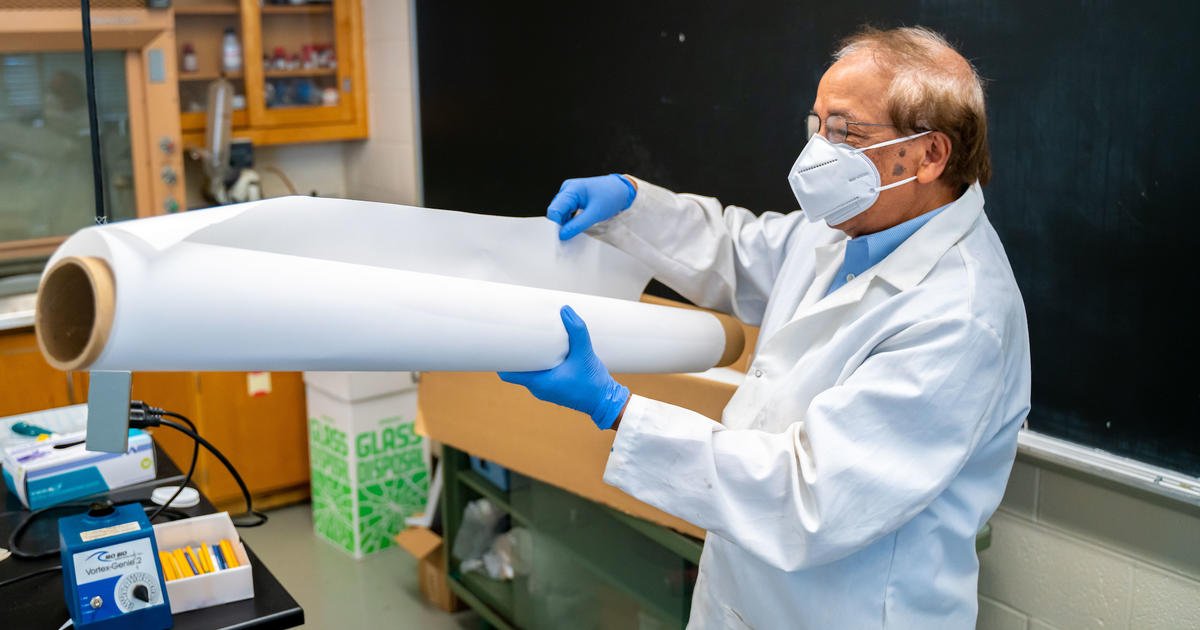
    LEXINGTON, Ky. (July 20, 2022) — A team of University of Kentucky researchers led by College of Engineering Professor Dibakar Bhattacharyya, Ph.D., and his Ph.D. student, Rollie Mills, have developed a medical face mask membrane that can capture and deactivate the SARS-CoV-2 spike protein on contact.

    At the beginning of the COVID-19 pandemic in 2020, Bhattacharyya, known to friends and colleagues as “DB,” along with collaborators across disciplines at UK, received a grant from the National Science Foundation (NSF) to create the material. Their work was published in the Nature journal Communications Materials on May 24.

    SARS-CoV-2 is covered in spike proteins, which allow the virus to enter host cells once in the body. The team developed a membrane that includes proteolytic enzymes that attach to the protein spikes and deactivates them.

    “This new material can filter out the virus like the N95 mask does, but also includes antiviral enzymes that completely deactivate it. This innovation is another layer of protection against SARS-CoV-2 that can help prevent the virus from spreading,” said DB, the director of UK’s Center of Membrane Sciences. “It’s promising to the development new products that can protect against SARS-CoV-2 and a number of other human pathogenic viruses.”

    DB’s team included J. Todd Hastings, Ph.D., Thomas Dziubla, Ph.D., and Kevin Baldridge, Ph.D. from the College of Engineering; Yinan Wei, Ph.D., a former professor in the College of Arts and Sciences’ Department of Chemistry; and Lou Hersh, Ph.D., in the College of Medicine’s Department of Molecular and Cellular Biochemistry. College of Engineering doctoral student Rollie Mills (NSF Graduate Fellow and first author of the article), and undergraduate students Ronald Vogler, Matthew Bernard and Jacob Concolino contributed extensively to the project. 

    The team developed the membrane, which was fabricated through an existing collaboration with a large-scale membrane manufacturer. It was then tested using SARS-CoV-2 spike proteins that were immobilized on synthetic particles. Not only could the material filter out coronavirus-sized aerosols, but it was also able to destroy the spike proteins within 30 seconds of contact.

    The study reports that the membrane provided a protection factor above the Occupational Safety and Health Administration’s standard for N95 masks, meaning that it could filter at least 95% of airborne particles.

    “These membranes have been proven to be a promising system of advancement toward the new generation of respiratory face masks and enclosed-environment filters that can significantly reduce coronavirus transmission by virus protein deactivation and enhanced aerosol particle capture,” the study reports.

    The new membrane builds upon the center’s National Institute of Environmental Health Sciences (NIEHS) and NSF-funded activities, which have developed various functionalized membranes for environmental remediation. In contrast to passive membranes, functionalized membranes provide additional benefits by interacting with undesired particles like viruses through selective binding or deactivation.

    Research reported in this publication was supported by the National Institute of Environmental Health Sciences of the National Institutes of Health under Award Number P42ES007380. The content is solely the responsibility of the authors and does not necessarily represent the official views of the National Institutes of Health.

    Research reported in this publication was supported by the National Science Foundation under Award Number 2030217. The opinions, findings, and conclusions or recommendations expressed are those of the author(s) and do not necessarily reflect the views of the National Science Foundation.

    As the state’s flagship, land-grant institution, the University of Kentucky exists to advance the Commonwealth. We do that by preparing the next generation of leaders — placing students at the heart of everything we do — and transforming the lives of Kentuckians through education, research and creative work, service and healthcare. We pride ourselves on being a catalyst for breakthroughs and a force for healing, a place where ingenuity unfolds. It’s all made possible by our people — visionaries, disruptors and pioneers — who make up 200 academic programs, a $1.02 billion research and development enterprise and a world-class medical center, all on one campus.

  • Preterm Birth More Likely With Exposure to Phthalates

    Preterm Birth More Likely With Exposure to Phthalates

    Pregnant women who were exposed to multiple phthalates during pregnancy had an increased risk of preterm birth, according to new research by the National Institutes of Health. Phthalates are chemicals used in personal care products, such as cosmetics, as well as in solvents, detergents, and food packaging.

    After analyzing data from more than 6,000 pregnant women in the United States, researchers found that women with higher concentrations of several phthalate metabolites in their urine were more likely to deliver their babies preterm, which is delivering three or more weeks before a mother’s due date.

    “Having a preterm birth can be dangerous for both baby and mom, so it is important to identify risk factors that could prevent it,” said Kelly Ferguson, Ph.D., an epidemiologist at the National Institute of Environmental Health Sciences (NIEHS), part of NIH, and the senior author on the study published in the journal JAMA Pediatrics.

    In this study, the largest study to date on this topic, Ferguson and her team pooled data from 16 studies conducted across the United States that included individual participant data on prenatal urinary phthalate metabolites (representing exposure to phthalates) as well as the timing of delivery. Researchers analyzed data from a total of 6,045 pregnant women who delivered between 1983-2018. Nine percent, or 539, of the women in the study delivered preterm. Phthalate metabolites were detected in more than 96% of urine samples.

    Higher concentrations of most phthalate metabolites examined were associated with slightly higher odds of preterm birth. Exposure to four of the 11 phthalates found in the pregnant women was associated with a 14-16% greater probability of having a preterm birth. The most consistent findings were for exposure to a phthalate that is used commonly in personal care products like nail polish and cosmetics.

    The researchers also used statistical models to simulate interventions that reduce phthalate exposures. They found that reducing the mixture of phthalate metabolite levels by 50% could prevent preterm births by 12% on average. Interventions targeting behaviors, such as trying to select phthalate-free personal care products (if listed on label), voluntary actions from companies to reduce phthalates in their products, or changes in standards and regulations could contribute to exposure reduction and protect pregnancies.

    “It is difficult for people to completely eliminate exposure to these chemicals in everyday life, but our results show that even small reductions within a large population could have positive impacts on both mothers and their children,” said Barrett Welch, Ph.D., a postdoctoral fellow at NIEHS and first author on the study.

    Eating fresh, home-cooked food, avoiding processed food that comes in plastic containers or wrapping, and selecting fragrance-free products or those labeled “phthalate-free,” are examples of things people can do that may reduce their exposures. Changes to the amount and types of products that contain phthalates could also reduce exposures.

    The researchers are conducting additional studies to better understand the mechanisms by which exposure to phthalates can affect pregnancy and to determine if there are effective ways for mothers to reduce their exposures.

    Grants: This research was supported in part by the Intramural Research Program of NIEHS (Z01ES103333), and extramural grants from NIEHS (P42ES017198, P30ES005022, R21ES031231, P01ES009605, R01ES021369, R01ES02438, R01ES030078, R01ES016863, P42ES017198, R01ES022934, P30ES010126, P01ES09584, R01ES013543, R01ES014393, R01ES08977, R01ES009718, ES013543, P30ES023513, R01ES031591, P42ES017198, R01ES031657, P01ES022844, R01ES017500, P30ES005022, T32ES007018, R01ES0125169-01, R21ES025551, R24ES028533, R01ES016863-04, R01ES016863-02S4, P30ES005022, P01ES011261), NCI (R21CA128382), NIDDK (R01DK076648), NICHD (R21HD058019), NIH OD (UH3OD023251, UH3OD023365, UH3OD023342), the US EPA (R82670901, R827039) and NCATS (UL1TR001881).

    Reference: Welch BM, Keil AP, Buckley JP, Calafat AM, Christenbury KE, Engel SM, O’Brien KM, Rosen EM, James-Todd T, Zota AR, Ferguson KK, and the Pooled Phthalate Exposure and Preterm Birth Study Group. 2022. Associations Between Prenatal Urinary Biomarkers of Phthalate Exposure and Preterm Birth A Pooled Study of 16 US Cohorts. JAMA Pediatrics; doi:10.1001/jamapediatrics.2022.2252 [Published online July 11, 2022].


  • Risk of Death Surges When Extreme Heat and Air Pollution Coincide

    Risk of Death Surges When Extreme Heat and Air Pollution Coincide

    Press Release

    Keck School of Medicine of USC researchers used a new analytic approach to study more than 1.5 million deaths across the state of California.

    Zara Abrams June 29, 2022

    Hazy image of hot day on a busy freeway with cars.
    USC research shows a combination of extreme heat and pollution significantly increases the risk of death.

    Heat waves and air pollution are harmful, even deadly, and both are predicted to increase in frequency due to climate change. A team of researchers from USC is helping shed light on the health risks by assessing six years of air quality, temperature and death certificate data in a new study, just published in the American Journal of Respiratory and Critical Care Medicine.

    The study found that compared to days without extreme conditions, extreme heat days carried a 6.1% increase in risk of death. On extreme air pollution days, deaths were 5% more likely. But on days with both extreme heat and air pollution, deaths were 21% more likely—a synergistic effect almost double the impact of the individual exposures combined.

    “We found that the mortality effect of exposure to both extreme temperatures and extreme pollution is greater than the sum of their individual effects,” said Md Mostafijur Rahman, PhD, a postdoctoral fellow in the Department of Population and Public Health Sciences at the Keck School of Medicine and lead author of the study.

    Previous studies have examined how extreme heat and air pollution separately affect mortality risk, and how each varies with the other. The present study is the first to use a new approach to study what happens when extreme heat and air pollution coincide.

    “The mortality effect of exposure to both extreme temperatures and extreme pollution is greater than the sum of their individual effects.”

    Md Mostafijur Rahman, PhD

    Along with overall mortality, this study also examined deaths due to cardiovascular and respiratory conditions. On extreme exposure days, people over age 75 faced the higher risk. The findings could ultimately help individuals, communities and health care systems prepare for extreme weather and minimize potential harm.

    “Understanding the risks associated with these exposures is really important, because we know that they will increase with climate change in many different parts of the United States and the world,” said Erika Garcia, PhD, MPH, an assistant professor of population and public health sciences at the Keck School of Medicine and the study’s senior author. Wildfires, for example, which are expected to increase up to 50% by the end of the century, often involve extreme heat and pollution that last for days or weeks.

    The risk of extreme exposure 

    Garcia, Rahman and their colleagues studied all deaths in California between 2014 and 2019—a total of more than 1.5 million—using death certificate data from California’s Department of Public Health. They also obtained data on air temperature and levels of fine particulate matter (PM2.5), tiny particle pollution in the air that is known to cause health problems.

    They then linked deaths with local environmental conditions based on the individual’s home address in order to understand effects of exposure. Using data on temperature and air pollution levels, the researchers classified each day into one of four categories: no extreme exposure, extreme heat only, extreme air pollution only, or extreme heat and air pollution.

    On days with both extreme heat and air pollution, the overall mortality risk increased 21%. The risk of death due to cardiovascular problems increased 29.9% and risk of death due to respiratory problems increased 38%.

    Older adults faced significantly higher risk, with a 36.2% increase in mortality risk for those over 75, compared to an 8.5% increase in mortality risk for people 75 and under when exposed to both extreme heat and pollution.

    Though the researchers did not study specific causes of death, these problems typically include conditions such as heart failure and pneumonia. On days when both heat and air pollution reach extreme levels, people may have more inflammation and oxidative stress, as well as problems with regulating the body’s internal temperature, Rahman said.

    Older adults faced significantly higher risk, with a 36.2% increase in mortality risk for those over 75, compared to an 8.5% increase in mortality risk for people 75 and under when exposed to both extreme heat and pollution.

    Keeping communities safe

    The findings underscore the need for protective measures and interventions as the environment continues to change, Garcia said.

    For example, local governments might combine heat and air pollution alert systems to convey that the exposures are related, and notify people to exercise increased caution when the two extremes coincide. To help people stay safe, communities can provide air-conditioned cooling centers for older adults and other sensitive groups. Long-term investments could include adding more green space, as well as pavement and rooftops built from reflective materials, to help reduce temperatures in urban heat islands.

    With support from USC President Carol Folt’s Presidential Working Group on Sustainability and in alignment with USC’s Assignment: Earth sustainability goals, the research team is exploring ways to translate their findings into changes that will benefit communities, both in California and beyond. Future studies will explore how extreme heat and air pollution may impact mortality related to mental health, including suicide and homicide. The research team is also studying whether disparities in mortality risk are linked to measures of neighborhood deprivation.

    “If certain communities face an increased risk when these exposures occur, that will highlight an important target for interventions,” Garcia said.

    About this study

    In addition to Rahman and Garcia, the study’s other authors are Rob McConnell, Lawrence Palinkas, Jill Johnston and Michael Hurlburt from the Department of Population and Public Health Sciences, Keck School of Medicine of USC; Hannah Schlaerth, Joseph Ko and George Ban-Weiss from the USC Viterbi School of Engineering; Sam Silva from the Department of Earth Sciences, USC Dana and David Dornsife College of Letters, Arts and Sciences; Fred Lurmann from Sonoma Technology; and Hao Yin from the School of Population and Public Health, University of British Columbia.

    This work was supported by the National Institute of Environmental Health Sciences [grant P30ES007048]; the University of Southern California Office of Research Strategic Development of Research Award; and the National Science Foundation [CBET-1752522].

  • HHS Announces Programs to Join President Biden’s Justice40 Initiative

    You don’t have permission to access “http://www.hhs.gov/about/news/2022/06/24/hhs-announces-programs-to-join-president-bidens-justice40-initiative.html” on this server.

    Reference #18.50593a17.1791961564.42ebf30

    https://errors.edgesuite.net/18.50593a17.1791961564.42ebf30

  • UTHSC Team Receives $2.19 Million to Study Neurotoxicity of Commonly-used Chemical Solvent

    UTHSC Team Receives $2.19 Million to Study Neurotoxicity of Commonly-used Chemical Solvent

    A team of University of Tennessee Health Science Center researchers has been awarded $2.19 million from the National Institute of Environmental Health Sciences for their investigation of the neurotoxic effects of toluene, a common chemical found in many household products.  

    Dr. Alex Dopico

    Alex M. Dopico, MD, Van Vleet Chair of Excellence and professor in the Department of Pharmacology, Addiction Science, and Toxicology (PHAST) in the College of Medicine, and Anna N. Bukiya, PhD, professor in the same department, are principal investigators on the award. Jeff Steketee, PhD, also a professor in the PHAST Department and chair of the Institutional Animal Care and Use Committee, is a co-investigator.

    Toluene reaches the brain through inhalation. Intoxication with toluene, whether accidental or following recreational use (e.g., “glue sniffing”), leads to dizziness, blurred vision and even neurological deficits with catastrophic outcomes, including death. A reduction in blood flow to the brain is thought to contribute to these toxic effects, but how and why toluene exposure affects the brain circulation is not known.  

    Dr. Anna Bukiya

    The team hypothesizes that toluene reduces the activity of a protein (the BK channel) located in the cerebral artery muscle cells, causing the brain arteries to constrict upon exposure. Performing tests at the molecular level using computational methods, and in vitro and in vivo evaluation of BK channel function in animal models, the team aims to identify the specific mechanism and site of action in BK channels that makes cerebral arteries constrict in the presence of toluene. Their tests will include delivering new selective drug therapies for early intervention in toluene-induced brain ischemia.

    The project, titled “Ionic mechanisms of toluene cerebrovascular actions”, is being funded over five years.

  • Gene Linked to Severe Learning Disabilities Governs Cell Stress Response

    Gene Linked to Severe Learning Disabilities Governs Cell Stress Response

    Like superheroes of the cell, the protein Rad6 (red), and its partner Uba1 (blue) respond to environmental stress by modifying the protein-producing ribosomes (purple) to stop their maintenance program. (Dinachi Okonkwo)

    Like superheroes of the cell, the protein Rad6 (red), and its partner Uba1 (blue) respond to environmental stress by modifying the protein-producing ribosomes (purple) to stop their maintenance program. (Dinachi Okonkwo)

    DURHAM, N.C. – A gene that has been associated with severe learning disabilities in humans has been found to also play a vital role in cells’ response to environmental stress, according to a Duke University study appearing May 24 in the journal Cell Reports.

    Cells are stressed by factors  that may damage them, such as extreme temperatures, toxic substances, or mechanical shocks. When this happens, they undergo a range of molecular changes called the cellular stress response.

    “Every cell, no matter from which organism, is always exposed to harmful substances in their environment that they have to deal with all the time,” said Gustavo Silva, assistant professor of biology at Duke and senior author on the paper. “Many human diseases are caused by cells not being able to cope with these aggressions.”

    During the stress response, cells press pause the genes related to their normal housekeeping activities, and turn on genes related to crisis mode. Just like in a house being flooded, they put down the window cleaner, turn off the TV, and run to close the windows, then they patch holes, turn on the sump pump, and if needed, rip up carpet and throw away irreparably damaged furniture.

    While studying mechanisms related to the cells’ health and their response to stress, the team saw that, under stress, a group of proteins was being modified inside the cells. They dug into it and found that the master regulator of this process is a gene called Rad6.

    “When there is a stressor, cells need to change what proteins are produced,” said Vanessa Simões, associate in research in the Silva lab and lead author of the paper. “Rad6 goes in and gets the (protein-building) ribosomes to change their program and adapt what they are producing for the new stressful circumstances.”

    Rad6 isn’t just any random gene. It can be found, sometimes under a different name, in almost all multicellular organisms. In humans, it is known for its association with a set of symptoms called “Nascimento Syndrome,” that include severe learning disabilities.

    Nascimento Syndrome, also called X-linked intellectual disability type Nascimento, is still a poorly understood disease. It was officially described in 2006, and tends to run in families, giving scientists an early clue to its genetic causes. Affected individuals have severe learning disabilities, characteristic facial traits, with wide-set eyes and a depressed nose bridge, and a range of other debilitating symptoms.

    Like many other genes, Rad6 doesn’t just do one thing. It’s a multiuse tool. By discovering an additional function, and one so tightly related to the cell’s health, Silva and his team get to add a new piece to the puzzle of Nascimento Syndrome.

    “It’s still a big question or how exactly can a mutation to this gene lead to such a drastic syndrome in humans,” said Silva. “Our findings are exciting because Rad6 can be a model on which we can do genetic manipulations to try to understand how problems in coping with harmful conditions can be connected to how this disease progresses.”

    “If we get a better understanding of how this gene works, we can actually try to interfere with it to help these patients have a better outcome.” he said.

    But how does one actually “look” at what is happening with an infinitesimally small protein when a cell is stressed? With a fair amount of teamwork. Simões and Silva paired up with researchers from the Duke Biochemistry department and the Pratt School of engineering to gather all the help they needed.  

    “We used biochemistry analyses, cellular assays, proteomics, molecular modeling, cryo-electron microscopy, a whole set of advanced techniques,” said Silva.

    “It’s the cool thing about being in a place like Duke,” he said. “We found collaborators and resources easily, right here, and that really increases the impact of a study and our ability to do a more complete work.”

    Funding for this study was provided by US National Institutes of Health R00 Award ES025835 and R35 Award GM137954 to Gustavo Silva. This work was also supported in part by R01 Award GM141223 to Alberto Bartesaghi and the Intramural Research Program of the NIH, National Institute of Environmental Health Sciences Grant ZIC ES103326 to Mario J. Borgnia. Cryo- EM work was performed at the Duke University Shared Materials Instrumentation Facility (SMIF), a member of the North Carolina Research Triangle Nanotechnology Network (RTNN), which is supported by the National Science Foundation (grant ECCS- 1542015) as part of the National Nanotechnology Coordinated Infrastructure (NNCI). Funding was also provided from the UNC Lineberger Comprehensive Cancer Center through the University of California, Riverside Fund and the Cancer Center Support Grant P30CA016086. 

    CITATION: “Redox-Sensitive E2 1 Rad6 Controls Cellular Response to Oxidative Stress Via K63-Linked Ubiquitination of Ribosomes,” Vanessa Simões, Blanche K. Cizubu, Lana Harley, Ye Zhou, Joshua Pajak, Nathan A Snyder, Jonathan Bouvette, Mario J. Borgnia, Gaurav Arya, Alberto Bartesaghi, and Gustavo M. Silva. Cell Reports, May 24 2022. DOI: 10.1016/j.celrep.2022.110860

  • Depression, Loneliness Associated With Increased Hospitalization Risk After COVID-19, NIH-funded Study Suggests

    Depression, Loneliness Associated With Increased Hospitalization Risk After COVID-19, NIH-funded Study Suggests

    Media Advisory  Thursday, May 19, 2022

    Depression, loneliness associated with increased hospitalization risk after COVID-19, NIH-funded study suggests

    What

    People who reported in a survey that they felt worried, depressed or lonely had a greater chance of being hospitalized after a COVID-19 diagnosis, suggests a study funded by the National Institutes of Health. The study, which analyzed survey data from more than 54,000 female nurses and their offspring, was conducted by Andrea L. Roberts, Ph.D., of the Harvard T.H. Chan School of Public Health, Boston, and colleagues. It appears in Psychological Medicine.

    Between April 2020 and April 2021, slightly more than 3,600 study participants tested positive for SAR-CoV-2 infection. Those who reported chronic (long-term) depression before the pandemic were 72% more likely to be hospitalized after their diagnosis for COVID-19. Those who scored high on likely indicators of depression (probable depression) when they began the study were 81% more likely to be hospitalized than those who did not. Being very worried about COVID-19 was associated with a 79% increase in risk for hospitalization. Moreover, those who reported persistent feelings of loneliness were 81% more likely to be hospitalized than those who did not. Feelings of anxiety and stress were not associated with a higher risk for hospitalization.

    The authors said their findings suggest that psychological risk factors may increase hospitalization risk as much as physical risk factors, such as high cholesterol and hypertension. They called for additional research to determine if treatment to reduce depression and other forms of psychological distress, in addition to standard treatments, might reduce the severity of COVID-19.

    NIH funding for the study was provided by the Eunice Kennedy Shriver National Institute of Child Health and Human Development (NICHD), National Heart, Lung and Blood Institute, National Institute of Environmental Health Sciences, and National Cancer Institute.

    Who

    Valerie Maholmes, Ph.D., chief of the NICHD Pediatric Trauma and Critical Illness Branch, is available for comment.

    Article

    Wang, S. Depression, worry, and loneliness are associated with subsequent risk of hospitalization for COVID-19: A prospective study. Psychological Medicine. 2022.

    About the Eunice Kennedy Shriver National Institute of Child Health and Human Development (NICHD): NICHD leads research and training to understand human development, improve reproductive health, enhance the lives of children and adolescents, and optimize abilities for all. For more information, visit https://www.nichd.nih.gov.

    About the National Institutes of Health (NIH): NIH, the nation’s medical research agency, includes 27 Institutes and Centers and is a component of the U.S. Department of Health and Human Services. NIH is the primary federal agency conducting and supporting basic, clinical, and translational medical research, and is investigating the causes, treatments, and cures for both common and rare diseases. For more information about NIH and its programs, visit www.nih.gov.

    NIH…Turning Discovery Into Health®

    Institute/Center

    Contact