Author: admin

  • Autoantibody Order, Timing Helps Predict Genetically Susceptible Children Most Likely to Get Type 1 Diabetes

    Autoantibody Order, Timing Helps Predict Genetically Susceptible Children Most Likely to Get Type 1 Diabetes

    Autoantibody order, timing helps predict genetically susceptible children most likely to get type 1 diabetes

    USF Health-led TEDDY analysis focuses on development of multiple distinct autoantibodies targeting insulin-producing cells, from initial autoimmunity to symptomatic disease

    Girl learning about glucose reading.


    TAMPA, Fla. —
    Children with multiple islet autoantibodies – biological markers of autoimmunity – are more likely to progress to symptomatic type 1 diabetes (T1D) than those who remain positive for a single autoantibody.

    Now, new findings from The Environmental Determinants of Diabetes in the Young (TEDDY) study in the U.S. and Europe show that detailed information about the order, timing and type of autoantibodies appearing after the first autoantibody can significantly improve prediction of which children are most likely to progress to type 1 diabetes more rapidly.

    The TEDDY analysis was published in the September 2020 issue of Diabetes Care.

    “A better understanding of distinct autoantibody spreading is important, because it will allow us to identify at-risk children earlier in the disease process,” said the study’s lead author Kendra Vehik, PhD, a professor of epidemiology at the University of South Florida Health (USF Health) Morsani College of Medicine’s Health Informatics Institute. “That means while children are still asymptomatic, we can start to look at interventions and strategies that may reduce, delay or stop the progression of type 1 diabetes.”

    While antibodies are molecules produced by the body’s immune system to detect and destroy specific viruses, bacteria and other harmful substances, autoantibodies are antibodies that target a person’s own healthy tissue. In the case of T1D, a misdirected autoimmune response attacks the pancreas and gradually destroys the organ’s insulin-producing beta cells.

    Without the hormone insulin the body cannot regulate its blood sugar levels, which can cause serious, long-term medical complications such as cardiovascular disease, nerve and kidney damage, and vision loss. Children (and adults) with T1D must monitor their dietary intake and exercise and take insulin injections, or use an insulin pump, daily to help control their blood sugar levels.

    “Physically and psychologically, it’s a very burdensome disease that needs to be managed every day over a lifetime,” Dr. Vehik said.

    Kendra Vehik, PhD, an epidemiologist at the USF Health Informatics Institute, led the TEDDY analysis.

    For this TEDDY analysis, eligible children with increased genetic risk for T1D, were followed every three months, from the age of 3 months up to 15 years, for the development of a first-appearing autoantibody directed against pancreatic insulin-producing cells: glutamic acid decarboxylase antibody (GADA), insulin autoantibody (IAA), or insulinoma-associated-protein-2 autoantibody (IA2-2A). The researchers also looked for the subsequent appearance of a second autoantibody and further progression to T1D. Zinc transporter 8 autoantibody(ZnT8A) was only measured in children who developed an IAA, GADA, or IA-2A. These four different autoantibodies are so far the most reliable biological indicators of early T1D, before symptoms become apparent.

    Of the 608 study participants – all testing positive for either a first-appearing IAA or GADA — more than half (336) developed a second autoantibody. Furthermore, 53% of these 336 children with a second antibody progressed to T1D within about 3.5 years.  Only about 10% of the 272 children testing positive for a single autoantibody at the end of the follow-up for this study (Dec. 31, 2019) had transitioned to T1D.

    Among the key study findings:

    • All study participants had high-risk genotypes for T1D. However, those increased-risk children who also had a parent or sibling with T1D were more likely to develop a second-appearing autoantibody than those without a family history.
    • The younger the child at the time they tested positive for a first autoantibody, the greater their risk for developing a second autoantibody. Conversely, the risk for T1D decreased if the first autoantibody appeared when the child was older.
    • Children testing positive for a second autoantibody, regardless of the type, had at least a five-fold increased risk of progressing to T1D, compared to children who stayed single autoantibody positive. IA-2A, as a second autoantibody, conferred the highest risk, compared with GADA, IAA, or ZnT8A.
    • Risk of progression to T1D was influenced by how quickly the second autoantibody appeared. Emergence of a second autoantibody within a year of the first doubled the risk of progression to T1D. Children’s likelihood of developing T1D declined as the months between the first and second-appearing autoantibodies increased.

    Doctor instructing young type 1 diabetes patient about how to use an insulin pump

    Better stratifying the risk of progression from the start of autoimmunity to symptomatic disease could help diagnose T1D earlier and offers the opportunity to prevent diabetic ketoacidosis (DKA) and its serious complications by educating parents to watch for early signs, Dr. Vehik said.

    “For instance, if a clinician knows that a young child testing positive for IA-2A as their second-appearing autoantibody will be at a higher risk to more rapidly progress to type 1 diabetes, they can reduce the risk of symptomatic onset of disease. Clinicians can also educate the parents about the early signs of disease, such as, weight loss, extreme thirst, more frequent urination, or other DKA symptoms,” she said. “If that happens, the parents will know they should get their child to a doctor or hospital as soon as possible.”

    Specific antibody risk profiling can also help identify those at-risk children most likely to benefit from recruitment for T1D prevention trials, Dr. Vehik added.

    Dr. Vehik next plans to build upon a previous TEDDY study linking viral behavior with T1D diabetes to test whether prolonged viral infections may environmentally trigger the transition from first- to second-appearing islet autoantibodies in children genetically susceptible to diabetes.

    The recently published autoantibody analysis by Dr. Vehik and TEDDY colleagues was funded by National Institute of Diabetes and Digestive and Kidney Diseases grants. USF Health’s Dr. Jeffrey Krischer is the study chair and director of the data coordinating center for the NIH-sponsored TEDDY international multicenter study.

    ABOUT TEDDY
    The Environmental Determinants of Diabetes in the Young (TEDDY) study is a longitudinal, multinational study examining genetic-environmental causes of type 1 diabetes (T1D). The study follows children at high genetic risk for T1D from birth to 15 years of age at 6 clinical centers in the U.S. and Europe. TEDDY is funded by the National Institute of Diabetes and Digestive and Kidney Diseases (NIDDK), National Institute of Allergy and Infectious Diseases (NIAID), Eunice Kennedy Shriver National Institute of Child Health and Human Development (NICHD), National Institute of Environmental Health Sciences (NIEHS), Centers for Disease Control and Prevention (CDC), and JDRF. More information can be found on the TEDDY study website.
  • Significant Link Found Between Air Pollution and Neurological Disorders

    Significant Link Found Between Air Pollution and Neurological Disorders

    For immediate release: October 19, 2020

    Boston, MA – Air pollution was significantly associated with an increased risk of hospital admissions for several neurological disorders, including Parkinson’s disease, Alzheimer’s disease, and other dementias, in a long-term study of more than 63 million older U.S. adults, led by researchers at Harvard T.H. Chan School of Public Health.

    The study, conducted with colleagues at Emory University’s Rollins School of Public Health and Columbia University’s Mailman School of Public Health, is the first nationwide analysis of the link between fine particulate (PM2.5) pollution and neurodegenerative diseases in the U.S. The researchers leveraged an unparalleled amount of data compared to any previous study of air pollution and neurological disorders.

    The study was published online October 19, 2020 in The Lancet Planetary Health.

    “The 2020 report of the Lancet Commission on dementia prevention, intervention, and care has added air pollution as one of the modifiable risk factors for these outcomes,” said Xiao Wu, doctoral student in biostatistics at Harvard Chan School and co-lead author of the study. “Our study builds on the small but emerging evidence base indicating that long-term PM2.5 exposures are linked to an increased risk of neurological health deterioration, even at PM2.5 concentrations well below the current national standards.”

    Researchers looked at 17 years’ worth (2000–2016) of hospital admissions data from 63,038,019 Medicare recipients in the U.S. and linked these with estimated PM2.5 concentrations by zip code. Taking into account potential confounding factors like socioeconomic status, they found that, for each 5 microgram per cubic meter of air (μg/m3) increase in annual PM2.5 concentrations, there was a 13% increased risk for first-time hospital admissions both for Parkinson’s disease and for Alzheimer’s disease and related dementias. This risk remained elevated even below supposedly safe levels of PM2.5 exposure, which, according to current U.S. Environmental Protection Agency standards, is an annual average of 12 μg/m3 or less.

    Women, white people, and urban populations were particularly susceptible, the study found. The highest risk for first-time Parkinson’s disease hospital admissions was among older adults in the northeastern U.S. For first-time Alzheimer’s disease and related dementias hospital admissions, older adults in the Midwest faced the highest risk.

    “Our U.S.-wide study shows that the current standards are not protecting the aging American population enough, highlighting the need for stricter standards and policies that help further reduce PM2.5 concentrations and improve air quality overall,” said Antonella Zanobetti, principal research scientist in Harvard Chan School’s Department of Environmental Health and co-senior author of the study.

    Liuhua Shi, research assistant professor at Emory’s Rollins School of Public Health, was a co-lead author and Marianthi-Anna Kioumourtzoglou, assistant professor in environmental health sciences at Columbia’s Mailman School of Public Health, was a co-senior author.

    Other Harvard Chan School authors included Mahdieh Danesh Yazdi, Danielle Braun, Yaguang Wei, Yun Wang, Joel Schwartz, and Francesca Dominici.

    This study was supported by the Health Effects Institute (4953-RFA14-3/16-4), the National Institute of Environmental Health Sciences (NIEHS R01 ES024332, R01 ES028805, R21 ES028472, P30 ES009089, P30 ES000002), the National Institute on Aging (NIA/NIH R01 AG066793-01, P50 AG025688), and the HERCULES Center (P30ES019776). Research described in this article was done under contract to the Health Effects Institute, an organization jointly funded by the U.S. Environmental Protection Agency (assistance award number R-83467701) and some motor vehicle and engine manufacturers.

    “Long-term effects of PM2.5 on neurological disorders in the American Medicare population: a longitudinal cohort study,” Liuhua Shi, Xiao Wu, Mahdieh Danesh Yazdi, Danielle Braun, Yara Abu Awad, Yaguang Wei, Pengfei Liu, Qian Di, Yun Wang, Joel Schwartz, Francesca Dominici, Marianthi-Anna Kioumourtzoglou, Antonella Zanobetti, The Lancet Planetary Health, online October 19, 2020, doi: https://doi.org/10.1016/S2542-5196(20)30227-8

    Photo: iStock/hapabapa

    Visit the Harvard Chan School website for the latest news, press releases, and multimedia offerings.

    Nicole Rura
    617.221.4241
    nrura@hsph.harvard.edu

    ###

    Harvard T.H. Chan School of Public Health brings together dedicated experts from many disciplines to educate new generations of global health leaders and produce powerful ideas that improve the lives and health of people everywhere. As a community of leading scientists, educators, and students, we work together to take innovative ideas from the laboratory to people’s lives—not only making scientific breakthroughs, but also working to change individual behaviors, public policies, and health care practices. Each year, more than 400 faculty members at Harvard Chan School teach 1,000-plus full-time students from around the world and train thousands more through online and executive education courses. Founded in 1913 as the Harvard-MIT School of Health Officers, the School is recognized as America’s oldest professional training program in public health.


    Last Updated

  • Predicting the Cancer-causing Potential of Chemicals Released From Wildfires, Fossil Fuel Burning

    Predicting the Cancer-causing Potential of Chemicals Released From Wildfires, Fossil Fuel Burning

    CORVALLIS, Ore. – Oregon State University scientists have developed a method that could potentially predict the cancer-causing potential of chemicals released into the air during wildfires and fossil fuel combustion.

    The research, which was recently published in the journal Toxicology in Vitro, was conducted as a part of the OSU Superfund Research Program.  The findings are important for agencies that regulate air pollution caused by these chemicals, known as polycyclic aromatic hydrocarbons (PAHs). It also could help medical researchers who study patients with conditions such as asthma.

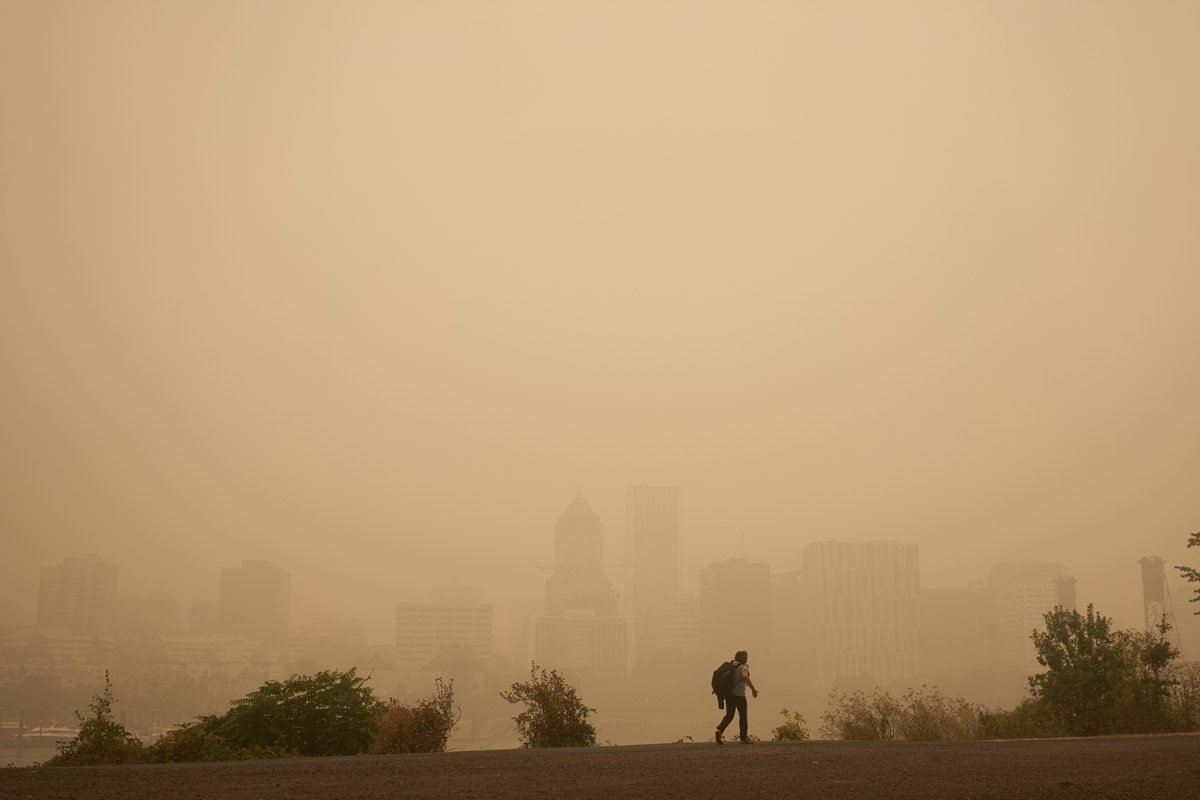
    PAHs are a class of chemicals that occur naturally in coal, crude oil and gasoline. They also are produced when coal, oil, gas, wood, garbage and tobacco are burned. At high levels, as was the case during recent wildfires in the western United States, when PAHs are inhaled they can be harmful to human health.

    Despite PAHs being the first class of chemicals identified as cancer-causing, little is known about the carcinogenic potential of the more than 1,500 PAHs. Part of the challenge is that PAHs usually occur as a mixture of chemicals, making it difficult to tease apart roles of individual chemicals in the mixture.

    The OSU researchers, led by Susan Tilton, an associate professor in the Department of Environmental and Molecular Toxicology in the College of Agricultural Sciences, have been studying PAHs for over six years. They previously developed a system to predict whether tumors formed in mice exposed to certain PAHs.

    The current research translates that approach using human bronchial cells. The researchers treated the cells with individual PAHs and then used computational analysis to look at changes across thousands of genes simultaneously to identify gene signatures. They then looked for gene signatures consistent across the different chemicals with similar carcinogenic potential.

    “Those with similar carcinogenic potential are the ones we can focus on,” Tilton said. “Potentially, in the future we wouldn’t need to look at thousands and thousands of genes. Once we tested enough chemicals and felt very confident about this we could drill down and look at a select handful of genes in order to make these types of predictions.”

    In the future, the researchers plan to expand the number of chemicals that they test, particularly chemicals whose carcinogenic potential is not well understood. They also want to study lung cells from people with pre-existing conditions, such as asthma and chronic obstructive pulmonary disease, to see if they are particularly sensitive to certain chemicals.

    Co-authors of the paper were Yvonne Chang, Celine Thanh Thu Huynh, Kelley M. Bastin, Brianna N. Rivera, Lisbeth K. Siddens, all of Oregon State.