Author: admin

  • NIH Statement on World Asthma Day 2021

    NIH Statement on World Asthma Day 2021

    On World Asthma Day, the National Institutes of Health reaffirms its commitment to research to improve the lives of people with asthma. More than 25 million people in the United States have asthma, including 5.1 million children, according to the Centers for Disease Control and Prevention. This chronic lung disease can reduce quality of life, contributes to considerable emotional and financial stress, and is a major contributing factor to missed time from school and work. Severe asthma attacks can be life-threatening and may require emergency room visits and hospitalizations. Although asthma can affect anyone, some groups bear a disproportionate burden. For example, Black and Puerto Rican people are at higher risk of asthma than people of other races or ethnicities.

    The National Institute of Allergy and Infectious Diseases (NIAID); the National Heart, Lung, and Blood Institute (NHLBI); and the National Institute of Environmental Health Sciences (NIEHS) are the lead NIH institutes that support and conduct asthma research. Among many other advances, these institutes recently released updated evidence-based guidelines for the diagnosis, management and treatment of asthma; helped better define the relationship between asthma and COVID-19; and improved understanding of the numerous factors that can influence asthma severity.

    In December 2020, the NHLBI, with input from the National Asthma Education Prevention Program Coordinating Committee, announced the publication of updates to asthma management and treatment guidelines. The recommendations detailed in the 2020 Focused Updates to the Asthma Management Guidelines are designed to improve patient care and to support informed decision-making about clinical asthma management in six priority areas. These areas include use of inhaled corticosteroids, long-acting muscarinic antagonists, methods to reduce exposure to indoor allergen triggers, immunotherapy, fractional exhaled nitric oxide testing and bronchial thermoplasty.

    As a respiratory disease, COVID-19 has created particular concern and uncertainty for people with asthma. While some evidence suggests that moderate-to-severe asthma might increase risk for severe illness from COVID-19, two independent, NIAID-supported studies suggest that people with allergic asthma are not at higher risk and identify a potential mechanism. These studies found that people with asthma and allergic diseases have reduced expression of the human gene encoding the receptor on airway cells that SARS-CoV-2, the virus that causes COVID-19, uses to enter and infect cells. Results anticipated from the NIAID-led Human Epidemiology and Response to SARS-CoV-2 (HEROS) study will clarify whether rates of SARS-CoV-2 infection differ between children who have asthma or other allergic conditions and children who do not.

    In addition to respiratory infections, numerous environmental factors can influence asthma symptoms and severity. A NIEHS-funded study published last year was the first to link reduced emissions from coal-powered plants with asthma-related health benefits, including dramatic drops in asthma symptoms and hospitalizations. Another NIEHS-supported study found that children, especially boys, with elevated urine levels of bisphenol A (BPA)—a chemical used in food packaging and other consumer goods—had more asthma symptoms. Additional research suggests that exposure to bisphenol F and bisphenol S, two chemicals increasingly used as BPA substitutes, is associated with asthma and hay fever.

    The interplay between genetics and the environment also affects asthma susceptibility and severity. Two NIEHS studies helped clarify how an immune system protein called TLR5 may be involved in worsening asthma in response to environmental exposures. One study found that the lungs of people with a defective TLR5 generated much less inflammation after exposure to ozone than the lungs of healthy people. A companion study of people with asthma determined that participants who lacked a working TLR5 had fewer asthma symptoms upon exposure to house dust. NIAID-funded research provided additional insights into why some people develop asthma symptoms when exposed to household dust mites while others do not. In this study, scientists used cutting-edge genomics techniques to identify molecular features of T-cell subsets in people with asthma and allergy to dust mites.

    The complexity of asthma and the broad range of factors that influence an individual’s experience of the disease can pose challenges for managing the condition, suggesting the need for more personalized treatments. The NHLBI continues to support the Severe Asthma Research Program (SARP), a comprehensive study of adults and children with severe asthma, a debilitating form of the disease that often does not respond well to currently available medications. Findings from SARP informed the development of the NHLBI’s Precision Interventions for Severe and/or Exacerbation-Prone Asthma (PrecISE) Network Study. PrecISE will evaluate several novel and approved treatments for asthma by targeting them to defined groups of adults and teenagers with severe, poorly controlled asthma who share similar characteristics, such as genetic factors or biomarkers. A recent NIAID-funded study identified immune system characteristics that distinguish subgroups of patients with severe asthma resistant to standard treatment, further helping to pave the way for individually tailored treatments.

    NIH also remains dedicated to reducing the disproportionate burden of asthma among children living in low-income urban communities and certain minority populations. To extend the research performed previously by the NIAID-funded Inner City Asthma Consortium over several decades, NIAID recently funded a new clinical network initiative called Childhood Asthma in Urban Settings, or CAUSE. This program will investigate disease mechanisms and novel prevention and treatment strategies to mitigate the impact of asthma in disadvantaged child and adolescent populations. A recent NIH-funded study found new genetic variants linked to asthma severity in Puerto Rican children, who have high rates of asthma, that could lead to more targeted treatments in this group. The study includes genetic data from the NHLBI’s TOPMed Program, which seeks to understand the genetic underpinnings of disease, including asthma.

    As we reflect on the progress that has been made against asthma and the challenges that remain, NIH extends its gratitude to all who help make advances in care possible—from scientists and health care professionals to clinical research volunteers, advocates and educators. Together, we continue to advance our shared mission to develop and implement effective strategies for the management, treatment and prevention of this chronic lung disease.


    About the National Institute of Allergy and Infectious Diseases (NIAID): NIAID conducts and supports research—at NIH, throughout the United States, and worldwide—to study the causes of infectious and immune-mediated diseases, and to develop better means of preventing, diagnosing and treating these illnesses. News releases, fact sheets and other NIAID-related materials are available on the NIAID website.

    About the National Heart, Lung, and Blood Institute (NHLBI): NHLBI is the global leader in conducting and supporting research in heart, lung, and blood diseases and sleep disorders that advances scientific knowledge, improves public health, and saves lives. For more information, visit www.nhlbi.nih.gov.
    See all News Releases

  • NIEHS Earns WELL Building Rating Amid Pandemic

    NIEHS Earns WELL Building Rating Amid Pandemic

    On March 30, 2021, the National Institute of Environmental Health Sciences (NIEHS) became the first federal agency to achieve the International WELL Building Institute’s Health-Safety Rating. Throughout the COVID-19 pandemic, NIEHS upgraded facility operations and management practices to protect staff and others who visit the institute’s campus in Research Triangle Park, North Carolina, and those efforts have now earned global recognition.

    NIEHS, which is part of the National Institutes of Health (NIH), joins organizations such as JP Morgan Chase and the New York Yankees in receiving the WELL building seal of approval. The WELL rating system is designed to encourage organizations to make workplaces and community spaces as safe and health-promoting as possible. Celebrities including Jennifer Lopez, Venus Williams, and others have kicked-off a major ad campaign to raise awareness about the program.

    “At NIEHS, our mission is to discover how the environment affects people in order to promote healthier lives,” said Chris Long, the institute’s associate director for management. “Being awarded the WELL Health-Safety seal shows that we live our mission by creating a work environment that supports health and safety. We’re grateful for the hands-on leadership that our partners in the NIH Office of Research Facilities provided in pursuing this first-ever WELL certification in the federal government.”

    The WELL building rating achieved by NIEHS goes beyond the many protective measures undertaken to prevent the spread of COVID-19. It signals the institute’s long-term commitment to maintaining high facility standards in the following areas:

    • Air and water quality management — Assessing ventilation; maintaining air treatment systems; developing Legionella management plan; monitoring air and water quality; and managing mold and moisture on the premises.
    • Cleaning and sanitization procedures — Improving cleaning practices to reduce exposure to pathogens, allergens, and harmful cleaning chemicals; cleaning high-touch surfaces three times per day; and following safety protocols by ensuring strict review of all cleaning products.
    • Emergency preparedness programs — Helping to safely return employees to campus, as needed, during the pandemic; identifying potential effects of relevant hazards on the premises; determining emergency management planning priorities; and providing emergency resources, such as an outdoor notification system, indoor fire alarm system, and defibrillators.
    • Health service resources — Providing annual sick leave and employee health benefits; supporting mental health through crisis counseling, bereavement counseling, and other services; providing free on-site flu vaccination clinic; and promoting a smoke-free workplace.
    • Stakeholder engagement and communication — Conducting monthly institute-wide meetings to share health and safety information; providing weekly updates about the COVID-19 pandemic; sharing food inspection information in the NIEHS cafeteria; and promoting health at the institute and across the U.S.

    “Our institute’s health and safety team deserves great credit,” said NIEHS and National Toxicology Program Director Rick Woychik, Ph.D. “We have always enjoyed a clean, well-run research facility, but they found new ways to strengthen our operations in the middle of a pandemic. I’m thrilled that our institute achieved the WELL Health-Safety rating, and I think the progress we have made will benefit our staff and visitors for years to come.”


    See all News Releases

  • Study Links Prenatal Phthalate Exposure to Altered Information Processing in Infants

    Study Links Prenatal Phthalate Exposure to Altered Information Processing in Infants

    Portrait of Susan Schantz.

    Susan Schantz and her colleagues found a relationship between prenatal exposure to phthalates and slower processing speed in 7.5-month-old infants.

    CHAMPAIGN, Ill. — Exposure to phthalates, a class of chemicals widely used in packaging and consumer products, is known to interfere with normal hormone function and development in human and animal studies. Now researchers have found evidence linking pregnant women’s exposure to phthalates to altered cognitive outcomes in their infants.

    Most of the findings involved slower information processing among infants with higher phthalate exposure levels, with males more likely to be affected depending on the chemical involved and the order of information presented to the infants.

    Reported in the journal Neurotoxicology, the study is part of the Illinois Kids Development Study, which tracks the effects of hormone-disrupting chemicals on children’s physical and behavioral development from birth to middle childhood. Now in its seventh year, IKIDS has enrolled hundreds of participants and is tracking chemical exposures in pregnant women and developmental outcomes in their children. Susan Schantz, a neurotoxicologist and professor emerita of comparative biosciences at the University of Illinois Urbana-Champaign, is the principal investigator of the study. She is a faculty member in the Beckman Institute for Advanced Science and Technology, which houses the IKIDS program at Illinois.

    “IKIDS is part of a larger initiative funded by the National Institutes of Health, the Environmental Influences on Child Health Outcomes program. It is tracking the impact of prenatal chemical exposures and maternal psychosocial stress on children’s growth and development over time,” Schantz said. “We measure numerous birth outcomes, including birth weight and gestational age. We also assess infants’ cognition by studying their looking behavior. This allows us to get measures of working memory, attention and information-processing speed.”


    The researchers analyzed metabolites of three commonly occurring phthalates in urine samples regularly collected from the pregnant women in the study. The chemical exposure data were used in combination with assessments of the women’s infants when the children were 7.5 months old.

    The researchers used a well-established method that gives insight into the reasoning of children too young to express themselves verbally: Infants typically look longer at unfamiliar or unexpected images or events.

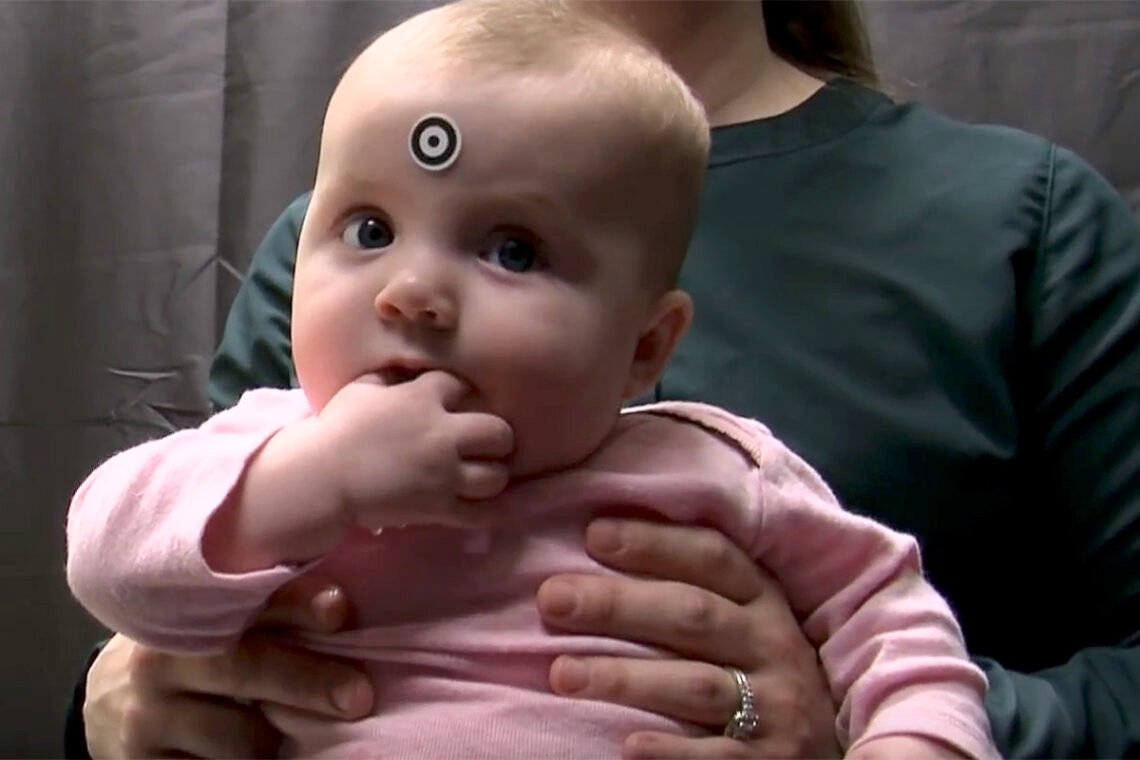
    The team used an infrared eye-tracker to follow each infant’s gaze during several laboratory trials. With the infant sitting on a caregiver’s lap, researchers first familiarized the child with two identical images of a face. After the infant learned to recognize the face, the researchers showed that same face paired with an unfamiliar one.

    “In repeated trials, half of the 244 infants tested saw one set of faces as familiar, and half learned to recognize a different set of faces as familiar,” Schantz said. “By analyzing the time spent looking at the faces, we could determine both the speed with which the infants processed new information and assess their ability to pay attention.”

    The assessment linked pregnant women’s exposure to most of the phthalates that were assessed with slower information processing in their infants, but the outcome depended on the specific chemical, the sex of the infant and which set of faces the infant viewed as familiar. Male infants, in particular, tended to process information more slowly if their mothers had been exposed to higher concentrations of phthalates known to interfere with androgenic hormones.

    The specific characteristics of faces presented to the infants in the familiarization trials also appeared to play a role in the outcome, the researchers reported. Phthalate-exposed children who were first familiarized with faces from Set 2 were more likely to experience slower processing speed than those familiarized with faces from Set 1. The finding is perplexing, Schantz said, but is likely related to differences in the infants’ preferences for the faces in the two sets. It also may be an indication that familiarization with the Set 2 faces is a more sensitive detector of changes in processing speed related to phthalate exposure.

     “Most previous studies of the relationship between prenatal exposure to phthalates and cognition have focused on early and middle childhood,” Schantz said. “This new work suggests that some of these associations can be detected much earlier in a child’s life.”

    The U.S. Environmental Protection Agency, the National Institute of Environmental Health Sciences, the National Institutes of Health  ECHO Program supported this research.

    Editor’s notes: 
    IKIDS is a research partnership with Carle Foundation Hospital, Christie Clinic, OSF HealthCare, the U. of I., and Brigham and Women’s Hospital/Harvard Medical School.

    To reach Susan Schantz, email schantz@illinois.edu.
    The paper “Associations of prenatal exposure to phthalates with measures of cognition in 7.5-month-old infants” is available online and from the U. of I. News Bureau.

    DOI: 10.1016/j.neuro.2021.03.001

    This article was imported from a previous version of the News Bureau website. Please email news@illinois.edu to report missing photos and/or photo credits.

  • Preterm Birth, Prolonged Labor Influenced by Progesterone Balance

    Preterm Birth, Prolonged Labor Influenced by Progesterone Balance

    New research by the National Institutes of Health found that unbalanced progesterone signals may cause some pregnant women to experience preterm labor or prolonged labor. The study in mice — published online in the Proceedings of the National Academy of Sciences — provides novel insights for developing treatments.

    During pregnancy, the hormone progesterone helps to prevent the uterus from contracting and going into labor prematurely. This occurs through molecular signaling involving progesterone receptor types A and B, referred to as PGR-A and PGR-B. In this first-of-its-kind study, the scientists showed how unbalanced PGR-A and PGR-B signaling can affect pregnancy duration.

    “We used genetically engineered mouse models to alter the ratio of PGR-A and PGR-B in the muscle compartment of the uterus, called the myometrium,” said senior author Francesco DeMayo, Ph.D., head of the National Institute of Environmental Health Sciences Reproductive and Developmental Biology Laboratory. “Our team found that PGR-A promotes muscle contraction and PGR-B prevents such contraction, and we identified the biological pathways influenced by both forms.”

    Previous research showed that PGR-A regulates processes involved in initiating childbirth and that PGR-B affects molecular pathways related to maintaining the normal course of pregnancy. This study builds on those findings, revealing that the relative abundance of PGR-A and PGR-B may be critical in promoting healthy pregnancy. The public health implications are significant.

    Preterm birth affects 10% of all pregnancies and is the primary cause of neonatal morbidity and mortality worldwide, while prolonged labor increases the risks of infection, uterine rupture, and neonatal distress, according to the researchers.

    The scientists pointed out that care for preterm deliveries can result in high social and economic costs, with infants born preterm at greater risk for experiencing disorders ranging from blindness to cerebral palsy. Prolonged labor can harm both mother and infant and lead to cesarean delivery.

    Progesterone treatment aimed at preventing premature labor can help a subset of patients, but for other individuals, confounding factors may reduce effectiveness, noted Steve Wu, Ph.D., first author on the study and a staff scientist in DeMayo’s lab. Wu said that the research team found novel molecules that control uterine muscle contraction, and they could serve as future therapeutic targets. He added that the current study also may help to advance treatment for labor dystocia — the clinical name for abnormally slow or protracted labor.

    “Although labor stimulation by oxytocin infusion is an approved measure to mitigate labor dystocia, serious side effects have been associated with this treatment,” said Wu. “Novel proteins that we identified as being part of progesterone signaling could serve as a key molecular switch of uterine contraction, through drug-dependent regulation of their activities,” he explained.

    “Hormone signaling in pregnancy is complicated and involves both the hormone levels and the types of receptors in the uterus that sense the hormones,” said co-first author Mary Peavey, M.D., from the department of obstetrics and gynecology at the University of North Carolina at Chapel Hill. “This publication sheds light on how hormones influence labor and can thus be used to help women when the uterus goes into labor too soon or for a prolonged period.”

    Grants: 
    1ZIAES103311 
    R01HD042311

    Reference: Peavey MC, Wu SP, Li R, Liu J, Emery OM, Wang Tianjuan, Zhou Lecong, Wetendorff M, Yallampalli C, Gibbons WE, Lydon JP, DeMayo FJ. 2021. Progesterone receptor isoform B regulates the Oxtr-Plcl2-Trpc3 pathway to suppress uterine contractility. Proc Natl Acad Sci USA: doi: 10.1073/pnas.2011643118 [Online 11 March 2021].


  • Study of Mosquito Protein Could Lead to Treatments Against Life-threatening Viruses

    Study of Mosquito Protein Could Lead to Treatments Against Life-threatening Viruses

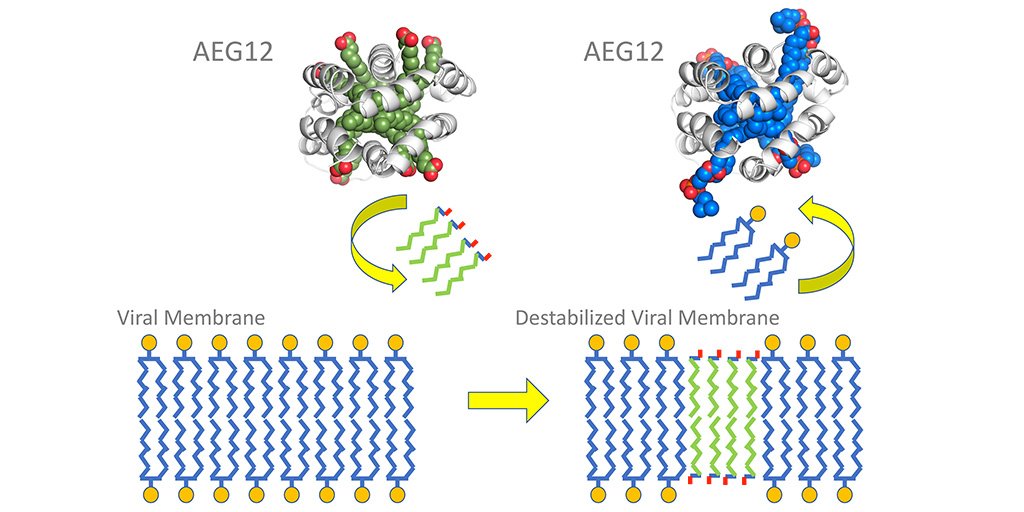
    The mosquito protein AEG12 strongly inhibits the family of viruses that cause yellow fever, dengue, West Nile, and Zika and weakly inhibits coronaviruses, according to scientists at the National Institutes of Health (NIH) and their collaborators. The researchers found that AEG12 works by destabilizing the viral envelope, breaking its protective covering. Although the protein does not affect viruses that do not have an envelope, such as those that cause pink eye and bladder infections, the findings could lead to therapeutics against viruses that affect millions of people around the world. The research was published online in PNAS.

    Scientists at the National Institute of Environmental Health Sciences (NIEHS), part of NIH, used X-ray crystallography to solve the structure of AEG12. Senior author Geoffrey Mueller, Ph.D., head of the NIEHS Nuclear Magnetic Resonance Group, said at the molecular level, AEG12 rips out the lipids, or the fat-like portions of the membrane that hold the virus together.

    “It is as if AEG12 is hungry for the lipids that are in the virus membrane, so it gets rid of some of the lipids it has and exchanges them for the ones it really prefers,” Mueller said. “The protein has high affinity for viral lipids and steals them from the virus.”

    As a result, Mueller says the AEG12 protein has great killing power over some viruses. While the researchers demonstrated that AEG12 was most effective against flaviviruses, the family of viruses to which Zika, West Nile, and others belong, it is possible AEG12 could be effective against SARS-CoV-2, the coronavirus that causes COVID-19. But, Mueller said it will take years of bioengineering to make AEG12 a viable therapy for COVID-19. Part of the problem is AEG12 also breaks opens red blood cells, so researchers will have to identify compounds that will make the protein target viruses only.

    Alexander Foo, Ph.D., an NIEHS visiting fellow and lead author of the paper, explained that mosquitoes produce AEG12 when they take a blood meal or become infected with flaviviruses. Like humans, mosquitoes mount a vigorous immune response against these viruses, with AEG12 bursting their viral covering. But, at the beginning of the project, Foo and his colleagues knew little about the function of AEG12.

    “The prospect of studying a new protein is exciting, yet daunting,” Foo said. “Thankfully, we had enough clues and access to a wide range of expertise at NIEHS to piece it together.”

    Co-author and crystallography expert Lars Pedersen, Ph.D., is leader of the NIEHS Structure Function Group. He routinely uses information about a molecule’s physical makeup in his work and encourages more scientists to consider using this data in their studies. He said, “Our research shows that understanding the structure of a protein can be important in figuring out what it does and how it could help treat disease.”

    Grants: 
    Z01ES043010 
    ZICES102506 
    ZIAES102645

    Reference: Reference: Foo ACY, Thompson PM, Chen S-H, Jadi R, Lupo B, DeRose EF, Arora S, Placentra VC, Premkumar L, Perera L, Pedersen LC, Martin N, Mueller GA. 2021. The mosquito protein AEG12 displays both cytolytic and antiviral properties via a common lipid transfer mechanism. Proc Natl Acad Sci U S A: doi: 10.1073/pnas.2019251118 [Online 9 March 2021].


  • Workplace Chemical Exposure Study Leads to Small Business COVID-19 Awareness Campaign


    We respectfully acknowledge the University of Arizona is on the land and territories of Indigenous peoples. Today, Arizona is home to 22 federally recognized tribes, with Tucson being home to the O’odham and the Yaqui. The university strives to build sustainable relationships with sovereign Native Nations and Indigenous communities through education offerings, partnerships, and community service.


    University Information Security and Privacy

    © 2026 The Arizona Board of Regents on behalf of The University of Arizona.

  • NIH Study Shows Hyaluronan Is Effective in Treating Chronic Lung Disease

    NIH Study Shows Hyaluronan Is Effective in Treating Chronic Lung Disease

    Researchers at the National Institutes of Health and their collaborators found that inhaling unfragmented hyaluronan improves lung function in patients suffering from severe exacerbation of chronic obstructive pulmonary disease (COPD). Hyaluronan, a sugar secreted by living tissue that acts as a scaffold for cells, is also used in cosmetics as a skin moisturizer and as a nasal spray to moisturize lung airways. Utilized as a treatment, hyaluronan shortened the amount of time COPD patients in intensive care needed breathing support, decreased their number of days in the hospital, and saved money by reducing their hospital stay.

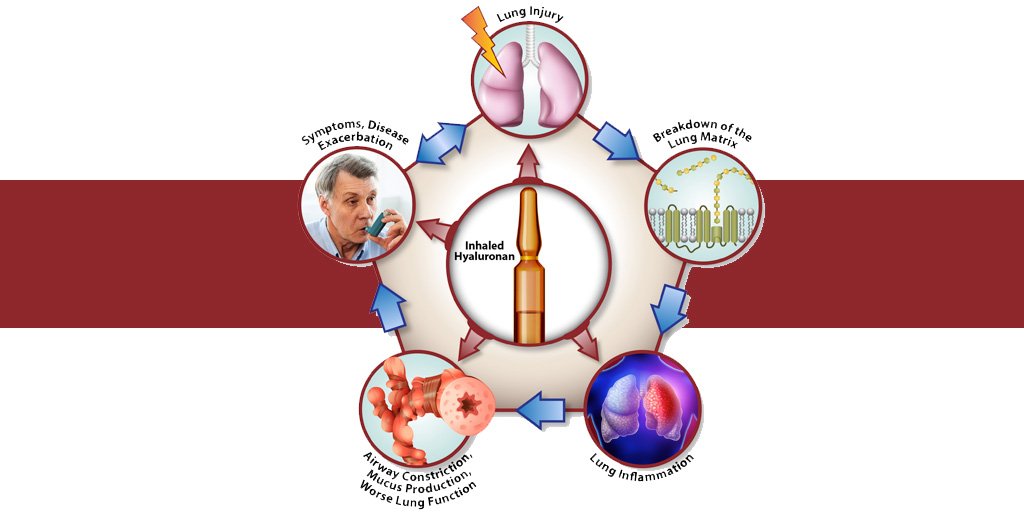
    The study, published online in Respiratory Research, is a good example of how examining the impacts of environmental pollution on the lungs can lead to viable treatments. Several years ago, co-senior author Stavros Garantziotis, M.D., medical director of the Clinical Research Unit at the National Institute of Environmental Health Sciences (NIEHS), part of NIH, showed that exposure to pollution causes hyaluronan in the lungs to break down into smaller fragments. These fragments irritate lung tissue and activate the immune system, leading to constriction and inflammation of the airways. He determined that inhalation of healthy, unfragmented hyaluronan reduces inflammation by outcompeting the smaller hyaluronan fragments.

    Garantziotis offered an analogy for how the inflammation occurs. He said hyaluronan surrounds cells like mortar surrounds bricks. Introducing pollution causes cracks in the mortar, breaking it into smaller chunks.

    “These smaller chunks irritate the body and activate the immune system, leading to inflammation,” Garantziotis said. “Reintroducing the full-length hyaluronan, like a fresh coat of mortar, means it is less irritating and reduces the amount of inflammation.”

    Since hyaluronan was approved in Italy for airway moisturization, Garantziotis worked with colleagues in Rome to see if inhalation of full-size hyaluronan could improve lung function in critically ill COPD patients. He explained that the patients were using a breathing apparatus similar to a continuous positive airway pressure (CPAP) machine to treat their acute exacerbation of COPD. This apparatus provided breathing support by blowing air into the airways through a mask.

    “Inhaled hyaluronan qualifies as a stimulating aid for patients with exacerbated COPD, as it is safe and easy to administer,” said co-senior author Raffaele Incalzi, M.D., Department of Medicine, Campus Bio-Medico University and Teaching Hospital, Rome. “Furthermore, it acts locally, only in the bronchial tree, and, thus, cannot interfere with any systemic drug.”

    Garantziotis also wanted to know what was producing airway constriction in the lungs of COPD patients. He theorized that thick mucus may be involved. Collaborating with scientists at the University of Alabama at Birmingham (UAB), they grew airway cells from emphysema patients in culture and looked at how mucus moved in the cells. They saw that mucus flowed more easily after administering hyaluronan.

    Co-author Steven Rowe, M.D., director of the Gregory Fleming James Cystic Fibrosis Research Center at UAB, said if patients with severe COPD took hyaluronan, the treatment would improve mucus transport and aid their recovery.

    Current treatments for lung disease include inhaled steroids, antibiotics, and bronchodilators, so using a molecule that is already found in the body is a new concept. The goal now for Garantziotis is to study this treatment in more patients in the U.S., so he can understand the optimal conditions and dosing that will produce the most benefit.

    Grants: 
    Z01ES102605 
    Z01ES102465 
    R35HL135816 
    P30DK072482

    Reference: Reference: Galdi F, Pedone C, McGee CA, George M, Rice AB, Hussain SS, Vijaykumar K, Boitet ER, Tearney GJ, McGrath JA, Brown AR, Rowe SM, Incalzi RA, Garantziotis S. 2021. Inhaled high molecular weight hyaluronan ameliorates respiratory failure in acute COPD exacerbation: a pilot study. Respir Res: doi: 10.1186/s12931-020-01610-x [Online 1 February 2021].


  • NIH to Support Radical Approaches to Nationwide COVID-19 Testing and Surveillance

    NIH to Support Radical Approaches to Nationwide COVID-19 Testing and Surveillance

    Monday, December 21, 2020

    NIH to support radical approaches to nationwide COVID-19 testing and surveillance

    The National Institutes of Health has awarded over $107 million to support new, non-traditional approaches and reimagined uses of existing tools to address gaps in COVID-19 testing and surveillance. The program also will develop platforms that can be deployed in future outbreaks of COVID-19 and other infectious diseases. A part of the Rapid Acceleration of Diagnostics (RADx) initiative, the awards from the RADx Radical (RADx-rad) program will support 49 research projects and grant supplements at 43 institutions across the United States. It will focus on non-traditional viral screening approaches, such as biological or physiological markers, new analytical platforms with novel chemistries or engineering, rapid detection strategies, point-of-care devices, and home-based testing technologies.

    “To solve a problem as complicated as COVID-19, we need ideas, tools, and technologies that challenge the way we think about pandemic control,” said NIH Director Francis S. Collins, M.D., Ph.D. “These awards from the RADx-rad program provide superb examples of outside-the-box concepts that will help us overcome this pandemic and give us a cadre of devices and tactics to confront future outbreaks.”

    The grants will support new approaches to identifying and tracking the current SARS-CoV-2 virus, which causes COVID-19. Examples of these projects include:

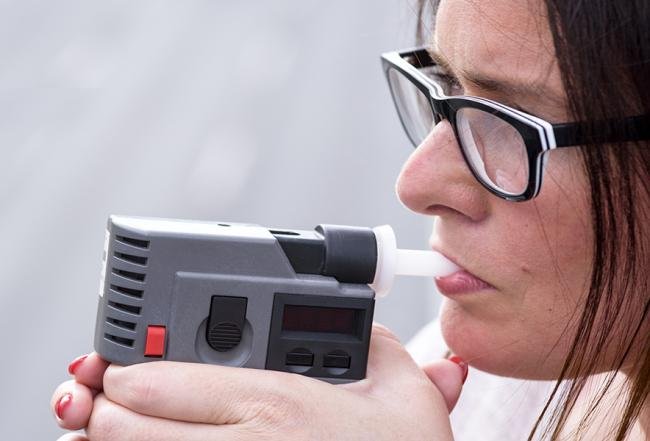
    • Development of an electrochemical biosensor in two detection devices, a diagnostic breathalyzer for instant detection of SARS-CoV-2, and an airborne detector for real-time, continuous surveillance of a large space.
    • Development of novel, safe and effective biosensing and detection technologies to spot signatures of COVID-19 from human skin or mouth.
    • Development of an innovative platform that integrates biosensing with touchscreen or other digital devices to achieve automatic, early detection and tracing of SARS-CoV-2 in real-time.
    • Development of a novel test to independently assess smell and taste function in individuals who are at high risk for contracting COVID-19.
    • Development of wastewater technologies and data collection methods for detecting and estimating SARS-CoV-2 community infection levels, which can offer advanced knowledge of community spread and allow for targeted public health protection measures.
    • Implementation of devices with integrated artificial intelligent systems for the detection, diagnosis, prediction, prognosis and monitoring of COVID-19 in clinical, community and everyday settings.
    • Characterization of the spectrum of SARS CoV-2 associated illness, including the multisystem inflammatory syndrome in children (MIS-C).
    • Development of biomarkers and biosignatures for an algorithm utilizing artificial intelligence to predict the long-term risk of disease severity after a child is exposed to SARS-CoV-2.

    Additionally, two intramural projects were supported by this initiative: a $1 million award to the National Institute of Environmental Health Sciences for developing barcoded screening of SARS-CoV-2; and a $200,000 award to the National Library of Medicine (NLM) for a Nationwide Early-Warning System and Data Platform to aid policy decisions for public health management of viral diseases with COVID-19 as a use case.

    RADx-rad grants and supplements are supported by 11 NIH institutes and centers, including the National Center for Advancing Translational Sciences, the National Institute of Dental and Craniofacial Research, the National Heart, Lung, and Blood Institute, the National Institute on Drug Abuse, the National Institute on Alcohol Abuse and Alcoholism, the Eunice Kennedy Shriver National Institute of Child Health and Human Development, the National Institute on Deafness and Other Communication Disorders, the National Institute of Diabetes and Digestive and Kidney Diseases, the National Institute on Minority Health and Health Disparities, the National Institute of Nursing Research, and NLM.

    About the Rapid Acceleration of Diagnostics (RADxSM) initiative: The RADx initiative was launched on April 29, 2020, to speed innovation in the development, commercialization and implementation of technologies for COVID-19 testing. The initiative has four programs: RADx Tech, RADx Advanced Technology Platforms, RADx Underserved Populations and RADx Radical. It leverages the existing NIH Point-of-Care Technology Research Network. The RADx initiative partners with federal agencies, including the Office of the Assistant Secretary of Health, Department of Defense, the Biomedical Advanced Research and Development Authority, and U.S. Food and Drug Administration. Learn more about the RADx initiative and its programs: https://www.nih.gov/radx.

    About the National Institutes of Health (NIH): NIH, the nation’s medical research agency, includes 27 Institutes and Centers and is a component of the U.S. Department of Health and Human Services. NIH is the primary federal agency conducting and supporting basic, clinical, and translational medical research, and is investigating the causes, treatments, and cures for both common and rare diseases. For more information about NIH and its programs, visit www.nih.gov.

    NIH…Turning Discovery Into Health®

    Institute/Center

    Contact

  • Injectable Birth Control May Increase Blood Lead Levels in African American Women

    Injectable Birth Control May Increase Blood Lead Levels in African American Women

    Injectable birth control may increase blood lead levels in African American women
  • The Autoimmune Registry Releases First Complete List of Autoimmune Diseases With Prevalence Statistics, Disease Subtypes, and Disease Profiles

    The Autoimmune Registry Releases First Complete List of Autoimmune Diseases With Prevalence Statistics, Disease Subtypes, and Disease Profiles

    NEW YORK, Nov. 18, 2020 /PRNewswire/ — The Autoimmune Registry Inc (ARI) has published its first comprehensive List of Autoimmune Diseases. It includes over 150 diseases, 40 subtypes, and 60 synonyms. ARI created the list to provide patients and researchers easy access to the latest literature and information about autoimmune disease.  ARI’s list is searchable and filterable, with links to peer-reviewed research, patient groups, and other resources.

    Between 15 and 30 million people in the United States suffer from autoimmune disease, making it the nation’s largest class of illness, often affecting women between 20 and 40 years old. In comparison, cancer affects about 15.8 million people according to the National Cancer Registry.

    “I have long hoped that a national registry of autoimmune diseases would be established so that we can examine changes over time, define geographic hotspots, and eventually understand what is causing them,” said Frederick Miller, M.D., Ph.D., deputy chief of the Clinical Research Branch at the National Institute of Environmental Health Sciences, part of the National Institutes of Health. “This list of diseases provides peer-reviewed prevalence statistics that can help patients, researchers, and doctors understand the impact these diseases have.”  Dr. Miller is one of ARI’s scientific advisors.

    “Our research found over 150 diseases that come under the ‘autoimmune’ umbrella, including many rare diseases, and some diseases only suspected of being autoimmune,” said Aaron Abend, Executive Director of ARI.  “We believe this list helps people understand the commonalities among these diseases and can accelerate advances in prevention, diagnosis, and treatment.”

    The list demonstrates that autoimmune diseases can affect every part of the human body – including skin, blood vessels, nerves, and the digestive system. The list includes well-known diseases like lupus, rheumatoid arthritis, celiac disease, multiple sclerosis, and type 1 diabetes. There are also dozens of rare diseases like hemolytic anemia, myasthenia gravis, and vasculitis. ARI’s Diagnostic Journeys illustrate how patients often suffer from more than one autoimmune disease.

    Researchers can request the list with codes from the Systematized Nomenclature Of Medicine (SNOMED).

    Patients are encouraged to enroll in the Autoimmune Registry, which maintains data privacy while providing participants with news on the latest research, treatments, and clinical trials.

    About ARI

    Autoimmune Registry, Inc. is a Connecticut-based 501(c)(3) non-profit founded in 2016 as a hub for research, statistics, and patient data on all autoimmune diseases.  More at www.autoimmuneregistry.org.  

    SOURCE Autoimmune Registry

    Related Links

    https://www.autoimmuneregistry.org