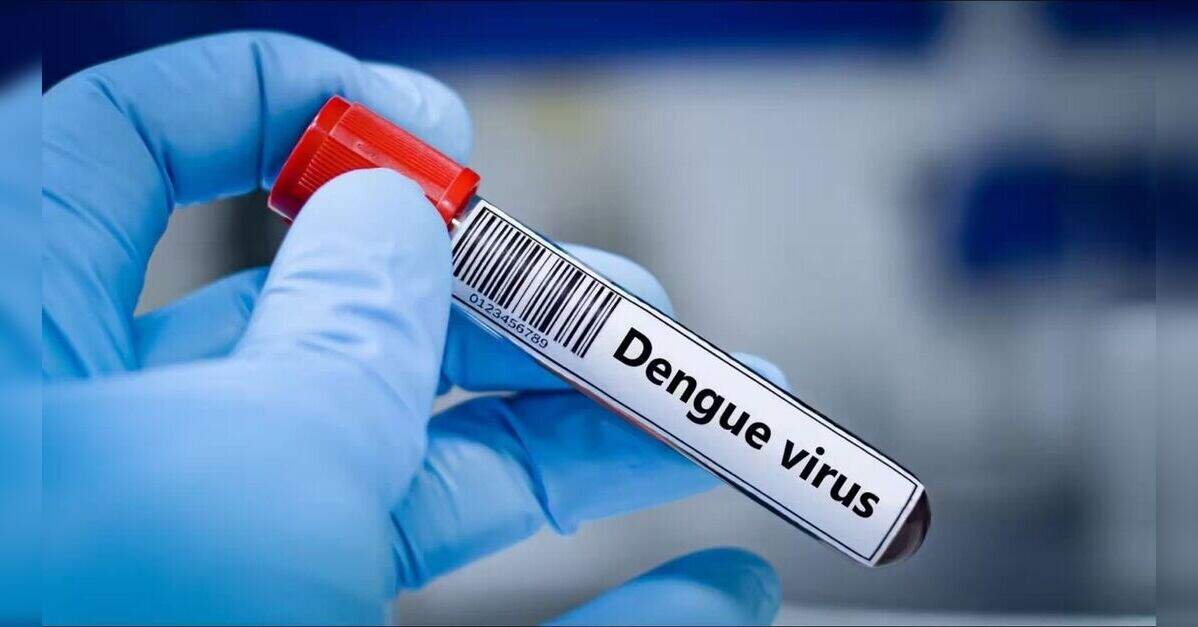
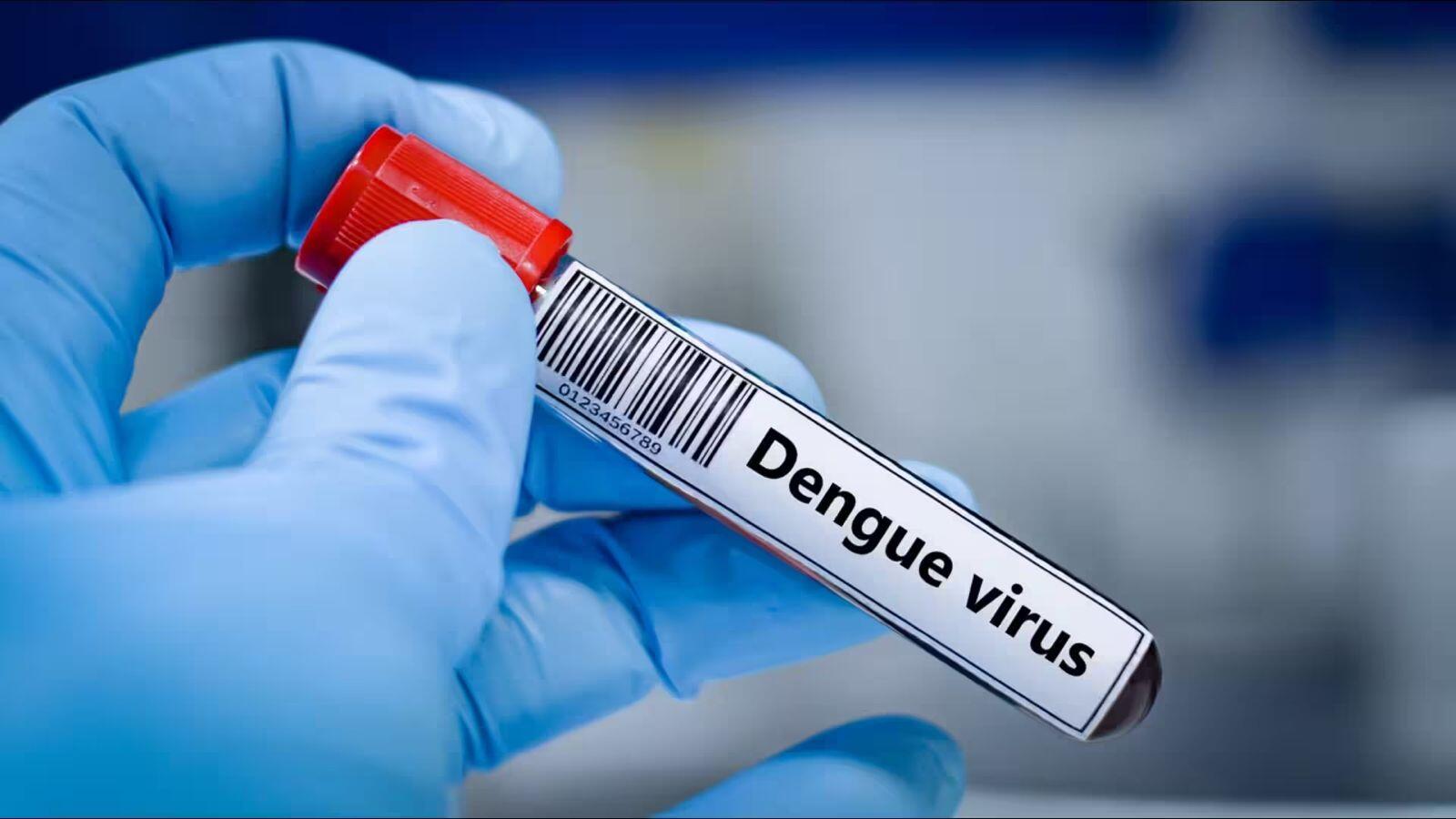
New Delhi: Delhi has recorded 799 dengue cases and 294 malaria cases so far this year, with infections rising as the mosquito-borne disease season continues, according to an MCD report.
In the first week of October, Delhi reported 98 dengue cases and 23 malaria cases, while the second week saw 104 dengue cases and 28 malaria cases, according to the Municipal Corporation of Delhi (MCD) report for the week ending October 10. The city also recorded three chikungunya cases during the week.
The report said 202 dengue cases and 51 malaria cases were recorded till October 10.
The weekly report said Delhi recorded 32 chikungunya cases this year, compared with 91 in 2025 and 69 in 2024.
As part of its mosquito-control measures, the civic body has carried out more than 29 lakh house inspections for mosquito breeding this year and sprayed nearly 3.5 lakh houses, the report said.
During the inspections, around 1.98 lakh houses were found positive for mosquito breeding, while 1.37 lakh legal notices were issued for conditions conducive to mosquito breeding.
The civic body has also launched 23,829 prosecutions and imposed 15,656 penalties, according to the report.
No loss of life has taken place due to dengue or malaria so far this year, the data showed.
Privately held Proscia develops software that converts pathology slides into digital images that can be stored, reviewed and analyzed using artificial intelligence tools
Agilent said the acquisition would strengthen its pathology business and expand its presence in digital and AI-enabled diagnostics
The deal would provide Agilent access to a high-growth software business that generated more than $18 million in revenue over the past 12 months
The companies have worked together since 2022, when they entered a multi-year distribution agreement to offer a digital pathology system combining Agilent’s pathology products with Proscia’s software
The deal is expected to close early in Agilent’s fiscal 2027.
Amaravati, Andhra Pradesh Health Minister Satya Kumar Yadav on Tuesday said the government would set up 22 additional dialysis centres under the PMNDP, taking the total to 83.
The new centres are being planned based on patients’ needs and requests from public representatives, with the government prioritising affordable healthcare for poor families, the minister said.
“The government will establish 22 additional dialysis centres under the Pradhan Mantri National Dialysis Programme, taking the total to 83 to improve access to free treatment for kidney patients,” Yadav said in a press release.
Currently, 61 centres are functioning in the state under the PMNDP, while another 170 operate under the NTR Vaidya Seva Trust.
The government spent Rs 197.8 crore on free dialysis services under the two schemes in 2025-26. Services worth Rs 90.09 crore have been provided to poor patients so far in 2026-27, the release said.
Before 2019, Andhra Pradesh had established 28 centres under the PMNDP, while another 19 became operational between 2019 and 2024. Since 2024-25, 14 additional centres have been established, with 22 more now planned.
Some proposed centres had been delayed for various reasons, including court proceedings. Yadav directed officials to ensure that all 22 centres become operational as soon as possible.
The government would spend Rs 999 per dialysis session, compared with Rs 3,000 to Rs 4,000 charged by private and corporate hospitals. The frequency of dialysis varies according to a patient’s medical condition and treatment requirements.
The new centres will be established at Bhimavaram Area Hospital in West Godavari district, Pileru Area Hospital in Chittoor district, Jammalamadugu Area Hospital and Mydukur Community Health Centre in YSR Kadapa district.
In Krishna district, centres will come up at Gannavaram Community Hospital and Gudivada Area Hospital. Venkatagiri and Udayagiri Community Health Centres in Nellore district will also receive the facilities.
Addanki and Repalle Community Health Centres in Bapatla district, and Railway Koduru and Satyavedu Community Health Centres in Tirupati district, have also been identified for the new centres.
Other locations include Kondapi in Prakasam district, Kovvur in East Godavari district, Nandigama in NTR district, Vinukonda Community Health Centre and Sattenapalli Area Hospital in Palnadu district, and Bobbili Community Health Centre in Vizianagaram district.
In Nandyal district, centres will be established at Done Area Hospital and Sunnipenta Community Health Centre. Penukonda Community Health Centre and Madakasira Area Hospital in Sri Sathya Sai district will also receive the new facilities.
Each centre will have five dialysis machines, at an estimated cost of Rs 85 lakh, and will be able to conduct 15 sessions a day. The facilities are expected to reduce patients’ travel and related expenses.
The annual expenditure on services provided through the new centres is estimated at around Rs 11 crore. Currently, 754 machines are functioning across the 61 centres under the PMNDP.
The government spent Rs 126.5 crore on dialysis services under the two schemes in 2024-25, with expenditure increasing to Rs 197.8 crore in 2025-26. Spending so far in 2026-27 stands at Rs 90.09 crore.
Under the NTR Vaidya Seva Trust, 21 dialysis centres operate in the government sector and 149 in the private and corporate sectors, according to the press release.
About 2.2 lakh new cases of end-stage renal disease (ESRD) are reported in India every year, creating an additional demand for 3.4 crore dialysis sessions annually. The high cost of treatment places a severe financial burden on affected families.
To improve access to affordable renal care, the Union Ministry of Health and Family Welfare launched the Pradhan Mantri National Dialysis Programme under the National Health Mission in the 2016-17 Union Budget.
The programme provides dialysis services to below-the-poverty-line (BPL) patients at district hospitals through a public-private partnership (PPP) model.
The US CDC said on Tuesday it would deploy additional support to Pennsylvania to help investigate the ongoing measles outbreak, as the state formally requested federal assistance through the agency’s Epi-Aid emergency response program.
Pennsylvania health officials have reported 1,136 measles cases and five deaths linked to the outbreak this year as of October 9. The Centers for Disease Control and Prevention has reported two measles-associated deaths nationwide in 2026, as of October 8.
The differing death counts have fueled a public dispute between Pennsylvania Governor Josh Shapiro and US Health Secretary Robert F. Kennedy Jr., whose department oversees the CDC, over how measles-associated deaths should be defined and counted.
The agency said in a statement it would work with local health officials to investigate the outbreak, strengthen response efforts and prevent spread.
“Texas, South Carolina, Virginia, Kansas, New Mexico, and Wisconsin requested CDC Epi-Aids and worked alongside federal teams to help bring their outbreaks rapidly and successfully under control,” the agency said.
The number of confirmed Ebola cases in the Democratic Republic of Congo has risen above 9,000, government data showed on Tuesday, as responders struggle to slow transmission in multiple hotspots.
The latest situation report from Congo’s public health institute put the number of cases at 9,066 and deaths at 4,381.
The outbreak, caused by the Bundibugyo strain of Ebola, was declared in May and has become the largest and deadliest in Congo’s history, overtaking the 2018-2020 epidemic. The strain currently has no approved vaccines or treatments.
Globally it is second only to the 2014-2016 West African outbreak, which infected over 28,600 people and killed more than 11,000 across Guinea, Liberia and Sierra Leone, according to the World Health Organization.
The current outbreak has also affected other countries.
Uganda reported 20 cases and two deaths earlier in the year but was declared Ebola-free in August.
Last week Kenya confirmed its first imported case, a Kenyan national who had travelled from Congo via Uganda and died in Nairobi.
Blood pressure is typically taken with a cuff wrapped around the arm, providing a reading in one moment in time. These fleeting snapshots may not always reflect a person’s average blood pressure, and even simple factors like the stress of being at a doctor’s appointment can drive up the numbers. Continuous monitoring offers a broader picture, but many wearable devices still require calibration with a standard blood pressure cuff reading – until now.
Happy Health’s new smart ring – the Happy Ring – is designed to measure blood pressure continuously, without a cuff or invasive device, and without the requirement for external calibration that many other wearable blood pressure devices require. The Austin, Texas-based digital health company announced last week that Happy Ring’s blood pressure measurement capabilities have received FDA clearance and is available for consumers to buy directly or access via referral from their own doctor or a physician from Happy Health’s network. The company claims it is the first BP-measurement device requiring no external calibration. The blood pressure monitoring capability is an add-on feature to the Happy Ring, which is primarily used to track sleep.
The company raised $75 million in August 2026 from ARCH Venture Partners and OpenLoop to build out its platform for home-based care. Their devices focus on assessing sleep quality and other health measurements, providing both patients and physicians data that can help support medical care.
“This is blood pressure’s CGM moment,” said Dustin Freckleton, MD, founder and CEO of Happy Health in a news release last week, referring to continuous glucose monitoring devices for patients with diabetes. “High blood pressure is the most prevalent and modifiable risk factor for heart disease, stroke, dementia and all-cause mortality, which makes seeing it in real life incredibly powerful. Just as CGMs freed glucose monitoring from the finger stick, we’ve freed blood pressure from the cuff, turning an occasional measurement into a passive signal that can reveal risk throughout everyday life, including overnight.”
The ring combines two technologies to provide its cuffless, continuous blood pressure measurements: photoplethysmography (PPG) and bioimpedance. PPG is an optical sensing method in which various wavelengths of light measure how blood volume changes with each heartbeat. Bioimpedance uses an electrical signal to measure the properties of the surrounding tissue, which helps to determine how much blood is present.
Freckleton explained that, “We then use physics-based models of how blood vessels expand and contract to translate those measurements into an absolute blood pressure in mmHg. Because factors like hydration, temperature, medication, vascular tone, etc. can influence these signals, the system also evaluates the physiological state in which each measurement is taken. If those conditions fall outside the ranges we’ve validated, the ring can withhold the measurement rather than report a blood pressure that may not be reliable. This is what allows the Happy Ring to measure blood pressure without an inflatable cuff and, importantly, without requiring a cuff measurement for calibration.”
Happy Health is not the only company with a cuffless BP device. Biobeat, which makes the Biobeat chest patch, offers 24-hour, cuffless, ambulatory blood pressure monitoring combined with a mobile app and automated physician report. However, unlike Happy Health’s device which does not require calibration against a traditional cuff measurement, Biobeat’s does.
Happy Health validated its technology against invasive arterial line measurements, which is the clinical standard for continuous blood pressure measurements. They also tested the device in people with varying BMIs, skin tones, and health conditions, as these variables can also impact blood pressure readings. The company claims that the mean difference was less than 1 mmHg for both systolic and diastolic blood pressure.
Freckleton discussed the clinical implications of being able to monitor blood pressure continuously, particularly overnight.
“Sleep apnea is a good example of what that additional context can reveal. It can repeatedly stress the cardiovascular system overnight and contribute to hypertension,” he said. “When a physician can see blood pressure alongside what is happening with a patient’s sleep and breathing, they can begin to understand those relationships rather than looking at each measurement in isolation.”
For Happy Health, the longer-term challenge is establishing how continuous blood pressure measurements should inform diagnosis and treatment. Translating those patterns into clinical decisions will require further evidence, but for now, Freckleton is hopeful that the device will help patients to smoothly integrate at-home blood pressure monitoring into their routine.
“Our vision is much simpler: put on a ring when you go to bed, take it off when you wake up, and automatically get the health measurements that matter to you and your doctor without having to remember to measure anything,” he said. Instead of asking patients to become better at monitoring their blood pressure, we can make the monitoring fit naturally into their lives.”
For Roche to catch up to Eli Lilly and Novo in metabolic medicines, it needs its drugs to offer differentiation from those rivals. Roche might have just found a way, agreeing to pay $100 million to license a contender that brings a different modality to a new obesity target.
The drug comes from Shanghai-based Rona Therapeutics. According to deal terms announced Tuesday, Roche gains global rights to the molecule, whose name was not disclosed. It’s the latest in a series of Roche business deals to build up the company’s metabolic drug pipeline.
Formed in 2021, Rona develops RNA interference (RNAi) drugs, an approach that uses small interfering RNA (siRNA) to degrade messenger RNA, interfering with the translation of a disease-driving protein. This approach is sometimes called “gene silencing.” RNAi drugs first reached patients as treatments for liver disorders, but the field has been working to expand the modality beyond the liver. Roche’s new drug comes from a Rona platform technology that enables extrahepatic drug delivery. Rona also claims its therapies offer the potential to be best in class with longer duration, deep knockdown of target proteins, and improved tolerability.
The Rona pipeline lists two obesity drug, both in preclinical development for undisclosed targets. The target of Roche’s newly licensed drug is activin receptor-like kinase 7 (ALK7), a protein that is primarily expressed in fat cells. ALK7 plays a role in a signaling pathway that regulates fat storage, the breakdown of stored fats, and the balance of the intake and expenditure of energy.
Rona points to genetic studies showing that reducing ALK7 activity is associated with favorable results in fat distribution and metabolic measures. Unlike the currently available peptide drugs designed to mimic gut hormones to affect appetite and energy intake, Ronas say ALK7 inhibition acts directly on the biology of fat tissue. This different approach offers the potential for use as a standalone treatment or in combination with established obesity drugs.
“Obesity represents a significant health challenge that requires differentiated treatment options for patients,” Boris Zaïtra, Roche head of corporate business development, said in a prepared statement. “We are excited to partner with Rona Therapeutics, complementing our robust [cardiovascular, renal & metabolic disease] pipeline and reinforcing our commitment to delivering next-generation metabolic therapies.”
With the Rona drug, Roche joins a growing group of companies testing siRNA therapies in obesity. Wave Life Sciences’ siRNA drug WVE-007 goes after a different but related target. It’s designed to silence INHBE, the gene that provides the instructions for activin E, a liver-secreted protein that activates ALK7. Wave has said WVE-007 is intended to stimulate the breakdown of fat while preserving muscle. Late last year, Wave announced preliminary Phase 1 results that it said support once- or twice-yearly dosing. Last month, the company began a Phase 2a study testing WVE-007 in combination with the Lilly obesity drug Zepbound.
GSK joined the ALK7 chase in May, licensing rights to Suzhou Siran Biotechnology’s SA030, a long-acting siRNA in development for metabolic and vascular diseases. The deal calls for SiranBio to complete the ongoing Phase 1 study. After that, GSK will be responsible for further development of the drug outside of Greater China.
Arrowhead Pharmaceuticals has two siRNA therapies in development for obesity: the ALK7-targeting drug ARO-ALK7 and the INHBE gene-silencing therapy ARO-INHBE. Both are in Phase 1/2a testing. Meanwhile, RNAi therapies pioneer Alnylam Pharmaceuticals has an INHBE-targeting siRNA drug in preclinical development for obesity.
Biotech company iBio takes yet another approach with IBIO-610, an antibody designed to block activin E. In July, iBio reported results in monkey tests showing a single dose achieved near complete inhibition of the target protein through eight weeks. These results also showed fat loss and muscle preservation.
The $100 million that Roche agreed to pay Rona consists of an upfront and near-term milestone payments. Rona could receive up to $1.06 billion more if the drug achieves milestones, plus royalties from sales if it reaches the market.
Investment firm BlackRock will acquire a majority stake in nearly 150 senior primary care clinics owned by Humana’s senior healthcare division, CenterWell, the insurer announced Tuesday.
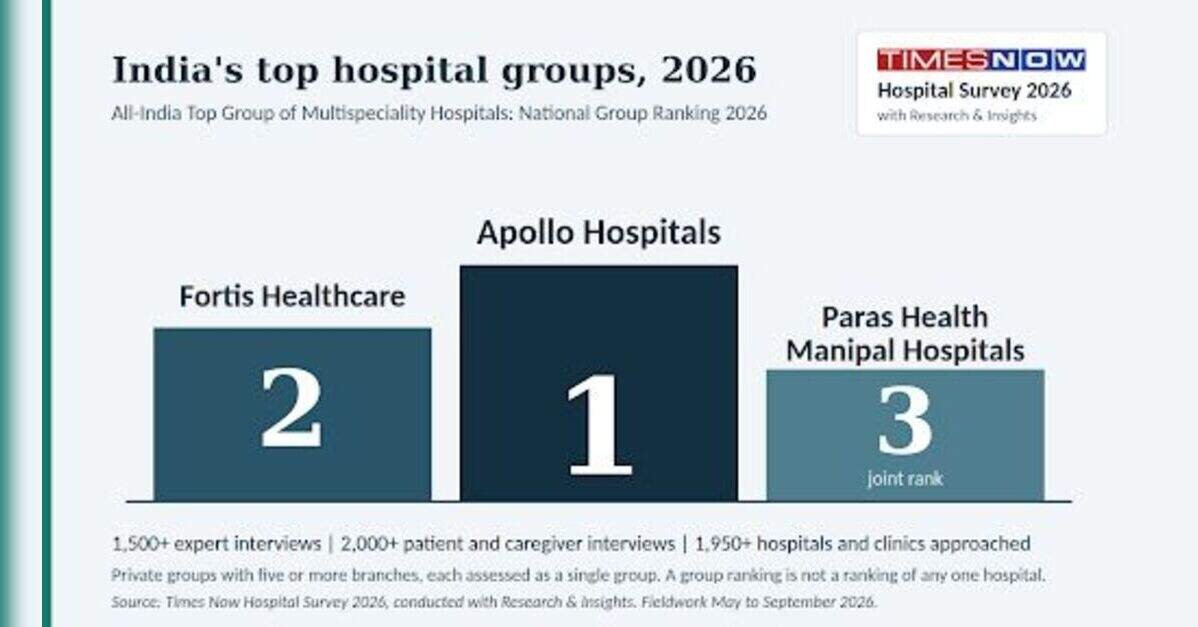
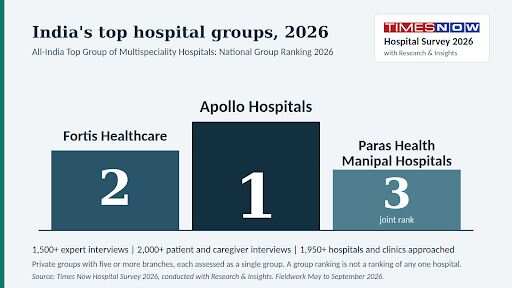
New Delhi, October 2026: Apollo Hospitals has secured the first position and Fortis Healthcare the second in the All-India Top Group of Multispeciality Hospitals – National Group Ranking 2026, conducted as part of the Times Now Hospital Survey 2026. Manipal Hospitals and Paras Health have jointly secured third place, bringing together four healthcare groups that represent different approaches to building and expanding multispeciality care in India.
Conducted by Times Now in association with research partner Research & Insights, the survey assessed private hospital groups as integrated healthcare networks rather than evaluating individual hospitals in isolation. The first results draw attention to a question facing India’s healthcare sector: how effectively can hospital groups maintain clinical capabilities, infrastructure and patient-care standards across multiple locations?
Which are India’s top hospital groups in 2026?
Source: Times Now Hospital Survey 2026, National Group Ranking.
How was the 2026 hospital group ranking calculated?
The survey was conducted between May and September 2026. Its methodology combined desk research, more than 1,500 interviews with doctors and medical specialists, more than 2,000 interviews with patients and caregivers, and fact sheets sent to more than 1,950 hospitals and clinics. The assessment combined expert and patient perceptions with factual information on clinical quality, infrastructure, human resources, accreditation, patient safety, and academic and research capability.
Only private hospital groups with at least five operational branches were eligible. Government, partly government-funded, charitable and not-for-profit hospitals were excluded. The results reflect each eligible group as a single entity and should not be read as rankings of individual campuses. The survey also allows the same rank where the statistical gap between two entities is very small, as in the joint third place.
Who made the top three in the 2026 hospital group ranking?
Figures in this section are as published by the groups on their own websites in October 2026.
Apollo Hospitals, which secured the first position, says it opened India’s first corporate hospital in 1983 and has since built a broad healthcare ecosystem spanning hospitals, pharmacies, diagnostics and primary-care clinics. The group reports more than 10,000 beds and a pharmacy network of over 4,000 outlets. Its scale reflects how organised private healthcare has moved from individual institutions to interconnected networks.
Fortis Healthcare, ranked second, reports 36 healthcare facilities across 12 states, with more than 6,000 operational beds, spanning hospitals, diagnostics and day-care specialty facilities. Its stated mission centres on clinical excellence and patient care.
Manipal Hospitals, which shares third place, traces its roots to the founding of Kasturba Medical College in 1953, with its first hospital opening in Bengaluru in 1991. The group reports 49 hospitals in more than 24 cities and over 12,600 beds, and says its network is expanding across metro and tier-II cities.
Paras Health’s joint third place brings a different dimension to the ranking: the development of advanced multispeciality care in markets where specialised treatment has often been harder to find close to home.
Which North India hospital group made the top three?
While much of India’s organised private healthcare infrastructure has historically been concentrated in the major metros, Paras Health has built a network across northern and eastern India, largely in cities beyond the largest metropolitan centres. Its eight hospitals are in Gurugram and Panchkula in Haryana, Patna and Darbhanga in Bihar, Ranchi in Jharkhand, Udaipur in Rajasthan, Kanpur in Uttar Pradesh and Srinagar in Jammu & Kashmir, a presence in five states and one Union Territory.
According to its website, Paras Health describes itself as having 20 years in healthcare, has treated more than 2.1 million patients across multiple states, and has a team of more than 2,100 doctors and nurses. Its clinical services include cardiac sciences, oncology, neurosciences, gastro sciences, orthopaedics, renal sciences, and liver transplant and GI surgery, among other specialties. The group’s Srinagar hospital marked three years in May 2026.
Why hospital groups outside the metros matter
Building a multispeciality hospital outside an established metropolitan hub takes more than physical infrastructure. Hospitals must attract and retain experienced clinicians, establish multidisciplinary teams, invest in specialised equipment, maintain quality and patient-safety systems, and develop the operational capability to support complex treatments.
These requirements can be harder to meet in Tier-II and Tier-III markets, where specialised clinical talent, supporting medical infrastructure and referral networks may differ from those in larger cities, and where providers must balance affordability against the cost of advanced services. For patients, having such services locally can reduce the need to travel to metropolitan centres for consultations, diagnostics and treatment.
Paras Health’s presence in Patna, Darbhanga, Ranchi, Kanpur, Udaipur and Srinagar illustrates an emphasis on building this capacity outside the largest markets. Manipal’s presence across metro and tier-II markets shows how established national networks are also broadening their reach. The two approaches differ in scale and geography, but both point to the growing importance of extending organised healthcare beyond traditional urban centres.
The challenge is not simply to open hospitals in more cities, but to sustain clinical capability, patient experience and quality systems across an entire network. The Times Now survey assesses groups against that institutional perspective. However, the published ranking does not provide criterion-wise scores showing that any single strategy or factor determined a group’s position. Paras Health’s joint third place should therefore be read as a national group-level outcome, with its expansion model an illustration of the wider shift towards advanced care in non-metropolitan India.
What the ranking signifies
The first release of the Times Now Hospital Survey 2026 places Apollo Hospitals, Fortis Healthcare, Manipal Hospitals and Paras Health within the national conversation on organised multispeciality healthcare. Their positions bring different network models into focus, from the scale of established national chains to the development of advanced care in markets beyond the largest cities. As hospital networks continue to expand, the ability to sustain clinical capability across locations will remain an important consideration for patients, healthcare professionals and the wider industry.
The survey’s campus-level, specialty, zonal and city-level results, being released in stages, are expected to add further perspective on individual hospitals and healthcare markets.
About the survey: The Times Now Hospital Survey 2026 was conducted by Times Now in association with Research & Insights. It assesses eligible private hospitals and hospital groups through desk research, medical-expert interviews, patient and caregiver interviews, and factual hospital data. Results are being released in stages across national group, hospital, specialty, zonal and city categories.
A note on the figures: Network figures for Apollo Hospitals, Fortis Healthcare, Manipal Hospitals and Paras Health are as published on each group’s website in October 2026 and may change. Survey details are from the Times Now Hospital Survey 2026 methodology.
Disclaimer: The above content is non-editorial, and TIL hereby disclaims any and all warranties, expressed or implied, relating to it, and does not guarantee, vouch for or necessarily endorse any of the content.
Join the community of 2M+ industry professionals.
Subscribe to Newsletter to get latest insights & analysis in your inbox.
All about ETHealthworld industry right on your smartphone!