Chlorine, the most common chemical used to disinfect drinking water in the United States, creates previously unidentified toxic byproducts in the very water its meant to disinfect, according to a new study from researchers at Johns Hopkins and the University of California, Berkeley, as well as in Switzerland.
Author: admin
-
Study Provides First Look at Sperm Microbiome Using RNA Sequencing Sensitive Enough to Detect Bacteria
A new collaborative study published by a research team from the Wayne State University School of Medicine, the CReATe Fertility Centre and the University of Massachusetts Amherst provides the first in-depth look at the microbiome of human sperm utilizing RNA sequencing with sufficient sensitivity to identify contamination and pathogenic bacterial colonization.

Stephen Krawetz, Ph.D. “We show that non-targeted sequencing of human sperm RNA has the potential to provide a profile of micro-organisms (bacteria, viruses, archaea),” said Stephen Krawetz, Ph.D., associate director of the C.S. Mott Center for Human Growth and Development at WSU and the Charlotte B. Failing Professor of Fetal Therapy and Diagnosis in the Department of Obstetrics and Gynecology, and the Center for Molecular Medicine and Genetics. “This information was recovered from the data typically cast aside as part of routine nucleic acid sequencing. The enhanced sensitivity and specificity of the sequencing technology as compared to current approaches may prove useful as a diagnostic tool for microbial status as part of the routine assessment as we move toward personalized care.”
The study, “What human sperm RNA-Seq tells us about the microbiome,” published in the Journal of Assisted Reproduction and Genetics), sought to determine if human sperm RNA sequencing data could provide a sensitive method of detection of micro-organisms, including bacteria, viruses and archaea compared to current methods of targeted culturing. The researchers collected 85 semen samples, isolated the sperm RNA and subjected it to RNA sequencing.
Grace Swanson, Ph.D., a postdoctoral fellow working with Dr. Krawetz, discovered a sample with an abnormally high level of microbial sequences. After taking a closer look, the sample was found to contain a considerable amount of Streptococcus agalactiae bacteria. A leading cause of neonatal infection during pregnancy and post-delivery linked to significant mortality rates in premature births, this bacteria can also be life-threatening in adults, particularly the elderly.
The current method for testing the male reproductive tract microbiome relies on culturing samples. This, the study reported, can be limiting because the majority of pathogens cannot be cultured. The costs of RNA sequencing have dropped dramatically and continue to decrease, providing a more complete picture of the human biome.
“Given the recent increase and severity of Streptococcus (agalactiae) infection, as well as others in adults, neonates and newborns, non-targeted human sperm RNA sequencing data may, in addition to providing fertility status, prove useful as a diagnostic for microbial status,” Dr. Krawetz said.
Collaborators in the research in addition to Dr. Swanson include Robert Goodrich, B.S., of the WSU Department of Obstetrics and Gynecology, and Center for Molecular Medicine and Genetics; Sergey Moskovtsev, M.D., and Clifford Librach, M.D., of the CReATe Fertility Centre Research Program, Toronto, Canada; and J. Richard Pilsner, M.P.H., Ph.D., of the Department of Environmental Health Sciences at the University of Massachusetts Amherst School of Public Health and Health Sciences.
Funding for the study included the Grant for Fertility Innovation (25RJY1) from Merck KGaA Darmstadt, Germany; and from the National Institute of Environmental Health Sciences (R01-ES028298).
-
UF Health Researchers on Team Studying Possible Viral Link With Type 1 Diabetes
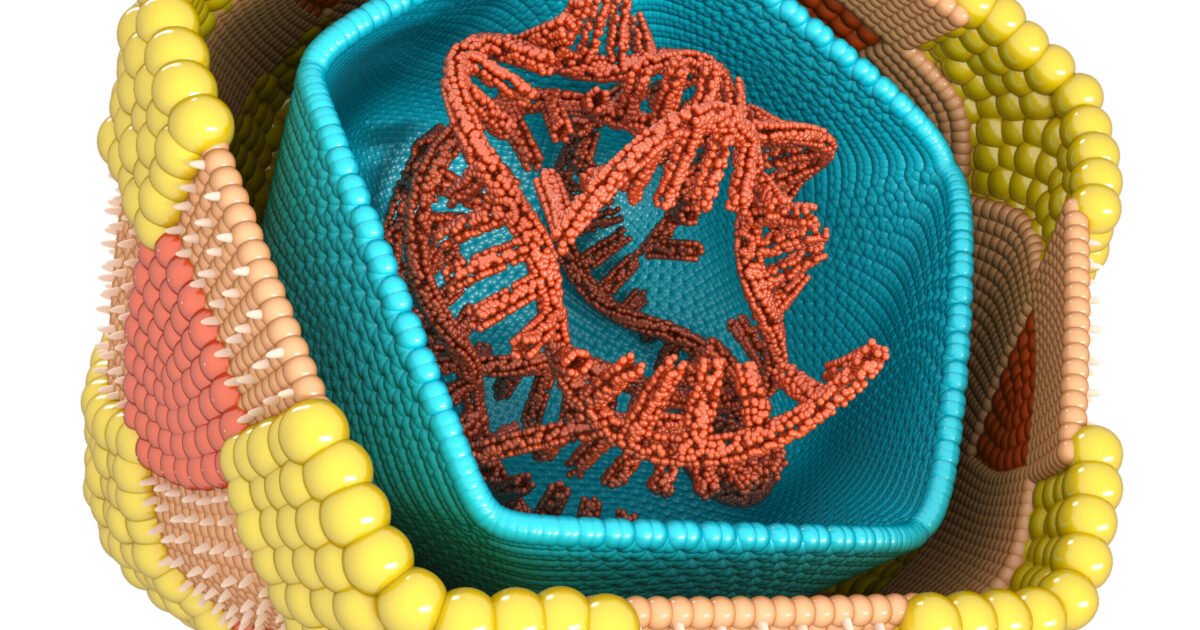
A prolonged infection by a common virus might sometimes trigger the immune system attack on the pancreas that ultimately leads to Type 1 diabetes.
The finding from The Environmental Determinants of Diabetes in the Young, or TEDDY, study was recently published in the journal Nature Medicine by a team of scientists that includes a University of Florida Health researcher.
By examining the stool samples of more than 8,000 children from the United States and Europe for the remnants of viral infections, researchers found an association between an infection of coxsackievirus for 30 days or longer and the development of the autoimmunity that can lead to Type 1 diabetes.
Such an autoimmunity means the body attacks the insulin-producing beta cells of the pancreas, which causes Type 1 diabetes. Insulin is a hormone that regulates blood sugar. Without it, the body cannot maintain normal blood sugar levels, which can lead to serious medical complications.
The study strengthens the case that the virus, long suspected as a trigger for that autoimmune attack, might be one cause of Type 1 diabetes, said study co-author Desmond Schatz, M.D., pediatric medical director of the UF Diabetes Institute and a professor serving as the interim chair of the UF College of Medicine’s department of pediatrics.
“The lamentation of where we are in research is that we don’t fully understand the mechanism leading to Type 1 diabetes,” Schatz said. “We know there’s not one cause of the disease. There are probably several. This brings us a step closer to possibly understanding one of those causes.”
The coxsackievirus, classified as an enterovirus and so named because it was first found in a patient from Coxsackie, N.Y., often leads to no symptoms at all in children, although in others it can cause mild flu-like symptoms. In most cases, the viral infection quickly disappears without treatment. But in others, it can lead to more serious illnesses, including meningitis.
“Down the road, if we were to eradicate this virus, such as with a vaccine or its early identification for those at risk, we might be able to prevent diabetes in some cases,” Schatz said.
TEDDY is a multicenter, multinational investigation designed to identify whether environmental factors such as infections, diet, stress or other conditions trigger the onset of Type 1 diabetes in genetically susceptible children.
TEDDY follows children from birth to the age of 15 at six clinical centers, including UF Health. The study is funded by the National Institute of Diabetes and Digestive and Kidney Diseases, the National Institute of Allergy and Infectious Diseases, the Eunice Kennedy Shriver National Institute of Child Health and Human Development, the National Institute of Environmental Health Sciences, the Centers for Disease Control and Prevention and JDRF.
Kendra Vehik, M.P.H., Ph.D., the study’s lead author and a professor at the University of South Florida, said the study’s findings are important because enteroviruses are so common.
“Only a small subset of children who get enterovirus will go on to develop beta cell autoimmunity,” she said. “Those whose infection lasts a month or more will be at higher risk.”
Researchers also found that infection by another type of virus, adenovirus C, which can cause respiratory infections, was associated with a lower risk of developing the beta cell autoimmunity.
“Taking it all together, our study provides a new understanding of the roles different viruses can play in the development of beta cell autoimmunity linked to Type 1 diabetes and suggests new avenues for intervention that could potentially prevent (the disease) in some children,” said study co-author Richard Lloyd, Ph.D., a professor of molecular virology and microbiology at the Baylor College of Medicine.
Beta cells of the pancreas express a cell surface protein that helps them talk to neighboring cells. This protein has been adopted by the coxsackievirus as a receptor molecule to allow the virus to attach to the cell surface, researchers said.
The investigators found that children who carry a specific genetic variant of this virus receptor have a higher risk of developing beta cell autoimmunity and, ultimately, Type 1 diabetes.
“This is the first time it has been shown that a variant in this virus receptor is tied to an increased risk for beta cell autoimmunity,” said Vehik.
-
Participants in Environmental Health Studies Vulnerable to Re-identification
Analysis highlights privacy risks associated with public data sharing
Before sharing human research data, scientists routinely strip it of personal information such as name, address, and birthdate in order to protect the privacy of their study participants. However, reporting in the journal Environmental Health Perspectives, researchers at Silent Spring Institute and their colleagues show that for environmental health studies, that might not be enough—even anonymized data can sometimes be traced back to individuals.
The new study highlights the need for greater protections for participants in human research studies. It also has implications for a proposed federal rule by the U.S. Environmental Protection Agency (EPA) that would require scientists to make their data public in order for their research to be used as a basis for environmental regulations.
“Researchers promise to protect the privacy of their study participants—a routine practice in nearly all scientific studies involving people,” says lead author Katherine Boronow, a staff scientist at Silent Spring. “Our research shows that making data publicly available from environmental health studies, even after obvious identifiers are removed, could violate these pledges.”
In a previous study, Silent Spring researchers conducted an experiment in which they shared anonymized data from the Institute’s Household Exposure Study in California with a team of Harvard researchers skilled in re-identification techniques. By linking housing and demographic data from the study to publicly-available data such as tax assessor records, and using other information described in the study such as the location of the housing developments and the levels of indoor air pollutants measured, the team successfully re-identified 25 percent of participants from one housing development by name.
Now, in this latest investigation, the researchers show that vulnerability to re-identification is a common aspect of environmental health data. They reviewed a dozen environmental health studies and identified five different types of data (location, medical, genetic, occupation, and housing) that overlap with outside databases and could contribute to the risk of re-identification.
The researchers found that all 12 studies included at least two out of the five data types, and three studies included all five. “Having multiple data types provides more opportunities for someone to match research data against existing commercial or public databases,” says Boronow.
Measurements of pollutants in people’s bodies or in their homes are also a characteristic data type of many environmental health studies. Currently, however, these measurements alone are less vulnerable to data linkage because there are few databases that include chemical measurements that could be used for matching.
To explore a different way that chemical exposure data might be used in re-identification, the team conducted a cluster analysis using data from Silent Spring’s Household Exposure Study in California and in Massachusetts and from the Centers for Disease Control’s Green Housing Study in Boston and Cincinnati. They fed the raw chemical measurements to an algorithm that sorted the data within each study into two groups. The groups created by the algorithm corresponded to geographic location with 80 to 98 percent accuracy.
If the data cluster into groups by location, says Boronow, then each group can be matched to data narrowed to that location, making it more likely for a re-identification attack to produce correct matches. This shows how someone could use chemical data to infer a characteristic of people in a study even if that characteristic is excluded when the study data are shared.
Data sharing has many benefits. By pooling data, researchers can create larger, more diverse datasets that could lead to advances in knowledge. It can also give researchers access to data that are difficult or expensive to obtain, such as data from biological or environmental samples collected after an environmental disaster. However, as the new study shows, it also has its risks.
Dr. Julia Brody, executive director at Silent Spring and a co-author of the study, says the implications of privacy risks are not trivial. Loss of privacy could result in stigma for individuals and communities. It could affect property values, insurance, or a person’s chances of employment. It could also damage trust in research.
In 2018, EPA released a proposed rule called “Strengthening Transparency in Regulatory Science,” that would require researchers to disclose their raw data as a precondition for the agency using a study to support regulatory decisions. Because the requirement could jeopardize confidential information about study participants, it could disqualify critical environmental health studies that form the basis of existing regulations, such as current limits on air pollutants. EPA is expected to release a revised version of the proposed rule early this year.
“Thousands of Americans have contributed personal data to scientific research with the goal of improving health for all,” says Brody. “We must not take advantage of their generosity with rules that threaten their privacy and discourage future participation in research.”
With growing pressure on scientists to share their data, and with more consumer data available online, Brody says it is important to fully characterize the risks of data sharing and identify solutions. Results from their research, she says, could help scientists develop informed consent documents that are more forthcoming about the risks and could help determine what types of data should be excluded from public sharing. It could also lay the groundwork for legal and policy protections for participants should they fall victim to re-identification.
-
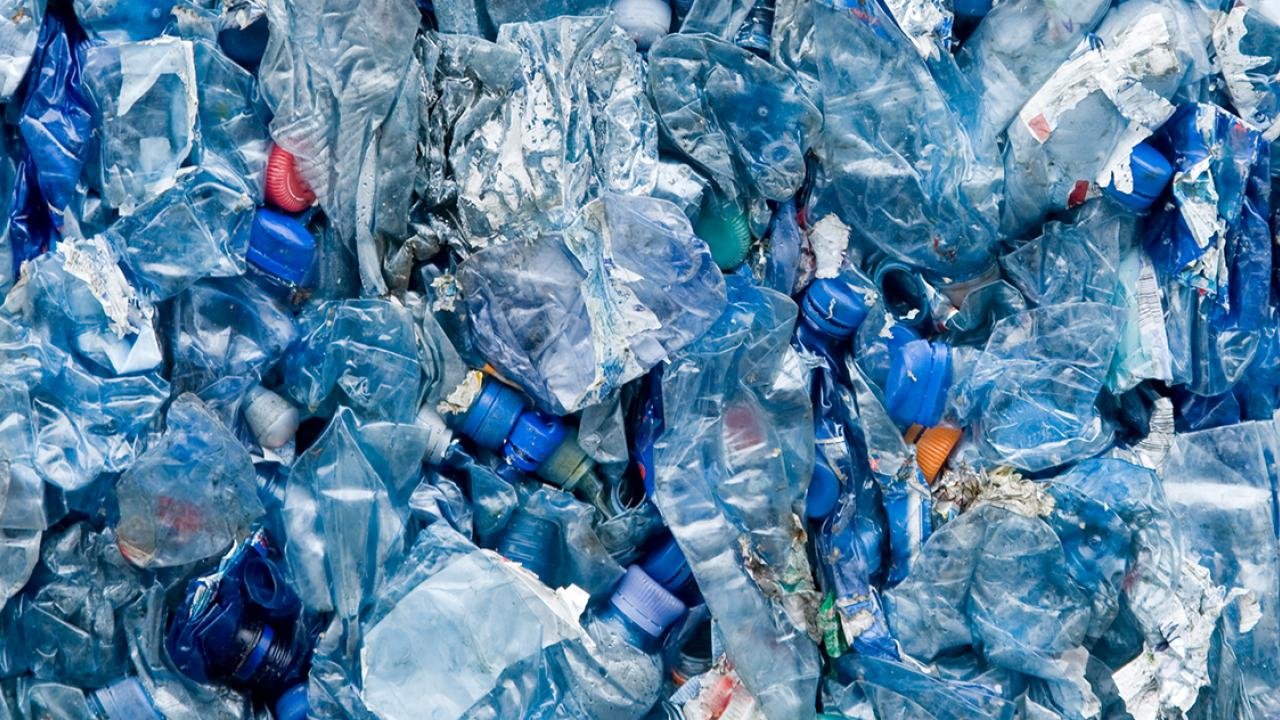
Plasticizers May Contribute to Motor Control Problems in Girls
Scientists at the Columbia Center for Children’s Environmental Health (CCCEH) have uncovered a link between prenatal exposure to phthalates—a ubiquitous group of plasticizers and odor-enhancing chemicals—and deficits in motor function in girls. Phthalates are widely used in consumer products from plastic toys to household building materials to shampoos and are thought to disrupt endocrine function, and possibly interfere with brain development in utero.
Results of a longitudinal study of 209 New York City women and their offspring are published in the journal Environment International.
The researchers measured seven phthalate metabolites in maternal spot urine obtained during the third trimester of pregnancy. Motor function was evaluated at age 11. After adjusting for potential confounders, they saw a decrease in fine-motor functions among girls, not boys, following exposure to high levels of specific metabolites. Accounting for mixtures of phthalates and motor functions, the analysis pointed to three phthalates most linked to the deficits: mono-butyl phthalate (MBP), mono-benzyl phthalate (MBzP), and mono-isobutyl phthalate (MiBP)—none of which are metabolites of Di-2-ethylhexyl phthalates (DEHP), the most common category of phthalates.
“There a growing awareness of the problem of plastics, which are destructive to animal life and ecosystems,” says senior author Pam Factor-Litvak, PhD, professor in the Department of Epidemiology. “In this study, we have found new evidence that phthalates—chemicals commonly used in cosmetics and plastics—are harmful to children’s health. Girls with deficits in fine motor skills may have difficulty with their schoolwork, particularly related to problems writing and using electronic devices. They may also have problems with hand-eye coordination.”
Phthalates are easily unbound from plastics and released into the environment; most exposure is from diet (where they are part of food packaging), air (as they are used in air fresheners, perfumes, etc.), and skin absorption (as they are used in personal care products). Phthalates cross the blood-placenta barrier and are associated with shortened gestational age, disrupted male reproductive development, and deficits in cognitive function and behavioral outcomes.
Phthalates were previously shown to alter the levels of thyroid hormones, which are critical for brain development, especially the development of the cerebellum, which is in part accountable for coordination and fine-motor movements. Phthalates were also shown to disrupt specialized neurons associated with the development of motor skills, including fine motor skills, which are known to develop earlier in girls than in boys.
The study’s first author is Sharon Daniel of Ben-Gurion University of the Negev, Israel. Additional co-authors include A. Balalian, Robin M. Whyatt, Xinhua Liu, Virginia Rauh, and Julie Herbstman—all of Columbia Mailman School of Public Health.
The research was funded by the National Institute of Environmental Health Sciences (NIEHS) grants (ES013543, ES014393, ES08977, ES009089) and by a National Institute of Environmental Health Sciences/Environmental Protection Agency grant (ES09600/ 83214101). The authors declare that they have no known competing financial interests or personal relationships that could have appeared to influence the work reported in this paper.
-
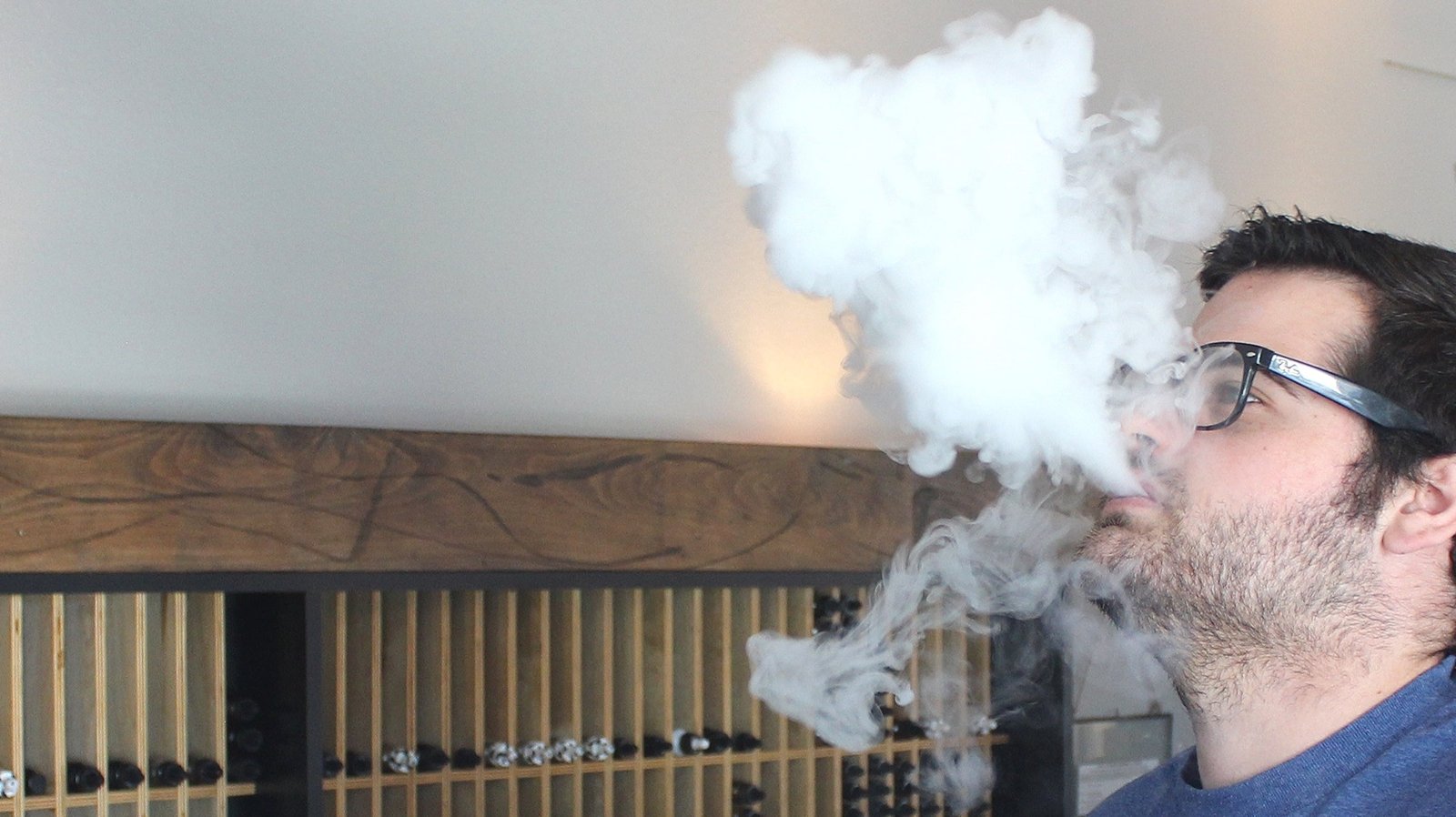
Vaping Lung Injury Symptoms Have Been Reported Online for at Least Seven Years
A team of researchers at the University of California, Riverside, used automated computer methods to mine a large online discussion forum for electronic cigarette users and found this group reported numerous adverse health effects for at least seven years.
The research, published in the Journal of Medical Internet Research, shows health problems associated with e-cigarettes existed well before summer 2019 when vaping-associated pulmonary illness, or VAPI, was recognized by the medical community. This development suggests many more e-cigarette users may have serious symptoms.
Recently, the Centers for Disease Control and Prevention, or CDC, linked VAPI to vitamin E. A number of VAPI cases are not, however, linked to the vitamin. VAPI is also referred to as EVALI, or e-cigarette or vaping product use-associated lung injury.
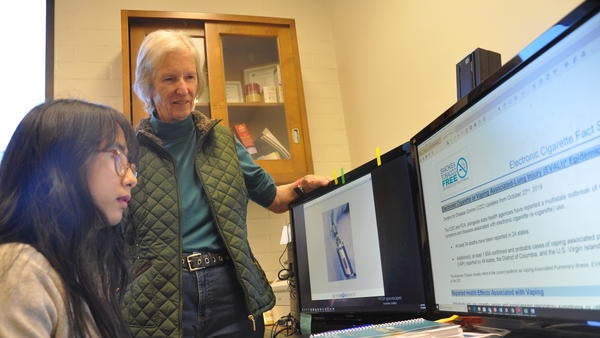
Prue Talbot (standing) is seen here with her graduate student My Hua. (UCR/I. Pittalwala) “The sudden uptick in symptoms and conditions related to VAPI comes at least 10 years after e-cigarette products gained widespread popularity in the United States, including the rise in popularity of JUUL and marijuana vape products,” said Prue Talbot, a professor of cell biology in the Department of Molecular, Cell, and Systems Biology, who led the research. “Our data, which shows many of the symptoms characterizing the current patients have been reported online for at least seven years, suggests cases similar to those in the current VAPI epidemic have existed previously and been unreported or simply not linked to vaping.”
The researchers collected data posted between January 2008 and July 2015 on a large e-cigarette online discussion forum. They designed a web crawler in Java to extract and parse information on symptoms and disorders from the forum. The crawler, programmed to focus on only those posts that belonged to seven health subforums, browsed through more than 41,000 posts, of which 45% were negative in sentiment, 38% were neutral, and 17% were positive.
The top five symptoms in the database were headache, coughing, pain in throat, itching, and malaise. The top five disorders in the dataset were dehydration, asthma, pharyngitis, common cold, and aptyalism.
E-cigarette research has shown some flavor chemicals can dilate blood vessels and cause headache, nausea, and fatigue. Prolonged inhalation of some flavor chemicals can cause headaches, dizziness, and/or respiratory symptoms. Metals identified in e-cigarette aerosols have been linked to neurological and respiratory symptoms. Nicotine, a major component in most e-cigarette fluids, can affect neurological, respiratory, digestive, mouth/throat, and circulatory systems. Nicotine inhalation can cause headaches, nausea, mouth/throat pain, cough, and heartburn.
“Our data underscore the idea that e-cigarette use is not free of adverse health effects and suggest that the epidemic we are seeing now will continue to grow given the many reports in the forum of symptoms characteristic of VAPI,” said My Hua, a graduate student in Talbot’s lab and first author of the research paper. “It is important that vigilant reporting of cases, tracking symptoms, and engaging in research on the health effects related to e-cigarette use be continued and expanded to understand and contain VAPI.”
The study is the first to use automated methods to analyze online posts uploaded over a seven-year period on an e-cigarette website and to identify the symptoms and disorders most frequently reported online by e-cigarette users.

UC Riverside’s Vagelis Hristidis is an expert on data mining. (UCR/Hristidis lab) “We used a modified version of the MetaMap medical information extraction tool, which has been shown to have high accuracy in extracting medical concepts like symptoms or disorders,” said Vagelis Hristidis, a professor of computer science and engineering and a co-author of the study. “It is possible that some posts mention a disorder in the wrong context, for example, making a joke about it, but from our manual screening of thousands of posts, this number of posts would be very small to meaningfully affect the results.”
Hristidis, an expert on data mining, explained the crawler mines data from each discussion thread in the e-cigarette forum and stores its content locally. A parsing tool then extracts the individual posts from the thread. Finally, a medical information extraction tool analyzes each post’s text and identifies mentions of symptoms or disorders.
As of December 27, 2019, more than 2,500 hospitalized EVALI cases or deaths have been reported to the CDC from 50 states, the District of Columbia, and two U.S. territories; 27 states and the District of Columbia have confirmed 55 deaths associated with vaping.
“The symptoms and disorders we report in our study may be of interest to physicians and health care providers treating patients who use e-cigarettes,” Talbot said.
Talbot and Hua are working with a health clinic at UC Riverside to include vaping-related questions in medical history questionnaires filled out by patients. They have also provided an e-cigarette fact sheet to the UCR clinic for distribution to patients; the plan is to provide the fact sheet to all clinics in the UC system.
Talbot, Hua, and Hristidis were joined in the study by graduate student Shouq Sadah, who works with Hristidis.
The research was supported by grants to Talbot from the National Institute of Drug Addiction, National Institute of Environmental Health Sciences, and the U.S. Food and Drug Administration Center for Tobacco Products. Hristidis was supported by the National Science Foundation. Hua was supported in part by a Cornelius Hopper Fellowship and a predoctoral dissertation fellowship from the University of California Tobacco-Related Disease Research Program. The funding agencies played no role in designing the study or advising on how the data was collected and analyzed.

Are e-cigarettes dangerous? -
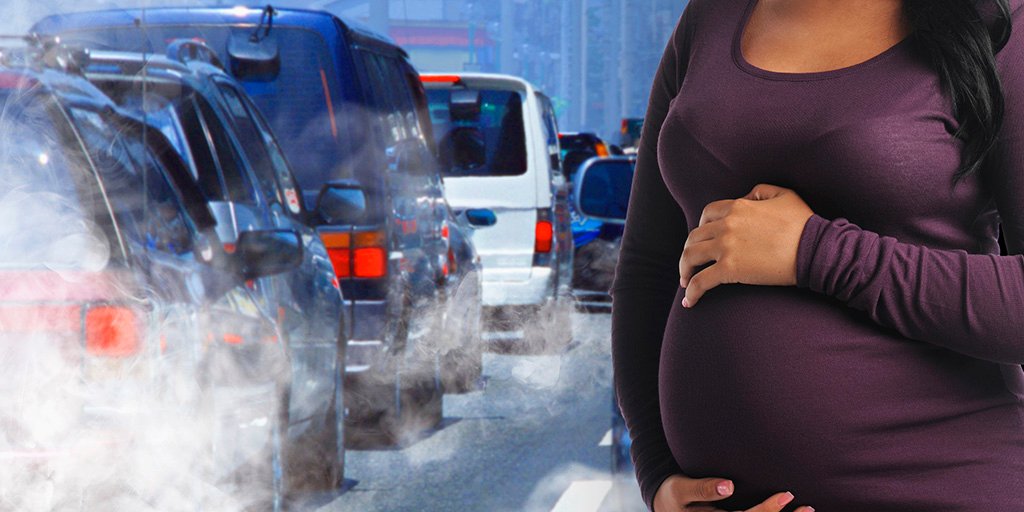
Pregnancy Hypertension Risk Increased by Traffic-related Air Pollution
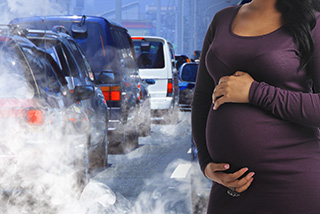
A new report from the National Toxicology Program (NTP) suggests that traffic-related air pollution increases a pregnant woman’s risk for dangerous increases in blood pressure, known as hypertension.
NTP scientists evaluated published research on the link between traffic-related air pollution, or TRAP, and hypertensive disorders broken down by pollutant measurements of TRAP, such as particulate matter (PM2.5). PM is the term for a mixture of solid particles and liquid droplets found in the air, and PM2.5 refers to fine inhalable particles, with diameters that are generally 2.5 micrometers or smaller. The average human hair is about 70 micrometers in diameter, about 30 times larger than the largest fine particle.
“What we found when we reviewed the literature is that exposure to PM2.5 from traffic emissions was associated with development of hypertensive disorders in pregnant women,” said Brandy Beverly, Ph.D., lead scientist and researcher at the National Institute of Environmental Health Sciences, part of the National Institutes of Health. “When these women are exposed to PM2.5 during their entire pregnancy, the likelihood of developing preeclampsia increases by about 50%.”
Other components of TRAP that NTP evaluated included nitrogen oxides, carbon monoxide, black carbon, and elemental carbon, along with parameters like traffic density and mothers’ proximity to main roads.
For example, the literature suggests that women who live within a quarter of a mile of a major roadway or in high traffic density regions may be at an increased risk for developing hypertensive disorders of pregnancy.
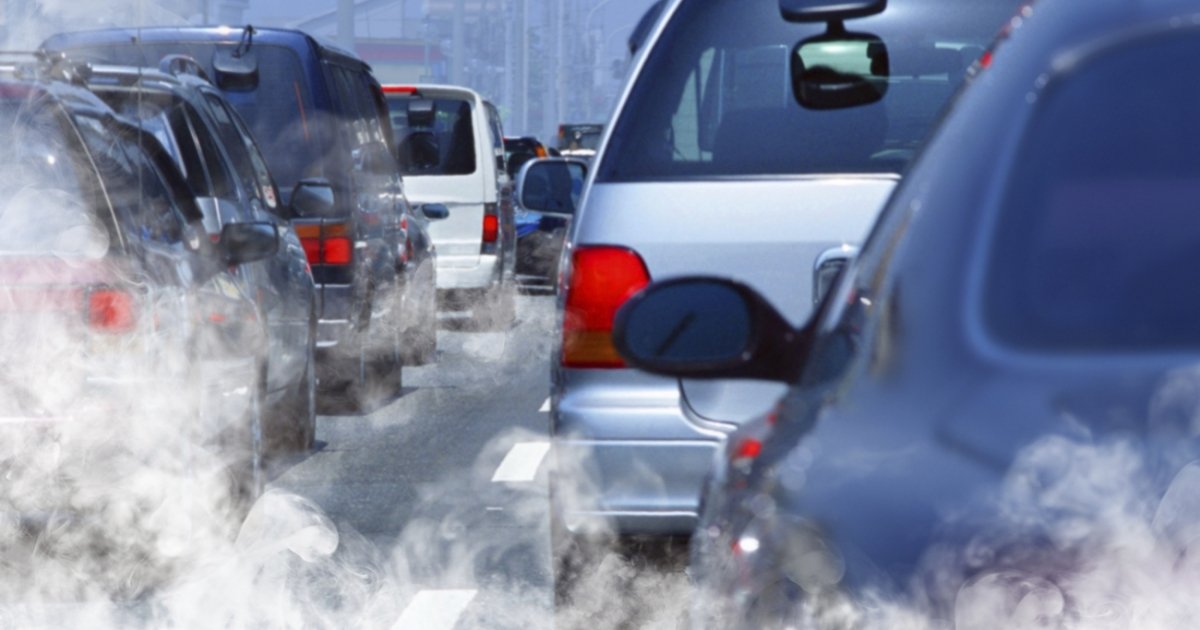
TRAP comes from the combustion of fossil fuels by motor vehicles. These vehicle emissions are mixtures of gases and particles that are easily inhaled and have adverse health effects. TRAP is known to be a major risk factor for cardiovascular disease, including hypertension.
Hypertensive disorders of pregnancy complicate more than 10% of pregnancies worldwide and are a leading cause of maternal and fetal illness and death. According to the American College of Obstetrics and Gynecology, mothers with hypertension during pregnancy are more likely to have a pre-term delivery. Their infants are at greater risk for low birthweight and a range of long-term health problems associated with pre-mature birth.
“Hypertensive disorders of pregnancy refer to a range of clinical conditions, all of which include high blood pressure during pregnancy,” said Beverly. “The disorders are classified into four distinct types, based on differences in the timing and onset of the symptoms.”
Pregnant women may experience four types of hypertensive disorders:
- Gestational hypertension, or high blood pressure, in the second half of pregnancy.
- Preeclampsia, or high blood pressure with protein in urine or impaired liver or kidney function, in the second half of pregnancy. If preeclampsia worsens and causes seizures, it becomes eclampsia – a serious condition for mother and child with the potential to be fatal.
- Chronic hypertension, or high blood pressure before pregnancy or early in pregnancy, that continues throughout pregnancy.
- Chronic hypertension with preeclampsia, or high blood pressure before pregnancy or early in pregnancy, that continues throughout pregnancy and is complicated by new onset protein in the urine or impaired liver or kidney function.
Using their standard four-tier scale to classify human hazards, NTP looked at the combined evidence from the individual components and concluded that TRAP is a presumed human hazard for hypertensive disorders during pregnancy, though they weren’t able to distinguish between the four types of disorders. The scale ranges from the highest hazard rating of “known”, followed by “presumed”, then “suspected”, and finally, “not classifiable”.
NTP conducted the systematic review of published research on hypertensive disorders in pregnant women and its link to TRAP after receiving a nomination from several pediatricians to evaluate the connection between emerging issues associated with air pollution and children’s health.
NTP scientists performed a comprehensive literature search and reviewed hundreds of studies with potentially relevant data. Overall, they evaluated 18 human observational studies and one animal study that specifically addressed hypertension during pregnancy and TRAP. Usually, experimental animal data add confidence in the conclusions; unfortunately, the limited number of animal studies that assessed the impact of environmental exposures during pregnancy is a research gap.
The evaluation underwent external peer review involving experts from academia and industry, who evaluated NTP’s draft conclusions and agreed unanimously with NTP’s final conclusion.
The National Toxicology Program (NTP) is a federal, inter-agency program within the U.S. Department of Health and Human Services. Three federal agencies comprise NTP, National Institute of Environmental Health Sciences, part of NIH, the National Center for Toxicological Research, part of the U.S. Food and Drug Administration, and the National Institute for Occupational Safety and Health, part of the Centers for Disease Control and Prevention.
-
Screen Could Offer Better Safety Tests for New Chemicals
It’s estimated that there are approximately 80,000 industrial chemicals currently in use, in products such as clothing, cleaning solutions, carpets, and furniture. For the vast majority of these chemicals, scientists have little or no information about their potential to cause cancer.
The detection of DNA damage in cells can predict whether cancer will develop, but tests for this kind of damage have limited sensitivity. A team of MIT biological engineers has now come up with a new screening method that they believe could make such testing much faster, easier, and more accurate.
The National Toxicology Program, a government research agency that identifies potentially hazardous substances, is now working on adopting the MIT test to evaluate new compounds.
“My hope is that they use it to identify potential carcinogens and we get them out of our environment, and prevent them from being produced in massive quantities,” says Bevin Engelward, a professor of biological engineering at MIT and the senior author of the study. “It can take decades between the time you’re exposed to a carcinogen and the time you get cancer, so we really need predictive tests. We need to prevent cancer in the first place.”
Engelward’s lab is now working on further validating the test, which makes use of human liver-like cells that metabolize chemicals very similarly to real human liver cells and produce a distinctive signal when DNA damage occurs.
Le Ngo, a former MIT graduate student and postdoc, is the lead author of the paper, which appears today in the journal Nucleic Acids Research. Other MIT authors of the paper include postdoc Norah Owiti, graduate student Yang Su, former graduate student Jing Ge, Singapore-MIT Alliance for Research and Technology graduate student Aoli Xiong, professor of electrical engineering and computer science Jongyoon Han, and professor emerita of biological engineering Leona Samson.
Carol Swartz, John Winters, and Leslie Recio of Integrated Laboratory Systems are also authors of the paper.
Detecting DNA damage
Currently, tests for the cancer-causing potential of chemicals involve exposing mice to the chemical and then waiting to see whether they develop cancer, which takes about two years.
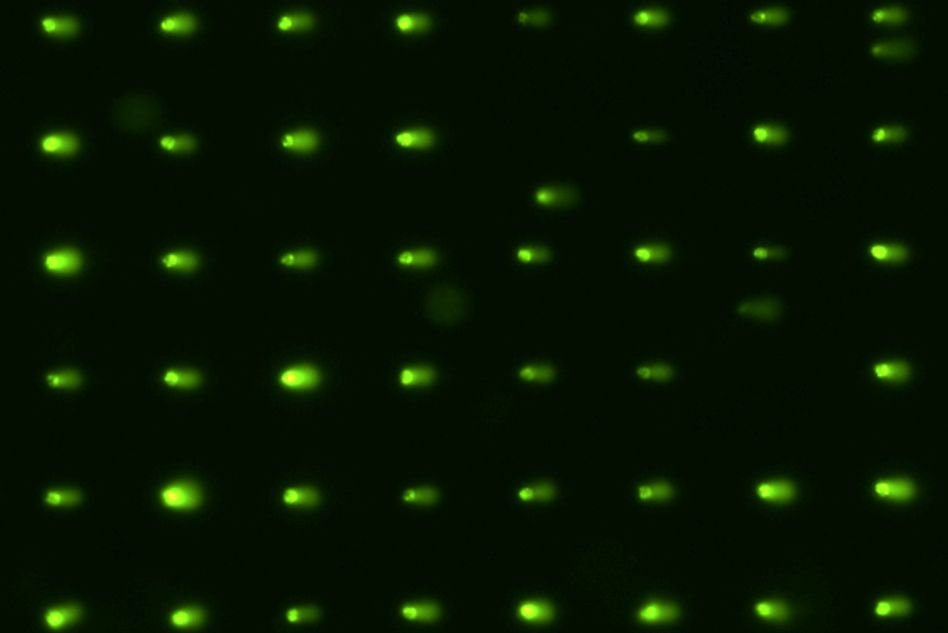
Engelward has spent much of her career developing ways to detect DNA damage in cells, which can eventually lead to cancer. One of these devices, the CometChip, reveals DNA damage by placing the DNA in an array of microwells on a slab of polymer gel and then exposing it to an electric field. DNA strands that have been broken travel farther, producing a comet-shaped tail.
While the CometChip is good at detecting breaks in DNA, as well as DNA damage that is readily converted into breaks, it can’t pick up another type of damage known as a bulky lesion. These lesions form when chemicals stick to a strand of DNA and distort the double helix structure, interfering with gene expression and cell division. Chemicals that cause this kind of damage include aflatoxin, which is produced by fungi and can contaminate peanuts and other crops, and benzo[a]pyrene, which can form when food is cooked at high temperatures.
Engelward and her students decided to try to adapt the CometChip so that it could pick up this type of DNA damage. To do that, they took advantage of cells’ DNA repair pathways to generate strand breaks. Typically, when a cell discovers a bulky lesion, it will try to repair it by cutting out the lesion and then replacing it with a new piece of DNA.
“If there’s something glommed onto the DNA, you have to rip out that stretch of DNA and then replace it with fresh DNA. In that ripping process, you’re creating a strand break,” Engelward says.
To capture those broken strands, the researchers treated cells with two compounds that prevent them from synthesizing new DNA. This halts the repair process and generates unrepaired single-stranded DNA that the Comet test can detect.
The researchers also wanted to make sure that their test, which is called HepaCometChip, would detect chemicals that only become hazardous after being modified in the liver through a process called bioactivation.
“A lot of chemicals actually are inert until they get metabolized by the liver,” Ngo says. “In the liver you have a lot of metabolizing enzymes, which modify the chemicals so that they become more easily excreted by the body. But this process sometimes produces intermediates that can turn out to be more toxic than the original chemical.”
To detect those chemicals, the researchers had to perform their test in liver cells. Human liver cells are notoriously difficult to grow outside the body, but the MIT team was able to incorporate a type of liver-like cell called HepaRG, developed by a company in France, into the new test. These cells produce many of the same metabolic enzymes found in normal human liver cells, and like human liver cells, they can generate potentially harmful intermediates that create bulky lesions.
Enhanced sensitivity
To test their new system, the researchers first exposed the liver-like cells to UV light, which is known to produce bulky lesions. After verifying that they could detect such lesions, they tested the system with nine chemicals, seven of which are known to lead to single-stranded DNA breaks or bulky lesions, and found that the test could accurately detect all of them.
“Our new method enhances the sensitivity, because it should be able to detect any damage a normal Comet test would detect, and also adds on the layer of the bulky lesions,” Ngo says.
The whole process takes between two days and a week, offering a significantly faster turnaround than studies in mice.
The researchers are now working on further validating the test by comparing its performance with historical data from mouse carcinogenicity studies, with funding from the National Institutes of Health.
They are also working with Integrated Laboratory Systems, a company that performs toxicology testing, to potentially commercialize the technology. Engelward says the HepaCometChip could be useful not only for manufacturers of new chemical products, but also for drug companies, which are required to test new drugs for cancer-causing potential. The new test could offer a much easier and faster way to perform those screens.
“Once it’s validated, we hope it will become a recommended test by the FDA,” she says.
The research was funded by the National Institute of Environmental Health Sciences, including the NIEHS Superfund Basic Research Program, and the MIT Center for Environmental Health Sciences.
-

EHP Names New Editor-in-chief

Joel Kaufman, M.D., M.P.H., has been named the new Editor-in-Chief of Environmental Health Perspectives (EHP), a journal published by the National Institute of Environmental Health Sciences, part of the National Institutes of Health. Kaufman will assume the new role on Feb. 1, 2020, upon retirement of the current editor, Sally Darney, Ph.D.
Currently, Kaufman is Professor of Environmental and Occupational Health Sciences, Medicine, and Epidemiology at the University of Washington in Seattle, where he previously served as interim dean for the School of Public Health.
A practicing physician, Kaufman brings extensive experience in both public health practice and research. He has published more than 200 research papers and review articles that span the environmental health sciences. Since joining the University of Washington faculty more than two decades ago, he has maintained a research program that encompasses epidemiology, inhalation toxicology, clinical medicine, and exposure sciences.
Kaufman will provide guidance to EHP while continuing his work at the University of Washington. The arrangement reflects a recent change to the editorial model at EHP that enables the editor-in-chief to continue conducting research and teaching at their home institution. Under Kaufman’s direction, day-to-day operations for the journal will be carried out by full-time federal staff, including the chief operating officer and senior science editor.
“My vision for the journal is a simple one: EHP is, and should remain, the premier international scholarly journal of the environmental health sciences,” said Kaufman. “Environmental health science comprises several contributing scientific disciplines, and EHP should work to publish the most exciting and dynamic findings from each of these disciplines.”
Kaufman will also serve as the face of EHP, representing the journal to the global environmental health sciences community through strategic outreach activities, speaking engagements, and editorials.
During his career, Kaufman has served on editorial boards and peer review panels for many of the leading clinical medicine and environmental health journals. He previously served on the editorial review board and as an associate editor at EHP, stepping down from those responsibilities to take over as interim dean of the UW School of Public Health in 2016.
A leading publication with a Journal Impact Factor of 8.05, EHP is issued monthly and is available free online. The mission of EHP is to publish high-quality original research, reviews, commentaries, and news on all established and emerging disciplines that examine the relationship between the environment and health.
Kaufman will have editorial independence to provide the high-level strategic direction and leadership necessary to sustain and enhance EHP’s high standards and stature in the environmental health research community.
Kaufman will be responsible for ensuring EHP content is of high integrity, advances the state of environmental health knowledge, and promotes translation of knowledge into environmental health action, which is consistent with the mission and vision of NIEHS.
“Dr. Kaufman is highly respected for his broad and distinguished research experience. He understands the interdisciplinary nature of environmental health sciences, and that’s what we need to maximize the journal’s potential for improving people’s health,” said Rick Woychik, Ph.D., acting director, NIEHS. “I am confident that Dr. Kaufman will continue EHP’s tradition of excellence built by the exceptional leadership of Dr. Darney and previous journal editors.”
-

Deforestation, Erosion Exacerbate Mercury Spikes Near Peruvian Gold Mining
This is not the page you’re looking for.
We’re sorry, but that page was not found or has been archived. Please check the spelling of the page address or use the site search.
Still can’t find what you’re looking for? Contact our web team »
Learning from failure is an essential part of the engineering process.
Read stories of how we’re teaching students to develop resilience, or check out all our recent news.
Upcoming Events
Oct 15
The Ethics of Now with General CQ Brown, Jr.
What does it mean to serve a nation when our ideals often outpace our reality? Join Kenan Institute for Ethics and host Adriane Lentz-Smith for a conversation with General Charles […]
7:00 pm – 7:00 pm
Oct 16
Engineering Master’s Career Drop-In Hours
Attend drop-in hours for quick advice and feedback that lasts 10-15 minutes. Career Drop-In Hours take place Tuesday-Friday while classes are in session.
8:30 am – 8:30 am
Oct 16
Blue Devil Toastmasters Online Meeting
Toastmasters provides a supportive environment to practice the skills you need to communicate with confidence. It all starts with a fun club atmosphere where members learn and practice together. You […]
12:00 pm – 12:00 pm Virtual