Builds on a four-year operational foundation: the contract extension expands the public health surveillance partnership Verily has maintained with the CDC since 2023.
Delivered through Verily Sightline, the company’s specialized public health platform that unifies wastewater epidemiology, high-throughput molecular laboratory testing, bioinformatic data analytics, and software infrastructure to monitor population-level infectious disease transmission trends.
Introduces advanced genomic capabilities: the expanded CDC program will support continuous pathogen detection, targeted viral and bacterial genomic sequencing, and the incorporation of potential metagenomic surveillance capabilities to detect novel and emerging pathogens before they appear in clinical settings.
Core Program Architecture: Verily Sightline & Expanded Metagenomics
Under the renewed CDC mandate, Verily combines physical laboratory pipelines with population-level health informatics to track infectious disease dynamics:
End-to-End Operational Pipeline: Verily Sightline integrates sample intake from municipal wastewater treatment facilities, high-throughput biospecimen processing, quantitative PCR assays, and automated cloud data pipelines that feed actionable epidemiological intelligence directly into CDC reporting dashboards.
Pathogen-Specific Assays: Continues routine monitoring for established respiratory and gastrointestinal pathogens, including SARS-CoV-2, Influenza A/B, and Respiratory Syncytial Virus (RSV), alongside flexible surge testing for emerging zoonotic threats such as avian influenza (H5N1).
Genomic Sequencing & Variant Tracking: Performs high-density genomic sequencing to track lineage mutations, detect novel viral variants, and monitor antimicrobial resistance (AMR) markers before they appear in clinical hospital isolates.
Metagenomic Surveillance Expansion: Integrates prospective metagenomic next-generation sequencing (mNGS) capabilities. Metagenomic testing analyzes total genetic material in a wastewater sample without requiring pre-designed targeted primers, equipping public health officials with an unbiased discovery tool to identify previously uncharacterized or novel biological threats.
“We’re proud to continue our work with the CDC on a program that strengthens national public health surveillance,” said Stephen Gillett, Chairman and CEO of Verily Health. “At Verily Health, we are building the data foundation for the future of healthcare intelligence, bringing together complex health data, scientific expertise, and advanced analytics to generate actionable insights that accelerate research and improve healthcare.”
Mumbai: More than half of the people accessed mental healthcare said they waited a year before seeking treatment, according to Amaha’s Mental Health Report 2026.
The finding based on the responses from 13,825 people between October 2025 and September 2026 showed that only 11.3 per cent reached care within a month of experiencing their concerns.
While 54.5 per cent turned to their friends or family and 44.6 per cent had tried self-help. Nearly a third 32.9 per cent said they had tried therapy, and 19.4% had been prescribed medication.
According to the report, by the time they reached care, many people were finding everyday life hard to manage. Only 12.3 per cent said they could manage all their daily tasks, and more than a quarter (27.3 per cent) could not manage most of them, or any at all.
Anxiety (72.1 per cent) was the most common concern faced by people, followed by stress (67.5 per cent), low mood (58.3 percent), relationship or interpersonal difficulties (55.6 per cent) and frequent mood swings (54.1 per cent).
Join the community of 2M+ industry professionals.
Subscribe to Newsletter to get latest insights & analysis in your inbox.
All about ETHealthworld industry right on your smartphone!
Ed’s stories explore prescription drug pricing, affordability and access, as well issues surrounding patents, litigation, and legislation. He is also the author of the morning Pharmalittle newsletter and the afternoon Pharmalot newsletter.
European Union antitrust regulators accepted concessions from Sanofi to settle an investigation into an allegedly “misleading” campaign that disparaged the only rival flu vaccine recommended for vulnerable patients at risk for developing the illness. In doing so, the company avoided being fined.
The European Commission had suggested that Sanofi portrayed the Fluad vaccine marketed by CSL Seqirus as inferior to its own Efluelda vaccine in a communication campaign that primarily targeted health care professionals in Germany and France. Sanofi holds a dominant position in both countries, according to the EC.
To resolve the probe, Sanofi committed to a corrective communication campaign rectifying its “possible disparaging behavior” and to refrain from such behavior in the future, according to Teresa Riberta, the European Commission executive vice president for Clean, Just and Competitive Transition. The agreement is legally binding.
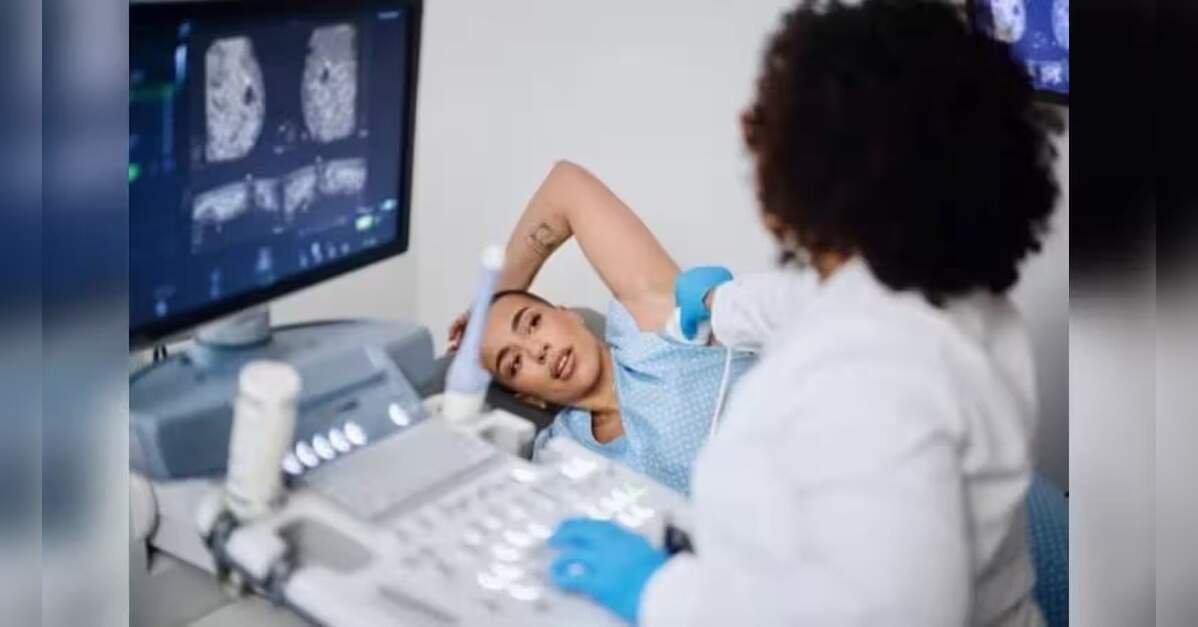
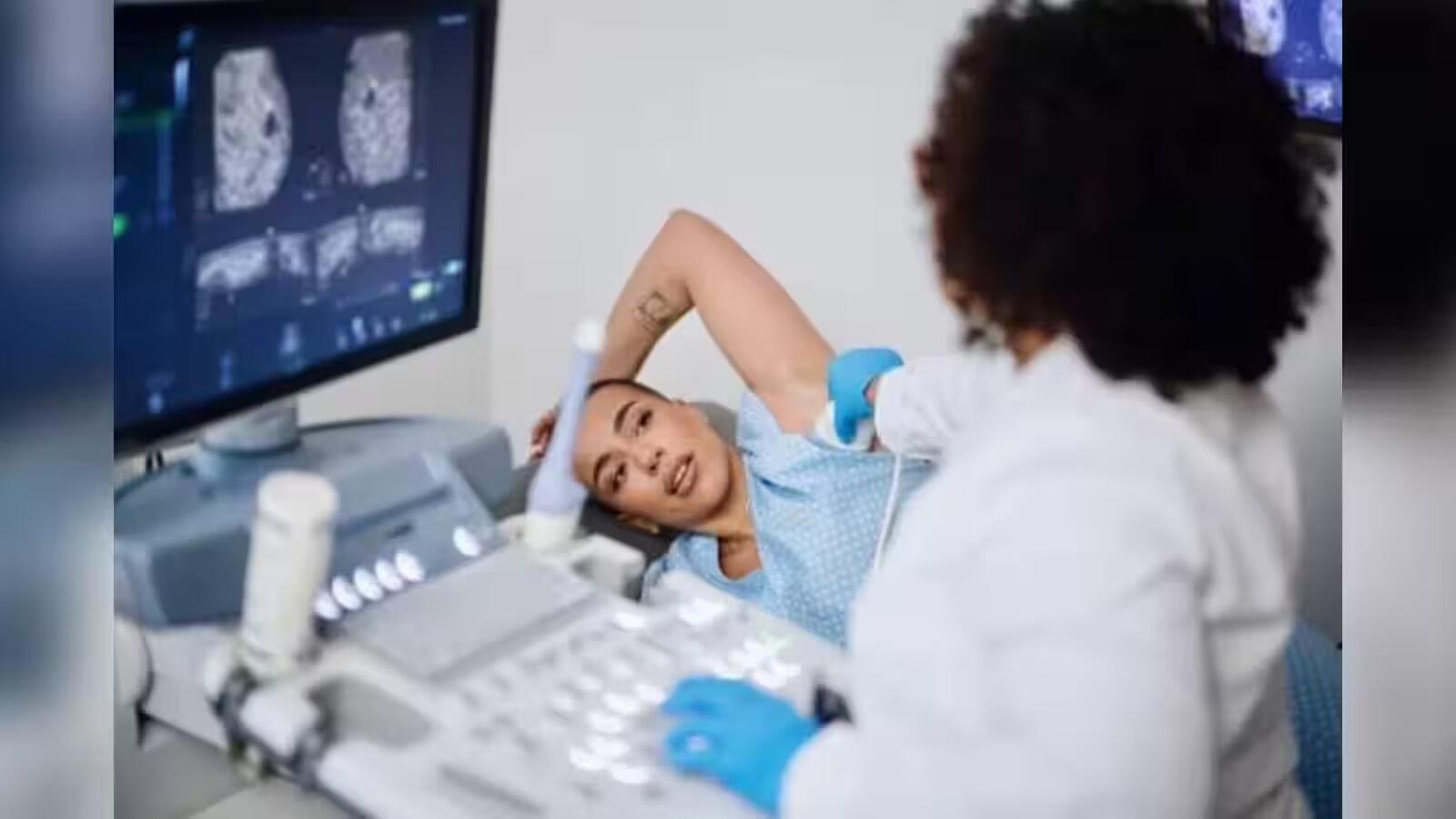
Each year about 237,000 Indian women are diagnosed with breast cancer and about 96,000 die of it (GLOBOCAN 2024): roughly four in every ten, against about one in six in North America. Incidence here is 31.2 per 100,000 women, against 95.2 there. Yet our death rate, 12.7 per 100,000, already exceeds theirs, 12.2. A disease that strikes a third as many Indian women per head kills at least as many of them.
The difference lies not in biology but in timing. In the national registries most Indian patients are diagnosed after the cancer has reached the lymph nodes or beyond; in the United States 63% are caught while it is still confined to the breast. Five-year survival is 66.4% in India and above 90% in the US.
We find cancer late because we do not look for it early. India relies on women reporting a lump, and on clinical breast examination by frontline health workers, offered free to women aged 30 to 65 at Ayushman Arogya Mandirs. Official tallies run into crores: the NAMS task force cites 10 crore breast screenings by 2023. Yet in the National Family Health Survey of 2019-21, only 0.9% of women aged 30 to 49 said they had ever had a breast examination. Both cannot describe the same women.
The state picture is starker. Tamil Nadu leads at 5.6%, then Puducherry at 4.2% and Mizoram at 2.7%. Uttar Pradesh is at 0.4% and Punjab at 0.3%; half of all states are below 1%. Urban women are examined more than rural women in most states. Kerala has built a Cancer Grid linking local facilities to cancer centres, and Punjab funded an AI thermography pilot that screened 15,069 women. None, to my knowledge, invites women systematically to mammography, and the machines are not there: India has about 3,000, fewer than one in ten of them digital, most in private hands in the metros.
Cost and capacity are the standard defence of examination-only screening, and the NAMS task force judged population mammography unlikely to be feasible. A 20-year Mumbai trial of 151,538 women, published in the BMJ, is often cited in support. It found a 15% fall in breast cancer deaths that was not statistically significant overall; a post-hoc analysis showed about 30% among women aged 50 and over, and none below 50. That is a serious flaw for India, where the median age of onset is around 45, a decade earlier than in the West. Examination should remain at the base of any programme, but we are leaning on a method that fails the women who need it most.
So India should build a targeted, technology-enabled, mammography-led programme for every woman aged 40 to 60. Replicating the Western model is neither affordable nor necessary; we can leapfrog it with our digital public infrastructure.
A list, and a recall
The foundation is a registry drawn from Ayushman Bharat Health Accounts (ABHA). District call centres invite every eligible woman, book the slot and arrange transport; mobile units serve remote blocks; private centres are empanelled under PM-JAY at a fixed price, so public and private machines serve one list. England works the same way, inviting every registered woman and reaching about 72% of those eligible.
An interval the evidence supports
The US Preventive Services Task Force recommends a mammogram every two years from age 40. Trials comparing annual with three-yearly screening found no significant difference in deaths, but interval cancers, those that surface between screens, rise with longer gaps: about 12.5% of cancers at annual intervals, 28.5% at two years and 42.5% at three. I would screen every two years, with three years as the outer limit while capacity is built. Ultrasound for women under 45 should be urged, not mandated.
Reading
We will never have enough radiologists to read tens of millions of scans. In Sweden’s MASAI trial of over 100,000 women, AI-supported screening cut radiologists’ reading workload by 44% while detecting more cancers. AI acts as a triage reader that speeds normal scans through and flags suspicious ones; a radiologist still signs every report, and images from a village van can be read at state hubs within days. Before rollout the tools must be validated on Indian women’s images, including denser breasts.
Data
One screening registry holding the images, linked to the cancer registry and the Ayushman Bharat Digital Mission, so every new mammogram is compared with the last and we finally measure what matters: stage at diagnosis, time to diagnosis and treatment completed.
On my rough estimate, a three-yearly cycle at 60% participation means about 30 million mammograms a year, a few thousand crore rupees for the scans alone. That is why I would start in 20 districts across different states and judge success in three years by the shift in stage.
Finally, a programme that finds cancers it cannot treat is cruel. WHO’s yardsticks are 60% of cancers at stage I or II, diagnosis within 60 days and 80% of patients completing treatment. That needs a hub-and-spoke model: mobile units and primary health centres fast-track any suspicious lesion to a district hospital hub. There, image-guided core-needle and vacuum-assisted biopsy by interventional radiologists must replace surgical excision as the route to diagnosis. Pathology must reliably test ER, PR, HER2 and Ki-67; in one recent audit barely a third of 172 laboratories used the approved HER2 test. A tumour board of surgeon, medical and radiation oncologists can be convened remotely through the National Cancer Grid. Chemotherapy belongs at the 524 day-care cancer centres now operating in district hospitals, radiotherapy at regional hubs, and a navigator should see each woman through, so that no patient must bear the financial toxicity of travelling to an apex centre for standard curative care.
India’s breast cancer crisis is a socio-economic tragedy that claims women in their most productive years. It is time we stopped finding breast cancer as a visible mass, and started treating it when it is a whisper on a screen.
This article is authored by Dr. Navin Gnanasekaran, Head of Clinical Services – Radiology and Interventional Radiology for Apollo Group Chennai Region.
(DISCLAIMER: The views expressed are solely of the author and ETHealthworld.com does not necessarily subscribe to it. ETHealthworld.com shall not be responsible for any damage caused to any person/organisation directly or indirectly)
Join the community of 2M+ industry professionals.
Subscribe to Newsletter to get latest insights & analysis in your inbox.
All about ETHealthworld industry right on your smartphone!
New Delhi: When we talk about healthcare technology, the conversation often begins with an innovative device, artificial intelligence or the latest digital advancement. But patients do not experience technology in isolation. They experience better diagnosis, safer treatment, faster recovery and a more seamless healthcare journey. That distinction is critical as healthcare systems look to medical technology not just for innovation, but for meaningful impact across the care continuum.
The real question, then, is not simply whether a technology is innovative, but when it becomes meaningful. Is it at the point of invention? At the stage of hospital adoption? Or only when patients consistently experience better outcomes? At Medtronic, we believe meaningful innovation is defined by its ability to become part of the clinical and patient journey, creating value that can be adopted, scaled and sustained.
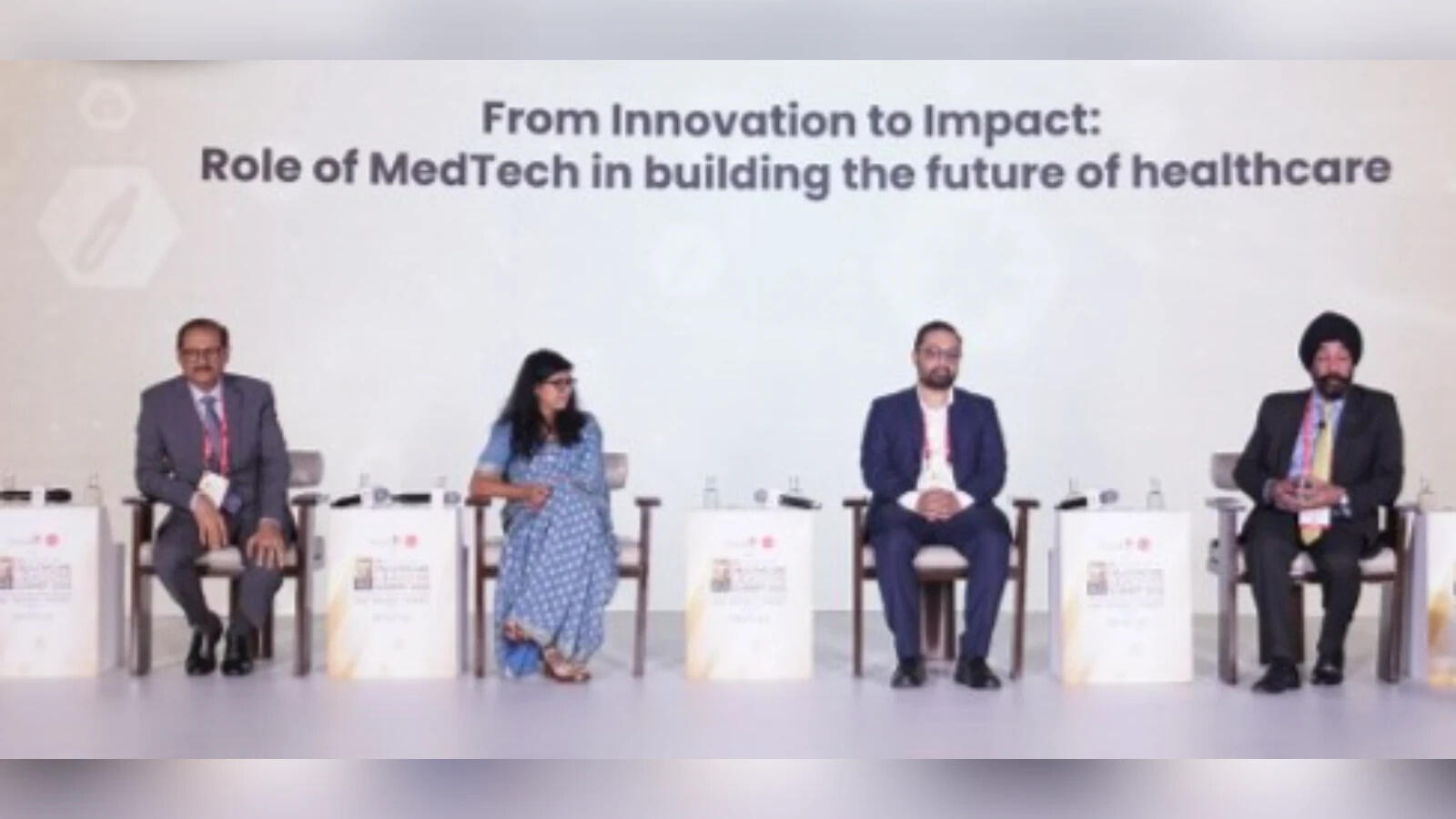
This perspective was at the heart of the panel discussion From Innovation to Impact: Role of MedTech in Building the Future of Healthcare at the Economic Times Healthcare Leaders’ Summit 2026. Moderated by Mandeep Singh Kumar, Vice President and Managing Director, Medtronic India Subcontinent Countries, the session brought together leaders from across the healthcare ecosystem, including Mr. Vipul Jain, CEO, CK Birla Hospitals, Dr. Randeep Wadhawan, Chairman of GI, Minimal Access and Bariatric Surgery, Max Hospital, Dwarka; and Dr. Ritu Mittal Garg, Chief Growth and Innovation Officer, Fortis Healthcare. The conversation explored the intersection of technology, clinical adoption, operational workflows and healthcare economics required to translate innovation into sustainable, scalable patient care.
For innovation to matter, it must first demonstrate value for the patient. Dr Wadhawan said, “From a clinician’s perspective, I think innovation should not be adopted because it’s new and there is enthusiasm around it but it should be clinically evident and clinically beneficial to the patient.”
The evolution of surgical technology shows how this can happen. Over time, advances in surgical stapling have improved procedural security and reduced complications, while newer technologies have also helped shorten the learning curve. When technology is supported by data, backed by training and integrated thoughtfully into practice, adoption becomes safer and more effective.
But clinical value alone is not enough. The next challenge is embedding innovation into everyday hospital care. Even strong pilots can face challenges when scaled across a hospital. Dr Garg said, “Many times the technology comes from somebody who believes in it, one centre can adopt it very successfully, but the idea to scale it up across the network, for even the simplest of solutions, is a bit of a challenge. I think there are two ways to do it. First, and most important, is the mindset. Organisations must have innovation and forward-thinking in their DNA.”
Garg added, “After that is the focus and the process to be able to do it. Typically, healthcare is very tactical in its own micro-systems every single day. Everybody is caught up in what’s happening today, and the mind-space to think medium- and long-term gets very limited. So you need to create a function, or a space, or a system that can take a step back with a wider, longer-term view.”
Workflow integration, staff training, nursing and technician capability, IT integration, interoperability and standardized protocols all shape whether a technology can be implemented successfully and sustained over time.
This is especially important when innovation must move beyond a single centre of excellence. Healthcare organizations operating across geographies and hospital formats need a structured approach to identifying, testing and scaling new technologies. Dedicated spaces to evaluate emerging solutions, early involvement of clinicians and business teams, and the sharing of successful outcomes across the network can help turn individual innovation into system-wide transformation.
Scaling advanced technologies also requires looking beyond conventional measures of return on investment. Jain said this isn’t always simple. “Some things are easy; high on financial viability and high on clinical impact, that’s an easy answer. But there are things which are high on clinical excellence and low on financial viability. Here, it’s important that we don’t look at viability only in the short term, and that we don’t hold it to an exceptionally high bar. Sometimes the return on capital may not be 25%, it may be 5%, but it’s not negative. Sometimes viability comes in four years or six years, not with the first hundred patients.”
Investments in advanced care often take time to demonstrate their full potential, particularly when capabilities are being built in new markets.
For hospitals, the definition of value is expanding. Total cost of care offers a broader view than the cost of a single procedure, while clinical outcomes and patient experience provide additional measures of impact. Trust is equally important. Positive patient experiences, word-of-mouth referrals and returning patients can all reflect the long-term value created by better care.
Ultimately, the conversation about technology comes back to access. Advanced healthcare cannot remain concentrated in a few metropolitan centres. The goal must be to ensure that patients in tier-two and tier-three cities also have access to safe, clinically proven and high-quality care. Achieving this will require stronger collaboration across the healthcare ecosystem, supported by training, infrastructure, affordability, digital connectivity, clinical capability and standardization. Outcome- and quality-linked approaches from payers can also help accelerate adoption.
Looking ahead, technology has the potential to enable a more connected patient journey. Greater interoperability across health data sources could give hospitals a more complete picture of each patient and support more predictive, personalized care. At the same time, technology and standardized clinical practices can help ensure that the quality of care a patient receives is less dependent on geography or the institution they enter.
The opportunity, therefore, is not only to develop more advanced technologies, but to build the ecosystem needed to translate those technologies into meaningful outcomes. That means bringing together clinicians, hospital leaders, technology companies, payers and other stakeholders around a shared focus on adoption, quality, sustainability and access.
Ultimately, the future of healthcare is not about having the most advanced technology. It is about ensuring that the right technology, in the right hands, reaches the right patient at the right time and creates better outcomes that can be sustained and scaled.
Disclaimer: The above content is non-editorial, and TIL hereby disclaims any and all warranties, expressed or implied, relating to it, and does not guarantee, vouch for or necessarily endorse any of the content.
Join the community of 2M+ industry professionals.
Subscribe to Newsletter to get latest insights & analysis in your inbox.
All about ETHealthworld industry right on your smartphone!
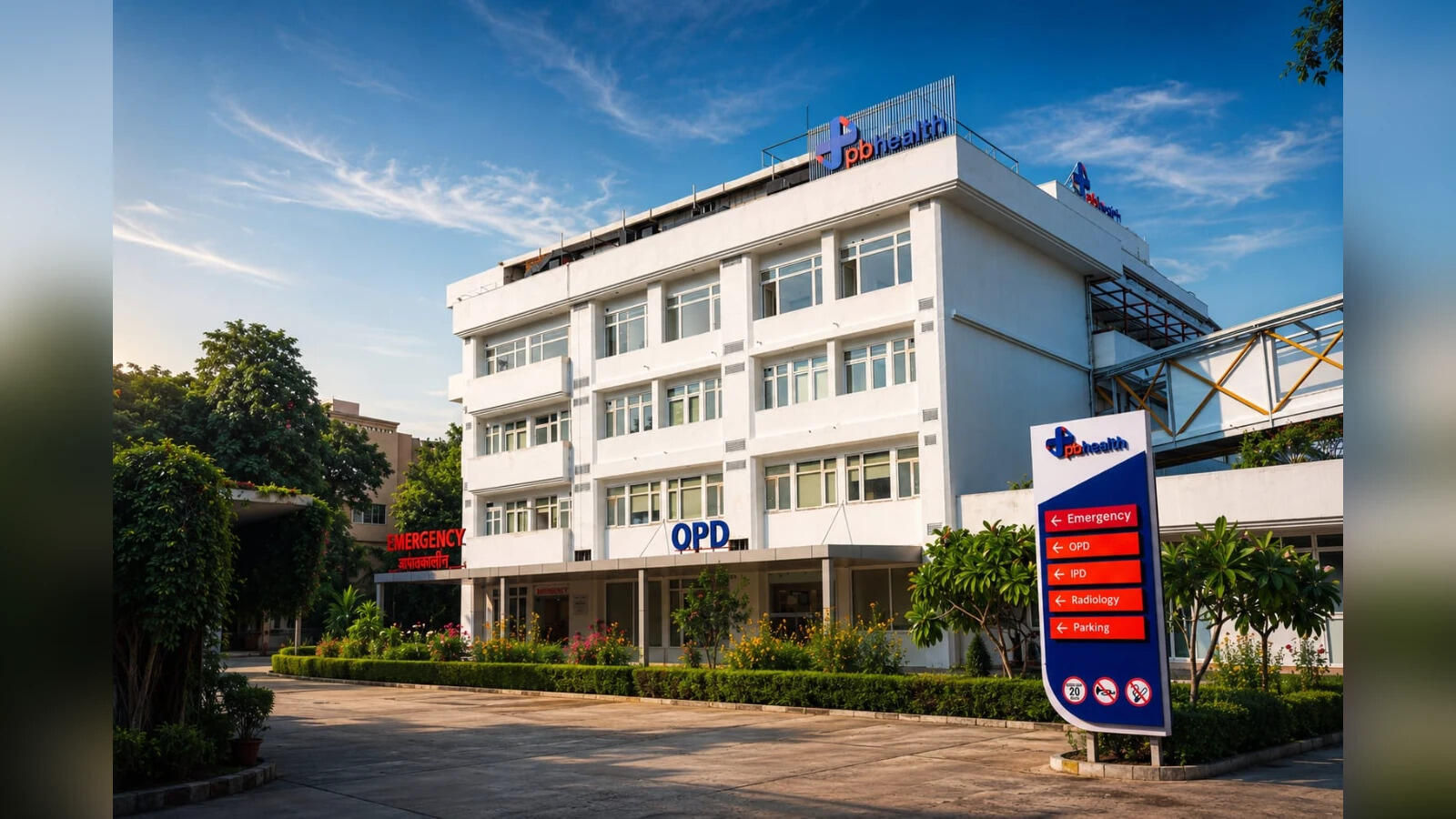
New Delhi: PB Health, backed by PB Fintech Limited, the holding company of Policy Bazaar has launched its first hospital in Gurugram.
The 100-bed multispecialty hospital at Iffco Chowk, DLF Phase 2, Gurugram marks the first physical anchor of PB Health.
According to PB Health, the hospital will offer services across Neuro Sciences, Cardiology, Orthopaedics, Paediatrics, Gastroenterology, Gynaecology, Urology, Minimal Access & Robotic Surgery, and more.
The company had set out plans to operate a 1,200-bed network in Delhi NCR when it closed a $218 Mn seed funding round in 2025.
With the inauguration of its Gurugram Hospital, PB Health said it looks to establish a network of hospitals across India through direct ownership, strategic acquisitions, and franchise partnerships.
“The company is actively developing additional 200-to-250-bed multispecialty hospitals across the Delhi-NCR region while rolling out a nationwide franchise model to collaborate with partner hospitals across the country,” PB Health said in a statement.
Its recent acquisitions include Neo Hospital and health-tech platform Fitterfly.
Join the community of 2M+ industry professionals.
Subscribe to Newsletter to get latest insights & analysis in your inbox.
All about ETHealthworld industry right on your smartphone!
Chennai: More than 2,000 MBBS seats, including more than 1,000 in govt colleges across India and 100 state-run colleges, will go to the stray round because counselling rules let students block seats they never intended to take. Students who secure a new allotment are allowed to decline it and retain their existing seat.
Experts say this keeps govt seats out of reach of higher-scoring students during regular counselling. By the time those seats reach the stray round, students already enrolled in costly private institutions, which charge around ₹30 lakh a year, cannot upgrade.
Medical counselling committee, which allocates 15% of seats in govt medical colleges and all seats in central institutions and deemed universities, released a 272-page list of MBBS, BDS and nursing candidates who did not report after the third round. Those who missed the Oct 9 deadline to report in person can no longer claim their seats, it said. The vacancy compilation lists 106 MBBS seats in Tamil Nadu — two at Madras Medical College, seven each at Madurai Medical College and Government Medical College and ESIC Hospital, Coimbatore, and 10 at AIIMS Madurai.
Students, parents and counsellors called the system unfair and urged counselling authorities at state and centre to bring in tighter regulations that stop candidates from blocking seats. One student who joined Stanley Medical College through state counselling secured a seat at Madras Medical College in the third All India Quota round but chose to stay at Stanley.
Another, enrolled in a private institution in Coimbatore, secured a seat at Government Tiruvallur Medical College but did not join. “These two seats have moved to the stray round because counselling agencies have failed to fix gaps in the system. They need a common dashboard, at least from the third round,” said student counsellor Manickavel Arumugam. “The Stanley seat should have been cancelled as soon as the student received his MMC allotment. The same should apply to the student in Coimbatore. Candidates who decline the new seat should have to wait until next year’s counselling. Strict rules, including a ban for a year, will ensure students choose only seats they intend to take,” he said. The penalty of ₹5,000 to ₹10,000 for students who don’t take govt seats allotted to them is a weak discouraging factor, he said.
Parents said the process penalises higher-ranked students who have already joined expensive colleges. “Lower-ranked candidates still eligible for the stray round may get government seats. While we continue to pay a higher fee in a private college despite having a higher rank,” said M Senthilkumar, whose niece is admitted to a private institution, where the annual fee is ₹23 lakh. “Central and state selection committees must allow upgrades in the stray round to address this injustice,” he said.
Teachers say the remedy must go beyond piecemeal changes. “MCC and the states need to overhaul counselling, with synchronised schedules, allotments and admission lists. The two committees should be able to co-ordinate with each other to conduct counselling. In true spirit of NEET, higher-ranked students should not lose the chance to move to government colleges because the two systems fail to coordinate,” said Naveen R, a NEET coach.
Join the community of 2M+ industry professionals.
Subscribe to Newsletter to get latest insights & analysis in your inbox.
All about ETHealthworld industry right on your smartphone!
Pune: The state govt plans to launch an emergency air ambulance service on three major highways from early next year to ensure faster medical assistance to accident victims, transport minister Pratap Sarnaik said on Tuesday.
The service will cover Samruddhi Mahamarg (Mumbai-Nagpur highway), Pune-Mumbai Expressway and Mumbai-Goa highway, with the aim of transporting critically injured victims to hospitals during the crucial ‘golden hour’ — the first hour after an accident, when timely treatment can significantly improve survival chances.
“The aim is to ensure timely medical treatment for those injured in severe road accidents and help save lives,” Sarnaik said.
The govt plans to finalise and secure approval for a standard operating procedure (SOP) by Nov 15. The tendering process will begin after approval from the high-powered committee, expected by the end of Nov. The service is scheduled to become operational at the beginning of the new year, he added.
Around 15,000 road accidents are reported in Maharashtra annually, Sarnaik said. Reaching victims quickly remains a challenge, particularly on highways where traffic congestion, long distances to hospitals and inadequate access to emergency medical facilities can delay treatment.
The proposed system will focus on air ambulance availability, safe transportation of injured victims to trauma care centres and coordination among emergency response agencies. The transport department will work with the health department and police to frame the SOPs. The plan also includes developing a network of trauma care centres, empanelling service providers, allocating funds from the road safety fund and standardising emergency response protocols.
Aviation experts, however, cautioned that implementing a round-the-clock service would require substantial infrastructure and coordination. “With rapid urbanisation, exponential growth in vehicles and chronic traffic jams, reaching accident victims, especially on highways during the critical golden hour, has become extremely challenging, often costing precious lives. While the govt’s intent is commendable, introducing such a 24×7 service is not easy,” aviation analyst Dhairyashil Vandekar said.
He said the initiative would require seamless coordination among National Highways Authority of India (NHAI), Maharashtra State Road Development Corporation (MSRDC), health department, Directorate General of Civil Aviation (DGCA), air traffic control authorities and hospitals. “Dedicated helipads at regular intervals, night-landing facilities, specially trained paramedics and a robust command-and-control centre will also be essential,” he said.
Vandekar also called for a viable medical insurance model to cover air ambulance costs and keep the service affordable. “The govt must simultaneously look at a medical insurance model that covers air ambulance charges, as is done in developed countries, so that the service does not remain limited to the privileged and is financially sustainable,” he said.
Join the community of 2M+ industry professionals.
Subscribe to Newsletter to get latest insights & analysis in your inbox.
All about ETHealthworld industry right on your smartphone!
The Delhi High Court on Wednesday issued notices to the Food Safety and Standards Authority of India (FSSAI), the Centre and the Delhi government over a public interest litigation (PIL) alleging that non-dairy substitutes are being sold as paneer without consumers being informed about their ingredients.
A bench comprising Acting Chief Justice Nitin W Sambre and Justice Sanjay Singh directed the authorities to submit their responses within six weeks.
The petition, filed by Ridhima Singh and Avlokiteshwar Padmapani Sidharth, raised concerns over the sale of dairy analogue products under the name of paneer, arguing that such substitutes contain non-milk ingredients and do not offer the same nutritional value as traditional paneer.
According to the petitioners, paneer is a standardised dairy product under food safety regulations, while dairy analogues may contain vegetable fats, oils and other non-milk constituents.
They argued that consumers ordering paneer dishes at hotels and restaurants have no way of determining whether the food has been prepared using genuine paneer or a non-dairy alternative.
Citing the ongoing festive season, the petitioners sought immediate intervention from the court, requesting directions to authorities to conduct sampling and testing of paneer and products marketed as paneer.
“They are doing it, they have placed the statistics (before us) to that effect,” the bench observed in response.
The PIL also referred to measures taken by Gujarat, Punjab, Chhattisgarh and Maharashtra against non-dairy paneer and sought similar action in Delhi.
The petitioners urged the court to direct authorities to prevent the manufacture, supply, sale and serving of dairy analogue paneer in the national capital.
They also sought mandatory disclosure requirements for hotels, restaurants, caterers, eateries, cloud kitchens and e-commerce food businesses using non-dairy substitutes in their preparations.
“A consumer who knowingly purchases a product correctly disclosed as an analogue or non-dairy substitute makes an informed choice. However, a consumer who purchases or orders ‘paneer’ is entitled to receive a product which answers the statutory description of paneer and ought not to be unknowingly supplied a product in which essential milk constituents have been substituted by vegetable fat, vegetable oil or other non-milk constituents,” the petition said.
The matter concerns the distinction between standardised dairy products and non-dairy alternatives, with the petitioners seeking measures to ensure consumers are informed about the ingredients used in food sold as paneer.
New Delhi: Four boxes containing injections of a cancer drug went missing from the Delhi State Cancer Institute in east Delhi’s Dilshad Garden, prompting the registration of an FIR, police said on Tuesday.
The estimated retail value of the missing medicines is between Rs 9 lakh and Rs 10.8 lakh, according to experts.
The complaint, filed by Dr Pankaj Tyagi, associate professor of gastroenterology at the institute, stated that four boxes containing nimotuzumab 200 mg injections, with each box containing four vials of 50 mg each, were found missing from a designated refrigerator in the chemotherapy day care department on the second floor.
Nimotuzumab is a monoclonal antibody used in targeted cancer treatment. It works by targeting the epidermal growth factor receptor (EGFR), a protein involved in the growth of cancer cells. It is used in the treatment of certain cancers, including head and neck cancer and glioma.
According to the complaint, the injections were placed in the refrigerator on October 3 between 5.30 pm and 6 pm, after the completion of chemotherapy procedures.
When the refrigerator was opened on October 5 to issue the medicines for use, the four boxes were found missing, the complaint stated.
The institute constituted a committee to conduct an internal inquiry into the reported shortage and examine the relevant stock and medicine records, according to the complaint.
An immediate response on the matter was not available from the hospital.
The matter was subsequently brought to the notice of the police for verification and investigation.
An FIR was registered on October 12 at the G T B Enclave police station under Section 305(a) of the Bharatiya Nyaya Sanhita. The accused has been listed as unknown in the FIR.
The police said that they have initiated an investigation into the matter. The official further said the hospital had reported similar incidents in the past, adding that the possibility of an organised network dealing would also be examined as part of the investigation.