Tag: STAT+

  • STAT+: The rise of the AI-native radiology practice

    STAT+: The rise of the AI-native radiology practice

    Mario covers technology in health care, including FDA regulation of artificial intelligence; how Medicare pays for health tech; the use of AI in clinical care; mental health chatbots; and consumer wearables. He’s also the co-author of the free, twice weekly STAT Health Tech newsletter. You can reach Mario on Signal at mariojoze.13.

    Good morning health tech readers!

    It’s gonna be a great day. 

    Reach me: [email protected]

    The Medicare RPM backlash

    Medicare’s plan to rein in spending on remote patient monitoring has prompted surprising pushback from insurers. Under these billing codes, Medicare pays health care providers to track and manage the health of their patients using connected devices like blood pressure cuffs.

    As I report in a new story, UnitedHealth Group, CVS Health, and Kaiser Permanente all wrote letters opposing a medicare proposal that such remote-monitoring services be rendered directly by employees of the provider billing for it. Currently much of RPM is delivered by vendors working under the supervision of the billing providers.

    STAT+ Exclusive Story

    Already have an account? Log in

    STAT+

    STAT+

    This article is exclusive to STAT+ subscribers

    Unlock this article — plus in-depth analysis, newsletters, premium events, and news alerts.

    Already have an account? Log in

    View All Plans

    To read the rest of this story subscribe to STAT+.

    Subscribe

  • STAT+: In radiology, AI is blurring the line between technology development and clinical practice

    STAT+: In radiology, AI is blurring the line between technology development and clinical practice

    Katie covers the impact of health technology on patients, clinicians, and businesses. Her stories explore the price tag of clinical AI, digital health at the FDA, and the boom in direct-to-consumer telehealth. Confidential tips can be sent on Signal at palmer.01.

    A decade ago, machine learning scientist and Nobel laureate Geoffrey Hinton made a proclamation that still puts radiologists on edge.

    “If you work as a radiologist,” the so-called godfather of artificial intelligence said at a conference, “you’re like a coyote that’s already over the edge of the cliff, but hasn’t yet looked down.” Deep learning was getting so good, so fast, said Hinton, that “people should stop training radiologists now.” In five years — ten, max — AI would do better than radiologists, he predicted. 

    The clock has run out on that prediction. But the field of radiology isn’t just staring at its shoes, waiting to see how technology upends the profession. Instead, a growing number of radiology practices, in particular outpatient and teleradiology groups, are aggressively embracing AI: developing and acquiring their own tech, deploying it in-house, and marketing their “AI-native” capabilities to radiologist employees and hospital customers alike. 

    STAT+ Exclusive Story

    Already have an account? Log in

    STAT+

    STAT+

    This article is exclusive to STAT+ subscribers

    Unlock this article — and get additional analysis of the technologies disrupting health care — by subscribing to STAT+.

    Already have an account? Log in

    View All Plans

    To read the rest of this story subscribe to STAT+.
    Subscribe

  • STAT+: AI doomerism: Here’s how to make sense of it

    STAT+: AI doomerism: Here’s how to make sense of it

    This is the web edition of STAT’s AI Prognosis newsletter, our guide to artificial intelligence in health care and medicine. Sign up to get it delivered in your inbox every Wednesday. 

    *Bernie Sanders voice* I am once again asking you to … forward this email to a friend! Non-subscribers can now sign up to get (a truncated version of) AI Prognosis. Tell ya buddies and coworkers!

    Also, tell your buddies about this essay from our new trust-in-science reporter, Nick Florko. Faced with health problems, he’s tried diets, supplements, and peptides — he understands the allure of non-scientifically backed treatments, and wants to listen to skeptics as he writes about doubt, misinformation, and distrust.

    Making sense of AI doomerism

    Over the last couple weeks, the fervor about whether AI will kill us all and needs to be slowed has continued on at a rolling boil.

    At STAT, we’ve discussed whether we need to write about it. But I have qualms: Firstly, the kind of nefarious AI that could potentially lead to human extinction is so far removed from still-error-prone health care AI that it’s almost impossible to talk about both at the same time.

    Then: Is this all marketing, as Anthropic and OpenAI prepare to go public? Are all of the recently disclosed AI safety incidents actually just examples of AI companies’ basic incompetence at cybersecurity and infrastructure skills, packaged to make the AI look impossibly smart?

    And then there’s the matter of finding someone who knows enough about AI to talk about it knowledgeably, but who also doesn’t have any incentive to frame it one way or another. (More on that in the next section.)

    In today’s issue, I’ll refer you to a few good reads in a few different areas (general AI, health care, and biology) to help make sense of this.

    STAT+ Exclusive Story

    Already have an account? Log in

    STAT+

    STAT+

    This article is exclusive to STAT+ subscribers

    Unlock this article — plus in-depth analysis, newsletters, premium events, and news alerts.

    Already have an account? Log in

    View All Plans

    To read the rest of this story subscribe to STAT+.

    Subscribe

  • STAT+: UnitedHealth, CVS push back on Medicare plan to curb remote patient monitoring

    STAT+: UnitedHealth, CVS push back on Medicare plan to curb remote patient monitoring

    Mario covers technology in health care, including FDA regulation of artificial intelligence; how Medicare pays for health tech; the use of AI in clinical care; mental health chatbots; and consumer wearables. He’s also the co-author of the free, twice weekly STAT Health Tech newsletter. You can reach Mario on Signal at mariojoze.13.

    Major insurers are pushing back on a Medicare proposal that would significantly disrupt how many doctors bill for tracking the health of patients using devices like connected blood pressure cuffs, scales, and blood glucose meters. These remote monitoring services help patients manage a range of medical conditions, including hypertension, diabetes, and heart failure.

    UnitedHealth Group, CVS Health, and Kaiser Permanente all wrote letters to the Centers for Medicare and Medicaid Services opposing a proposal that would require that remote patient monitoring care be delivered by direct employees of the practice that is billing for them — effectively banning providers from using contractors for the care. All of these groups operate both insurers and care organizations.

    The opposition from UnitedHealth Group is notable in particular because the company’s insurance subsidiary, UnitedHealthcare, recently attempted to stop paying for most remote patient monitoring “due to insufficient evidence of efficacy.”

    STAT+ Exclusive Story

    Already have an account? Log in

    STAT+

    STAT+

    This article is exclusive to STAT+ subscribers

    Unlock this article — and get additional analysis of the technologies disrupting health care — by subscribing to STAT+.

    Already have an account? Log in

    View All Plans

    To read the rest of this story subscribe to STAT+.

    Subscribe

  • STAT+: Scientists made mice with half a brain. Then they filled them with human organoids

    STAT+: Scientists made mice with half a brain. Then they filled them with human organoids

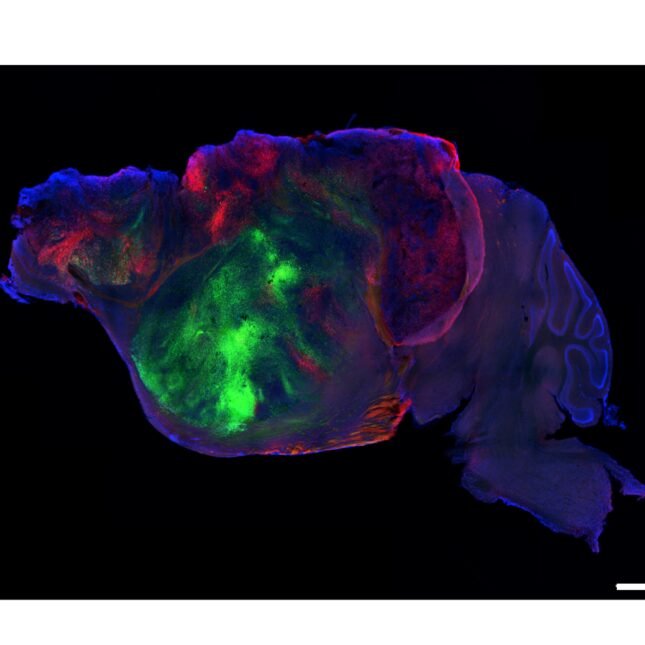
    For the last decade, scientists have been steadily getting better at growing “cerebral organoids,”  miniature, three-dimensional brain-like structures, from human stem cells in the lab. Now, a group from Stanford University has found a way to advance their usefulness for studying brain development and disease — by instead growing them inside mice that have had large parts of their own brains genetically removed. 

    Neuroscientists say these “neuro-chimeric” mice, whose brains are half-human — by volume, not by number of neurons — are an important innovation for a field hampered by longstanding challenges in accessing human brain tissue for research. But such models also raise a host of ethical questions that will get thornier the more advanced they become. 

    In a study published Wednesday in Nature, the Stanford team reported finding types of human cells inside the brains of 3-month-old chimeric mouse pups that are very hard to obtain in a dish. They included pyramidal projection neurons that had wound their way into some of the animals’ spinal cords. The scientists also found evidence of specialized, super-sized neurons involved in social cognition only found in large-brain mammals like elephants, whales, and primates, including humans. 

    STAT+ Exclusive Story

    Already have an account? Log in

    STAT+

    STAT+

    This article is exclusive to STAT+ subscribers

    Unlock this article — plus in-depth analysis, newsletters, premium events, and news alerts.

    Already have an account? Log in

    View All Plans

    To read the rest of this story subscribe to STAT+.

    Subscribe

  • STAT+: The Ig Nobel Prizes, long held in the U.S., head to Europe due to Trump policies

    STAT+: The Ig Nobel Prizes, long held in the U.S., head to Europe due to Trump policies

    By Allyson Chiu — Boston Globe

    Sept. 2, 2026

    It usually takes 10 minutes for Marc Abrahams, founder of the Ig Nobel Prizes, to walk from his home in Cambridge, Mass., to the annual award ceremony — a world-renowned spectacle celebrating quirky scientific achievements.

    But this year, Abrahams’s trip involves an international flight.

    For the first time since the awards — a satirical version of the Nobel prizes — were created in 1991, the ceremony, which takes place Thursday and draws hundreds of scientists and journalists from around the world, is not being held in Cambridge or Boston. Organizers said they decided to move the event to Zurich, Switzerland, due to concerns that many international participants, including award winners, would not feel comfortable or be able to come to the United States amid the Trump administration’s immigration crackdown and upending of science.

    STAT+ Exclusive Story

    Already have an account? Log in

    STAT+

    STAT+

    This article is exclusive to STAT+ subscribers

    Unlock this article — plus in-depth analysis, newsletters, premium events, and news alerts.

    Already have an account? Log in

    View All Plans

    To read the rest of this story subscribe to STAT+.
    Subscribe

  • STAT+: House votes to temporarily block Trump plan to politicize federal grants

    STAT+: House votes to temporarily block Trump plan to politicize federal grants

    Research policy was included in must-pass government funding bill

    Samuel Corum/Getty Images

    John writes about the politics of health care, and he is the author of the twice-weekly D.C. Diagnosis newsletter. You can reach John on Signal at John_Wilkerson.07.

    Anil Oza is a general assignment reporter at STAT focused on the NIH and health equity. You can reach him on Signal at aniloza.16.

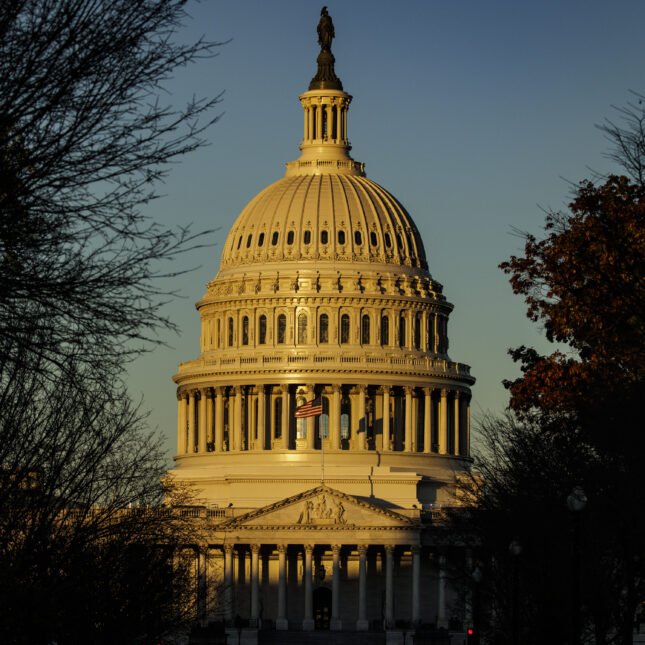
    WASHINGTON — The House voted Tuesday to pass a stopgap government-funding bill that temporarily blocks the White House’s proposal to give political appointees more control over federal research grants.

    The vote was 370-48 in favor. The Senate passed the same bill a month ago, so it now goes to the president for his signature. 

    The reprieve is brief. The bill funds the government until Dec. 11 to get past the midterm elections without a government shutdown, and the ban on the research-funding policy expires at the same time.

    STAT+ Exclusive Story

    Already have an account? Log in

    STAT+

    STAT+

    This article is exclusive to STAT+ subscribers

    Unlock this article — plus in-depth analysis, newsletters, premium events, and news alerts.

    Already have an account? Log in

    View All Plans

    To read the rest of this story subscribe to STAT+.

    Subscribe

    1. John writes about the politics of health care, and he is the author of the twice-weekly D.C. Diagnosis newsletter. You can reach John on Signal at John_Wilkerson.07.

    2. General Assignment Reporter

      Anil Oza is a general assignment reporter at STAT focused on the NIH and health equity. You can reach him on Signal at aniloza.16.

  • STAT+: Will House delay Trump plan to politicize NIH grants? 

    STAT+: Will House delay Trump plan to politicize NIH grants? 

    You’re reading the web edition of D.C. Diagnosis, STAT’s twice-weekly newsletter about the politics and policy of health and medicine. Sign up here to receive it in your inbox on Tuesdays and Thursdays.

    A New York bar sells a spritz in a Hermès-esque glass purse, while in Baltimore you can get a spritz made with Miller High Life beer. Way to keep it real, guys. Send news tips and your favorite cocktail of the Deadliest Drug to [email protected] or John_Wilkerson.07 on Signal.

    The need-to-know this week

    • The House returns for one week and will vote on the Senate’s stopgap funding bill that temporarily blocks the White House’s proposal to give political appointees control over federal research grants. The House will use a fast-track process that requires two-thirds support for passage, signaling that House GOP leadership believes the Senate bill will pass. The House vote is expected Tuesday evening, according to Punchbowl News. Were it to fail, lawmakers would have to wait until the Senate returns on Sept. 14 to work out differences between the two chambers’ bills.
    • Congressional Medicare advisers kick off their annual public meeting cycle on Thursday. This cycle, the Medicare Payment Advisory Commission will analyze the Part D benefit redesign. The redesign reduced cost sharing for beneficiaries and gave insurers more reason to manage costs, but it has probably also contributed to more spending. MedPAC also will study clinician quality measurements, and commissioners will continue their work on Medicare Advantage.

    Nine, or 10, more MFN deals

    President Trump announced nine more deals to set drug prices in Medicaid on par with prices available in peer countries, Daniel Payne and Elaine Chen report. But it seems they missed one.

    STAT+ Exclusive Story

    Already have an account? Log in

    STAT+

    STAT+

    This article is exclusive to STAT+ subscribers

    Unlock this article — plus in-depth analysis, newsletters, premium events, and news alerts.

    Already have an account? Log in

    View All Plans

    To read the rest of this story subscribe to STAT+.
    Subscribe

  • STAT+: NIH proposal to cap research grants draws mixed reception, agency says

    STAT+: NIH proposal to cap research grants draws mixed reception, agency says

    By Anil Oza

    Sept. 1, 2026

    General Assignment Reporter

    Under the Trump administration, competition for government funding for biomedical research has reached new heights. In June, the National Institutes of Health proposed one solution: limiting the number of grants each individual scientist can have at a given moment. 

    The agency recently released the anonymized 3,307 responses to its call for feedback, and it appears the proposal has drawn more mixed reactions than earlier such proposals. The NIH estimates that 40% of the responses opposed the proposal, 27% supported the idea of a cap, and 32% were mixed. 

    In a post on its site, the agency said it hopes a cap could “contribute to a more balanced research portfolio, advancing stewardship, workforce sustainability, and the goals of the NIH Unified Funding Strategy.” But even some experts who agree with the spirit of the proposal worry that it could be another source of disruption for researchers in what has been a tumultuous time; some also argue that a straight cap on the number of grants may be too simplistic. 

    STAT+ Exclusive Story

    Already have an account? Log in

    STAT+

    STAT+

    This article is exclusive to STAT+ subscribers

    Unlock this article — plus in-depth analysis, newsletters, premium events, and news alerts.

    Already have an account? Log in

    View All Plans

    To read the rest of this story subscribe to STAT+.

    Subscribe

  • STAT+: After a rough stretch, mRNA gets a boost — at least for now

    STAT+: After a rough stretch, mRNA gets a boost — at least for now

    Angus reports on the basic research, clinical science, and drug development that may transform survival and quality of life for patients, as well as developments affecting the cancer community. You can reach Angus on Signal at angus.08.

    The mRNA technology that built Moderna and BioNTech’s Covid-19 vaccines and is now being used to build cancer vaccines has been through political whiplash. But now, with clinical success from Moderna and Merck on using a personalized mRNA vaccine for melanoma, experts are hoping for a more stable future for the field. 

    “I don’t know how this will be received among parts of our society that have become suspicious of the word ‘vaccine.’ There’s a possibility that people will say, ‘Oh, if we can vaccinate against cancer, that’s good,’” said Ryan Sullivan, a Mass General Brigham melanoma physician and immunologist who has worked with Moderna. “Maybe that will thaw some of the stigma around vaccines. I don’t think it’ll fix all of it, but maybe just a little bit helps us think of ‘vaccine’ not as a dirty word, ‘mRNA’ as not a four-letter word.”

    mRNA technology allows scientists to instruct cells to construct practically any protein or protein pieces by simply rewriting the mRNA’s genetic code. That is one of the technology’s greatest strengths, and what made it possible for scientists to develop Covid vaccines in under a year. It was also possible in part thanks to Operation Warp Speed, which helped fund and push the vaccine’s development. President Trump still calls it a “monumental national achievement” of his first term. 

    STAT+ Exclusive Story

    Already have an account? Log in

    STAT+

    STAT+

    This article is exclusive to STAT+ subscribers

    Unlock this article — plus in-depth analysis, newsletters, premium events, and news alerts.

    Already have an account? Log in

    View All Plans

    To read the rest of this story subscribe to STAT+.

    Subscribe