Tag: STAT+

  • STAT+: PhRMA sues over Trump policy mandating lower drug prices in Medicare

    STAT+: PhRMA sues over Trump policy mandating lower drug prices in Medicare

    Pilot program known as GLOBE is intended to test ‘most-favored nation’ policy

    Close up stock news photo of medicare advantage membership cards
    Jenny Kane/AP

    By John Wilkerson

    Oct. 7, 2026

    John Wilkerson, a Washington correspondent, is the author of D.C. Diagnosis, a twice-weekly newsletter about the politics and policy of health and medicine.

    John writes about the politics of health care, and he is the author of the twice-weekly D.C. Diagnosis newsletter. You can reach John on Signal at John_Wilkerson.07.

    WASHINGTON — The brand drug industry’s main trade group is suing the Trump administration over a pilot program tying Medicare drug prices to those in peer countries.

    The Pharmaceutical Research and Manufacturers of America said Wednesday that it had filed a complaint in the U.S. District Court for the District of Columbia asserting that the “most-favored nation” pilot in Medicare Part B exceeds Medicare’s statutory authority. 

    The pilot, called GLOBE, is not expected to have much impact because the administration exempted all but a handful of companies in return for their agreement to voluntary deals to charge Medicaid MFN prices. 

    STAT+ Exclusive Story

    Already have an account? Log in

    STAT+

    STAT+

    This article is exclusive to STAT+ subscribers

    Unlock this article — plus daily coverage and analysis of the pharma industry — by subscribing to STAT+.

    Already have an account? Log in

    View All Plans

    To read the rest of this story subscribe to STAT+.

    Subscribe

    1. John writes about the politics of health care, and he is the author of the twice-weekly D.C. Diagnosis newsletter. You can reach John on Signal at John_Wilkerson.07.

  • STAT+: Merck suffers a setback in Europe over its new Keytruda formulation

    STAT+: Merck suffers a setback in Europe over its new Keytruda formulation

    By Ed Silverman

    Oct. 7, 2026

    Pharmalot Columnist, Senior Writer

    Ed’s stories explore prescription drug pricing, affordability and access, as well issues surrounding patents, litigation, and legislation. He is also the author of the morning Pharmalittle newsletter and the afternoon Pharmalot newsletter.

    In a setback for Merck, a Dutch court ruled that the company infringed on a patent pertaining to a subcutaneous formulation of its Keytruda cancer treatment and was ordered to halt manufacturing and marketing of the medication in several European countries, including France, Italy, Sweden, Switzerland, and the Netherlands.

    The ruling came as part of a widening patent infringement dispute with Halozyme Therapeutics over the best-selling cancer treatment. Patients requiring Keytruda will still have access to the existing intravenous version, which is not affected by the patent dispute or court order.

    In a statement, Merck said it “strongly” disagreed with the court’s decision.

    STAT+ Exclusive Story

    Already have an account? Log in

    STAT+

    STAT+

    This article is exclusive to STAT+ subscribers

    Unlock this article — plus in-depth analysis, newsletters, premium events, and news alerts.

    Already have an account? Log in

    View All Plans

    To read the rest of this story subscribe to STAT+.

    Subscribe

  • STAT+: Why health AI pilots in Utah may be on a collision course with the FDA

    STAT+: Why health AI pilots in Utah may be on a collision course with the FDA

    You’re reading the web edition of STAT’s AI Prognosis newsletter

    STAT/Adobe

    Brittany Trang, Ph.D., covers AI in health and medicine: Does it actually work? Who benefits, or might be harmed? She writes the weekly AI Prognosis newsletter. Follow her on Threads, Mastodon, and Bluesky. You can reach Brittany on Signal at btrang.01.

    Mario covers technology in health care, including FDA regulation of artificial intelligence; how Medicare pays for health tech; the use of AI in clinical care; mental health chatbots; and consumer wearables. He’s also the co-author of the free, twice weekly STAT Health Tech newsletter. You can reach Mario on Signal at mariojoze.13.

    This is the web edition of STAT’s AI Prognosis newsletter, our guide to artificial intelligence in health care and medicine. Sign up to get it delivered in your inbox every Wednesday. 

    I have refused to read or watch “The Love Hypothesis” — I referred to it as the “Title IX movie” the other day when I forgot its name. But the clips are inescapable on my Instagram feed, and the science gaffes seem … real bad. Absolute butchering of how academia works? The impossible chemistry on the poster? Wearing miniskirts in the lab? Vortexing a test tube? *shudders*

    Once again: I firmly believe STAT would allow me to consult on science-related elements on film sets. Offers for Hollywood gigs, health tech story tips, comments: [email protected]

    STAT+ Exclusive Story

    Already have an account? Log in

    STAT+

    STAT+

    This article is exclusive to STAT+ subscribers

    Unlock this article — plus in-depth analysis, newsletters, premium events, and news alerts.

    Already have an account? Log in

    View All Plans

    To read the rest of this story subscribe to STAT+.

    Subscribe

    1. Brittany Trang, Ph.D., covers AI in health and medicine: Does it actually work? Who benefits, or might be harmed? She writes the weekly AI Prognosis newsletter. Follow her on Threads, Mastodon, and Bluesky. You can reach Brittany on Signal at btrang.01.

    2. Health Tech Correspondent

      Mario covers technology in health care, including FDA regulation of artificial intelligence; how Medicare pays for health tech; the use of AI in clinical care; mental health chatbots; and consumer wearables. He’s also the co-author of the free, twice weekly STAT Health Tech newsletter. You can reach Mario on Signal at mariojoze.13.

  • STAT+: Pharmalittle: We’re reading about WHO obesity guidelines for kids, DOJ targeting pharma, and more

    STAT+: Pharmalittle: We’re reading about WHO obesity guidelines for kids, DOJ targeting pharma, and more

    By Ed Silverman

    Oct. 7, 2026

    Pharmalot Columnist, Senior Writer

    Good morning, everyone, and welcome to the middle of the week. Congratulations on making it this far, and remember there are only a few more days until the weekend arrives. So keep plugging away. After all, what are the alternatives? While you ponder the possibilities, we invite you to join us for a needed cuppa stimulation. Our choice today is ginseng peach, a favorite from our pantry. Meanwhile, here is the latest menu of tidbits to help you on your way. We hope you conquer the world and have a wonderful day. And as always, please do stay in touch. We appreciate feedback, tips, and criticism. …

    The World Health Organization released its first guidelines addressing the sharp rise in obesity among children and adolescents, Health Policy Watch says. In 2024, 170 million children and adolescents aged 5–19 years were living with obesity, including 70 million children aged 5 to 9 years and 100 million adolescents aged 10 to 19 years. Obesity prevalence in this age group quadrupled since 1990, rising from 2% to 8%. But the WHO does not recommend pharmacological treatment, bariatric surgery, or weight loss devices for children aged 0 to 9 years. For adolescents aged 10 to 19 years, treatment with approved drugs may be considered only when a supervised multimodal lifestyle program has not achieved desired results.  

    Caribou Biosciences is shutting down after failing to raise the money necessary to fund a late-stage clinical trial of its off-the-shelf CAR-T therapy for lymphoma, STAT notes. The biotech, borne from the research lab of CRISPR scientist and Nobel laureate Jennifer Doudna, will discontinue clinical development of its two CRISPR-based CAR-T therapies, including vispa-cel for the treatment of advanced B-cell non-Hodgkin lymphoma. Over the past year, Caribou had worked successfully with the Food and Drug Administration to finalize the design of a Phase 3 trial for vespa-cel. Unfortunately, raising the money to pay for the study proved too difficult.

    STAT+ Exclusive Story

    Already have an account? Log in

    STAT+

    STAT+

    This article is exclusive to STAT+ subscribers

    Unlock this article — plus in-depth analysis, newsletters, premium events, and news alerts.

    Already have an account? Log in

    View All Plans

    To read the rest of this story subscribe to STAT+.

    Subscribe

  • STAT+: Justice Department targets drugmakers in new directive on combating white-collar fraud

    STAT+: Justice Department targets drugmakers in new directive on combating white-collar fraud

    By Ed Silverman

    Oct. 7, 2026

    Pharmalot Columnist, Senior Writer

    Ed’s stories explore prescription drug pricing, affordability and access, as well issues surrounding patents, litigation, and legislation. He is also the author of the morning Pharmalittle newsletter and the afternoon Pharmalot newsletter.

    In a warning to life sciences companies, the Department of Justice last week issued a new directive for combating fraud that made a point of noting the agency will pursue violations of a federal law that tightly regulates the pharmaceutical industry.

    Typically, the agency has pursued health fraud cases centered on providers, clinics, home health agencies, and hospices. By expressly including the Federal Food, Drug, and Cosmetic Act in the directive, the National Fraud Enforcement Division appears to be placing drug and device makers, among others, more clearly in its crosshairs.

    “This is a subtle but significant expansion of their jurisdiction,” said Kevin Lowell, a member of the Miller & Chevalier law firm, who spent a decade at the DOJ, where he most recently had been a deputy chief in the National Fraud Enforcement Division’s health care fraud section.

    STAT+ Exclusive Story

    Already have an account? Log in

    STAT+

    STAT+

    This article is exclusive to STAT+ subscribers

    Unlock this article — plus in-depth analysis, newsletters, premium events, and news alerts.

    Already have an account? Log in

    View All Plans

    To read the rest of this story subscribe to STAT+.

    Subscribe

  • STAT+: In Duchenne muscular dystrophy, a promising therapy is available to a fortunate few

    STAT+: In Duchenne muscular dystrophy, a promising therapy is available to a fortunate few

    By Jason Mast

    Oct. 7, 2026

    General Assignment Reporter

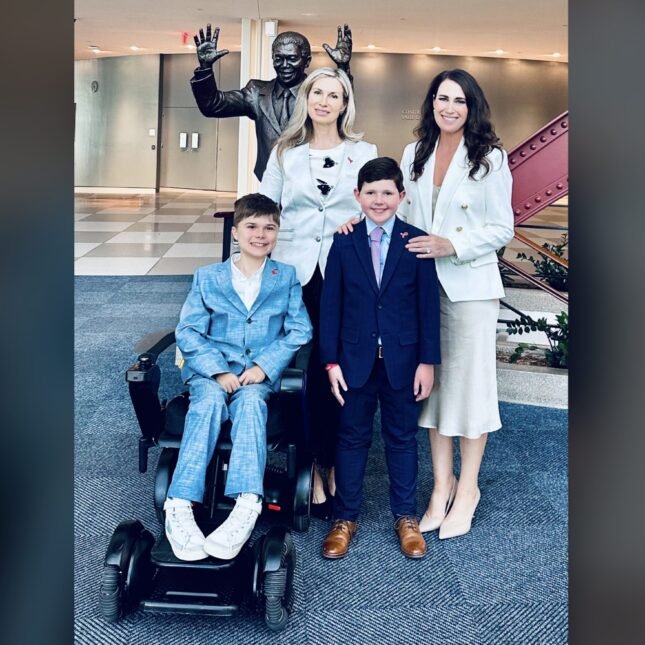
    There’s a boy like you in Minnesota, Yannick’s mom told him a few years ago. He has the same disease. He has the same kind of smile. Maybe you could talk?

    They clicked. After school and on weekends, the two boys boot up their computers, Yannick in San Diego and Brecken in a suburb of St. Paul, Minn. They play Roblox or build virtual worlds on Minecraft: a zoo, for example, like the real-world one 13-year-old Yannick wants to build when he grows up, full of lions, tigers, and giraffes. 

    They seldom talk about Duchenne muscular dystrophy, the rare fatal muscle-wasting disease they live with. But lately it’s all their moms can talk about. In stolen phone calls on the way to coffee or back from school, they compare the two boys: how quickly Yannick is declining and how steadily Brecken is — shockingly — improving.

    Last winter, Brecken, 12, started receiving an experimental drug developed by Avidity Biosciences. The medicine makes the cell’s protein-building machinery “skip” part of the gene, called an exon, behind Duchenne, allowing patients to make a shortened but functional version of a protein essential for muscle survival. In trials, it appeared to virtually arrest the disease in some patients. 

    The approach, however, is out of most patients’ reach. In principle, “skipping” strategies could benefit about 70% of the 10,000 to 15,000 Duchenne boys and men in the U.S. (The disease almost exclusively affects males.) But the medicines have to be targeted to a patient’s specific mutation. Only about 7% of patients — or roughly 900 Americans — are eligible for Avidity’s drug, called Del-zota, which is now under Food and Drug Administration review.

    STAT+ Exclusive Story

    Already have an account? Log in

    STAT+

    STAT+

    This article is exclusive to STAT+ subscribers

    Unlock this article — plus daily coverage and analysis of the biotech sector — by subscribing to STAT+.

    Already have an account? Log in

    View All Plans

    To read the rest of this story subscribe to STAT+.

    Subscribe

  • STAT+: Are stem cell treatments about to have their day?

    STAT+: Are stem cell treatments about to have their day?

    You’re reading STAT’s D.C. Diagnosis newsletter

    Adobe

    John writes about the politics of health care, and he is the author of the twice-weekly D.C. Diagnosis newsletter. You can reach John on Signal at John_Wilkerson.07.

    You’re reading the web edition of D.C. Diagnosis, STAT’s twice-weekly newsletter about the politics and policy of health and medicine. Sign up here to receive it in your inbox on Tuesdays and Thursdays.

    Celebrity doctor Mike Varshavski has been contacted by The Bachelor for its 30th season. Send news tips and hot physicians to [email protected] or John_Wilkerson.07 on Signal.

    A lame lame-duck

    On Friday, President Trump said he will give $90 to more than 20 million seniors to help pay for Medicare premiums.

    STAT+ Exclusive Story

    Already have an account? Log in

    STAT+

    STAT+

    This article is exclusive to STAT+ subscribers

    Unlock this article — plus in-depth analysis, newsletters, premium events, and news alerts.

    Already have an account? Log in

    View All Plans

    To read the rest of this story subscribe to STAT+.

    Subscribe

    1. John writes about the politics of health care, and he is the author of the twice-weekly D.C. Diagnosis newsletter. You can reach John on Signal at John_Wilkerson.07.

  • STAT+: FDA spells out 2027 AI guidance plans

    STAT+: FDA spells out 2027 AI guidance plans

    You’re reading the web edition of STAT’s Health Tech newsletter

    Stock photo of The FDA logo displayed on the screen of a smartphone with blue and black background
    Adobe

    Mario covers technology in health care, including FDA regulation of artificial intelligence; how Medicare pays for health tech; the use of AI in clinical care; mental health chatbots; and consumer wearables. He’s also the co-author of the free, twice weekly STAT Health Tech newsletter. You can reach Mario on Signal at mariojoze.13.

    You’re reading the web edition of STAT’s Health Tech newsletter, our guide to how technology is transforming the life sciences. Sign up to get it delivered in your inbox every Tuesday and Thursday.

    Good morning health tech readers!

    Just one week until the STAT Summit in Boston. I’ll be on stage. If you are interested in coming but are on the fence, give me a shout.

    STAT+ Exclusive Story

    Already have an account? Log in

    STAT+

    STAT+

    This article is exclusive to STAT+ subscribers

    Unlock this article — plus in-depth analysis, newsletters, premium events, and news alerts.

    Already have an account? Log in

    View All Plans

    To read the rest of this story subscribe to STAT+.

    Subscribe

    1. Health Tech Correspondent

      Mario covers technology in health care, including FDA regulation of artificial intelligence; how Medicare pays for health tech; the use of AI in clinical care; mental health chatbots; and consumer wearables. He’s also the co-author of the free, twice weekly STAT Health Tech newsletter. You can reach Mario on Signal at mariojoze.13.

  • STAT+: Pharmalittle: We’re reading about U.S.-funded psychedelic trials, an AstraZeneca R&D center, and more

    STAT+: Pharmalittle: We’re reading about U.S.-funded psychedelic trials, an AstraZeneca R&D center, and more

    By Ed Silverman

    Oct. 6, 2026

    Pharmalot Columnist, Senior Writer

    Rise and shine, everyone, another busy day is on the way. And it is getting off to a pleasant start here on the Pharmalot campus, where clear blue skies and comfy breezes are greeting us. As for the official mascots, they are happily snoozing in their respective corners. As for us, we are firing up the trusty kettle for another cuppa stimulation. Our choice today is honeybush vanilla turmeric. Of course, you are invited to join us. For the full experience, we are now hawking replicas — take a look. Meanwhile, here are a few items of interest. As always, do keep in touch. We appreciate feedback, criticism, and tips. …

    The Trump administration is advancing the first government-funded clinical trials of the psychedelic drug ibogaine to treat opioid addiction and ​post-traumatic stress disorder, Reuters says. The initiative ⁠follows an executive order signed last April by President Trump that dedicated $50 million ​to the federal ibogaine research, as well as recent calls by experts and ​veterans for strict safety standards on psychedelic treatments. The U.S. Food and Drug Administration said it has opened a public docket seeking feedback on trial design, dose selection, patient ​eligibility, safety monitoring, study-stopping rules, and oversight by Nov. 20.

    AstraZeneca’s pivot towards the U.S. market has continued with the opening of a new R&D center in the biotech hotspot of Cambridge, Mass., the centerpiece of a $1 billion investment program in the state, Pharmaphorum explains. The new facility in the Kendall Square area — which is one of the densest biotech clusters in the world, with hundreds of small and large biopharma companies present — covers 570,000 square feet of lab and office space over 18 stories. The center is part of a major investment program by the U.K.-based company that was first announced in 2024 and dramatically expanded to around $50 billion last year.

    STAT+ Exclusive Story

    Already have an account? Log in

    STAT+

    STAT+

    This article is exclusive to STAT+ subscribers

    Unlock this article — plus in-depth analysis, newsletters, premium events, and news alerts.

    Already have an account? Log in

    View All Plans

    To read the rest of this story subscribe to STAT+.

    Subscribe

  • STAT+: Nobel-winning optogenetics research has led to experimental treatments for blindness and Alzheimer’s

    STAT+: Nobel-winning optogenetics research has led to experimental treatments for blindness and Alzheimer’s

    Annalisa (Nalis) Merelli is focused on boys’ and men’s health: She looks into reproductive health, trending treatments, screening approaches, mental health, and everything in between.

    It is probably impossible to overstate how complex a brain is: A network of billions of intertwined neurons forming an intricate anatomy, capable of working on the millisecond scale to perceive reality, detect sensations, create plans, and take actions. 

    “All of this is incredibly complicated, and so of course the challenge that we face as neuroscientists and as physicians treating brain disorders is how can we hope to make headway without tools that match the complexity and the precision of the brain?” said Karl Deisseroth, a Stanford University and Howard Hughes Medical Institute researcher who on Monday won the 2026 Nobel Prize for Medicine, alongside German colleagues Peter Hegemann and Georg Nagel, for work developing such tools. 

    “Our perception of reality and all our inner subjective states come from cells, and so the appropriate tool that would be matched to how the brain works would be something that was fast and could be targeted to individual cells or individual types of cells,” he said in an interview after the announcement. 

    STAT+ Exclusive Story

    Already have an account? Log in

    STAT+

    STAT+

    This article is exclusive to STAT+ subscribers

    Unlock this article — plus in-depth analysis, newsletters, premium events, and news alerts.

    Already have an account? Log in

    View All Plans

    To read the rest of this story subscribe to STAT+.

    Subscribe