Category: Healthcare News

  • Menopause not gradual, body might experience a 'physiological cliff' around last period: Study

    Menopause not gradual, body might experience a 'physiological cliff' around last period: Study

    • Published On Oct 15, 2026 at 12:57 PM IST
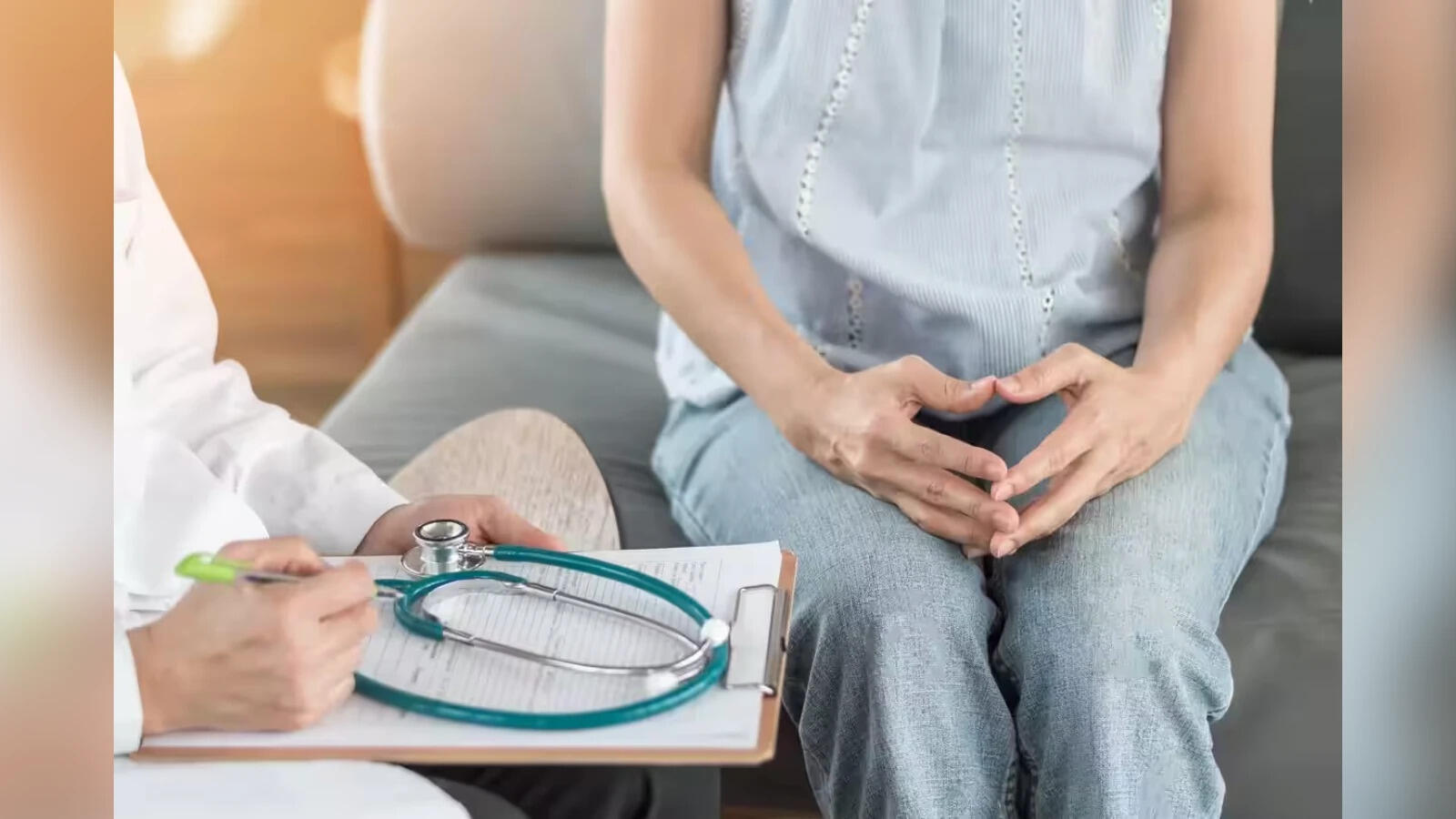
    New Delhi: Menopause may not be a gradual process taking years as is commonly thought — instead, the female body could be traversing a “physiological cliff” around the time of the last menstrual period, a new study has found.

    Analysing more than 300 million laboratory test results from over one million women in the US and Israel, researchers at Weizmann Institute of Science identified abrupt changes in dozens of measures of bodily health and function, far beyond the familiar shifts in sex hormone levels and the loss of fertility.

    Findings published in the Nature Medicine journal showed that the changes appeared in 52 of the 90 types of laboratory tests examined, covering nearly all body systems, including tests of bone health, liver and kidney function, and cholesterol levels.

    The changes were found to be less pronounced among women receiving menopausal hormone therapy.

    Further, the sudden shifts were preceded by accelerating changes in sex hormone levels that began more than a decade before menopause — several years earlier than previously thought.

    None of the abrupt changes were observed in men of similar ages, the study found.

    It “revealed a step-like physiological cliff at the FMP (final menstrual period) including endocrine, skeletal, hepatic, renal and lipid systems,” the authors wrote.

    Because most of the abrupt changes identified in the study are associated with increased disease risk, the findings could help women take preventive steps, such as exercising and improving their diet, years before menopause, the researchers said.

    “Our study extends the window for potential preventive care to almost a decade before menopause. More broadly, the method we developed may help study other major changes in life, such as puberty, pregnancy or the onset of disease,” author Uri Alon, from Weizmann Institute of Science, said.

    Two sets of data were analysed — results from the US National Health and Nutrition Examination Survey, conducted over more than two decades, and medical records collected over around 20 years by Israel’s health insurer Clalit.

    The researchers said that such large datasets are rarely used in menopause research because they generally lack information about the age at which women had their last period.

    To overcome the limitation, the team developed a computational method which they said is inspired by astronomy.

    Just as astronomers can sharpen an image by mathematically correcting distortions caused by a telescope, the new method removed the ‘blur’ in medical data caused by differences in the age at which women reach menopause, the researchers said.

    • Published On Oct 15, 2026 at 12:57 PM IST

    Join the community of 2M+ industry professionals.

    Subscribe to Newsletter to get latest insights & analysis in your inbox.

    All about ETHealthworld industry right on your smartphone!

  • Paras Healthcare to launch Rs 1,450-cr IPO on Oct 21; price band set at Rs 660-693/sh

    Paras Healthcare to launch Rs 1,450-cr IPO on Oct 21; price band set at Rs 660-693/sh

    • Published On Oct 15, 2026 at 12:23 PM IST

    New Delhi, Paras Healthcare Ltd, which operates hospitals under the Paras Health brand, will launch its Rs 1,450-crore initial public offering (IPO) on October 21, with a price band of Rs 660-693 per share.

    The three-day public issue will close on October 23, while the bidding for anchor investors will take place on October 19.

    The proposed IPO comprises a fresh issue of equity shares worth Rs 500 crore and an Offer for Sale (OFS) of shares worth Rs 950 crore by the selling shareholders, according to a public announcement on Thursday.

    The Gurugram-based firm has reduced the issue size from the Rs 1,800 crore planned earlier.

    As a part of the OFS, promoter Dharminder Kumar Nagar and investor Commelina Ltd will offload shares.

    Paras Healthcare proposes to utilise the proceeds from the fresh issue to repay debt.

    The company operates a network of eight hospitals under the Paras Health brand, with a presence across five states and one Union Territory.

    Its hospitals are located in Gurugram and Panchkula in Haryana, Patna and Darbhanga in Bihar, Kanpur in Uttar Pradesh, Udaipur in Rajasthan, Ranchi in Jharkhand and Srinagar in Jammu and Kashmir.

    The IPO has reserved 75 per cent of the net offer for qualified institutional buyers (QIBs), 15 per cent for non-institutional investors (NIIs) and 10 per cent for retail individual investors.

    The equity shares are expected to list on the bourses on October 28.

    JM Financial, BofA Securities India, and Nuvama Wealth Management are the book-running lead managers for the issue, while MUFG Intime India is the registrar.

    • Published On Oct 15, 2026 at 12:23 PM IST

    Join the community of 2M+ industry professionals.

    Subscribe to Newsletter to get latest insights & analysis in your inbox.

    All about ETHealthworld industry right on your smartphone!

  • 9L+ Ayushman Bharat registrations, Rs 118cr paid in claims: CM

    9L+ Ayushman Bharat registrations, Rs 118cr paid in claims: CM

    New Delhi: More than nine lakh people in Delhi have registered under Ayushman Bharat, with Rs 118 crore paid against around 85,000 claims. Nearly three lakh senior citizens have enrolled under Ayushman Vaya Vandana Yojana, which provides health cover to people aged 70 and above, irrespective of income, CM Rekha Gupta said Wednesday.

    Delhi cabinet has unanimously passed a resolution honouring PM Narendra Modi for completing 25 years of public service and thanking him for supporting Delhi’s development, Gupta said.

    “Under the leadership of Modi ji, Delhi has received unprecedented support in development of housing, roads, education, health and infrastructure. From property rights under PM-UDAY, better connectivity, cleaning of Yamuna and solutions to flatten mountains of garbage, the resolve for a developed Delhi is rapidly coming to fruition,” CM Gupta wrote on X.

    She credited Centre’s financial, technical and administrative assistance for accelerating the city’s growth, adding that Delhi govt has enhanced Centre’s Rs 5-lakh health cover with an additional Rs 5 lakh, taking the total coverage to Rs 10 lakh per person.

    Delhi govt has established around 415 Ayushman Arogya Mandirs, with a target of 1,100, while Jan Aushadhi medicines are now available at prices nearly 90% lower than market rates.

    Around 73 lakh families receive free rations monthly, and nearly three lakh gas connections have been provided under Ujjwala scheme, she said.

    On infrastructure, Gupta said road projects worth more than Rs 1.2 lakh crore had been completed, were underway or at the planning stage over the past 12 years. These include Pragati Maidan Integrated Transit Corridor, Dhaula Kuan signal-free corridor, Mahipalpur underpass and major expressways connecting Delhi with other regions.

    Delhi-NCR’s metro network serves around 85 lakh passengers daily. Investment in Delhi Metro projects from Phase I to V stands at Rs 1.2 lakh crore, including a Delhi govt contribution of Rs 27,000 crore. Around 5,300 electric buses are also operating in the capital.

    Centre has provided Rs 1,200 crore under Swachh Bharat Mission, Rs 830 crore under AMRUT and Rs 1,650 crore under SASCI scheme, supporting nearly 30 projects, the CM said.

    She also cited PM-Awas Yojana and ‘Jahan Jhuggi, Wahan Makan’ initiative for housing eligible families, and PM-UDAY regularisation of 1,511 unauthorised colonies, potentially benefiting around 45 lakh people.

    Join the community of 2M+ industry professionals.

    Subscribe to Newsletter to get latest insights & analysis in your inbox.

    All about ETHealthworld industry right on your smartphone!

  • Health ministry asked to examine coronary stent safety concerns

    Health ministry asked to examine coronary stent safety concerns

    Teena Thacker

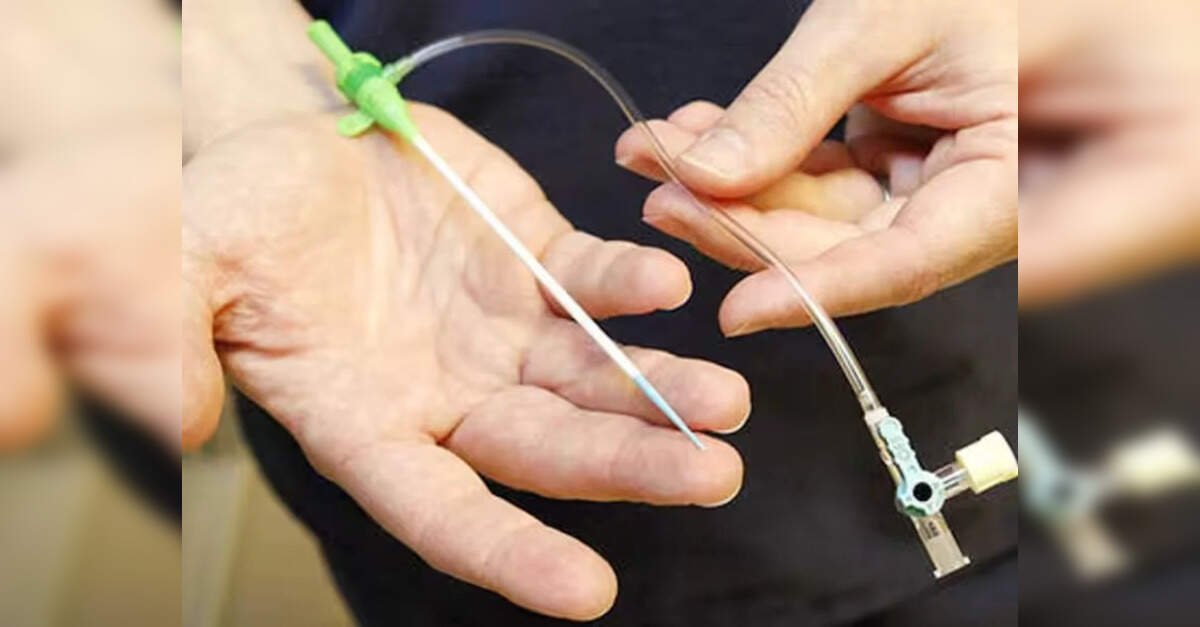
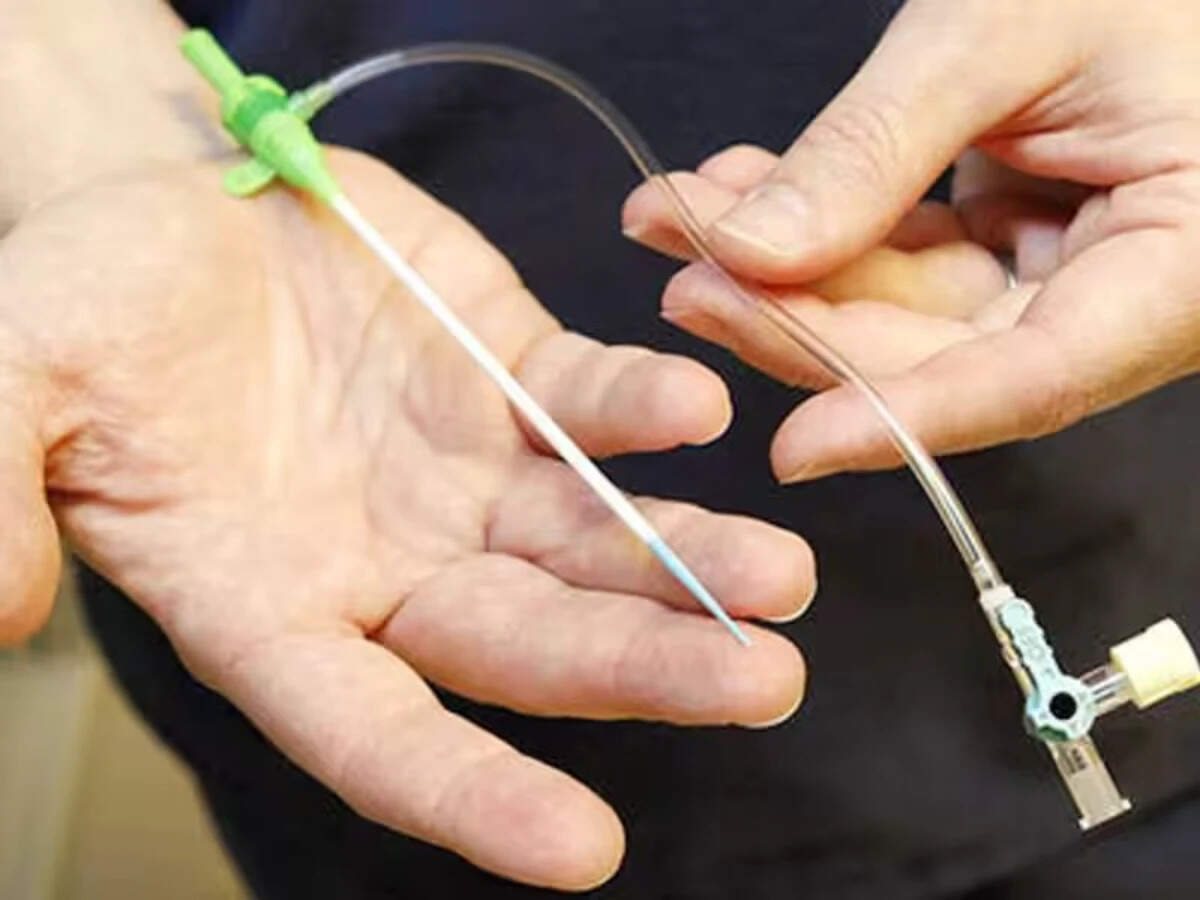
    New Delhi: The cabinet secretariat asked the Union health ministry to take action on concerns over the safety and quality of coronary stents, after a Parliament member sought its intervention.

    In a representation to the cabinet secretariat, Rajya Sabha member Ajeet Madhavrao Gopchade, a medical doctor, flagged safety concerns involving three models of India-made, drug-eluting coronary stents that were reportedly withdrawn in Sri Lanka following quality issues.

    In his representation, the MP referred to media reports of Sri Lanka’s medical device regulator directing the withdrawal of the three stent models due to concerns over improper positioning, stent dislodgement, acute stent thrombosis and failure to expand properly. The concerns were identified during an investigation by the medical device evaluation committee, according to the reports.

    “These reports highlight certain patient-safety issues that India needs to examine carefully and address proactively,” he said in his September 29 representation, a copy of which ET has seen. The cabinet secretariat’s direction to the health ministry came on October 5.

    The MP urged the government to examine whether India’s existing regulatory framework for coronary stents required further strengthening, emphasising the need for appropriate clinical decision-making, rigorous device testing and effective monitoring of complications after implantation.

    Mechanism Needed

    He called for better clinical documentation to ensure that stents are used only when medically indicated and that alternative treatments are considered wherever appropriate. The MP also proposed robust batch and serial-number traceability for every implanted stent, alongside stronger post-market surveillance and adverse-event reporting.

    He urged the government to put in place a mechanism for promptly reviewing safety alerts, recalls and withdrawals issued by foreign regulators when the same or similar devices are marketed or used in India. The representation highlighted the need for appropriate patient follow-up and long-term safety data to identify potential device-related problems at an early stage.

    Join the community of 2M+ industry professionals.

    Subscribe to Newsletter to get latest insights & analysis in your inbox.

    All about ETHealthworld industry right on your smartphone!

  • Novo Holdings, GIC, Axight look to back AIG Hospitals; Founders aim to pare 10-12% stake at Rs 24,000 cr valuation

    Novo Holdings, GIC, Axight look to back AIG Hospitals; Founders aim to pare 10-12% stake at Rs 24,000 cr valuation

    Mumbai: Novo Holdings, the controlling shareholder of Danish drugmaker Novo Nordisk, Abu Dhabi’s Axight and GIC of Singapore, the sovereign wealth fund of the city state, are in advanced discussions with EQT to invest Rs 2,000-2,500 crore in AIG Hospitals, a multi-speciality chain based in Hyderabad, said people with knowledge of the matter.

    The Swedish buyout group plans a fund-to-fund transfer of its four-year old investment, they said. The investor interest comes amid private equity firms, including Blackstone and KKR, acquiring stakes in Indian hospitals, replicating a strategy they have followed in other countries for decades.

    The stake-sale plan is led by the two promoters of the chain–chairman and managing director Duvvur Nageshwar Reddy and vice chair Penmetsa Venkata Subbaraju. It will involve a 10-12% dilution of their shares in the company at a valuation of Rs 22,000 crore ($2.29 billion) to Rs 24,000 crore ( $2.5 billion).

    The AIG Hospitals investment took place in 2022 via Baring Private Equity Asia (BPEA) Private Equity Fund VII. In October 2022, BPEA combined with EQT to form BPEA EQT, later renamed EQT. BPEA had bought out Quadria Capital and invested $300-350 million for a near 40% stake. The remaining 60% stake is held by the two founders, Reddy and Subbaraju.

    EQT and the founders have been working with advisors Goldman Sachs and UBS to help find new investors and facilitate the transfer. The plan has been to approach EQT’s limited partners (LPs) to co-invest with them as well as healthcare-focussed funds that can add strategic value. The two founders will continue to run the company. Fund-to-fund strategies are increasingly becoming prevalent in the PE industry as they hold on to prized and hard-to-sell assets for longer.

    EQT, Novo and GIC declined to comment. Axight didn’t respond to queries. Reddy couldn’t be reached on his mobile.

    AIG Hospitals was founded by Reddy in 1994 in Somajiguda, Hyderabad, as Asian Institute of Gastroenterology, India’s first dedicated day-care centre for digestive disorders and specialized gastrointestinal care. AIG is present in more than 40 medical specialities operating across three units in Hyderabad with more than 1,400 beds and over 350 ICU beds.

    Last month, while laying the foundation stone of a fourth greenfield facility in Visakhapatnam, Reddy said the company is planning to invest Rs 2,000 crore over the next five years to add 1,000 beds.

    The company is expecting a FY27 ebitda of Rs 800 crore but the transaction is based on its FY28 ebitda expectation of Rs 1,000 crore.

    The traditional 10-year fund cycle is diminishing with exits getting pushed into the future. These continuation vehicles or even funds allow buyout groups to park assets with insurers or on their own balance sheets. The median life of a private equity fund has risen to 15 years.

    According to consultants Bain, the industry has more than 32,000 unsold companies worth $3.8 trillion trapped in portfolios. These fund-to-fund vehicles now account for almost 14% of exits, according to a Jefferies report.

    Denmark’s Novo, GIC and Abu Dhabi investment entities like Axight have strong linkages in healthcare as well as EQT. Axight is the Asia-Pacific focused unit of Abu Dhabi’s $115 billion asset manager Lunate and was set up in 2025 with the goal of increasing its exposure to that region. Axight is likely to partner the Swedish buyout group to acquire Nuvama Wealth. Earlier this year, Novo acquired Surya Hospitals while GIC has backed Asia Healthcare Holdings (AHH), a platform that includes Motherhood Hospitals, Nova IVF, and Asian Institute of Nephrology & Urology (AINU) hospitals.

    Novo chairman Jean Eric Salata told ET recently that it’s looking to deploy at least $2 billion every year till 2030, buying out companies from industrial manufacturing to pharma, financial services and even sports franchises.

    The world’s most populous nation has an estimated deficit of 2.4 million hospital beds, according to the Association of Healthcare Providers India. The BSE Hospitals index is up 10.3 per cent this year, compared with the benchmark Sensex’s 15% over the same period. Manipal Health Enterprises, one of the country’s largest hospital groups, has seen its share gain 5% since it raised nearly $1 billion in an initial public offering in August.

    Join the community of 2M+ industry professionals.

    Subscribe to Newsletter to get latest insights & analysis in your inbox.

    All about ETHealthworld industry right on your smartphone!

  • HealthTap Introduces Virtual Primary Care Program for DME Suppliers

    HealthTap Introduces Virtual Primary Care Program for DME Suppliers

    telehealth virtual care

    HealthTap, a virtual primary care company, launched a new program on Monday to support sleep and respiratory durable medical equipment (DME) suppliers.

    Sunnyvale, California-based HealthTap provides primary care across all 50 states in partnership with payers, pharmacies, providers, cost-sharing organizations and more.

    The new program helps DME suppliers connect patients with sleep disorders to physicians for clinical evaluations, documentation or orders. Patients may need these services before insurers or suppliers can proceed with therapy or provide supplies. The program supports positive airway pressure (PAP) therapy from initial evaluation and treatment orders through compliance, resupply and device replacement.

    After the physician visit, chart notes and orders are sent to the supplier. HealthTap also sends updates to suppliers when patients book, complete, cancel, miss or reschedule appointments.

    “Physicians review relevant records and device data, evaluate the patient, and return completed notes and clinically appropriate orders through integrated workflows,” said Sean Mehra, HealthTap CEO. “Suppliers get real-time visit and documentation updates instead of chasing paperwork.”

    Mehra added that DME suppliers often work hard to keep patients on therapy, but accessing physicians can be difficult.

    “Delays in appointments, prescriptions, or required documentation can hold up orders, disrupt patient care, and delay reimbursement,” he said. “We launched this program to help DME suppliers overcome these challenges by giving them fast, reliable access to physicians, integrated clinical workflows, and timely documentation—so they can reduce administrative burden, keep patients on therapy, and keep their operations moving.”

    Currently, about 30 million adults in the U.S. have obstructive sleep apnea. And for those using positive airway pressure therapy, physician involvement is very important. Under Medicare, continued coverage for certain PAP devices requires a treating practitioner to reevaluate the patient between days 31 and 91 after therapy begins and document its benefits and the patient’s adherence.

    Ultimately, HealthTap aims to help patients easily get on and stay on therapy, Mehra said.

    “Someone needing a follow-up evaluation or an updated prescription should have an easy way to see a physician and understand the next steps,” he said. “For DME suppliers, the goal is to remove uncertainty from helping that patient. Their teams spend significant time calling physician offices, checking if a visit occurred, and waiting for documentation before they can move forward. Through integrated workflows, completed visit notes and medically appropriate signed orders reach suppliers immediately after the visit. This gives their teams a clearer path forward and helps patients avoid further waiting.”

    Photo: elenabs, Getty Images

  • Ultragenyx Rare Disease Voucher Sales Secure $413M for More Potential Pipeline Building

    Ultragenyx Rare Disease Voucher Sales Secure $413M for More Potential Pipeline Building

    Ultragenyx recently received two separate FDA approvals for gene therapies in the span of a month, each regulatory nod accompanied by a voucher the company could use to speed up the future review of another rare disease drug. In the past week, Ultragenyx has reached separate deals to sell each regulatory fast pass.

    The Novato, California-based biotech announced Wednesday a definitive agreement to sell a voucher for $203 million, following a deal last week to sell a voucher for $210 million. The identities of both voucher buyers were undisclosed and the purchases still need to meet closing conditions. But the deals put Ultragenyx in line for non-dilutive capital that the rare disease specialist can use to bolster its drug pipeline.

    Congress created the voucher program to incentivize drug development in rare diseases. Companies awarded a regulatory approval in a rare pediatric disease can receive one of these vouchers, which cuts the standard review time of 10 months down to six. These vouchers may be sold, and many voucher recipients opt to sell them to big pharmaceutical companies. Demand for these regulatory fast passes has pushed prices higher; most of the vouchers sold this year fetched prices of $200 million or more.

    Ultragenyx received a voucher alongside the late August approval of Gengylcos, a gene therapy for a rare inherited enzyme deficiency called glycogen storage disease type Ia. Another voucher came from the mid-September FDA nod for Fayuvi, a gene therapy for a different rare inherited enzyme deficiency called Sanfilippo syndrome Type A. Each product is the first approved therapy for its respective ultra-rare indication.

    While the Ultragenyx gene therapies carry multi-million-dollar price tags, neither product is expected to become a big revenue driver. Much of the company’s future financial expectations had rested on apazunersen, which was in development for Angelman syndrome, a rare genetic neurological disorder with no FDA-approved therapies. Last month, Ultragenyx reported this antisense oligonucleotide drug failed its Phase 3 test. The company said the disappointing trial outcome would lead to a corporate restructuring and expense reductions.

    The Angelman drug came from an acquisition. Ultragenyx’s two gene therapies also came from business deals. The capital from the voucher sales could be applied toward another deal for a different rare disease therapeutic candidate. While the company made clear its intent to sell both vouchers, it has not said how it will use the proceeds. As of the end of June, Ultragenyx reported its cash position was $436 million. The company is expected to report third quarter 2026 financial results in November.

    Ultragenyx previously received vouchers for rare disease drug approvals in 2017 and 2018. In a prepared statement, Chief Financial Officer Howard Horn noted that the Sanfilippo gene therapy benefited from capital generated by a previous voucher sale, “demonstrating the important role the [priority review voucher] program plays in helping companies develop transformative therapies for rare disease patients.”

    In a Wednesday research note, William Blair analyst Lachlan Hanbury-Brown said that even though Ultragenyx is launching two new gene therapies, the company’s pipeline lacks any clinical catalysts to drive value for the company’s stock in the next year. But the sale of the two vouchers significantly bolsters the biotech’s balance sheet with non-dilutive capital.

    “We look forward to hearing how management plans to strategically deploy this additional capital, as well as details on the company’s expense reductions plans, which we believe will help achieve [generally accepted accounting principles] profitability in 2027,” Hanbury-Brown said.

    Photo: CaptureTheWorld, Getty Images

  • Trump administration boots 189,000 deceased, duplicate enrollees off ACA subsidies

    Trump administration boots 189,000 deceased, duplicate enrollees off ACA subsidies

    It comes amid a broader crackdown on the ACA exchanges as the Trump administration continues its efforts to identify “fraud, waste and abuse” in federal programs.

  • Healthleap Raises $38M to Expand AI Screening for Overlooked Conditions in Hospitalized Patients

    Healthleap Raises $38M to Expand AI Screening for Overlooked Conditions in Hospitalized Patients

    Jet trail creating dollar sign in blue sky with clouds startup capital

    Health systems are under pressure to improve patient outcomes while managing staffing shortages and rising costs. Healthleap, a clinical AI platform which works within the EHR to screen hospitalized patients for conditions that might otherwise go undiagnosed and untreated – such as malnutrition – is supporting hospitals in finding at-risk patients sooner. 

    The San Francisco-based company announced last week that it has secured $38 million in combined seed and Series A funding from Sequoia Capital, First Round Capital, and Hummingbird Ventures. The company plans to use the funds to expand its screening technology to more conditions, including congestive heart failure, aspiration pneumonia, delirium, pressure ulcers, and certain hospital-acquired infections.

    “Every week, millions of patients leave hospitals with unresolved health conditions that will erode their health and cost up to 10x more to treat late,” said Healthleap CEO Josiah Meyer in a news release. “Finding them now is prevention, and it’s a win for everyone. Patients get treated before they get sicker.”

    Healthleap’s platform is currently used by more than 50 hospitals, including Penn Medicine, Houston Methodist, Cedars-Sinai, Emory and UMass Memorial. Its current focus is malnutrition, which can often go unnoticed and worsen patient outcomes.  

    “The model uses weight, body mass index, lab results, diagnoses, medications, intake and output, nutrition orders, and vitals,” said co-founder and clinician Jemima Meyer in an email. “The AI system combines all of these signals into one priority score from 0 to 10 for each patient. A second column shows whether the patient’s risk changed since the last assessment. Dietitians see both columns in their existing EHR worklist every morning. The dietitians sort the list and start with the highest-risk patients.”

    Healthleap’s technology screens every adult inpatient daily. Typical malnutrition screening relies on a manual process conducted by the admitting nurse or an in-hospital dietitian. Patients who are confused, intubated, or critically ill are often unable to answer, putting them at particular risk for being missed. The company’s website claims that its model showed 88% higher sensitivity than the nursing screening, linking to a peer-reviewed study which backs that number. Each severe malnutrition diagnosis and treatment supports improved patient outcomes and, according to Healthleap, allows hospitals to claim around $11,000 in reimbursement. Each patient flagged had a 1.6-day shorter average hospital stay, according to Jemima Meyer.

    As Healthleap expands into screening for additional conditions, each must first undergo further clinical validation, with a focus on smoothly integrating into provider workflows. 

    “Every condition runs on the same nightly chart review and the same EHR connection”, she said. “Healthleap does not send interruptive alerts. Physicians and nurses see no pop-ups. The score appears as a column in a worklist that the care team already uses.”

    Healthleap wants to turn earlier risk detection into better patient care – their next challenge is expanding the results achieved with their malnutrition screening platform across a broader range of conditions.

    Photo: John Lund, Getty Images

  • Centene joins insurers waiving prior authorizations for top providers

    Centene joins insurers waiving prior authorizations for top providers

    Centene is the latest insurer to adopt a gold card program as states and the Trump administration push for prior authorization reform.