She said a joint standard operating procedure (SOP) will be drafted by the health and police departments to prevent cases from collapsing due to procedural flaws.
Gorhe chaired a meeting with Kolhapur district officials on Wednesday to review the implementation of both acts. She suggested studying past cases of both convictions and acquittals to help formulate the SOP.
“Joint training and practical drills should be conducted regarding panchnamas, equipment seizures and sealing, preservation of evidence, and court complaint procedures. The chronological sequence of each action and official records must be properly preserved. Planning must ensure continuity in court follow-ups even after officer transfers, and operational confidentiality must be strictly maintained,” Gorhe said.
Taking serious note of complaints regarding movement of illegal medical equipment across the border areas of Maharashtra and Karnataka, she said a joint interstate meeting involving authorities from Maharashtra, Karnataka, and Goa will be held. This meeting will facilitate information exchange, investigations, and joint border operations. She said a follow-up will be made with the divisional commissioner and the state govt for this purpose.
The task force chief expressed dissatisfaction with the awareness and enforcement efforts of Kolhapur Municipal Corporation (KMC). She directed the civic body to submit an independent report on inspections, actions taken, and ongoing court cases within its jurisdiction, and to prepare a centre-wise action programme within a month.
Additionally, a joint meeting involving the municipal commissioner, police, health officers, gynaecologists, and social organisations will be convened. She also emphasised the need to provide legal assistance and training to officers facing hurdles while performing their duties.
“I have asked the authorities to study why some talukas fare better in their sex ratio at birth, looking into what special efforts or community-driven approaches have been adopted. This will help us plan effectively to improve the overall sex ratio at birth,” Gorhe added.
Join the community of 2M+ industry professionals.
Subscribe to Newsletter to get latest insights & analysis in your inbox.
All about ETHealthworld industry right on your smartphone!
New Delhi: Body pain does not rise linearly with age and may increase most sharply before age 55, according to a global analysis of more than six million people.
The findings, published in the journal Nature Medicine, showed that prevalence of pain ranged from two per cent for facial pain to 40 per cent for back pain.
Researchers, including those from Canada’s McGill University, found that women reported more pain than men across 11 body areas studied, with the largest differences in facial pain, headaches, and stomach or abdominal pain.
Other areas examined included neck and shoulder, foot and ankle, chest, hip and knee. The analysis covered self-reported pain data collected between 1990 and 2025 from 6,125,459 people aged five to over 100 across 118 countries and territories.
“Pain prevalence ranged from roughly two per cent for facial pain to 40 per cent for back pain, was consistently higher in women across all 11 anatomical sites and increased most steeply before age 55 years,” the authors wrote.
Pain is a leading cause of disability worldwide, but there is no standard way to compare self-reported pain across ages and regions, the researchers said.
They noted that existing estimates often focus on diagnosed conditions, which may overlook pain among people with limited access to healthcare.
The findings could help scientists compare pain across populations and improve global pain monitoring and prevention, the team said.
Across all body areas studied, pain prevalence was found to increase most sharply before age 55.
However, headaches and abdominal pain peaked earlier in life, while back, hip and knee pain continued to rise with age.
From age 40, pain overall, joint and back pain increased more rapidly in countries with lower Human Development Index (HDI) values.
By age 80 or older, the prevalence of any bodily pain was around 31 percentage points higher in countries with lower HDI values than in those with higher HDI values, and low back pain was nearly twice as common, the analysis found.
Known risk factors, including smoking, obesity and low income, explained less of the pain burden in lower-development settings, the researchers said, adding that the reasons for higher pain levels are unclear.
The authors suggested that pain prevention may need to start earlier in life and be tailored to different regions. However, most data in the study were collected at a single point in time, so the data show differences between age groups rather than changes in the same people as they aged, they said.
Mumbai: Six in 10 men do not know whether they have ever been screened for prostate cancer, a national survey of 1,036 men aged 45 and above found.
The survey was conducted by Heal Foundation across Delhi National Capital Region (NCR), Tamil Nadu, Karnataka, Telangana and Maharashtra.
As per the findings, 84 per cent men are either unscreened, unsure of their status, or believe screening is not needed.
While 68.9 per cent could not name a single prostate cancer risk factor and around 75% believed prostate cancer monitoring should begin only at age 50 or later.
Only around one in six men reported ever having been screened.
Awareness of the PSA (prostate-specific antigen) blood test was also limited, with only 31 per cent having heard of the test and just 14 per cent ever specifically requesting one.
“The survey brings out a worrying pattern: men are participating in general health check-ups, but prostate health is still not consistently part of that conversation,” said Dr. Nitesh Rohatgi, Principal Director, Medical Oncology, Fortis Memorial Research Institute (FMRI).
Join the community of 2M+ industry professionals.
Subscribe to Newsletter to get latest insights & analysis in your inbox.
All about ETHealthworld industry right on your smartphone!
The company stated it has established a presence across Delhi NCR, Chennai, Bengaluru, Hyderabad, Mumbai and Kolkata, with delivery services extending to other locations across India. It has also upgraded its e-commerce platform to enable customers to compare rental and purchase options and explore financing.
Apollo Homecare said equipment rentals nearly doubled year-on-year in FY26, while equipment sales grew nearly 140 per cent. This compared with rental growth of around 7 per cent and sales growth of 24 per cent in the previous year, according to the company.
The company attributed the growth partly to increasing demand for respiratory equipment, including oxygen concentrators and CPAP machines, as well as hospital beds and wheelchairs for home-based recovery and longer-term care.
India’s homecare medical equipment market was valued at approximately USD 1.5 billion in 2025 and is projected to reach USD 2.4 billion by 2034, according to research firm IMARC Group, as cited by the company.
“Most families end up in a peculiar situation at the time of hospital discharge or post a Doctor consultation. The tedious journey of navigating between products, providers and pricing. The decision is rushed given need and the options feel overwhelming,” said Vishal Lathwal, CEO, Apollo Homecare.
He said the company aims to help patients make informed decisions through product counselling, rental and purchase options, financing, installation and post-purchase support.
The shift towards home-based medical equipment can offer an alternative for clinically stable patients who require continued support after discharge. However, appropriate equipment selection, installation, training and follow-up remain important to ensure safe use at home.
Join the community of 2M+ industry professionals.
Subscribe to Newsletter to get latest insights & analysis in your inbox.
All about ETHealthworld industry right on your smartphone!
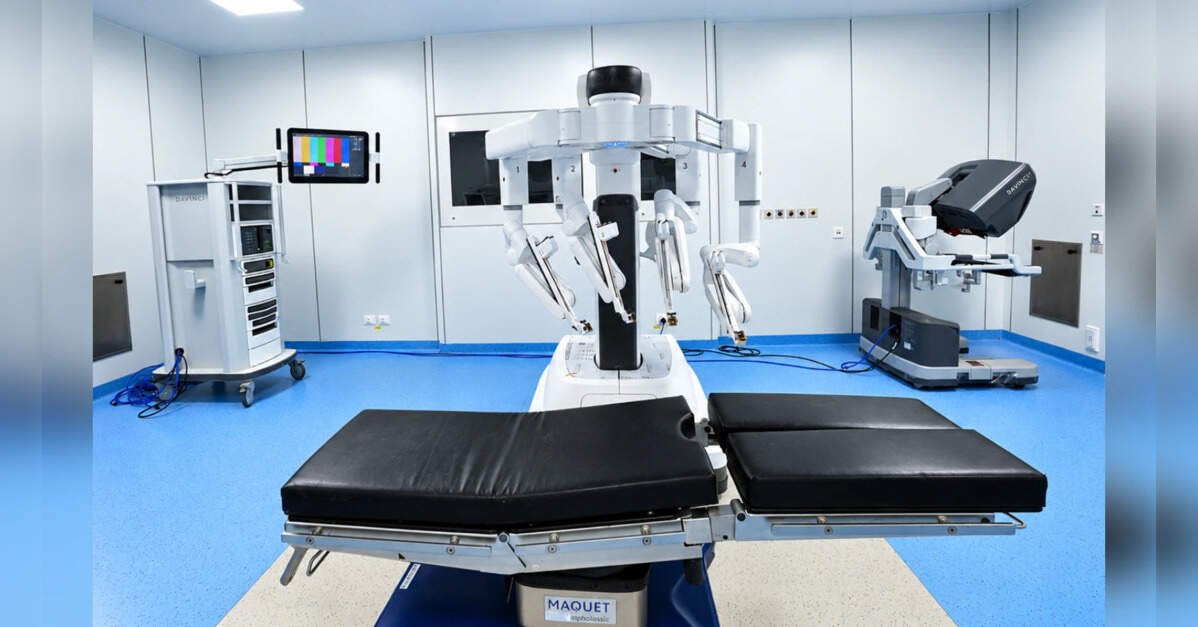
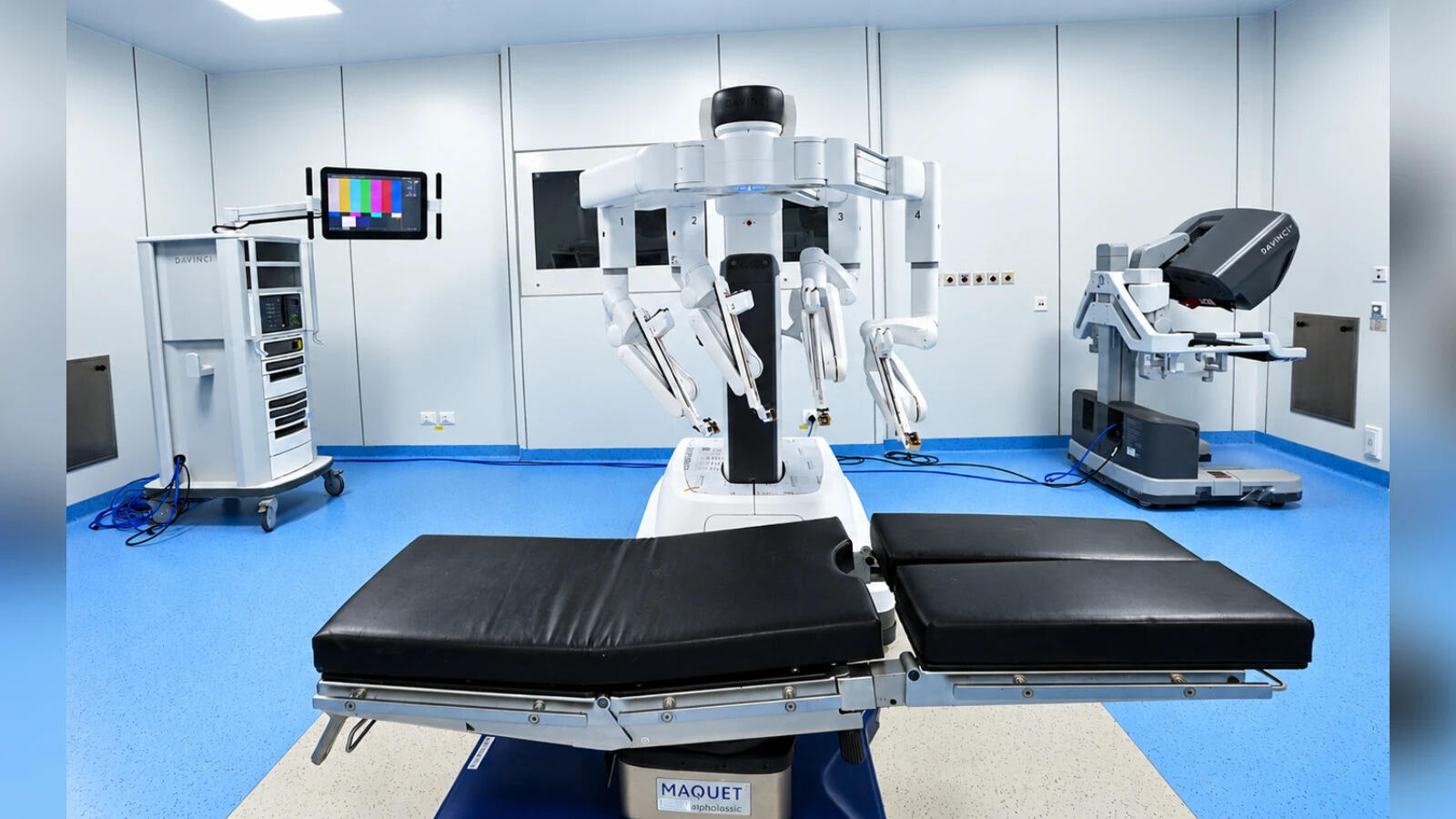
The system will enable doctors to perform complex surgeries with increased precision and flexibility across various specialities such as urology, gynaecology, gastrointestinal, oncological, thoracic and general surgeries, the Mumbai based hospital said.
It added that the Da Vinci surgical system provides an advanced set of instruments to surgeons for performing robotic assisted minimally invasive surgery resulting in minimal scars and rapid recovery due to high technology and small incisions.
Join the community of 2M+ industry professionals.
Subscribe to Newsletter to get latest insights & analysis in your inbox.
All about ETHealthworld industry right on your smartphone!
Aimee Carlock needed surgery in August 2025 to treat severe pain and bleeding from her uterus. But first, she needed to come up with $5,500.
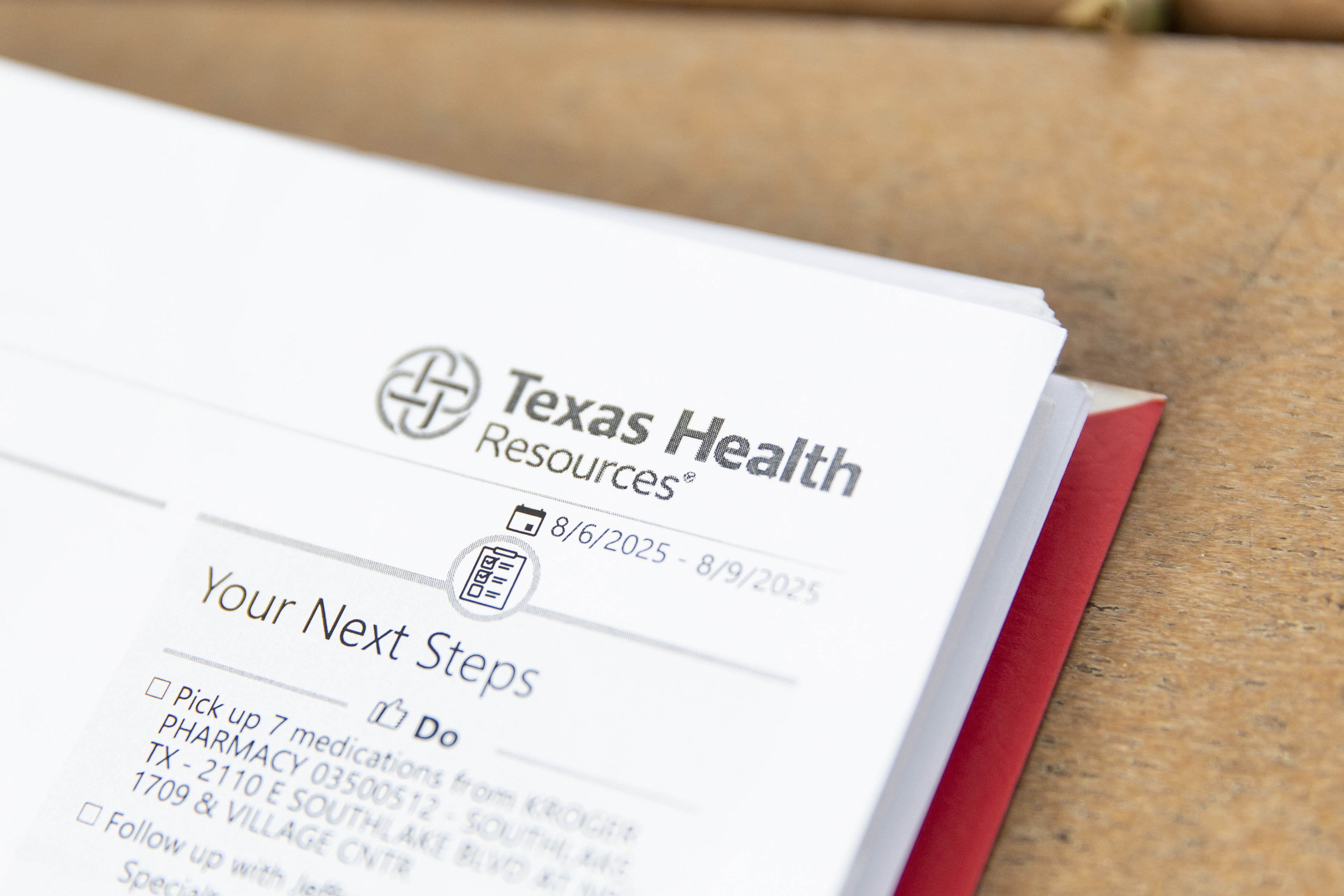
Texas Health Resources, one of the state’s largest nonprofit hospital systems, told her it wouldn’t schedule the procedure unless she paid up front, Carlock said. The self-employed house cleaner didn’t have the money.
“I panicked because I live paycheck to paycheck,” she said. “I have no extra money whatsoever.”
Carlock borrowed cash from her best friend and parents. Her father offered money he inherited when Carlock’s grandfather died a few years ago.
Only after the surgery did Carlock, 35, learn she qualified for hospital financial aid. Her care should have been free, but the system doesn’t give full refunds. The $5,500 was gone.
Carlock’s poor health has kept her out of work most of this year. She took out loans for groceries and utilities and applied for food stamps. It will take years, she said, to chip away at what she owes.
“I’m just trying to pick myself back up,” Carlock said. “But it’s really hard.”
Hospitals have a tool to automatically screen people like Carlock for financial aid and grant them relief — a process known as presumptive eligibility. But if, when, and how hospitals deploy this tool is largely up to them; there are few state or federal requirements.
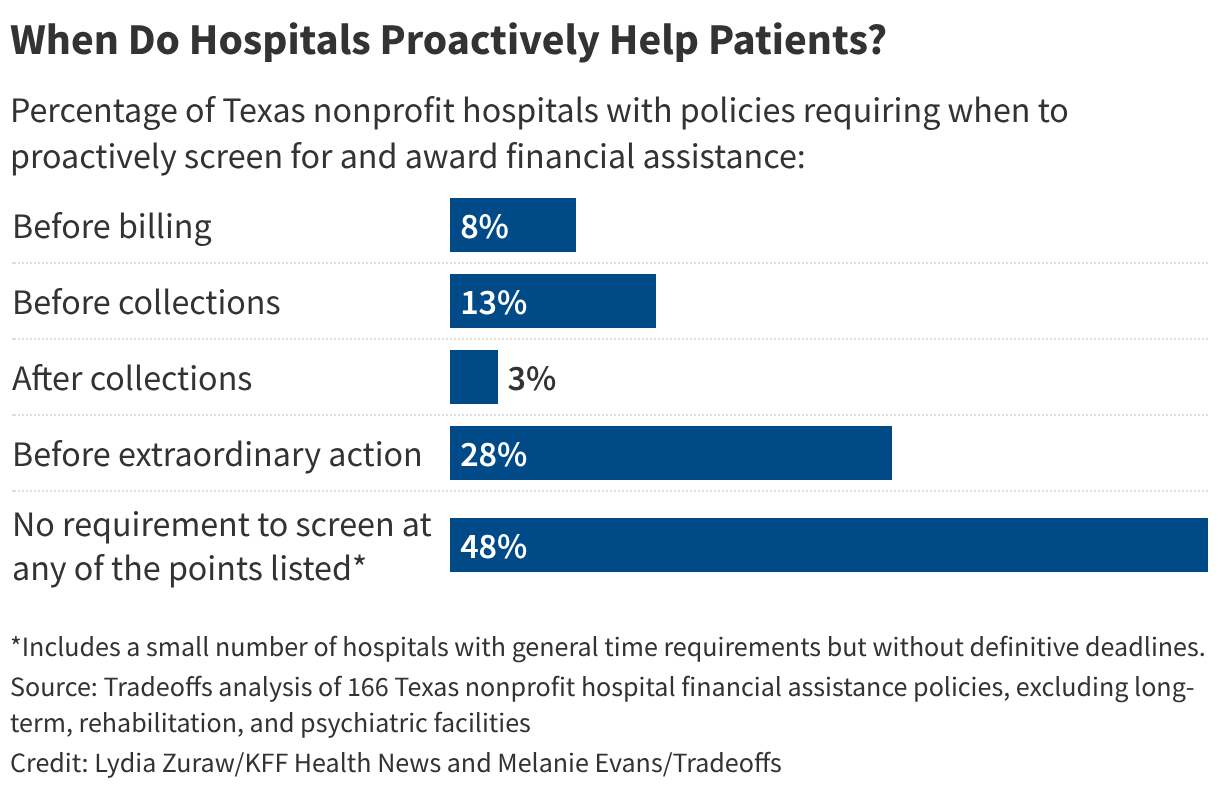
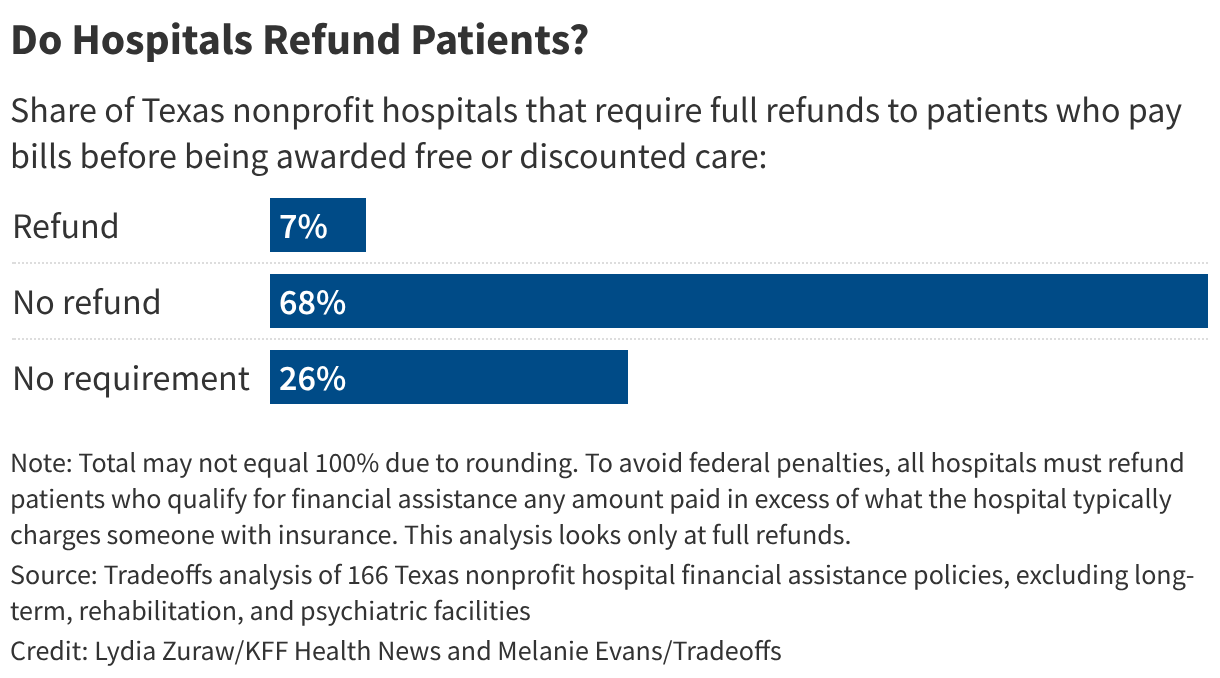
A Tradeoffs investigation found that in Texas nearly half of nonprofit hospitals say they will bill patients before screening them for financial aid. And most hospitals will not offer refunds to patients who pay and are eventually found to qualify for free care.
Many patients are unaware that hospitals offer financial help, often known as charity care. Others are stymied by onerous applications that require people to turn over financial information, such as bank statements, car notes, pay stubs, retirement accounts, and even divorce records.
“It’s like going through a tax audit,” said Stanford University health economist Neale Mahoney, who studies medical debt. “The current system is broken.”
An estimated 100 million adults in the U.S. have healthcare debt, according to a KFF Health News analysis. That includes amounts people owe to hospitals and doctors, as well as loved ones, credit card companies, and banks. This debt can be life-altering, forcing people to take on additional jobs, push off retirement, or cut back on essentials like groceries and medical care.
Since 2020, a wave of states, including Texas, have debated or adopted requirements for hospitals to use presumptive eligibility in financial assistance to protect patients from avoidable debt.
“This is clearly an industry that is not policing itself very well,” said Tom Oliverson, a physician and Texas lawmaker who has proposed legislation to require hospitals to screen patients before sending a bill.
Automatic screening is a good option to help some patients, said Anna Stelter, vice president of policy at the Texas Hospital Association. But often, she said, there are other payment options, such as insurance, which hospitals need to pursue first. “Charity care is the relief of last resort,” she said.
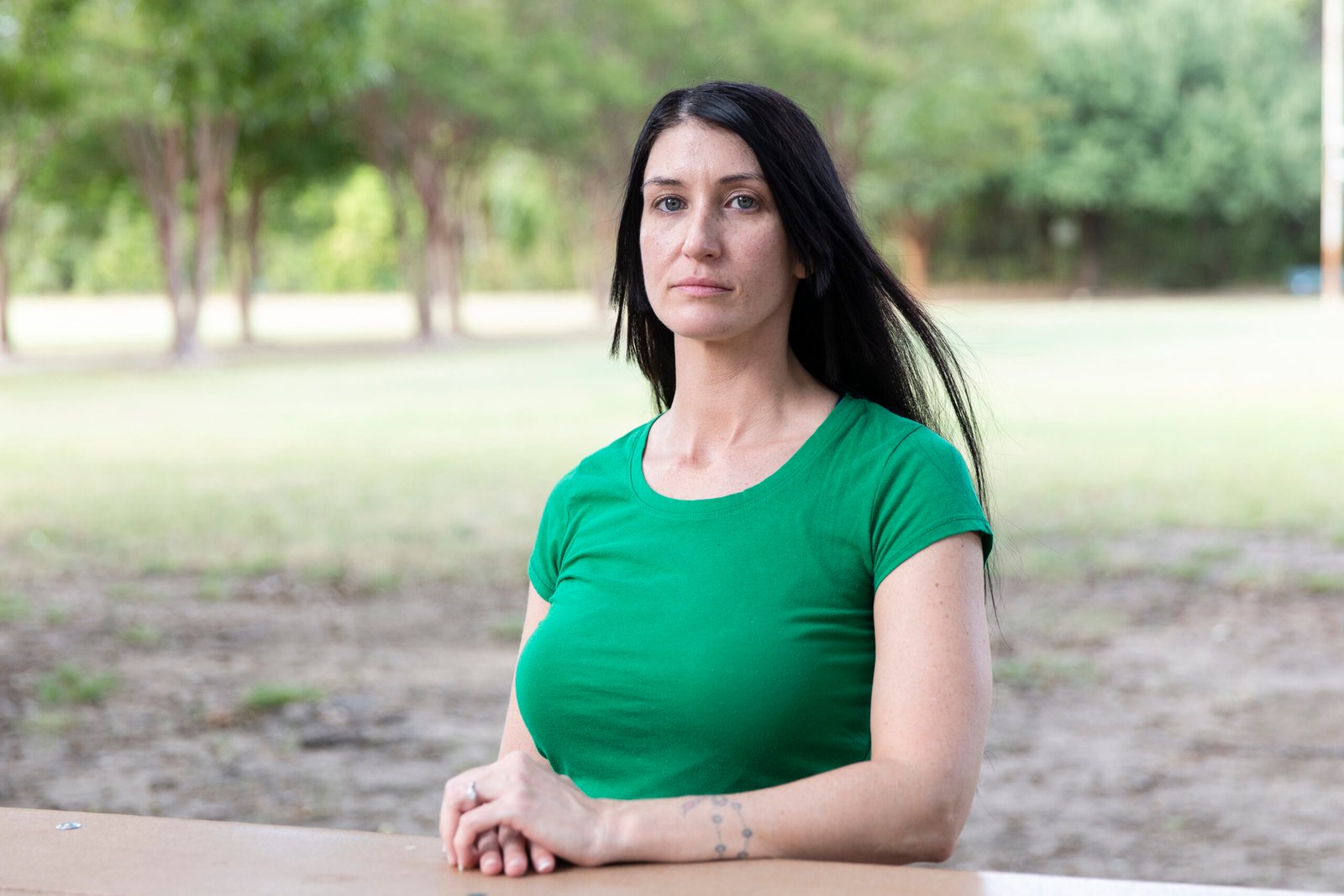
“I’m just trying to pick myself back up, but it’s really hard,” says Aimee Carlock, who had to borrow money to prepay $5,500 for uterine surgery — money the hospital system, Texas Health Resources, held on to even after wiping out the rest of her bill under its financial aid policy. (Laura Buckman for KFF Health News and Tradeoffs)
Most Texas Hospitals Can Automatically Give Help
To identify nonprofit hospitals in Texas, Tradeoffs consulted state and federal records and a list of hospital policies maintained by Dollar For, a group that helps patients apply for financial assistance. To verify policies were up to date, Tradeoffs scoured websites, often clicking through multiple links to find policies. When policies were missing, Tradeoffs reached out directly to hospitals and filed public records requests with the state, which requires hospitals to submit policies annually.
Tradeoffs’ analysis found that nearly every Texas nonprofit hospital can screen and proactively reduce bills when patients are found eligible for help.
Nationally, around 90% of nonprofit hospitals reported the same in 2022, according to an analysis of federal data for Tradeoffs by the independent research institute RTI International. That’s up from 72% six years earlier.
Covenant Health, a five-hospital system based in Lubbock, was the only system in Texas to say it does not automatically grant financial aid, though its policy allows it.
Covenant doesn’t use the option “due to the regulatory requirements and administrative complexities,” said Ainsley Nelson, the system’s spokesperson. “Our focus continues to be ensuring compassionate access to care and helping patients navigate the financial assistance options available to them.”
Tom Oliverson, a physician and Texas state representative, is pushing legislation that would require nonprofit hospitals in the state to screen low-income patients for financial aid and automatically discount or write off patient costs before sending bills. (Danielle Villasana for KFF Health News and Tradeoffs)
Bill First or Screen First?
About 8% of hospitals in Tradeoffs’ analysis have policies that require screening patients for charity care before sending a bill.
Far more, 41%, say they screen patients before turning unpaid bills over to debt collectors or taking more aggressive actions, such as garnishing wages, placing a lien on property, or denying further care without payment.
Southeastern Texas hospitals owned by CommonSpirit Health, for example, will automatically wipe out bills only “after all other eligibility and payment sources have been exhausted,” according to its Texas financial assistance policy.
CommonSpirit declined an interview request.
Research shows the sooner patients get financial aid, the better it is for their health.
One study found that people were more likely to be diagnosed and treated for conditions like depression and diabetes and make follow-up appointments when they received financial aid within weeks of receiving care. A separate study of people who had medical debts wiped out after months or years found no health benefit from the relief.
The signal is clear, said Ray Kluender, an associate professor at Harvard University, who worked on both studies. “The timing of when financial assistance is provided by a hospital is just extraordinarily important.”
Some hospitals told Tradeoffs that what they do isn’t always written in policy. For example, spokespeople for AdventHealth and Houston Methodist say their systems screen some patients before sending bills — though their policies include no requirement to do so.
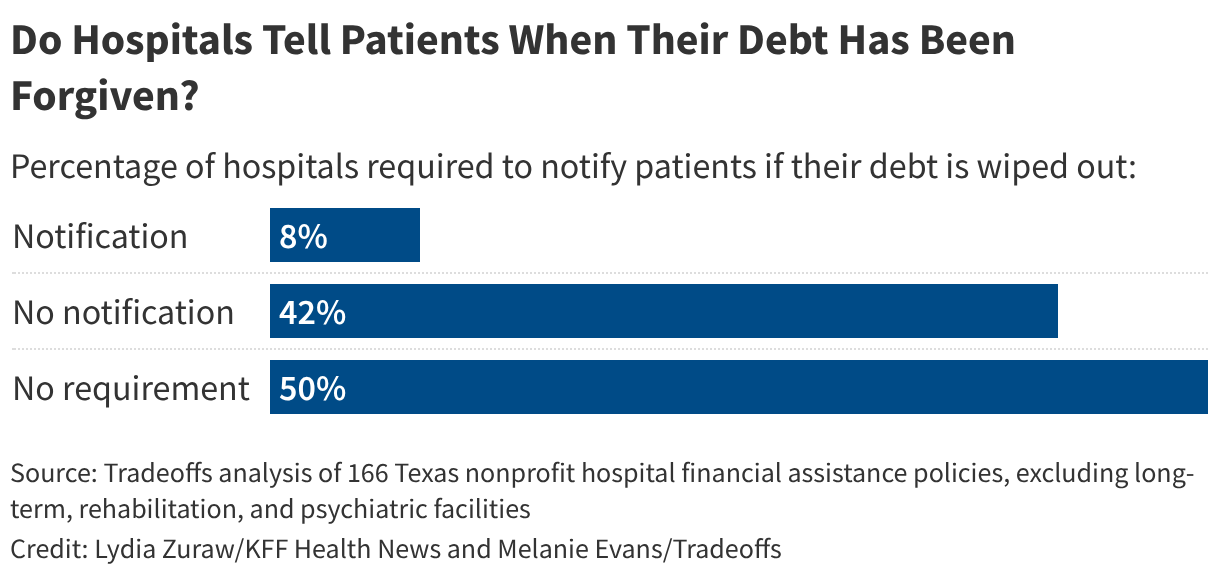
When hospitals do wipe out patient costs after sending bills, about 40% say they will not inform patients their balance has been cleared. Just 8% require notification, and the rest say nothing about it in their policies.
“Patients will not be notified to inform them of this decision,” reads CommonSpirit’s policy.
Stelter, with the Texas Hospital Association, said many hospitals have limited staff in their billing departments and would likely prioritize helping patients apply over notifying those who already got help.
“It’s cruel to not notify someone,” said Erin Fuse Brown, a Brown University professor who studies medical debt. “Not to give them the closure to say you can spend that money elsewhere. You can buy your groceries this month. You can fill your prescription because you don’t have to budget for this.”
People with medical debt are three to four times as likely to delay future physical and mental healthcare as people without medical debt, a recent study found.
Hospitals Want To Help Patients — And Get Paid
Texas has for decades required nonprofit hospitals to meet one of a few targets for how much help they give patients — one of which is spending at least 4% of their annual patient revenue on charity care.
Research has found such spending targets have had mixed results. Some hospitals helped more patients, and others scaled back charity care spending or spent less on other community benefits, including training doctors and subsidizing money-losing but essential services.
The Texas Hospital Association touts that almost every hospital in the state offers presumptive eligibility, but Stelter said screening tools can be unreliable.
Before they grant aid, hospitals want to know if a patient might be among the narrow population of adults who qualify for Medicaid in Texas or if a grant might cover their bills — a determination that can require additional time and information.
Stelter also said that providing aid before sending bills could let insurers off the hook. Patients with insurance typically must spend some money before insurers pitch in, known as a deductible. Insurers can hold down consumers’ monthly premiums by raising deductibles, which have climbed to an average of about $2,100 per person for job-based coverage and $3,700 per person for people on marketplace plans.
If they know hospitals will pick up the tab, “what incentive does an insurer have to lower a deductible?” Stelter said.
Hospitals nationwide are expected to come under increasing financial strain since Congress reduced subsidies for many people buying health insurance through the Affordable Care Act, and new federal Medicaid cuts are expected to push millions of low-income Americans off the rolls.
That policy shift leaves hospitals to pick up more of the safety net, which they can’t afford, said Jill Horwitz, a Northwestern University health policy professor.
“It would be wonderful if nonprofit hospitals could solve the problem of Americans being uninsured or underinsured by paying for the free care,” Horwitz said. “But nonprofit hospitals do not have the money to solve what is ultimately a major federal problem.”
‘You Had To Pay It’
Becca Wahl said she knew nothing about financial assistance when she landed in Memorial Hermann Katy Hospital last October with a concussion after fainting in a Walmart.
“I just thought you had a bill and you had to pay it,” said the 33-year-old uninsured yoga instructor.
So when Wahl saw the $38,000 tab for her emergency room visit, she panicked. The bill was more than she makes in a year.
“I thought, ‘I’m doomed,’” Wahl said. “I just went out to get a birthday card and fell over. And now I have $38,000 of debt.”
Becca Wahl received a $38,000 emergency room bill from Memorial Hermann Katy Hospital after getting a concussion from fainting. According to the hospital’s own policy, Wahl qualified for financial aid and should have never received a bill. (Danielle Villasana for KFF Health News and Tradeoffs)
Shortly afterward, the hospital called and revised her bill, offering its price for patients who pay cash, she said. That left Wahl with $11,000 in debt and a $1,000-a-month payment plan — better than $38,000, but still out of reach.
Desperate, Wahl went online and found Dollar For, which helps patients apply for financial aid. One week after Dollar For submitted Wahl’s application, Memorial Hermann wiped out her bill.
Memorial Hermann’s policy says its hospitals should screen patients for financial assistance before sending a bill.
Wahl agreed to waive her patient privacy rights so Memorial Hermann could talk about her case. But the hospital declined an interview request. A spokesperson told Tradeoffs that Memorial Hermann is “dedicated to ensuring that every patient has access to clear information about the expected costs of services, and available coverage options and our financial assistance program.”
Wahl is just glad that she doesn’t have to put her life on hold while she pays off that debt.
“The amount of stress that was lifted off of my shoulders by finding out that this medical debt was forgiven was huge,” she said.
Becca Wahl had no idea she qualified for hospital financial assistance when she received a $38,000 emergency room bill for treating a concussion. “I thought, ‘I’m doomed,’” recalls Wahl, an uninsured yoga instructor. “I just thought you had a bill and you had to pay it.” (Danielle Villasana for KFF Health News and Tradeoffs)
Few Hospitals Give Refunds
Some patients who pay down their bills before hospitals wipe them out never get their money back, Tradeoffs found.
Roughly 2 in 3 nonprofit hospitals in Texas have policies that say patients won’t receive full refunds.
CommonSpirit’s policy has no requirement to refund patients who get automatic financial aid. Felicity Simmons, a system spokesperson, said in an email clarifying its policy that “refunds are case specific.”
A few hospitals say they will return amounts that exceed what the hospital would typically charge someone with insurance — a federal requirement for all facilities. That is the case at Texas Health, where Carlock paid $5,500 up front for her uterine surgery, before the hospital wrote off the rest of her bill.
Carlock’s $5,500 stayed with the hospital.
Carlock agreed to give Texas Health permission to speak with Tradeoffs about her bill. Texas Health didn’t respond.
Stelter with the Texas Hospital Association said hospitals follow federal regulations for refunding patients. Those regulations require hospitals to fully refund some patients who submit an application. The rules don’t apply to those who got help through presumptive eligibility, experts on the regulation told Tradeoffs.
Hospitals in Oregon more than doubled the amount of charity care they provided, on average, during their first full year under the law, Tradeoffs found. That’s based on an analysis of available Medicare data from roughly two-thirds of hospitals. At OHSU Hospital in Portland, one of the state’s largest, the percentage of patients receiving financial aid jumped from 12% before the law to 64%.
In Texas, state representative Oliverson, a Republican, hopes his state will go even further than Oregon. He proposed legislation in 2025 that would require nonprofit hospitals to screen patients and provide aid before sending bills. Those that don’t would face penalties.
The legislation failed, but Oliverson said he plans to reintroduce it in 2027. The lawmaker said nonprofits are falling short of their obligations.
“If you’re sending bills to people that you know when you finally get around to screening them for charity they’re not going to be obligated to pay,” he said, “that should be grounds for losing your tax-exempt status.”
Oliverson said hospitals that already care for a higher share of low-income patients would be exempt from his proposed requirements. But he’s adamant that most nonprofit hospitals should be doing more to protect patients from unnecessary debt.
“If you’re advertising that you’re willing to accept uninsured patients and that you have a charity program,” Oliverson said, “you got to deliver on that.”
Melanie Evans is a reporter for Tradeoffs, a nonprofit newsroom reporting on healthcare’s toughest choices. Sign up for the weekly newsletter to get the latest stories every Thursday morning.
Tradeoffs’ reporting for this series was supported, in part, by the California Health Care Foundation, the National Institute for Health Care Management Foundation, and the Solutions Journalism Network.
Most hospitals offer financial assistance to patients who struggle to afford their bills, often referred to as charity care. But many people are stymied by cumbersome aid applications. Others don’t even know help exists.
Hospitals have the ability to proactively screen patients to see if they’re eligible for aid and, if so, automatically wipe out or reduce their bills — a process known as presumptive eligibility.
A growing number of state policymakers and researchers believe requiring hospitals to use presumptive eligibility would protect low-income Americans from falling into medical debt, especially with federal funding cuts expected to increase the number of people without health insurance.
In a first-of-its-kind analysis, Tradeoffs examined the presumptive eligibility policies of 166 nonprofit general and children’s hospitals in Texas. The goal was to shed light on how easy or difficult hospitals make it for low-income people to get financial aid without an application.
Scroll to the bottom of the page to explore a searchable table with all 166 hospitals’ policies.
Here’s what we found:
1. Nearly half of nonprofit hospitals in Texas (44%) say they will bill patients before screening them for free or discounted care.
Some hospitals screen patients after sending a single bill. Others may send multiple bills and hire collection agencies to chase after debts before they check whether a patient is eligible for help.
The most common approach is for hospitals to say they will screen patients before taking “extraordinary collection actions,” which include garnishing their wages, selling the debt to a debt collector, or denying further care until outstanding bills are paid.
Anna Stelter, vice president of policy for the Texas Hospital Association, said hospitals want to investigate other options for payment — like Medicaid or county safety net programs — before they offer financial assistance.
“We do want to make sure that whoever is financially responsible for that care is identified and pays,” Stelter said. “Charity care is the relief of last resort.”
Just one nonprofit in Texas, Memorial Hermann Health System, has a written policy that requires its hospitals to check and proactively reduce or wipe out what patients owe before sending bills.
Research shows that when patients receive financial aid makes a difference.
A 2022 study found that patients who received hospital financial aid within weeks of care were much more likely to return to the doctor and get treatment for conditions like diabetes and depression. Conversely, a landmark study published in 2024 found that wiping out people’s medical debt years later had no effect on their mental and physical health, healthcare use, or financial situation.
2. Most hospitals say they do not reimburse patients who qualify for financial aid for money they have already paid.
Hospitals often put patients on payment plans to chip away at bills they can’t afford. But only 10 of 166 nonprofit hospitals in Texas guarantee a full refund to patients found to be eligible for financial aid. Most others say they won’t return money that patients paid before being screened.
“It is very frustrating,” said Aimee Carlock, who was required to pay $5,500 to Texas Health Resources to schedule uterus surgery. She later qualified for free care, and the hospital wiped out her remaining $16,000 bill. But the $5,500 was gone. “That’s a lot of money to me,” said Carlock, a self-employed housecleaner who was recently approved for food stamps.
Texas Health’s policy offers refunds only in the amount a patient has paid in excess of what the hospital typically charges someone with insurance. All hospitals must offer refunds to patients who qualify for financial aid in these situations to avoid federal penalties.
Texas Health didn’t respond to an interview request after Carlock agreed to grant the system permission to speak about her experience.
In some cases, patients must fill out extensive applications to recoup their money. The application for Abilene-based Hendrick Health instructs patients to “completely and precisely” fill in financial and personal details, describing their savings and listing Social Security numbers for family members they live with who might help with the bills. Patients must submit two current pay stubs, a tax return, two months of bank statements, and a justification of why they need help.
“Explain circumstances in which paying this hospital bill would create a hardship,” the application says.
Hendrick Health didn’t respond to questions about its policy.
3. Many hospitals never tell patients that their debt has been forgiven.
Some of the largest nonprofit hospital systems in Texas don’t notify patients when their bill has automatically been wiped out. That includes Christus Health, Texas Health Resources, and Texas hospitals owned by CommonSpirit Health, one of the nation’s largest Catholic health systems.
Research shows patients who don’t know their debt has been forgiven may skip needed care. A 2026 study found that people with medical debt were three to four times as likely to delay future physical and mental healthcare as people without medical debt.
“If the patient doesn’t get some sort of notice,” said Erin Fuse Brown, a health policy researcher at Brown University, the possibility that they could be billed “hangs like a sword over their neck.”
Stelter, with the Texas Hospital Association, said many hospitals have limited staff in their billing departments. “Notifying patients whose bill was completely forgiven that they were presumptively eligible is probably lower on the totem pole than helping somebody who’s trying to complete an application,” she said.
If hospitals offer someone less than the maximum discount available, federal law requires the hospital to notify the patient, in case they want to appeal for a full write-off.
Texas Health and Christus Health didn’t respond to interview requests about their policies. A CommonSpirit spokesperson declined an interview.
4. Some hospitals say their financial assistance policies don’t reflect how they actually operate. These discrepancies can work to patients’ advantage — or detriment.
AdventHealth says some of its Texas patients get screened for financial assistance before getting bills, a consumer-friendly practice. The system’s policy, however, has no requirement for when hospitals must screen patients.
“We want patients to understand and have access to available financial assistance before receiving a bill whenever possible,” said Tim Reiner, senior vice president for revenue cycle for the system, which owns and operates four hospitals in Texas.
Houston Methodist also screens patients for help before sending bills, if they are uninsured, a spokesperson said. There is no requirement for its eight hospitals to do so under the system’s policy.
According to its policy, Covenant Health, a five-hospital system based in Lubbock, must screen patients before sending bills to collection agencies and lists detailed criteria for who is eligible to have bills proactively wiped out.
But in 2019, the system decided not to use presumptive eligibility “due to the regulatory requirements and administrative complexities,” said spokesperson Ainsley Nelson. “Our focus continues to be ensuring compassionate access to care and helping patients navigate the financial assistance options available to them.”
Covenant is owned by Providence, a multistate Catholic health system based in Renton, Washington, which agreed to refund or erase more than $150 million in patient bills after investigations charged that the system failed to inform patients of charity care.
Providence said the system fixed the problem identified by investigators, refunded patients, and now coaches its employees to communicate “with compassion and respect.”
5. Who qualifies for presumptive eligibility varies significantly from one hospital to another.
Hospitals in Texas get to decide who is eligible to be automatically screened for and enrolled in financial assistance.
Presumptive eligibility policies often apply to people who are homeless, deceased, or already enrolled in state or federal programs to help low-income households with medical care, housing, food, or prescriptions. Some hospitals have additional criteria, including writing off bills for anyone in a religious order who took a vow of poverty.
Some hospitals share little to no public information about who they will proactively screen. Thirteen hospitals owned by Ascension, one of the nation’s largest Catholic health systems, say only that it may screen patients “with a sufficient unpaid balance.”
Ascension didn’t respond to questions about its eligibility criteria.
This variation means that a patient’s ability to access free care depends greatly on where they go.
6. Some hospitals provide less generous charity care to patients who receive it automatically instead of submitting an application.
At CommonSpirit’s hospitals across southeastern Texas, patients who are auto-enrolled get help with debt from the prior 12 months. Patients who submit an application get the same help with prior bills, plus free or discounted treatment for the next six months.
North Texas Medical Center limits financial assistance for auto-enrolled patients to individual visits. Applicants may be eligible going back 12 months before approval.
North Texas Medical Center didn’t respond to additional questions about its policy.
7. Policies that are supposed to be easily accessible to patients are often difficult to find.
Hospital financial assistance policies are intended to be transparent to patients and the public. For more than a decade, federal law has required nonprofit hospitals to widely publish their policies.
In practice, finding these policies and deciphering them is often hard.
To find the policies of all nonprofit hospitals in Texas, Tradeoffs started with a list of hospital financial assistance policy websites maintained by the nonprofit Dollar For. To verify websites were up to date and fill in missing policies, Tradeoffs scoured hospital websites, often clicking through multiple links to locate policies.
In cases in which hospitals did not publish full policies online, Tradeoffs requested copies from hospitals and filed a public records request with the state of Texas, which requires hospitals to submit charity policies annually.
“You would have to know what you’re looking for before you went looking for it, or you’re never going to find it,” said Ray Kluender, an associate professor at Harvard University, who has had to hunt for hospital policies as part of his research on medical debt.
This article is part of Hidden Help, an investigative series from Tradeoffs and KFF Health News about how hospitals can protect their patients from the life-altering harms of medical debt.
Tradeoffs is a nonprofit newsroom reporting on healthcare’s toughest choices. Sign up for the weekly newsletter to get the latest stories every Thursday morning.
Tradeoffs’ reporting for this series was supported, in part, by the California Health Care Foundation, the National Institute for Health Care Management Foundation, and the Solutions Journalism Network.
Digital transformation in pharma is increasingly moving beyond the question of which technologies a company should adopt. The more important question is what those technologies deliver for the business.
For a pharmaceutical business, investments in automation, analytics, digital infrastructure and other technologies need to be connected to measurable improvements in efficiency, quality, compliance, customer experience and decision-making. Piramal Pharma Limited‘s
provide a documented example of how technology can be connected to business objectives.
What business problem should technology solve?
Technology investments are most useful when they are linked to a defined business requirement.
In pharmaceutical manufacturing, this can include improving process visibility, reducing manual intervention, strengthening quality controls or making operational data available for faster decision-making. Across business functions, the objectives can include improving customer experience, streamlining processes and increasing productivity.
Piramal Pharma’s Project Catalyst was launched as a digital transformation journey aimed at supporting profitable growth through improved customer experience, supplier collaboration, workforce productivity and operational efficiency. The company’s FY2022 annual report says the programme was designed around digital ERP, edge applications, hyper-automation and data analytics, with a three-year roadmap covering more than 50 initiatives across its entities.
By FY2023, the programme had covered three business units, 15 functions and more than 500 participants. PPL reported 15 initiatives, four business-specific digital roadmaps, a Digital Transformation Office and Centres of Excellence covering automation, analytics, IoT, ERP and infrastructure.
The underlying principle is clear: technology adoption needs to begin with a specific business or operational requirement.
Which measures capture efficiency, quality and adoption?
Measuring digital transformation requires more than counting the number of systems implemented. Companies need metrics that show whether technology is improving the processes it was introduced to support.
Piramal Pharma’s reported initiatives provide several examples. Its FY2023 annual report says quality processes were digitised across manufacturing sites, while quality-control laboratory productivity analytics were introduced at Indian and international sites to track turnaround times, improve benchmarking and reduce overall manufacturing time.
The company also reported the deployment of an AI-powered Capex Bot across manufacturing sites. According to its FY2022 annual report, the tool simplified the capital-expenditure approval process and reduced average approval lead time by 72%.
Other documented initiatives included a Manufacturing Execution System at one site to digitally control, monitor and document manufacturing processes in real time through the manufacturing cycle, as well as data analytics initiatives designed to automate business KPIs and support faster decision-making.
These examples illustrate why measures such as turnaround time, approval lead time, process automation and data availability can provide a clearer picture of digital transformation than technology deployment alone.
How can companies demonstrate sustained results?
The value of digital transformation depends on whether new systems become embedded in day-to-day operations.
That requires continued adoption, reliable data, appropriate infrastructure and alignment between technology teams and business functions. It also requires companies to monitor whether improvements are sustained after implementation.
Piramal Pharma’s FY2023 reporting described continued investment in IT infrastructure, including cloud-native infrastructure, network and server upgrades, and digital tools intended to improve efficiency, quality, compliance and security. The company also reported collaborations with technology institutions and service providers to develop and deploy new technologies.
Its sustainability reporting subsequently showed continued digital transformation through Catalyst NxGen, based on S/4HANA, alongside 17 governance dashboards intended to enhance agility and scalability.
This continuity matters because transformation is not a one-time implementation exercise. The relevant question is whether technology continues to support measurable business and operational objectives over time.
From technology adoption to business results
For pharma manufacturing, digital transformation can be assessed through indicators such as production efficiency, quality performance, process turnaround times, automation, data accuracy and compliance.
At the enterprise level, companies can also track customer experience, process efficiency, supply-chain visibility, decision-making speed and user adoption. The appropriate metrics will vary according to the business problem each technology initiative is designed to address.
Piramal Pharma’s reported technology initiatives span manufacturing, quality, supply chain, infrastructure and business functions. Its FY2023 annual report specifically identifies analytics, automation and digital technologies as tools to improve the drug-development process, manufacturing operations and supply-chain optimisation.
For healthcare innovation, the measurement challenge is particularly important because technology operates alongside requirements for data integrity, quality and regulatory compliance. Piramal Pharma’s sustainability reporting identifies technology and automation as one of the areas within its broader ESG framework, alongside operational excellence and product excellence.
The broader takeaway for investors and technology leaders is that digital transformation should ultimately be evaluated through business outcomes. Technology adoption is only the starting point. The more meaningful measures are whether the technology improves defined processes, strengthens quality and compliance, supports better decisions and delivers sustained operational value.
For Piramal Pharma Limited, the progression from Project Catalyst to subsequent digital initiatives illustrates how technology can move from an IT function towards an organisation-wide business capability, with outcomes tracked through specific operational and performance measures
Disclaimer: The above content is non-editorial, and TIL hereby disclaims any and all warranties, expressed or implied, relating to it, and does not guarantee, vouch for or necessarily endorse any of the content.
Join the community of 2M+ industry professionals.
Subscribe to Newsletter to get latest insights & analysis in your inbox.
All about ETHealthworld industry right on your smartphone!
Healthcare has traditionally been designed around a simple sequence: symptoms appear, a patient seeks care, investigations follow, and treatment begins. NURA is approaching the equation differently. Its premise is rooted in what happens before symptoms become the starting point.
Founded with a focus on preventive healthcare, NURA, the AI Health Screening Centre, is building a model where advanced imaging, artificial intelligence and physician expertise come together to identify potential health risks earlier and make screening a more integrated experience.
NURA is designed around the concept of detecting potential health risks before a symptom appears, taking action before pain sets in and encouraging behavioural changes that can help prevent minor concerns from becoming serious health issues.
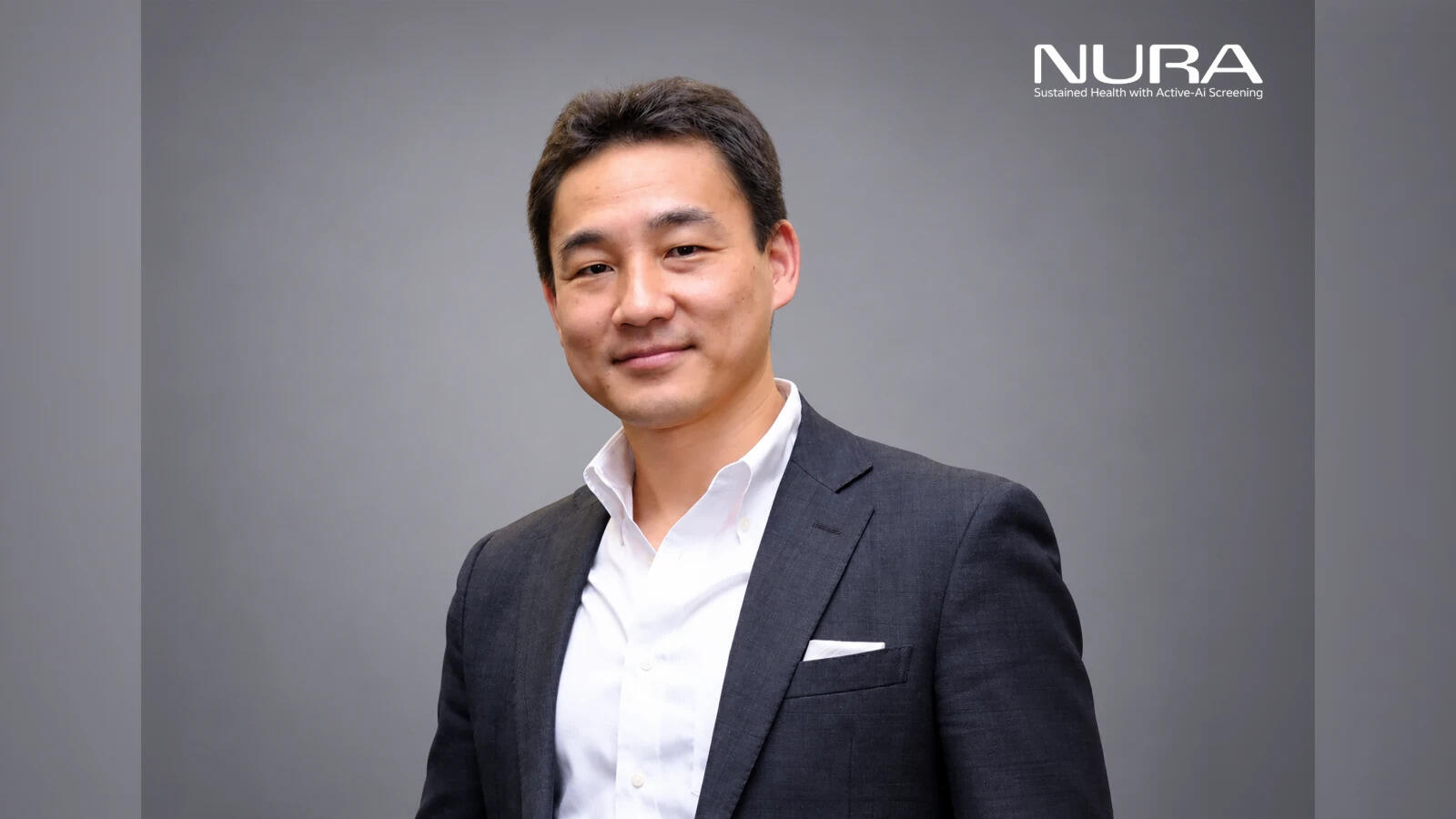
This approach has now received recognition at the ET Healthcare Awards 2026, where NURA was recognised across two categories: AI-Led Diagnostics Excellence and Best Use of AI in Hospital Operations. For Masaharu Morita, Founder and Program Director, the significance lies in the fact that the two recognitions represent complementary sides of the same vision.
At NURA, AI is not positioned as a standalone diagnostic tool. It is embedded within a broader preventive healthcare ecosystem. On the clinical side, it supports image reconstruction, analysis and the identification of early risk indicators. On the operational side, it connects screening, reporting and clinical workflows more efficiently. Yet, at the centre of this technology-led model remains a distinctly human principle: AI augments clinical expertise rather than replacing it.
From Screening to Earlier Signals
One of the fundamental challenges in preventive healthcare is that several health risks can develop silently, without obvious symptoms. NURA addresses this gap by bringing together AI-assisted imaging, ultra-low-dose CT, laboratory investigations and physician expertise within a single screening journey.
The approach that enables NURA to do more is the use of AI. If there were 100 people in front of us, perhaps only 2–3 would be sick. Hospitals are organisations designed to treat those 2–3% of the population, rather than accommodate the 98% who are healthy. This is precisely why screening centres are now necessary. The same applies to healthcare professionals; they simply do not have the manpower to screen 98% healthy people. AI can help bridge that gap, enabling healthcare professionals to process more information and support more people without compromising the role of human expertise.
Its technology can assist in enhancing image quality and identifying or quantifying indicators across areas including coronary artery calcium, visceral fat, fatty liver, pulmonary abnormalities, vascular calcification and bone density. These insights give physicians a broader set of information to evaluate and help draw attention to findings that may warrant closer clinical assessment.
The objective is not simply to produce more data. It is to create the possibility of recognising risk earlier, before symptoms become the trigger for action.
Engineering a Two-Hour Healthcare Experience
Technology alone, however, does not create a meaningful healthcare experience. NURA has therefore redesigned the screening journey itself.
Registration, laboratory investigations, imaging, AI-assisted analysis, reporting and physician consultation are coordinated as an integrated workflow rather than a series of disconnected appointments. Different processes can progress efficiently without every stage having to wait for the previous one to conclude.
AI supports image reconstruction, image analysis and structured reporting, while standardised protocols help maintain consistency. The result is a screening experience that can typically be completed within 120 minutes, with the guest receiving a physician consultation and digital report during the same visit.
Behind that speed is not an attempt to remove clinical oversight, but to remove unnecessary friction from the process.
Keeping the Physician at the Centre
The human-AI relationship is particularly important when technology enters clinical decision-making.
Once an image is captured, Fujifilm’s AI technologies assist with image processing and highlight patterns or areas that may require closer attention. These findings are considered alongside laboratory results and other screening information. Qualified doctors then validate and interpret the findings within the appropriate clinical context.
The final interaction remains physician-led. The doctor explains the results, answers questions and guides the guest on appropriate next steps.
This distinction is central to NURA’s philosophy: automation can accelerate the process, but clinical judgement remains human.
What Real-World Data Is Revealing
As NURA’s screening model has expanded, it has also created a growing real-world base of clinical and operational insights. The organisation has now completed more than 82,000 screenings and identified over 27,000 critical findings.
That experience has reinforced the value of integrating AI into the wider clinical workflow rather than treating it as an isolated technology. AI can help physicians process large volumes of imaging information, identify patterns and standardise measurements, while also supporting more efficient reporting.
NURA tracks impact through measures including turnaround times, reporting consistency, workflow efficiency and utilisation of clinical resources, alongside the identification of early risk indicators and findings requiring further medical attention.
Operationally, AI also helps reduce repetitive manual processes and supports the movement of information across different stages of screening. Combined with standardised clinical protocols, structured workflows and quality assurance mechanisms, this becomes increasingly important as the organisation expands across centres.
The Next Chapter of Preventive Healthcare
NURA’s next phase is centred on expanding access while deepening the role of AI in preventive healthcare. Areas of focus include AI-assisted image reconstruction, biomarker analysis, predictive diagnostics, structured reporting and digital health platforms.
Perhaps the larger opportunity lies in moving from one-time screening towards longitudinal preventive care, where individuals can use digital insights and follow-up to understand how their health changes over time.
The organisation plans to continue expanding across India while exploring international opportunities. Corporate wellness and partnerships with healthcare providers and insurers are also emerging as important areas of growth.
The larger story is therefore not simply about bringing AI into a screening centre. It is about changing the moment at which healthcare begins. By combining advanced technology with structured workflows and physician-led interpretation, NURA is working towards a model where healthcare can become more proactive, more informed and increasingly focused on identifying risk before it becomes a clinical crisis.
This article is authored by Masaharu Morita, Founder and Program Director, NURA- AI Health Screening Centre.
Disclaimer: The above content is non-editorial, and TIL hereby disclaims any and all warranties, expressed or implied, relating to it, and does not guarantee, vouch for or necessarily endorse any of the content.
Join the community of 2M+ industry professionals.
Subscribe to Newsletter to get latest insights & analysis in your inbox.
All about ETHealthworld industry right on your smartphone!