Indore: Digital healthcare platform, Medibuddy has scaled its Indore centre to 600 employees as it expands its operations in central India.
The expansion is part of its next phase of growth as the company turned EBITDA-positive for the first time in Q4 FY26, with an annual revenue run rate exceeding ₹1,500 crore, a company statement said.
The digital healthcare firm said its online consultations grew by more than 90 per cent year-on-year during the quarter, reflecting rising demand for digital-first healthcare access across India.
MediBuddy said it handles more than 100,000 healthcare transactions in one day. This includes consultations, medicine delivery, at-home diagnostics, fitness and conditional management programmes, and surgery care.
Seema Vijay Singh, Chief People Officer, MediBuddy said, ” Indore will play an increasingly important role in our 24×7 service delivery network and in building structured career pathways for emerging health-tech talent.”
Join the community of 2M+ industry professionals.
Subscribe to Newsletter to get latest insights & analysis in your inbox.
All about ETHealthworld industry right on your smartphone!
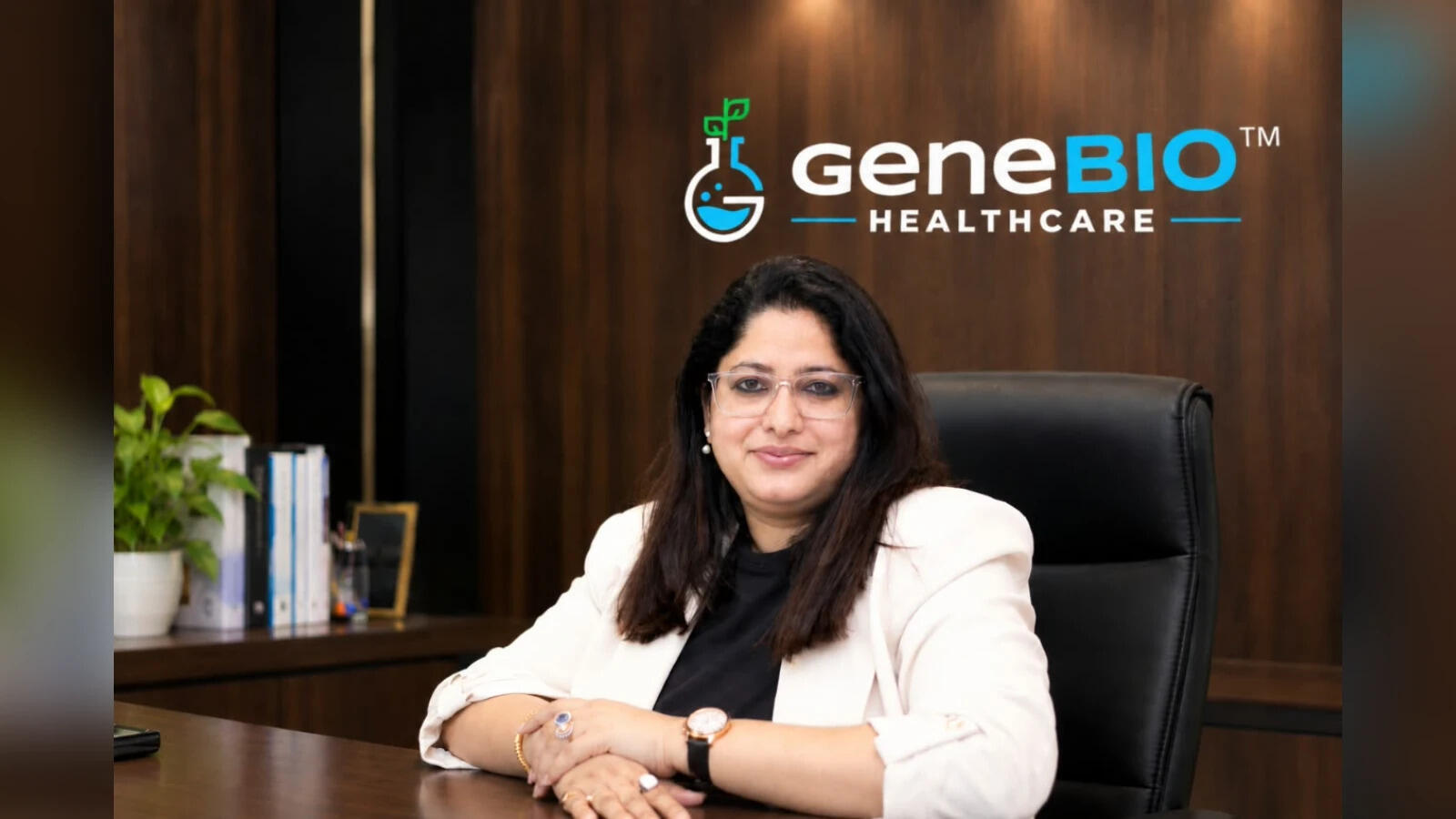
For Suruchi Mishra, the Next-Gen Healthcare Leader Award at the ET Healthcare Awards 2026 is less a personal milestone than a reflection of the ecosystem around her. Her journey at GeneBio Healthcare has unfolded across research, product development, regulatory affairs, quality, manufacturing and business growth, giving her a vantage point that extends well beyond any single function.
It has also shaped a distinct view of what leadership in healthcare demands. Innovation, she believes, cannot exist in isolation. A scientific idea acquires significance only when it can navigate the demanding passage from laboratory research to a product that is reliable, compliant and meaningful for patients and healthcare professionals.
That philosophy sits at the heart of her work at GeneBio Healthcare, an organisation engaged in the development, manufacturing and marketing of in-vitro diagnostic kits and reagents, alongside continuous research and product improvement. For Mishra, the larger ambition is to create the conditions in which indigenous innovation can move beyond the research environment and become a practical healthcare intervention.
The need for such a transition is particularly evident in diagnostics, one of the foundational pillars of clinical decision-making. Speed, accuracy, affordability, accessibility and quality must progress in tandem, yet aligning these imperatives remains one of the ecosystem’s persistent challenges. India possesses substantial scientific and technical capability, but the pathway from research to scalable, commercially viable diagnostic solutions can be strengthened further.
GeneBio’s response has been to build an integrated continuum spanning R&D, product development, regulatory compliance, quality systems, manufacturing and market access. Its engagement with research institutions, including the Indian Council of Medical Research (ICMR), forms an important component of this approach. Through technology-transfer and licensing initiatives, GeneBio is working to bring research-led technologies closer to practical diagnostic applications.
For Mishra, however, translating innovation into the market does not mean compromising on rigour. In diagnostics, technological sophistication has limited value if performance cannot be reproduced consistently. This makes quality not a final checkpoint but an intrinsic component of product development.
At GeneBio, R&D works in close alignment with quality, regulatory and manufacturing teams, ensuring that scientific advancement is accompanied by validation, documentation, process controls and regulatory discipline. Manufacturing, meanwhile, is anchored in consistency, traceability, testing and continuous improvement. The objective is to create products that healthcare professionals can rely upon over the long term.
The same thinking informs decisions around GeneBio’s product portfolio. Each development begins with a fundamental question: what healthcare need is being addressed? Scientific potential is then considered alongside clinical relevance, usability, quality requirements, regulatory pathways and manufacturing feasibility. Scalability and accessibility remain equally important considerations.
This approach has encouraged GeneBio to work across diverse areas of infectious disease diagnostics while continuing to explore newer technologies. Research collaborations add another dimension, creating avenues through which promising scientific work can be evaluated for translation into usable diagnostic solutions.
The industry itself is entering a period of considerable technological evolution. Mishra sees molecular diagnostics, multiplex testing, nucleic-acid-based technologies, improved point-of-care platforms and the greater integration of digital technologies as developments likely to shape the coming years. Across these advances, the underlying priorities remain clear: greater speed, sensitivity, decentralisation and a more precise understanding of disease at the molecular level.
Early and accurate detection will be particularly consequential in infectious diseases, where timely diagnosis can influence both treatment decisions and disease-control strategies. GeneBio is strengthening its R&D capabilities, technology-transfer initiatives and institutional collaborations to participate in this transition.
A significant marker of that effort is its association with 20 ICMR-patented products, alongside additional technologies and products progressing through its development and documentation pipeline. For GeneBio, these represent not merely a portfolio of technologies, but an opportunity to build a bridge between scientific discovery and diagnostic implementation.
Mishra’s conception of the healthcare company also extends beyond products and commercial growth. She sees industry as having a wider responsibility to cultivate technical knowledge, quality awareness, skilled talent and stronger industry-institution partnerships. GeneBio’s activities therefore encompass technical and regulatory services, contract research and manufacturing, as well as industrial training.
Capability building is particularly important in an industry where sophisticated technologies are only as effective as the people deploying and interpreting them. Stronger collaboration between research institutions and industry can similarly compress the distance between scientific expertise, manufacturing capability and regulatory understanding, creating a more connected route from discovery to healthcare application.
Technology transfer will remain central to this vision. The work with ICMR and other research-driven technologies reflects a broader objective: ensuring that promising scientific innovations do not remain confined to research settings but can be manufactured, scaled and ultimately reach the people who need them.
In that sense, her vision for GeneBio extends beyond building an Indian diagnostics organisation. It is about strengthening the entire chain of translation, so that innovation conceived in India can also be developed, manufactured, scaled and delivered in India.
Disclaimer: The above content is non-editorial, and TIL hereby disclaims any and all warranties, expressed or implied, relating to it, and does not guarantee, vouch for or necessarily endorse any of the content.
Join the community of 2M+ industry professionals.
Subscribe to Newsletter to get latest insights & analysis in your inbox.
All about ETHealthworld industry right on your smartphone!
New York: Florida’s current dengue outbreak is the largest in several decades of any U.S. state.
State health officials reported this week that nearly 300 locally acquired cases of the mosquito-borne disease have been tallied so far this year. The vast majority of them were in Hillsborough County, home to Tampa.
Federal health officials say their data on dengue outbreaks is limited. But available information from state health departments and medical journals suggests the Florida outbreak marks the most cases in a calendar year for any state since at least the 1940s.
Puerto Rico is consistently hit hard by dengue, with numbers much higher than what’s seen in any of the 50 states. But in the continental U.S., Florida usually gets the most locally transmitted cases. The state’s previous worst year was 2023, when just under 200 locally spread cases were reported.
Officials in Hillsborough and surrounding counties have declared local emergencies, and workers in the Tampa area are spraying day and night to tamp down the population of disease-transmitting mosquitoes.
What is dengue?
Dengue (pronounced DEHN’-gay) is caused by a virus spread by a type of mosquito.
Many infected people don’t get sick, but some experience fever, flu-like symptoms and – notoriously – aches. It’s been nicknamed “breakbone fever” for the excruciating pain some people experience. Severe cases can cause bleeding, shock and death.
There has been one dengue death in Florida this year – an elderly Tampa woman on Sept. 4. Other Tampa-area cases that have gone to the hospital were patients treated for fever and dehydration, said Carla Fry, Hillsborough County’s health officer.
There are four types of dengue virus, simply known as 1, 2, 3 and 4. When someone is first infected, their body builds antibodies against that type for life. If they get infected with another type of dengue, the antibodies from the first infection may fail to neutralize the second type – and actually can help the virus enter immune cells and replicate. That’s made it difficult to develop an effective vaccine.
Most people in the Tampa area don’t have prior immunity to any form of dengue, said Dawn Wesson, a Tulane University expert on dengue and other diseases spread by mosquitoes.
How does dengue spread?
The warm-weather mosquitoes that spread dengue live in Florida and some other hotter U.S. locales, but experts say they have been expanding their geographic reach because of climate change.
For decades, most continental U.S. infections were found among people who caught the virus while traveling internationally, along with locally acquired cases in Puerto Rico.
But in 2009-2010, Key West, Florida, reported the first dengue cases acquired in the continental U.S. outside of the Texas-Mexico border since 1945.
The largest outbreak of dengue in any U.S. state since then occurred in Hawaii, where 264 locally acquired cases were reported over a six-month span in 2015-2016. The Tampa-area outbreak, which first came to light in July, has now surpassed that.
Across the world, more than 2.2 million infections and nearly 1,200 deaths have been reported this year, according to the World Health Organization.
There have been more than 1,600 locally acquired U.S. cases this year, most of them in Puerto Rico, according to the Centers for Disease Control and Prevention.
Why is it so bad in Tampa?
Florida tends to get a lot of dengue in part because the state receives a lot of travelers who have been to Puerto Rico or other places where the disease is present, Wesson said.
Usually most cases are in southern Florida, around the Miami area. It’s hard to say what’s happening in the Tampa area this year, but the surge may be at least partly related to travel patterns, she added.
Locally acquired cases in Florida have actually surpassed travel-associated cases, by a count of 252 to 245 as of last week. But it’s close, and at least 13 Hillsborough County cases were diagnosed in travelers, according to the state.
Traditionally, the CDC would be highly visible in a situation like this, but it hasn’t been this time, Wesson noted.
The U.S. public health agency has to be invited in by state officials, and Florida officials have not asked for CDC disease investigators to come in, CDC spokesman Jason McDonald said. The agency has provided $800,000 in assistance to the state health department, although Tampa-area officials this week said they haven’t seen that aid trickle down to the local level yet.
The Florida Department of Health said it plans to use the CDC money for community outreach, lab testing and pesticide control.
What can you do to prevent infection?
The current outbreak is centered just north of Tampa, and workers have been spraying to kill mosquitoes. They also have been checking properties for pooled water, including in tires, where mosquitoes might breed.
People in an outbreak area can take their own steps for protection, experts say.
The virus-carrying mosquitoes can bite any time of day, so it’s important for people in an outbreak area to apply EPA-registered insect repellents containing active ingredients like DEET, experts say.
Wear loose-fitting, long-sleeved shirts and long pants to cover the skin and make it harder for mosquitoes to bite. Staying indoors, behind screens or in rooms with air conditioning will also lessen the chances for a bite.
Those steps are especially important just after sunrise and around sunset, when mosquitoes tend to be most active, researchers say.
People should also check their property and get rid of any pooled water where mosquitoes might breed.
Climate conditions and persistent mosquito populations will likely make local dengue outbreaks a more frequent problem, Wesson said.
“There’s a good chance that this is the new normal,” she said.
Join the community of 2M+ industry professionals.
Subscribe to Newsletter to get latest insights & analysis in your inbox.
All about ETHealthworld industry right on your smartphone!
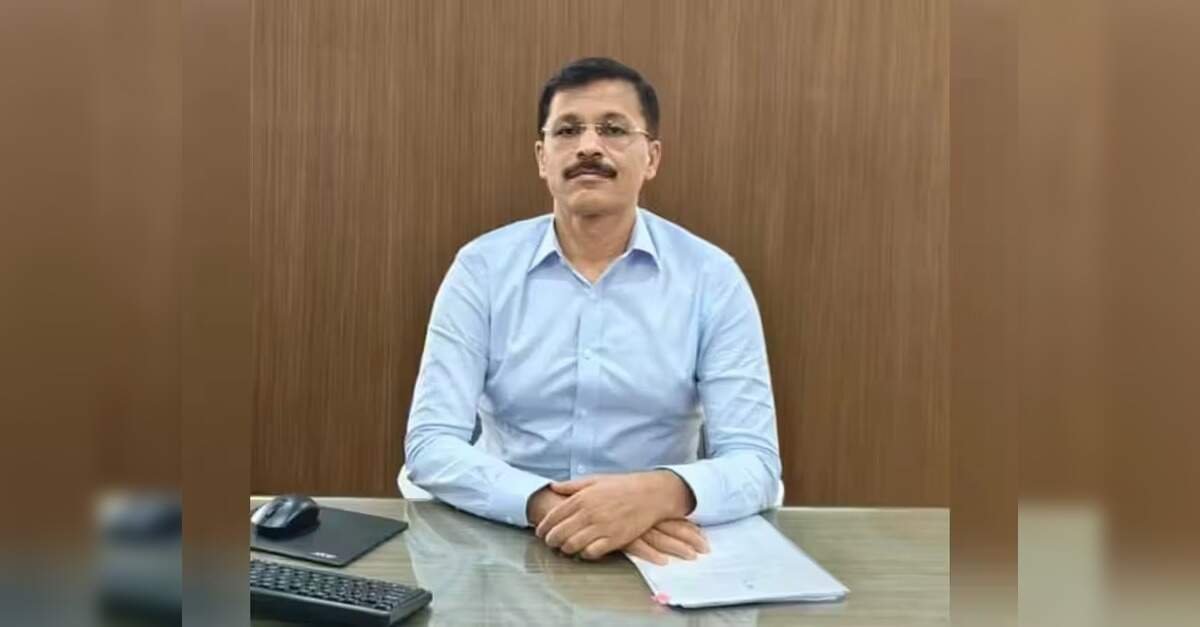
Mumbai: Maharashtra Food and Drug Administration (FDA) Commissioner Tukaram Mundhe on Saturday said the state expects to introduce a digital system within “six months to a year” to trace milk from dairies and collection centres back to the animal, a move aimed at reducing adulteration and ensuring food safety.
Speaking at the India Today Conclave Mumbai 2026 here, Mundhe also said FDA had begun inspecting milk collection centres across Maharashtra to check for adulteration, unsafe milk and compliance with prescribed practices for collection, manufacturing and hygiene.
“Over the next few months, possibly within six months to a year, we are going to use a digital system to track it down. Every animal is tagged with an ear tag, which contains its details. If we match those details with the milk produced, I think adulteration and unsafe milk will go down,” Mundhe said.
“About 15 days ago, we listed hundreds of milk collection centres where our teams are conducting inspections. We will trace the milk back to the farmer,” he added.
Explaining the proposed mechanism, Mundhe said the department would use data from the Animal Husbandry Department to match details of milk production with information about tagged animals.
The process would help authorities identify discrepancies and trace the source of adulterated milk, he said.
“Milk collection centres, chilling centres and dairies that had earlier failed to comply with regulations are beginning to improve compliance following inspections and enforcement action. Food safety needs to become a public movement involving consumers, food businesses and government agencies, rather than depending on the efforts of individual officers,” Mundhe pointed out.
“Food safety affects all of us, from conception to the last moment of our lives. It affects public health, the economy, GDP growth and farmers. Both the demand side, where consumers seek safe food, and the supply side, where businesses comply with rules, have to work together,” he said.
The FDA commissioner said food safety practices were gradually spreading across the sector, from street food vendors to established food businesses, although the pace of change could vary.
He also referred to initiatives such as the ‘Eat Right School’ campaign in Maharashtra, aimed at encouraging children to consume nutritious food and avoid junk food. He said the department had received responses from parents supporting the initiative.
On pharmaceutical regulation, Mundhe said the FDA was taking action against non-compliant establishments across the drug supply chain, including pharmacies and manufacturing units. The department was also examining manufacturers of active pharmaceutical ingredients (APIs), which form the basis of medicines.
He said inspections had revealed deficiencies in some manufacturing facilities, including rusty equipment, and the department was strengthening surveillance and enforcement across the pharmaceutical sector.
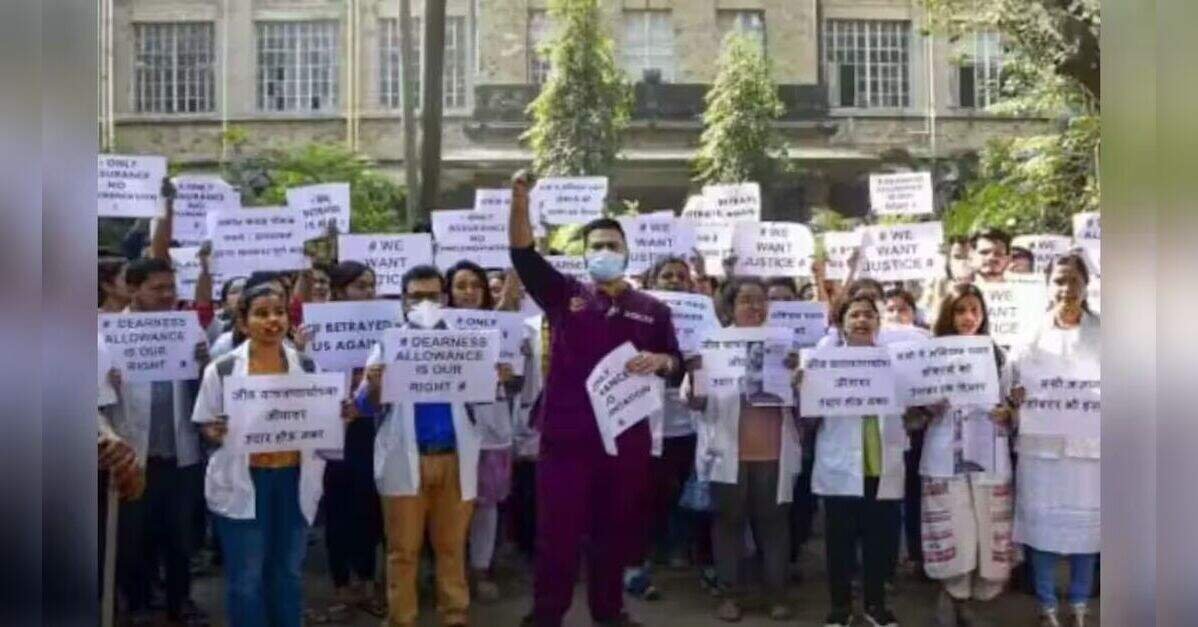
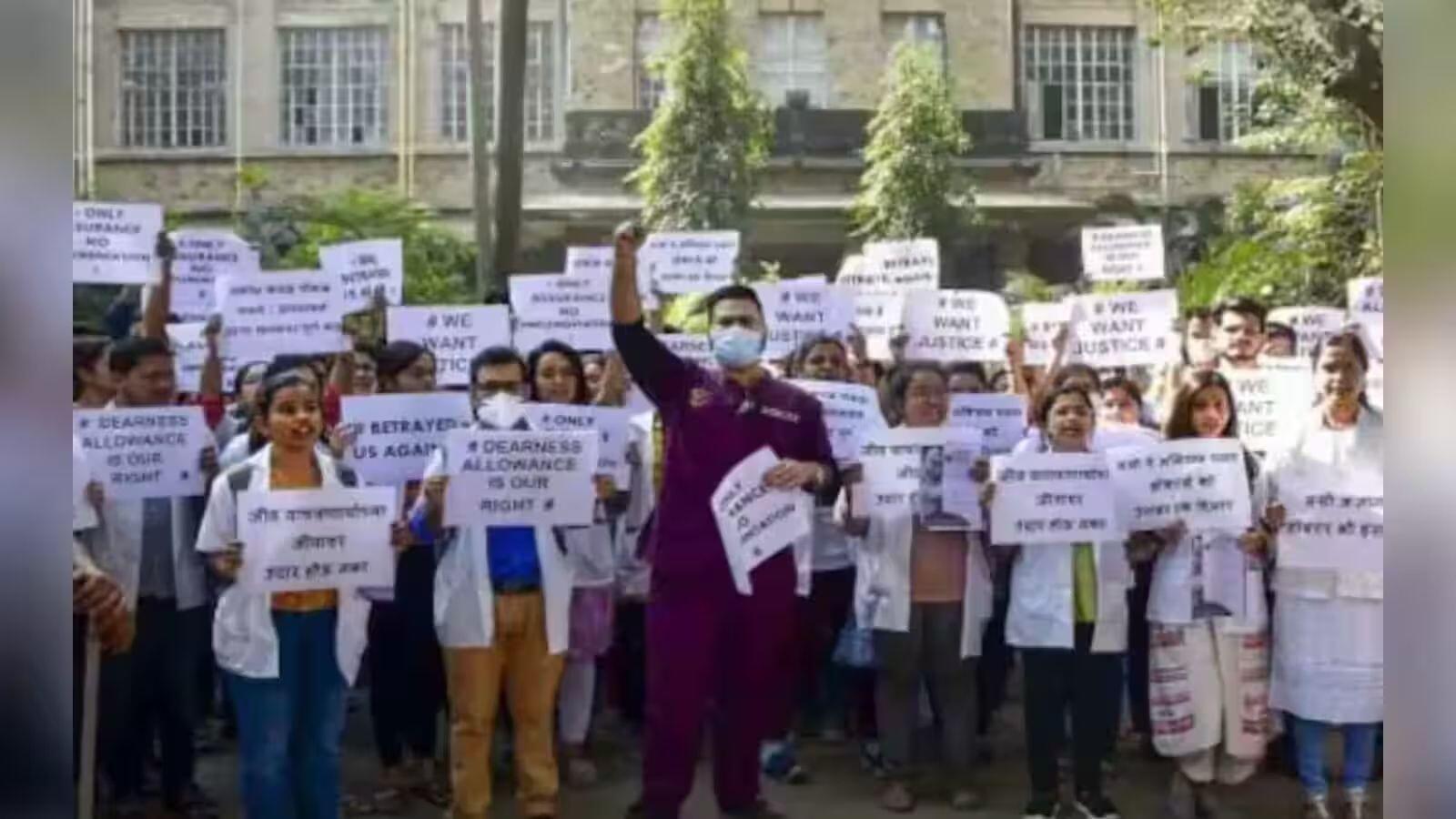
Ranchi: Doctors across Jharkhand will start a statewide protest on Monday to press for long-pending demands, including time-bound ‘Dynamic Assured Career Progression’ (DACP), amendments to the Clinical Establishments Act, and enactment of a Medical Protection Act.
Around 20,000 doctors from district hospitals, medical colleges, and private healthcare facilities will join the agitation. They will wear black badges while attending to patients till Oct 20. They will observe a symbolic strike the next day and launch an indefinite strike from Oct 22 if the state govt does not take concrete action, doctors’ organisation said.
Speaking to TOI, Jharkhand State Health Services Association (JSHSA) secretary Dr Mrityunjay Singh said, “Govt doctors in Jharkhand lag five years behind their Bihar counterparts in terms of financial upgradation. Under the existing rules, doctors in Bihar receive four financial upgradations over 20 years, whereas their Jharkhand counterparts receive the same number over 25 years.”
“The state framed recruitment rules for specialist doctors in 2015, but no DACP rules have been made for them in the past 11 years. The Jharkhand govt should align the rules related to doctors with those followed in Bihar,” he stressed.
Officials of the Jharkhand chapter of the Indian Medical Association (IMA) said, “Hospitals with up to 50 beds, nursing homes and clinics should be exempted from the Clinical Establishments Act to ensure that healthcare facilities can reach up to the remotest corners of the state. Also, a clear regulatory framework is needed under the Act for healthcare facilities with more than 50 beds.”
Citing recurring incidents of violence reported across the state, Singh said, “The doctors need a Medical Protection Act in Jharkhand to ensure the safety and security of medical professionals.”
In September, IMA national president Dr Anil Kumar J Nayak wrote to chief minister Hemant Soren, urging him to consider the demands raised by medical associations and address the concerns of the medical fraternity. States like Bihar, Uttar Pradesh, Haryana, and others have amended the Act according to their needs.
Join the community of 2M+ industry professionals.
Subscribe to Newsletter to get latest insights & analysis in your inbox.
All about ETHealthworld industry right on your smartphone!
The Council, in its 57th meeting held on Thursday, cleared a proposal to permit employers to claim input tax credit on premiums paid for insurance coverage provided to employees.
The move to allow employers to avail input tax credit on GST paid towards employee group health insurance marks a significant step towards making group health coverage more economically viable and can translate into deeper penetration of employer-sponsored health insurance in the country, Generali Central Insurance MD and CEO Krishnamoorthy Rao said.
The availability of ITC could ease the effective cost of coverage for employers, creating greater headroom to sustain adequate pricing while also enabling companies to enhance benefits, coverage limits and employee eligibility, he said in a statement.
According to Mahindra Manulife Insurance MD and CEO Suresh Agarwal, allowing employers to claim input tax credit on GST paid on group life insurance can make employee protection more affordable and strengthen financial security.
While group term cover is an established benefit in the organised sector across India, there is considerable scope to expand its reach and improve coverage adequacy, Agarwal added.
The provision allowing input tax credit (ITC) on employee health insurance expenditure incurred by employers is a welcome step, the Internet and Mobile Association of India (IAMAI) said in a statement.
Under the Goods and Services Tax law, GST is exempt on individuals buying life or health policies for themselves or their family.
However, when a business buys life or health cover for its employees, tax is charged on that cover, and until now the business could not claim ITC on it.
Currently, an 18 per cent GST is levied on all such group insurance policies.
It is to be noted that the GST Council approved a sweeping overhaul of tax administration, removing GST officers’ power to arrest taxpayers, raising the threshold for criminal prosecution to Rs 5 crore, and providing a faster 3-day refund for most claims.
The proposed simplification of GST registration for e-commerce sellers could reduce compliance burdens, expand market access and enable more small businesses to participate in India’s digital economy, it said.
Similarly, it said, faster ITC refunds through greater automation and shorter processing timelines could ease working capital constraints and improve cash flows.
New Delhi: Union Health Minister J P Nadda will on Monday lay the foundation stone of the ICMR Centre for High Altitude Medicine and Public Health Research in Himachal Pradesh’s Keylong, aimed at strengthening biomedical research and healthcare preparedness in the Himalayan region.
The centre, being established by the Indian Council of Medical Research (ICMR), will focus on public-health challenges arising from high-altitude, extreme-weather conditions, difficult terrain, geographical isolation and climate variability, a statement issued by the health ministry said.
Located in Lahaul and Spiti district, the facility will be the country’s first dedicated centre for high-altitude medicine and public-health research, providing a platform for multidisciplinary studies involving high-altitude and tribal populations, according to the statement.
Its research areas will include high-altitude physiology and acclimatisation, mountain medicine, climate-sensitive and emerging diseases, infectious and non-communicable diseases, maternal and child health, nutrition, mental health, environmental and occupational health, and disaster medicine.
The centre will also explore the use of digital health platforms, telemedicine, drone-enabled healthcare logistics and real-time public-health surveillance to improve healthcare delivery in remote and hard-to-reach areas.
The initiative is expected to facilitate long-term field studies examining the relationship between environmental conditions, climate variability and health outcomes, while contributing to tribal health, disaster preparedness and the development of climate-resilient healthcare systems, the statement said.
It will also strengthen India’s contribution to global research in high-altitude medicine, it added.
The initiative will promote institutional collaboration with the Armed Forces Medical Services, national research institutions and the Himachal Pradesh government to support translational research, scientific exchange, capacity building and evidence-based policymaking.
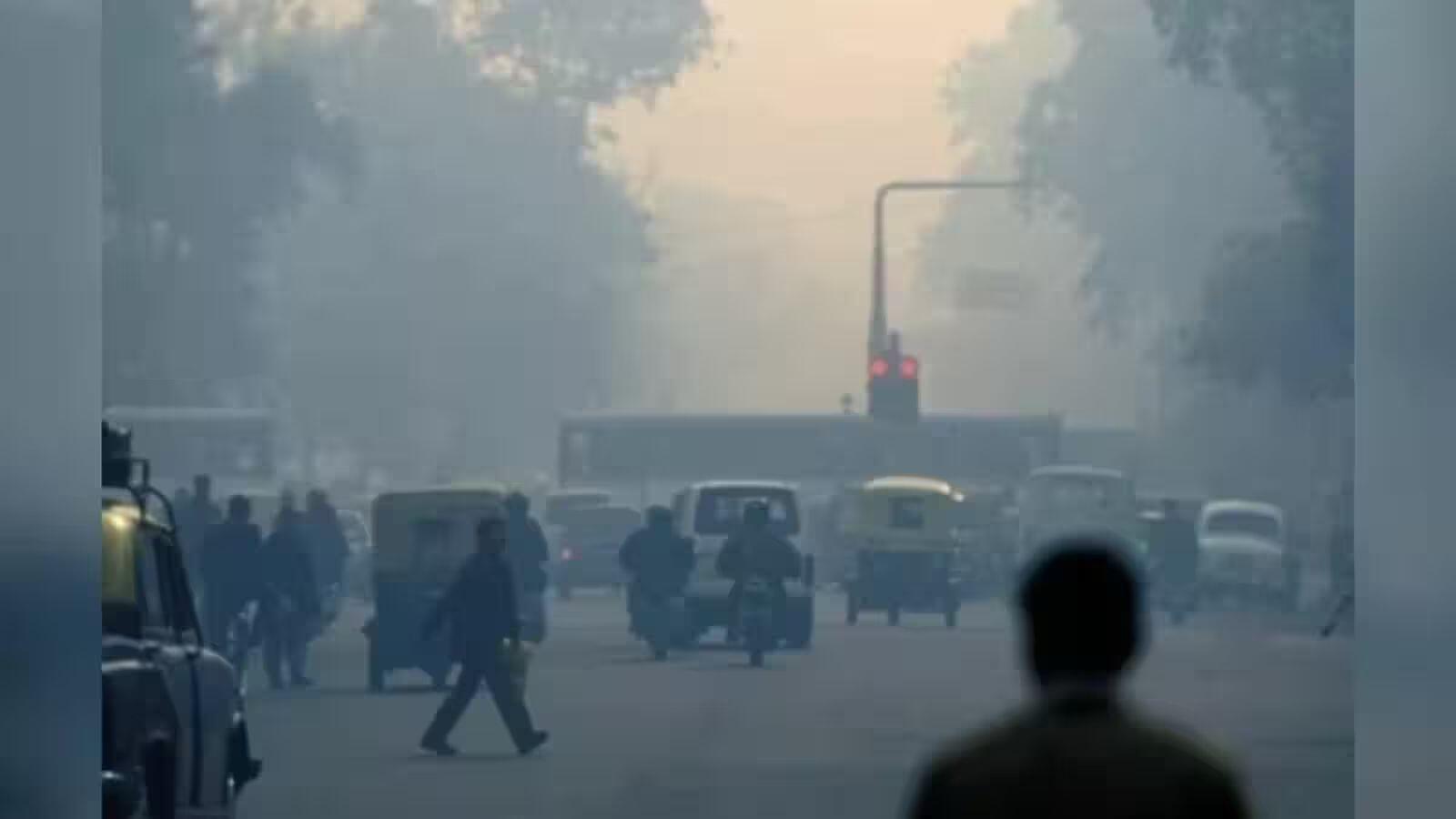
New Delhi: Patients as young as 15 are being seen at a Delhi hospital with gastrointestinal (GI) cancer, prompting experts to call for closer investigation into environmental exposures, including air pollution, alongside established risk factors such as diet, lifestyle and genetic susceptibility.
Experts highlighted the concern at a two-day international conference on colorectal and other GI cancers, being held on Oct 10 and 11 and organised by Sir Ganga Ram Hospital in collaboration with The Christie NHS Foundation Trust, UK.
They discussed emerging evidence linking air pollution to cancer risk, while stressing the need for India-specific research to determine whether pollutants contribute to GI cancers.
“In our OPD we are now seeing new GI cancer patients as young as 15, which was uncommon five years ago,” said Dr Shyam Aggarwal, chairperson of medical oncology at Sir Ganga Ram Hospital and organising chairperson of the conference.
A 2026 review of 70 studies on air pollution and gastrointestinal diseases found that long-term exposure to fine particulate matter (PM2.5) was associated with higher mortality from GI cancers, with a notable association involving colorectal cancer.
A separate study published in Nature Health examined links between long-term exposure to PM2.5, nitrogen dioxide and ozone, and overall cancer risk. These findings indicate associations, not proof that the pollutants directly cause GI cancers.
The Indian picture also calls for closer investigation. An analysis of trends in England and India cited an early-onset colorectal cancer rate of 8.4 per 1 lakh among people under 50 in England in 2023, compared with 3.5 per 1 lakh among Indians aged 25-49. Indian urban cancer registries have shown a steady increase in colorectal cancer, while hospital studies have reported younger patients being diagnosed at advanced stages.
Dr Saumitra Rawat, chairperson of surgical gastroenterology and GI and HPB onco-surgery at Sir Ganga Ram Hospital, said younger GI cancer patients should be assessed for multiple possible contributors, including family history, genetic susceptibility, diet, lifestyle, infections and environmental exposures.
Experts called for stronger air-quality monitoring, improved cancer registries and long-term Indian studies examining the link between pollution exposure and clinical outcomes. They also stressed the need for timely medical consultation for persistent digestive symptoms, along with established cancer-prevention measures, appropriate screening and early diagnosis.
Join the community of 2M+ industry professionals.
Subscribe to Newsletter to get latest insights & analysis in your inbox.
All about ETHealthworld industry right on your smartphone!