Tag: cancer

  • The Sometimes-Awkward Art of Asking for a Second Opinion

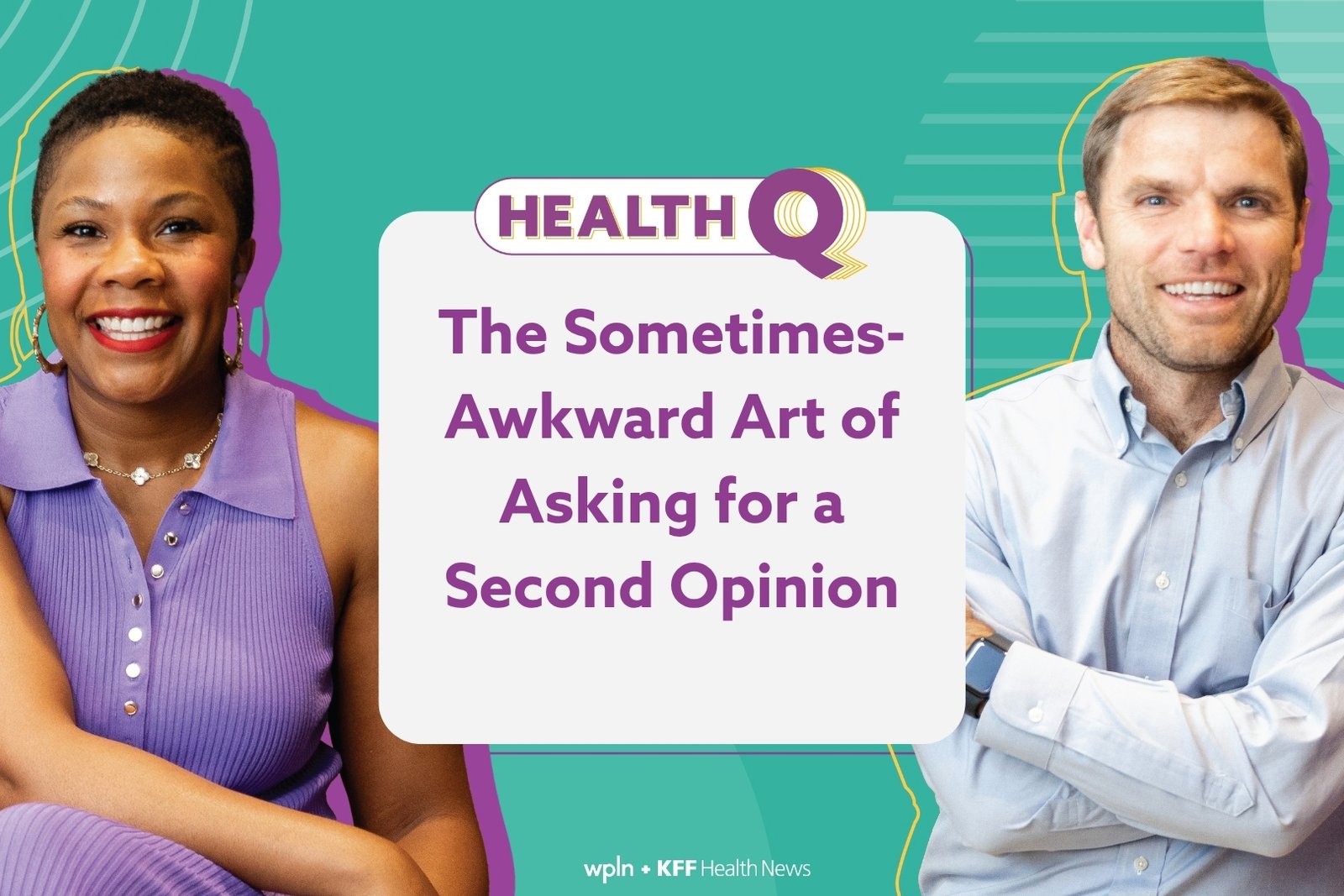
    The Sometimes-Awkward Art of Asking for a Second Opinion

    When Carol Daniel, a veteran broadcast journalist who lives near St. Louis, was diagnosed with thyroid cancer in 2022, her husband encouraged her to seek a second opinion. She was worried that consulting another doctor might seem like a betrayal.

    Daniel said she wondered: “Am I cheating on him? Am I going behind his back? Am I acting like I don’t trust him by seeking a second opinion?”

    Many patients find themselves in this position, but family medicine physician Jen Caudle said patients shouldn’t feel awkward about asking for a second opinion. In fact, in her practice in New Jersey, she encourages people to have open conversations with their care team.

    “We shouldn’t be offended,” Caudle said. “We should support you.”

    Patients can also think of their primary care provider as the quarterback of their care team, Caudle said, and ask that doctor for help navigating opinions or diagnoses from specialists.

    Cara Anthony and Blake Farmer, hosts of the HealthQ series, spoke with Caudle about the sometimes-awkward art of asking for a second opinion.

    The QTip:

    Your primary care provider can help you navigate first and second opinions from specialists.


    Katherine Ruppelt and Emily Siner at Nashville Public Radio contributed to this report.


    HealthQ is a health series from reporters Cara Anthony and Blake Farmer, approachable guides to an unapproachable healthcare system. It’s a collaboration between Nashville Public Radio and KFF Health News.

  • STAT+: Roche goes beyond licensing in deal with Chinese biotech

    STAT+: Roche goes beyond licensing in deal with Chinese biotech

    DOJ signals it will start scrutinizing drugmakers, PhrMA sues Trump administration, and more biotech news

    gantenerumab Alzheimer's disease Roche
    Sebastien Bozon/AFP via Getty Images

    Elaine’s stories explore the boom in new obesity treatments, new drug payment models, the ways companies are affected by FDA changes, and the emerging psychedelics drug sector. She co-writes The Readout newsletter, and co-hosts STAT’s weekly biotech podcast, The Readout Loud. You can reach Elaine on Signal at elaineywchen.70.

    Want to stay on top of the science and politics driving biotech today? Sign up to get our biotech newsletter in your inbox.

    Good morning. Let’s get straight to the news.

    The need-to-know this morning

    Roche goes beyond licensing in deal with Chinese biotech

    Over the past few years, pharma companies have flocked to China to license existing drug candidates. Roche is taking a new approach, partnering with Chinese startup Defand Therapeutics to discover new medicines.

    STAT+ Exclusive Story

    Already have an account? Log in

    STAT+

    STAT+

    This article is exclusive to STAT+ subscribers

    Unlock this article — plus in-depth analysis, newsletters, premium events, and news alerts.

    Already have an account? Log in

    View All Plans

    To read the rest of this story subscribe to STAT+.

    Subscribe

    1. National Biotech Reporter

      Elaine’s stories explore the boom in new obesity treatments, new drug payment models, the ways companies are affected by FDA changes, and the emerging psychedelics drug sector. She co-writes The Readout newsletter, and co-hosts STAT’s weekly biotech podcast, The Readout Loud. You can reach Elaine on Signal at elaineywchen.70.

  • STAT+: Roche inks drug discovery deal with Chinese biotech, focused on molecular glue medicines

    STAT+: Roche inks drug discovery deal with Chinese biotech, focused on molecular glue medicines

    Allison covers what hot startups are getting up to, and who’s financing them. She is also co-host of the weekly biotech podcast, “The Readout Loud.” You can reach Allison on Signal at AllisonDeAngelis.01.

    Roche is digging deeper into the biotech industry in China, striking a new partnership with a drug startup there. But rather than licensing the startup’s clinical-stage medicines, Roche is enlisting it to discover new ones, signaling a potential shift in global drug development. 

    Chinese startup Defand Therapeutics said Thursday that it had signed a collaboration deal with Roche to develop molecular glue medicines. Under the deal, Defand will discover and develop multiple drugs for cancer and immune-driven diseases. The financial terms were not disclosed, but a source with knowledge of the agreement said it could be worth close to $1 billion between the upfront fee and payments Defand could get if it meets various preclinical, clinical, and regulatory goals. 

    Molecular glue therapies are a buzzy new area of drug development, designed to create a sticky, more effective connection onto problematic proteins to destroy them. Development of these drugs has just begun to accelerate, thanks in large part to the data from Revolution Medicines, showing its molecular glue treatment Rasonque nearly doubled the survival rate of patients with pancreatic cancer. 

    STAT+ Exclusive Story

    Already have an account? Log in

    STAT+

    STAT+

    This article is exclusive to STAT+ subscribers

    Unlock this article — plus daily coverage and analysis of the pharma industry — by subscribing to STAT+.

    Already have an account? Log in

    View All Plans

    To read the rest of this story subscribe to STAT+.

    Subscribe

  • Breast cancer can behave differently in older women. This physician is making more tailored treatments a reality

    Breast cancer can behave differently in older women. This physician is making more tailored treatments a reality

    Of all the factors that can increase a person’s risk of breast cancer, age is among the most significant. Almost half of people diagnosed with breast cancer are at least 65, and about 20% are 75 or older. Despite these rates, older women are frequently excluded from clinical trials; one study of breast cancer trials found that only 9% of participants were 65 or older, leaving physicians with a poorer understanding of how drugs behave in older adults and fewer guidelines with which to treat them.

    There’s increasing evidence that these patients could benefit from more tailored treatments. Neil Carleton, a cancer biologist and first-year resident physician at Brigham and Women’s Hospital, said that breast tumors can develop and grow differently in older patients than in younger ones because of hormone levels and inflammation. 

    “It can be a very heterogeneous disease,” Carleton said. But “historically, we’ve kind of treated all breast cancer the same,” he added — in a way that’s “age-agnostic.” 

    Carleton, who was recently named a STAT Wunderkind, wants to change that. After an M.D.-Ph.D. spent studying how clinicians can better treat tumors in older adults, he is now working to ensure that these patients receive care that is right for them, whether that means dialing back treatment or increasing it.

    “We typically think an older adult may be a little bit more frail” or less able to tolerate standard surgeries and therapies, he said. “But I don’t even think it’s about that. I think it’s more about appropriately treating.”

    Crafting the ‘nudge’

    As an undergraduate at Carnegie Mellon University, Carleton spent two summers working in a Johns Hopkins prostate cancer lab and was surprised to see surgeons making a point to attend the department’s journal club. On Wednesday mornings, as the urology group — basic scientists and physicians alike, in all stages of their careers — filed into the conference room to discuss scientific papers in the field, Carleton began to see how medicine and research were intertwined. 

    He’d been thinking about medical school since high school in Pittsburgh, when a formative biology teacher veered his lessons away from photosynthesis and toward anatomy, physiology, and new biotechnology — the kind of science that explained how human health really worked. The idea of a physician-scientist was completely new, and it felt like the right fit.

    “I knew you could be a doctor, and I knew you could do research. I had no idea that you could kind of do both,” Carleton said.

    When he started his M.D.-Ph.D. at the University of Pittsburgh in 2018, Carleton began working in the lab of Adrian Lee and Steffi Oesterreich, a husband-and-wife team of breast cancer biologists who were enthusiastic about new ideas and had a robust track record of translational research. Lee remembers the intensity with which Carleton wanted to be involved in that kind of work. “We can go on doing basic research forever, but we would like to eventually impact patient care,” Lee said. “And you could tell that he wanted to do that.” 

    At the time, there were reports from surgeons and in the scientific literature that older women with breast cancer were being overtreated. The three started talking about the patients that would come to launch Carleton’s career and a body of work in Lee and Oesterreich’s lab. In 2020, under the guidance of Lee, Oesterreich, and surgeon Priscilla McAuliffe, Carleton set out to quantify how many patients were receiving a surgery called a sentinel lymph node biopsy. 

    When removing a tumor from a patient’s breast, surgeons sometimes make an incision in the armpit and take a small amount of lymph node tissue to see if the cancer has spread there. Though professional society guidelines recommended against performing this biopsy on women 70 or older with early-stage cancer, other groups had reported that it was still being done.

    In data from the university medical center, Carleton found that about 65% of patients were still receiving biopsies. Rates actually continued to increase after the Society of Surgical Oncology adopted the guidelines in 2016, even though patients who received the biopsy were not more likely to survive or avoid recurrence. But “it can be very hard for surgeons to stop doing a surgery that’s kind of been ingrained in the paradigm for a while,” Carleton said.

    How, then, could he and his colleagues convince surgeons to reconsider? They designed a “nudge” within the electronic health record — a pop-up that would appear in a provider’s schedule for a qualifying patient that would remind them to consider omitting the biopsy. They implemented the nudge in eight clinics across the community and, in a clinical trial, tracked biopsy rates. The year after the nudge, they decreased by almost half.

    McAuliffe, now a breast cancer surgeon and clinical investigator at Emory University, said that surgeons encounter a lot of extraneous information in the electronic health record — but the nudge was simple. “I think that it reminded them without being a burden to them,” she said.

    One surgeon, when surveyed, said that the nudge “did exactly what its job was,” urging physicians to think about biology rather than reflexively recommending the biopsy. “I had to keep in mind that complete care doesn’t always equate with better care,” they said.

    The science behind a paradox

    While in the clinic, Carleton began studying a years-old question in the lab. Most breast cancer cases in older women are estrogen-receptor positive (ER+), meaning that tumor cells have receptors that bind to estrogen and trigger cancer growth. By 85, 91% of women with breast cancer have ER+ disease, even though postmenopausal women have lower levels of circulating estrogen. Carleton wanted to know how those tumors managed, seemingly paradoxically, to thrive.

    Looking at the gene expression in tissue from patients and healthy controls, Carleton and his colleagues found that the patients produced more of an enzyme involved in converting estrone — a form of estrogen that circulates in the bloodstream in postmenopausal women — to estradiol, its more potent version, within the tumor’s environment. 

    Scientists had known for 20 years that tumors made their own estrogen but didn’t know how it was done, Lee said. The enzyme Carleton identified was more than a mechanistic insight — it created a druggable target. In 3D models the lab made from patient cells, inhibiting the enzyme blocked estrogen conversion.

    Currently, doctors often treat postmenopausal women with ER+ tumors with inhibitors of a different enzyme. The drugs cause side effects like fatigue and joint pain, which lead many patients to stop treatment prematurely. Though the work is still early, Carleton hopes that drugs targeting the process they identified, administered through a gel or patch, could treat or even prevent breast cancer with fewer side effects. “I think it opens up possible therapeutic interventions,” he said.

    ‘Refining what we do’

    When looking through patient data early in his degree, Carleton noticed that some women ages 70 and older were forgoing surgery — not only the biopsy, but also a procedure to remove the main tumor in the breast. In this group, only 3% died of breast cancer after six years, and about 91% had their tumors controlled with primary endocrine therapy, which blocks estrogen receptors on ER+ breast cancer to prevent its growth. 

    If you could identify those patients for whom endocrine therapy might be enough treatment and monitor them, both the patient and their surgeon might be more comfortable with scaling back surgery, Lee said. “Precision medicine doesn’t mean doing more,” he said. “It means refining what we do, and sometimes refining what we mean we do means doing less.”

    While others might have missed the dozens of patients that hadn’t had any surgery among the thousands that did, Lee said, Carleton has a knack for noticing small details. And in September 2021, he uncovered a way to potentially track disease in patients who might not need surgery.

    Sitting in a talk at a local conference, Carleton learned about circulating tumor DNA (ctDNA), which cancer cells release into the bloodstream and can be measured to survey tumor growth. Natera, a molecular diagnostics company, had designed an assay that seemed perfect for older patients who’d declined surgery in favor of endocrine therapy: It required only a blood sample and could be done through a mobile blood-drawing service that came to their homes. Carleton and Lee approached Natera and, in the months afterward, designed a clinical trial to test whether they could use ctDNA to watch and identify patients at risk of progression.

    “It’s not an easy trial to recruit to — to say to someone, ‘Hey, you have breast cancer, but we’re not going to cut it out,’” Lee said. 

    But Carleton “has an amazing ability to kind of get the message across and encourage people,” Lee said, and put in hours with patients and physicians to earn their trust. Carleton was surprised by how many older adults were thrilled to join a trial that would guide not only their care, but the treatment of others going forward. “I think it was kind of one of the first times they were even approached to join a study,” he said.

    Over the next few years, the team studied patients who decided against surgery with Natera’s assay and ultrasound imaging. Patients with detectable ctDNA at six months were 30 times more likely to progress in their disease during the study, suggesting ctDNA was a marker of potential progression. And indeed, no patients with undetectable ctDNA before endocrine therapy progressed.

    The ‘closer’

    Today, as a first-year resident in Boston, Carleton spends most of his time treating patients. But he stays engaged with research: with the students in Lee and Oesterreich’s lab continuing to study the estrogen-converting enzyme, and with projects like designing a larger ctDNA trial. Lee and Oesterreich, with whom he still has regular check-ins, call him a “closer” — someone who takes on projects and sees them through to completion, synthesizing complex data from basic science and clinical practice into an understandable whole. “He has the complete package,” Lee said.

    Ultimately, Carleton hopes this work can help patients receive care without frequent trips to the clinic — turning breast cancer “into more of a chronic disease,” he said, where a patient might just take a daily pill and have regular imaging or ctDNA tests.

    Of course, Carleton said, not every patient will want that, and people with aggressive disease may need every intense treatment, test, and appointment. But better tools can help doctors identify: Who can be the patient they send home?

  • STAT+: Why this startup is taking its AI to predict breast cancer risk directly to patients

    STAT+: Why this startup is taking its AI to predict breast cancer risk directly to patients

    Waiting on doctors and insurers to get on board would have taken too long, Clairity says

    Adobe

    Katie covers the impact of health technology on patients, clinicians, and businesses. Her stories explore the price tag of clinical AI, digital health at the FDA, and the boom in direct-to-consumer telehealth. Confidential tips can be sent on Signal at palmer.01.

    You’re reading Part 5 of Paying for AI, a series examining how new clinical artificial intelligence tools influence the affordability of health care and patients’ long-term health. Here’s Part 1, Part 2, Part 3, and Part 4.

    “Don’t wait. Choose to be informed.” 

    That’s the call to action that patients will find on the site for digital health company Everlywell, which has offered at-home lab tests directly to consumers for a decade. But last week, it wasn’t marketing a prick to measure blood glucose or screen for celiac disease: It was launching one of a new generation of AI-based risk prediction algorithms for medical images. 

    STAT+ Exclusive Story

    Already have an account? Log in

    STAT+

    STAT+

    This article is exclusive to STAT+ subscribers

    Unlock this article — and get additional analysis of the technologies disrupting health care — by subscribing to STAT+.

    Already have an account? Log in

    View All Plans

    To read the rest of this story subscribe to STAT+.

    Subscribe

    1. Health Tech Correspondent

      Katie covers the impact of health technology on patients, clinicians, and businesses. Her stories explore the price tag of clinical AI, digital health at the FDA, and the boom in direct-to-consumer telehealth. Confidential tips can be sent on Signal at palmer.01.

  • Caribou Bio’s Journey With Off-the-Shelf Cell Therapy Reaches the End of the Road

    Caribou Bio’s Journey With Off-the-Shelf Cell Therapy Reaches the End of the Road

    Caribou Biosciences has an off-the-shelf cell therapy with encouraging clinical data to date and agreement with the FDA on the design of a pivotal study in advanced cases of a difficult-to-treat blood cancer. What the company doesn’t have is the capital for that Phase 3 clinical trial.

    Given the financial challenges, Caribou is stopping work on that program and a second one — its only remaining therapeutic candidates. The discontinuations announced after Tuesday’s market close will lead to job and spending cuts as the Berkeley, California-based biotech explores “strategic alternatives” that it said could include a merger, acquisition, or sale of its assets.

    “The Board took these actions in view of the current financing environment for allogeneic CAR-T cell therapies, which has made it increasingly challenging to secure the capital necessary to responsibly advance the Company’s allogeneic CAR-T cell therapy programs,” the company said in a Tuesday regulatory filing.

    Caribou’s allogeneic cell therapies are made by engineering immune cells sourced from healthy donors. The engineering is done with CRISPR technology; Caribou was co-founded by Jennifer Doudna, the scientist who won a Nobel Prize in Chemistry for her CRISPR discoveries. The off-the-shelf approach of allogeneic CAR-T cell therapies was intended to offer manufacturing and therapeutic advantages over first-generation CAR-T drugs, autologous therapies made by harvesting and engineering a patient’s own T cells.

    Caribou’s Phase 3-ready therapeutic candidate, vispacabtagene regedleucel (vispa-cel), is an allogeneic CAR-T cell therapy developed to treat relapsed or refractory cases of B cell non-Hodgkin lymphoma. It’s engineered in a way that enhances its activity and limits exhaustion of the cell therapy, which is a problem for autologous CAR-T therapies. The second discontinued Caribou program is CB-011, which is designed to target the protein BCMA to treat relapsed or refractory multiple myeloma.

    Autologous therapies use a patient’s own T cells, but these cells have diminished fitness and function from fighting cancer and enduring earlier lines of treatment that damages them. By contrast, allogeneic therapies start with healthy immune cells from healthy donors, which could lead to better outcomes. But one of the key challenges facing all allogeneic cell therapy developers is achieving the same or better durability as autologous cell therapies. Caribou’s discontinuations mean the company won’t have the opportunity to show its therapies can offer these advantages.

    In a research note, Leerink Partners analyst Daina Graybosch noted that Caribou’s announcement came on the heels of AbbVie reporting its T cell engager (TCE), Epkinly, succeeded in a Phase 3 test as a first-line treatment for diffuse large B-cell lymphoma, an aggressive type of non-Hodgkin lymphoma. Graybosch said that in a world where TCEs are becoming entrenched as first-line treatments for these cancers, there’s still a place for allogeneic cell therapies for patients who need it after a TCE.

    “This view is grounded in the real-world observation that autologous CAR-T efficacy can become compromised in patients who received prior TCE, potentially due to reduced fitness of the patient-derived starting cell product material,” she said. “By delivering an allo-CAR-T derived from a healthy donor cell source, the modality can sidestep this mechanistic liability.”

    Graybosch said investors who appreciate Caribou’s approach might be interested in the clinical-stage allogeneic CAR-T programs of Fate Therapeutics and AvenCell Therapeutics.

    Caribou was founded in 2011 and went public a decade later, raising $304 million in an upsized IPO. At the time, vispa-cel (then known as CB-010) and CB-011 were in early clinical development. Despite the strong investor interest in the IPO, the company has since weathered financial and competitive challenges. While allogeneic cell therapies would offer manufacturing advantages compared to autologous therapies, biopharma companies and investors are increasingly turning their focus to in vivo cell therapies with much less manufacturing cost and complexity.

    Caribou is now implementing its third restructuring in the past three years. In 2024, the company discontinued a preclinical natural killer cell therapy program in order to extend its cash runway. Last year, Caribou cut deeper by discontinuing a program for lupus and another one for acute myeloid leukemia, both in Phase 1 development. The company also cut its preclinical research, leaving only vispa-cell and CB-011 in the pipeline.

    As of February, Caribou’s headcount was 97, according to the company’s annual report. In its second quarter 2026 financial report, Caribou said its cash position was $113.8 million.

    Caribou’s board of directors approved the current restructuring last Friday, the company said in the regulatory filing. The “substantial reduction” of the workforce will take place in the current quarter, leaving a limited number of employees to complete the strategic alternatives process and wind down the business. Expenses related to the restructuring will be between $15 million and $19 million.

    Photo by Flickr user Thomas via a Creative Commons license

  • STAT+: Merck suffers a setback in Europe over its new Keytruda formulation

    STAT+: Merck suffers a setback in Europe over its new Keytruda formulation

    By Ed Silverman

    Oct. 7, 2026

    Pharmalot Columnist, Senior Writer

    Ed’s stories explore prescription drug pricing, affordability and access, as well issues surrounding patents, litigation, and legislation. He is also the author of the morning Pharmalittle newsletter and the afternoon Pharmalot newsletter.

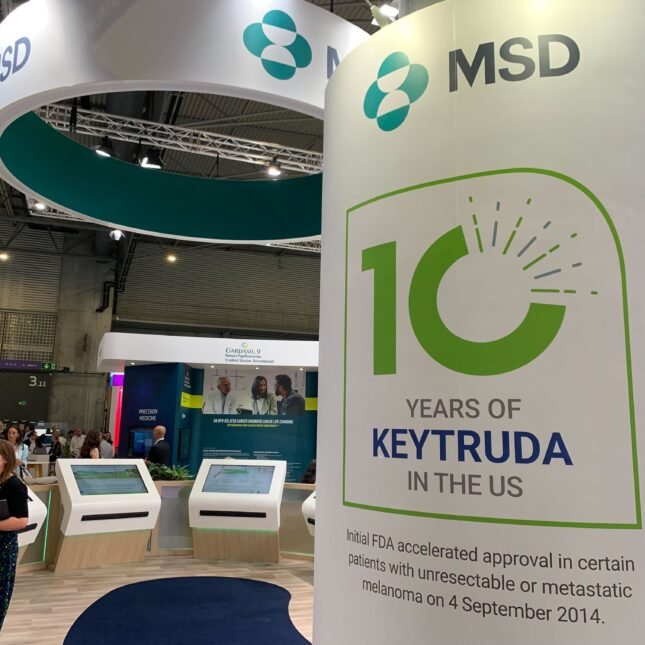
    In a setback for Merck, a Dutch court ruled that the company infringed on a patent pertaining to a subcutaneous formulation of its Keytruda cancer treatment and was ordered to halt manufacturing and marketing of the medication in several European countries, including France, Italy, Sweden, Switzerland, and the Netherlands.

    The ruling came as part of a widening patent infringement dispute with Halozyme Therapeutics over the best-selling cancer treatment. Patients requiring Keytruda will still have access to the existing intravenous version, which is not affected by the patent dispute or court order.

    In a statement, Merck said it “strongly” disagreed with the court’s decision.

    STAT+ Exclusive Story

    Already have an account? Log in

    STAT+

    STAT+

    This article is exclusive to STAT+ subscribers

    Unlock this article — plus in-depth analysis, newsletters, premium events, and news alerts.

    Already have an account? Log in

    View All Plans

    To read the rest of this story subscribe to STAT+.

    Subscribe

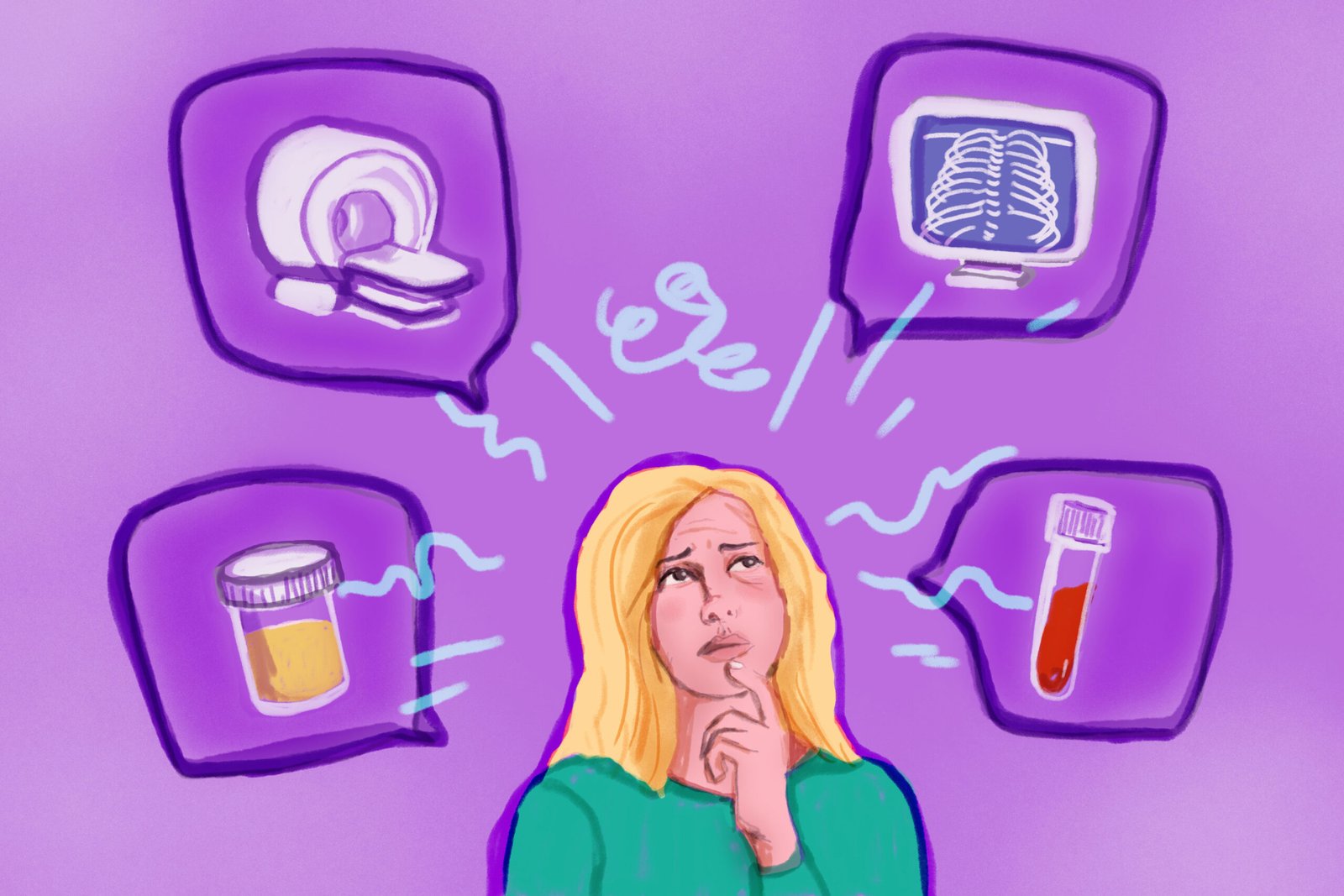
  • Before Saying Yes to the Medical Test, Know the Risks and Benefits

    Before Saying Yes to the Medical Test, Know the Risks and Benefits

    (Maria Fabrizio for WPLN and KFF Health News)

    When Lori Baute first learned about precautionary full-body MRI scans, she dismissed the idea.

    “ I heard Kim Kardashian got one, and some other wealthy people,” Baute said. But at 59, she was worried about her long-term health. She has a family history of cancer, and she’s a critical caregiver for her aging mom and her adult brother with special needs.

    After a close friend was diagnosed with bladder cancer, Baute decided to make an appointment with a clinic that offers full-body scans near where she lives in Ocala, Florida. Her results came back a week later. One major finding: She has lesions on her pancreas. “When I got that, I was really petrified,” she said.

    Worried about pancreatic cancer, Baute shared the results with her gastroenterologist, who ordered a targeted MRI scan as a follow-up. That test showed the lesions were benign cysts.

    Baute’s experience is becoming more common as companies pitch body scans directly to consumers as a way to detect cancer and other diseases early. But no major medical association — including the American Cancer Society and the American College of Radiology — recommends these scans for people without a very high risk of certain cancers.

    And even medical screenings that doctors do recommend can carry some of the same reasons for caution.

    The QTip:

    Before saying yes to the test, ask about the risks and benefits — even if your doctor recommends it.

    Here’s what to know:

    Every Test Comes With Costs and Risks

    At a minimum, a medical test will cost you time — and could mean a hefty medical bill. Many tests marketed directly to consumers, like full-body scans and at-home blood screening kits, are not covered by insurance, and some tests can cost several thousand dollars.

    Some laboratory tests might involve only the discomfort of a blood draw or the awkwardness of collecting a urine or stool sample, but others carry the possibility of physical harm. For example, a small percentage of people who get CT scans each year will develop cancer because of the radiation exposure from the tests, according to estimates from the National Institutes of Health. Relatively simple procedures like a biopsy or an endoscopy come with the risks of pain, infections, tearing, a reaction to anesthesia, or further serious complications.

    Plus, testing can cause anxiety and stress — as patients wait for results and if the results are inconclusive. “I see patients every week in my office who are tortured by the results of tests that they really didn’t need to ever have,” said Rita Redberg, a University of California-San Francisco professor and cardiologist and an advocate for less medical testing. For example, if you discover a cyst, then “you’re living for the next year, two years, three years getting repeated tests to figure out whether it’s benign or a cancer,” Redberg said. She cautions patients against testing unless they have specific symptoms.

    Testing Often Leads to More Testing — And More Risk

    A reality of getting a medical test is that the results often lead to additional, and potentially more invasive, testing. Doctors call this “diagnostic cascade.”

    Baute, for example, plans to continue monitoring her pancreas with annual scans. To her, she said, the financial cost and anxiety are worth it if she can feel “like I’m in control of my health and I have knowledge.”

    But Redberg points to a worst-case scenario, documented by JAMA Internal Medicine in 2011: After starting an exercise program, a 52-year-old woman experienced chest pain and went to see her doctor. Her exam suggested that her pain was muscular and she had a low risk for heart disease. Still, her doctor ordered a scan of her heart to reassure her. The results led her doctor to order another test, during which her artery was ripped. She had emergency bypass surgery, experienced complications, and ultimately, Redberg said, “she ended up with a heart transplant — all from this unnecessary scan just to reassure her.”

    A Few Simple Questions Can Help You Decide

    Before saying yes to the test, it’s important to know about the risks and benefits — even if your doctor recommends it, Redberg said. She suggests asking a medical provider and yourself questions like:

    • What am I going to learn from this test?
    • How is this test going to help in my care?
    • Could I improve my health without doing this test?

    She said many test results, especially in her field of cardiology, end up pointing patients back to the basics of a healthy lifestyle, like eating well, exercising, and not smoking. And those, she said, could be advised without a test.

    People and Policy

    If your health insurance covers a medical test, that means the test has most likely met vetted, scientific standards that demonstrate benefits to patients. Insurers must cover evidence-based services that have a rating of A or B from the U.S. Preventive Services Task Force. Private insurers, as well as Medicaid and Medicare plans, must cover the full cost of recommended preventive screenings. Many medical tests marketed directly to consumers are not covered by insurance.


    Emily Siner at Nashville Public Radio contributed to this report.


    HealthQ is a health series from reporters Cara Anthony and Blake Farmer, approachable guides to an unapproachable healthcare system. It’s a collaboration between Nashville Public Radio and KFF Health News.

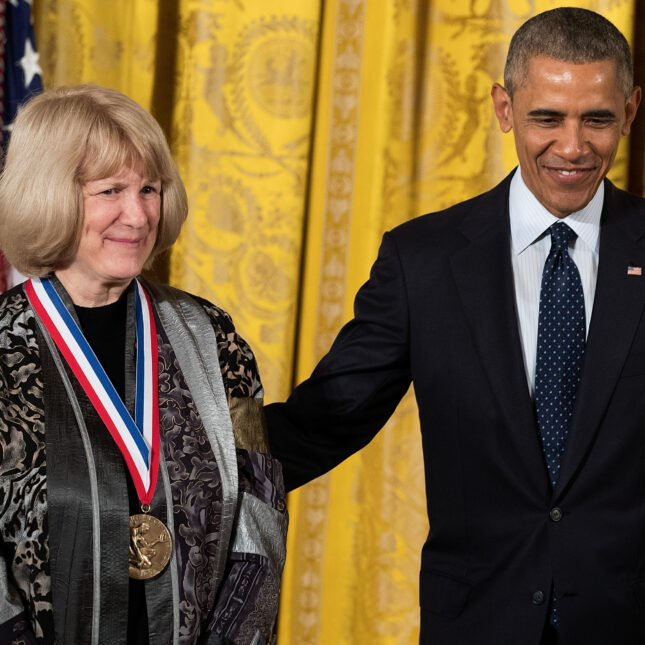
  • What it’s like to wait for the call from the Nobel Prize committee

    What it’s like to wait for the call from the Nobel Prize committee

    Some 20 years ago, Mary-Claire King was asked to hold a seminar at the Karolinska Institutet in Stockholm. 

    The invite, the geneticist soon learned, was code for: You are being considered for a Nobel Prize. She traveled to Sweden, held the seminar, then spoke about her work with interested experts who she later understood to be the prize committee. 

    She couldn’t have been too surprised: Her work has saved hundreds of thousands of lives, and changed cancer therapy. 

    In 1994 and 1995, King, then a professor at the University of California, Berkeley, showed that breast and ovarian cancer could be hereditary, and identified that mutations in the BRCA1 and BRCA2 genes dramatically increased the risk of developing breast and ovarian cancer. 

    There is actionable power in this knowledge: Women who test positive for the mutations can have preventive mastectomies, or get their ovaries and fallopian tubes removed. Many have decided to do so, and preventive surgeries have reduced cancer mortality for thousands of women. 

    Naturally, when Nobel Prize predictions are made, King’s name is often on the list. Ahead of this year’s announcements, starting with the medicine and physiology prize on Monday, STAT spoke to her about what it feels like to be a finalist of sorts in the highest-profile intellectual competition in the world. Now 80 and at the University of Washington, she also talked about her work, her advice to young women scientists, and her favorite mantra — which she invented. 

    This interview has been edited for clarity and length.

    So, the Nobel announcement is next week.

    Oh, my God, it’s next week already. I can’t believe it. 

    Your name has been among the possible winners for many years. Do you have a routine? Do you set an alarm to check the winner? 

    I think if it were at any time other than truly the middle of the night, I might. But I’m on the Pacific Coast, so it is the middle of the night. 

    It’s not worth setting an alarm for 2 a.m. in the morning?

    It’s not that it’s not worth it! It’s just that it’ll still be there, and the chances of any one year are extremely low. 

    Still, it’s hard to predict.

    That’s true. The year that Katalin Karikó won [with Drew Weissman for work that led to the mRNA Covid vaccines], I think, was the most predictable. I mean, she saved the planet, it’s hard to argue that anything else could have surpassed that. It was the world’s largest experiment. But my guess would be GLP-1 this year. 

    It must be an interesting process. It’s certainly a tiny filter, and there’s a lot of stochastic features involved. 

    Do you remember the first time that you heard your name among the possible winners?

    It was when they invited me to the Karolinska Institutet to give a seminar. They were very open about saying that they do this with people who are under consideration, and that anyone in this position should bear in mind that these things take years to sort through, and they just want to have the information and be able to talk to us personally. 

    I had a lovely time. I gave a seminar. I interviewed with what I’ve now recognized in retrospect are the members of the committee, and it was fine. There was no feedback.

    That was the first time I realized that it was even a possibility.

    What were the discussions like?

    It varies a lot within the course of the visit. I think it’s largely about the personality of the individual and their belief in the work and their knowledge about the work. In my case, the individual discussions ranged from totally fascinating with someone who totally understood the work … and then another person who was very open about being skeptical about how genetics could possibly solve such a problem. He was extremely polite, absolutely delightful, and charming — but very skeptical. 

    In a way it’s like going for any other interview: You just have to be prepared for a variety of levels of skepticism and questioning. It was an interesting experience. 

    What does it feel like to know your work is so impactful that not only does it get noticed by the Nobel Committee, but becomes common knowledge? 

    I don’t think that scientists are necessarily aware of how important the positive impact that we have on other people is. It just boosts you. It just makes you feel so much stronger and so much more confident and so much more able to continue in rough patches, of which there are of course many. 

    It’s been a half-century now that I’ve been working on this, and I think when it comes up it’s more like a secret handshake. Thousands of women, or their husbands, fathers, brothers write to me for clarification, for information. It’s a huge network of women all over the world, multiple languages which I don’t speak, and we work together on this. 

    I got a letter a few years ago, which I’ll treasure forever, from a woman. It was a physical letter, just a note on a little piece of paper and with a photograph of her and her daughter. She said, “My mother died of breast cancer when I was 14. It was way before testing. I’ve since discovered I have a mutation in BRCA1. I’ve had the necessary surgeries. I have not had breast or ovarian cancer. As you see, my daughter just graduated from high school: I thought you’d like to know.” What can you say? I was in tears. I’m in tears telling you about it. 

    So that’s it, it’s a secret handshake, and we all know what it means, and we can help each other out. 

    You went into a line of work that didn’t have many women in it, and did work that benefited, first and foremost, women. You encouraged female scientists, and advocated for greater diversity in the field. What do you think of the state of women in research now?

    An enormous amount has changed for the better. We are a far greater proportion of the research pool. We’re a far greater proportion of senior faculty. We’re a far greater proportion of policymakers in the health arena. 

    What hasn’t changed is that the time of a woman’s life when she has small children is the same as the time of her life when her career is getting off the ground, and until we accept that responsibility as a society and have structured high-quality subsidized childcare, it’s not gonna be equal. It’s simply not. 

    But over the years, generation after generation, what I tell younger women is that careers are long, and children grow up quickly. So it’ll be OK if you just do what you can now. But as one physician-scientist said to me, “All that’s true, but while they’re growing up, there’s a lot going on [in the lab].”

    What is your advice for young scientists — perhaps women — looking to make a big discovery, something that can change the course of medicine, as you did?  

    What’s most important is picking problems that are important to you. That will, for many of us, be problems that are important to many people — but they have to be important to you, they have to involve ways of thinking and experiment approaches that appeal to you, that you like doing every day. 

    I think that’s the way to go because these things have a way of growing. What begins as a small problem becomes a larger problem and a larger problem and a larger problem, and if you still like it, and if it still seems plausible, stick with it and and accept the encouragement from people who care, both people who might be affected by it and, especially at the beginning, people that you see every day, that are right there in the lab with you. 

    When did you start realizing how major your discovery was going to be for medicine? 

    It was quite abrupt, because the whole time I was working on the problem, it was a 17-year period. I came out of evolutionary biology and genetics, and then when it was clear that that way of thinking applied just fine to proving that breast cancer was inherited, and furthermore there was a gene, and furthermore, here’s where it was — that was a huge creative leap. And as soon as that happened, all sorts of people who cared about breast cancer from a medical perspective as well as genetics realized its importance. And that’s when I did too.

    You have done a lot of work since the BRCA discoveries. What is it like, emotionally and intellectually, to continue doing research after you’ve found something this big? 

    It’s something I think about a lot. One can apply the same way of thinking with new tools to problems that are as old as people but haven’t been tackleable before. My favorite mantra — which I confess to having invented — is, genetics is a way of thinking, genomics is a set of tools, so then problems that one can tackle are ever more challenging. The kinds of approaches that we can use now are just fabulous. We can ask genetic questions that we could not have asked even a decade ago, or three years ago. 

    And then, within the area of inherited predisposition to cancer, where do I see myself having a long-term niche? I think that’s in two ways. One is a kind of public-facing way. But the other is in what I’m really good at, which is figuring out how to use genetics in really tricky areas, and we still do that a lot.

    When this [the BRCA discovery] clearly became a major issue in medicine, and far greater than I would have ever guessed, Bernie Fisher, who was the father of modern breast cancer treatment, said to me: “You’re not going to be able to control this. You need to, on the one hand, let it go, but on the other hand, be there for people when they have questions.” 

    What are you working on now in your lab? 

    I have a nice group, and we’re all all involved in all our projects. We’re working on de novo mutations in schizophrenia, we’re working on expanding repeats in bipolar disorder, we’re working on cryptic mutations, structural variations leading to inherited predisposition to breast and other cancers. We’re working on congenital abnormalities. 

    It’s a wide swath.
  • STAT+: NIH awarded all its grant funding, but delayed and opaque decisions stymied researchers

    STAT+: NIH awarded all its grant funding, but delayed and opaque decisions stymied researchers

    A STAT analysis of National Institutes of Health spending shows that in the 2026 fiscal year, which ended Wednesday, the agency continued reducing grant awards involving health disparities, race, and ethnicity but made little progress toward other Trump administration priorities, including disbursing funds more evenly across the country and expanding support for early-career scientists.

    While the agency, like last year, spent its entire external grants budget of roughly $34 billion after a slow start, the manner in which it did so is sowing deep uncertainty among researchers. In a survey and interviews, they said delays in the grant review process are slowing down the pace of their work, and making it difficult for them to propose and conduct the sort of innovative, impactful science that the NIH exists to support.

    Overall, the agency funded around 58,000 projects, a slight drop from the 61,000 awarded during the 2025 fiscal year and well below the roughly 63,700 grants awarded annually in the years before the second Trump administration. Though this number may increase somewhat in the coming weeks because of reporting lags in the NIH grants database, the smaller number of grants potentially resulted from the White House’s push to fully fund more multiyear grants in advance, which meant that there was less funding on hand to issue new awards. 

    STAT+ Exclusive Story

    Already have an account? Log in

    STAT+

    STAT+

    This article is exclusive to STAT+ subscribers

    Unlock this article — plus in-depth analysis, newsletters, premium events, and news alerts.

    Already have an account? Log in

    View All Plans

    To read the rest of this story subscribe to STAT+.

    Subscribe