Tag: AI Prognosis

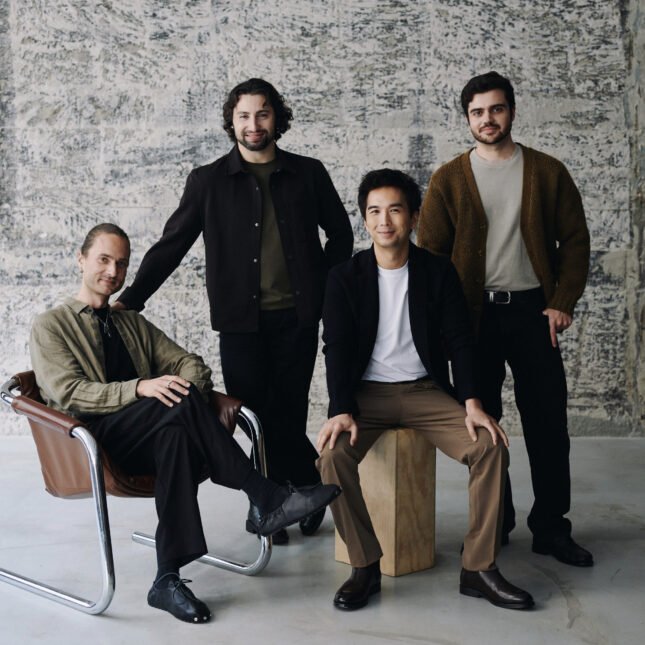
  • STAT+: The startup chasing ‘general biological intelligence’

    STAT+: The startup chasing ‘general biological intelligence’

    Brittany Trang, Ph.D., covers AI in health and medicine: Does it actually work? Who benefits, or might be harmed? She writes the weekly AI Prognosis newsletter. Follow her on Threads, Mastodon, and Bluesky. You can reach Brittany on Signal at btrang.01.

    This is the web edition of STAT’s AI Prognosis newsletter, our guide to artificial intelligence in health care and medicine. Sign up to get it delivered in your inbox every Wednesday. 

    Today is the first day of the STAT Summit in Boston! If you’re not attending in person (tickets for tomorrow are still available!), you can tune in virtually. Subscribers get a 40% discount on both virtual and in-person tickets.

    I’m looking forward to “When the Promise of AI Doesn’t Pan Out,” which is scheduled for just after noon ET today, and STAT executive editor Rick Berke’s interview with Katelyn Jetelina, better known as “Your Local Epidemiologist,” whom I’m still starstruck by. 

    STAT+ Exclusive Story

    Already have an account? Log in

    STAT+

    STAT+

    This article is exclusive to STAT+ subscribers

    Unlock this article — plus in-depth analysis, newsletters, premium events, and news alerts.

    Already have an account? Log in

    View All Plans

    To read the rest of this story subscribe to STAT+.

    Subscribe

  • STAT+: Why health AI pilots in Utah may be on a collision course with the FDA

    STAT+: Why health AI pilots in Utah may be on a collision course with the FDA

    You’re reading the web edition of STAT’s AI Prognosis newsletter

    STAT/Adobe

    Brittany Trang, Ph.D., covers AI in health and medicine: Does it actually work? Who benefits, or might be harmed? She writes the weekly AI Prognosis newsletter. Follow her on Threads, Mastodon, and Bluesky. You can reach Brittany on Signal at btrang.01.

    Mario covers technology in health care, including FDA regulation of artificial intelligence; how Medicare pays for health tech; the use of AI in clinical care; mental health chatbots; and consumer wearables. He’s also the co-author of the free, twice weekly STAT Health Tech newsletter. You can reach Mario on Signal at mariojoze.13.

    This is the web edition of STAT’s AI Prognosis newsletter, our guide to artificial intelligence in health care and medicine. Sign up to get it delivered in your inbox every Wednesday. 

    I have refused to read or watch “The Love Hypothesis” — I referred to it as the “Title IX movie” the other day when I forgot its name. But the clips are inescapable on my Instagram feed, and the science gaffes seem … real bad. Absolute butchering of how academia works? The impossible chemistry on the poster? Wearing miniskirts in the lab? Vortexing a test tube? *shudders*

    Once again: I firmly believe STAT would allow me to consult on science-related elements on film sets. Offers for Hollywood gigs, health tech story tips, comments: [email protected]

    STAT+ Exclusive Story

    Already have an account? Log in

    STAT+

    STAT+

    This article is exclusive to STAT+ subscribers

    Unlock this article — plus in-depth analysis, newsletters, premium events, and news alerts.

    Already have an account? Log in

    View All Plans

    To read the rest of this story subscribe to STAT+.

    Subscribe

    1. Brittany Trang, Ph.D., covers AI in health and medicine: Does it actually work? Who benefits, or might be harmed? She writes the weekly AI Prognosis newsletter. Follow her on Threads, Mastodon, and Bluesky. You can reach Brittany on Signal at btrang.01.

    2. Health Tech Correspondent

      Mario covers technology in health care, including FDA regulation of artificial intelligence; how Medicare pays for health tech; the use of AI in clinical care; mental health chatbots; and consumer wearables. He’s also the co-author of the free, twice weekly STAT Health Tech newsletter. You can reach Mario on Signal at mariojoze.13.

  • STAT+: What health tech leaders are talking about in Washington policy circles

    STAT+: What health tech leaders are talking about in Washington policy circles

    You’re reading the web edition of STAT’s AI Prognosis newsletter

    STAT/Adobe

    Brittany Trang, Ph.D., covers AI in health and medicine: Does it actually work? Who benefits, or might be harmed? She writes the weekly AI Prognosis newsletter. Follow her on Threads, Mastodon, and Bluesky. You can reach Brittany on Signal at btrang.01.

    This is the web edition of STAT’s AI Prognosis newsletter, our guide to artificial intelligence in health care and medicine. Sign up to get it delivered in your inbox every Wednesday. 

    It never crossed my mind that there would be a Cookie Monster AI satire piece in the New Yorker, but it does exist and I love it so much. h/t to my colleague Sarah Todd for sharing “Cookie Monster Tries to Meet His A.I. Mandate.”

    News I missed, story tips, comments: [email protected]

    STAT+ Exclusive Story

    Already have an account? Log in

    STAT+

    STAT+

    This article is exclusive to STAT+ subscribers

    Unlock this article — plus in-depth analysis, newsletters, premium events, and news alerts.

    Already have an account? Log in

    View All Plans

    To read the rest of this story subscribe to STAT+.

    Subscribe

    1. Brittany Trang, Ph.D., covers AI in health and medicine: Does it actually work? Who benefits, or might be harmed? She writes the weekly AI Prognosis newsletter. Follow her on Threads, Mastodon, and Bluesky. You can reach Brittany on Signal at btrang.01.

  • STAT+: AI doomerism: Here’s how to make sense of it

    STAT+: AI doomerism: Here’s how to make sense of it

    This is the web edition of STAT’s AI Prognosis newsletter, our guide to artificial intelligence in health care and medicine. Sign up to get it delivered in your inbox every Wednesday. 

    *Bernie Sanders voice* I am once again asking you to … forward this email to a friend! Non-subscribers can now sign up to get (a truncated version of) AI Prognosis. Tell ya buddies and coworkers!

    Also, tell your buddies about this essay from our new trust-in-science reporter, Nick Florko. Faced with health problems, he’s tried diets, supplements, and peptides — he understands the allure of non-scientifically backed treatments, and wants to listen to skeptics as he writes about doubt, misinformation, and distrust.

    Making sense of AI doomerism

    Over the last couple weeks, the fervor about whether AI will kill us all and needs to be slowed has continued on at a rolling boil.

    At STAT, we’ve discussed whether we need to write about it. But I have qualms: Firstly, the kind of nefarious AI that could potentially lead to human extinction is so far removed from still-error-prone health care AI that it’s almost impossible to talk about both at the same time.

    Then: Is this all marketing, as Anthropic and OpenAI prepare to go public? Are all of the recently disclosed AI safety incidents actually just examples of AI companies’ basic incompetence at cybersecurity and infrastructure skills, packaged to make the AI look impossibly smart?

    And then there’s the matter of finding someone who knows enough about AI to talk about it knowledgeably, but who also doesn’t have any incentive to frame it one way or another. (More on that in the next section.)

    In today’s issue, I’ll refer you to a few good reads in a few different areas (general AI, health care, and biology) to help make sense of this.

    STAT+ Exclusive Story

    Already have an account? Log in

    STAT+

    STAT+

    This article is exclusive to STAT+ subscribers

    Unlock this article — plus in-depth analysis, newsletters, premium events, and news alerts.

    Already have an account? Log in

    View All Plans

    To read the rest of this story subscribe to STAT+.

    Subscribe