Category: Study

  • Study Finds Folic Acid May Protect Mothers and Children Against Liver Damage From Prenatal Chemical Exposure

    You don’t have permission to access “http://www.mountsinai.org/about/newsroom/2024/mount-sinai-study-finds-folic-acid-may-protect-mothers-and-children-against-liver-damage-from-prenatal-chemical-exposure” on this server.

    Reference #18.be6018b8.1791798290.4e14fba

    https://errors.edgesuite.net/18.be6018b8.1791798290.4e14fba

  • Study: Even Low Levels of Arsenic in Drinking Water Raise Kidney Cancer Risk

    Study: Even Low Levels of Arsenic in Drinking Water Raise Kidney Cancer Risk

    Close up of a woman's hand filling a glass of filtered water from the tap in the kitchen sink at home.

    Arsenic occurs naturally and is found in groundwater in Texas and elsewhere.

    Credit: Getty Images

    New research findings from the Texas A&M University School of Public Health indicate that exposure to even low levels of arsenic poses significant health /risks, including an increased risk of kidney cancer.

    The incidence of kidney cancer in the United States rose by an average of 1.2 percent each year between 2011 and 2019 to become the seventh most common cancer. In the meantime, smoking — a well-established risk factor for kidney cancer — has continued to decline.

    This led researchers to consider other possible contributing factors, including arsenic, a known cause of various cancers that is naturally occurring in groundwater in Texas and other areas. Unlike previous studies, the Texas A&M study focused on low levels of arsenic exposure (below the regulatory threshold of 10 parts per billion) in both public water systems, which are regulated by various government agencies, and private well systems, which are not regulated.

    “Some public water systems are poorly managed and could expose customers to arsenic, but the 40 million people in the United States who rely on private wells are particularly vulnerable,” said Taehyun Roh, with the Department of Epidemiology and Biostatistics.

    Others involved with the study were Daikwon Han, Xiaohui Xu, and then-doctoral student Nishat Tasnim Hasan*, with the Department of Epidemiology and Biostatistics, and Garett Sansom, with the Department of Environmental and Occupational Health. The project was supported by grants from the Houston Methodist Research Institute, Robert and Janice McNair Foundation and National Institute of Environmental Health Sciences.

    Their findings, published in Environmental Pollution, examined the relationship between kidney cancer rates and arsenic levels in drinking water across 240 Texas counties. The team analyzed cancer data from the Surveillance, Epidemiology, and End Results on 28,896 cases of cancer among adults in Texas aged 20 and older, alongside water testing data from the Texas Department of State Health Services and the Texas Water Development Board.

    They used a statistical model that accounts for geographic location and adjusted the model for demographic and socioeconomic factors and cancer risk factors such as obesity, smoking and diabetes. They also adjusted for covariates that included pesticide density, social vulnerability, income level, rurality, cardiovascular disease hospitalization rates and the prevalence of chronic kidney disease.

    The analysis found that exposure to between 1 and 5 parts per billion raised kidney cancer risk by 6 percent, and exposure above 5 parts per billion raised the risk by 22 percent. In addition, the risk of cancer increased by 4 percent with each doubling of water arsenic levels.

    “This suggests that even low-level arsenic exposure in drinking water may be associated with an increased risk of kidney cancer, which aligns with previous research indicating an association between this exposure and lung, bladder and skin cancers,” Roh said.

    Hasan noted that their study design can indicate associations between factors but not causality and recommended that future studies focus on individual-level and biometric data — rather than the county-level data used here — to better assess the effects of factors such as lifestyle, family history of kidney cancer and other possible sources of arsenic exposure.

    “Still, our findings indicate that reducing arsenic exposure could reduce the incidence of kidney cancer, and this could be achieved through efforts such as enhanced regulatory oversight and targeted public health interventions,” Hasan said.

    *This link no longer exists and has been removed.

  • Study Finds Forever Chemicals Are More Toxic As Mixtures

    Study Finds Forever Chemicals Are More Toxic As Mixtures

    A first-of-its-kind study has measured the toxicity of several types of per- and polyfluoroalkyl substances (PFAS), better known as “forever chemicals,” when mixed together in the environment and in the human body.

    The good news: Most of the tested chemicals’ individual cytotoxicity and neurotoxicity levels were relatively low. 

    The bad news: The chemicals acted together to make the entire mixture toxic.

    “Though they are structurally similar, not all forever chemicals are made equal — some are more potent, others less. When mixed, all components contributed to the mixture’s cytotoxicity and neurotoxicity,” says the study’s first-author, Karla Ríos-Bonilla, a UB chemistry PhD student.

    “In the laboratory assays we used in this study, most of the types of PFAS that we tested did not appear to be very toxic when measured individually. However, when you measure an entire sample with multiple PFAS, you see the toxicity,” adds study co-author Diana Aga, SUNY Distinguished Professor, director of the RENEW Institute and Henry M. Woodburn Chair in the Department of Chemistry.

    This research was conducted in collaboration with Beate Escher of the Helmholtz Centre for Environmental Research (UFZ), Leipzig, Germany, where Ríos-Bonilla did the in vitro toxicity experiments in the high-throughput screening facility CITEPro. It was published Sept. 11 in Environmental Science and Technology, a journal of the American Chemical Society.

    The study is novel in that it assesses mixture toxicity of PFAS. These synthetic compounds have been widely used in consumer products — from nonstick pans to makeup — for decades, and they can take hundreds to thousands of years to break down, if ever. They are estimated to be in at least 45% of the nation’s drinking water and in the blood of practically every American, and they have been linked to cancer and neurodevelopmental disorders.

    Earlier this year, U.S. Environmental Protection Agency (EPA) issued the first-ever drinking water standards for six kinds of PFAS. However, it is estimated that there are over 15,000 varieties present in the environment. Only a handful of these chemicals have standards and are regulated. 

    “There are six PFAS that can be regulated because we know a lot about them and their toxicity. Unfortunately, we cannot regulate other forms of PFAS until their toxicities are known,” says Aga, who is principal investigator of the EPA STAR grant that funded the research. “We need to set maximum contamination levels for each PFAS that is proportional to their toxicity. To regulate contaminants, it is crucial to know their relative potencies when they occur as mixtures in the environment, along with their predicted environmental concentrations.” 

    Other co-authors from UB are G. Ekin Atilla-Gokcumen, Dr. Marjorie E. Winkler Distinguished Professor and associate chair of the Department of Chemistry, and Judith Cristobal, senior research scientist.

    Ríos-Bonilla is also supported by a graduate fellowship from the National Institute of Environmental Health Sciences (NIEHS) of the National Institutes of Health (NIH). 

    To conduct the study, researchers created their own PFAS mixtures, one that is representative of an average American’s blood serum, and the other of surface water samples found in the U.S. Ríos-Bonilla used data from the U.S. Centers for Disease Control and Prevention and from the U.S. Geological Survey to determine the average concentration ratios of PFAS in human blood and in surface water, respectively. 

    They then tested these mixtures’ effects on two cell lines: one that tests for mitochondrial toxicity and oxidative stress, and the other for neurotoxicity.

    Of the 12 PFAS spiked in the water mixture, perfluorooctanoic acid (PFOA) — commonly used in nonstick pans and firefighting foam — was the most cytotoxic, making up to 42% of the mixture’s cytotoxicity.

    On the other hand, both PFOA and perfluorooctane sulfonic acid (PFOS) contributed roughly the same cytotoxicity (25%) to the neurotoxicity assay, despite both contributing only 10 and 15% to the mixture in terms of concentration, respectively. 

    The blood mixture had four PFAS present, but PFOA again was the most cytotoxic to both cell lines. Despite its molar contribution being only 29%, PFOA triggered 68% of the cytotoxicity in the cytotoxicity assay, and 38% in the neurotoxicity assay.

    Interestingly, when researchers analyzed the toxicity of the extracts from real biosolid samples collected from a municipal wastewater treatment plant, very high toxicities were observed, despite the measured low concentrations of PFOA and other PFAS in the sample. 

    “This means that there are many more PFAS and other chemicals in the biosolids, which have not been identified, that contribute to the toxicity of the extracts observed,” Aga says.

    One of researchers’ goals was to determine if PFAS acts synergistically. This is when two or more chemicals’ combined effect is greater than the sum effect of the individual chemicals. However, their findings indicate that the effect of PFAS is concentration-additive: meaning that an established mixture toxicity prediction model can be used to predict the combined effect of mixtures. 

    “As up to 12 PFAS in the mixtures acted concentration-additive for cytotoxicity and specific neurotoxicity, it is likely that the thousands of other PFAS that are in commerce and use are also acting in the same manner,” Escher says. “Mixtures pose more of a risk than individual PFAS. As they act and occur in mixtures, they ought to be regulated as mixtures.”

    Researchers say the results of this study will also be very useful in assessing effectiveness of remediation efforts. Breaking down PFAS can sometimes create harmful byproducts that cannot be detected by chemical analysis, so measuring the toxicity of a sample after treatment may be the only way to judge whether a remediation technology is effective.

    “Toxicity assays can be a complimentary tool when analytical chemistry doesn’t give you all the answers, especially when the identities of contaminants in the mixture are unknown, which is the case in many polluted sites,” Aga says.

  • Study: Trees, Bushes Near Highways Can Significantly Reduce Air Pollution

    Study: Trees, Bushes Near Highways Can Significantly Reduce Air Pollution

    Researchers work near a fence separating vegetation from a highway.

    Associate Professor Roby Greenwald of the Georgia State University School of Public Health and Master of Public Health student Nadia Alhadidi demonstrate the air quality monitoring equipment that was used to assess the role that trees and bushes play in reducing air pollution near highways.

    ATLANTA — Trees and bushes planted near highways do more than improve the scenery. A new Georgia State University study finds they significantly reduce air pollution caused by motor vehicles, which has been linked to a host of illnesses.

    Over two three-month periods, researchers sampled air quality at five sites along metro Atlanta interstates and highways. When compared to similar sites without vegetation, the researchers found a 37 percent reduction in soot and a 7 percent reduction in ultrafine particles at sites with natural or ornamental vegetation. The findings appear in the journal PLoS One.

    “Trees and bushes near roadways don’t solve the problem of air pollution caused by motor vehicles, but they can help reduce the severity of the problem,” said lead author Roby Greenwald, associate professor in the GSU School of Public Health.

    A growing body of evidence has linked motor vehicle pollution to conditions such as asthma, chronic bronchitis, lung cancer and heart attacks. Solutions to the problem of elevated pollution levels near roadways are urgently needed, Greenwald and his colleagues noted, because 45 million people in the United States live, work or attend school within 300 feet of a major highway.

    Roadside vegetation reduces air pollution through several mechanisms, including by creating a large surface area onto which small particles adhere. The new study builds on previous research into the role that vegetation can play in reducing air pollution by sampling at several sites over an extended period and incorporating a model that allowed the researchers to account for factors such as wind direction, traffic volume and distance to the highway.

    Greenwald emphasized that while roadside vegetation can significantly reduce particulate air pollution, it doesn’t reduce carbon dioxide emissions or ozone pollution. He said that to achieve a more comprehensive reduction in the health hazards associated with highways, municipalities can improve air quality by making it safe, pleasant and convenient for people to get where they need to go without a motor vehicle. Changes could include expanding public transportation and developing and improving bicycle and pedestrian infrastructure, for example.

    “We should plant more trees along roadways because they provide benefits that go beyond aesthetics,” Greenwald said. “But I don’t want to give anyone the impression that we can solve all of the problems associated with motor vehicle emissions simply by planting trees.”

    In addition to Greenwald, co-authors on the study are Jeremy Sarnat, associate professor at the Emory University Rollins School of Public Health, and Christina Fuller, associate professor at the University of Georgia College of Engineering.

    Research in this news release was supported by the National Institute of Environmental Health Sciences of the National Institutes of Health under award number R21ES029252. The content is solely the responsibility of the authors and does not necessarily represent the official views of the National Institutes of Health.

    – Story by Sam Fahmy, photo by Meg Buscema

  • Study Clearly Identifies Nutrients as a Driver of the Great Atlantic Sargassum Belt

    Study Clearly Identifies Nutrients as a Driver of the Great Atlantic Sargassum Belt

    Woods Hole, Mass. — Under normal conditions, the floating macroalgae Sargassum spp. provide habitat for hundreds of types of organisms. However, the Great Atlantic Sargassum Belt (GASB) that emerged in 2011 has since then caused unprecedented inundations of this brown seaweed on Caribbean coastlines, with harmful effects on ecosystems while posing challenges to regional economies and tourism, and concerns for respiratory and other human health issues.

    Researchers looking into the question of what is the nutrient supply for the GASB say that they have now clearly identified that the nutrient content of Sargassum tissue could help determine the enrichment sources and potentially improve predictions and Sargassum management efforts.

    “We show clearly for the first time that Sargassum in the GASB is enhanced in both nitrogen and phosphorus, indicative of a healthy and thriving population,” according to the journal article “Nutrient and arsenic biogeochemistry of Sargassum in the western Atlantic,” published in Nature Communications.

    “Stable nitrogen isotope values point to riverine sources in some circumstances and are more equivocal in others. Distinguishing the various nutrient sources sustaining the GASB will require systematic snapshots of nutrient content and isotopic composition across its entire breadth,” according to the paper. “Presumably, the closer one gets to the source, the higher the nitrogen and / or phosphorus content of Sargassum should be. In that sense, basin-wide patterns in nitrogen and phosphorus elemental composition could provide the fingerprinting necessary to unequivocally determine the sources.”

    The paper notes that a variety of nutrient sources for the GASB blooms have been suggested, including upwelling, vertical mixing, discharge from the Amazon and Congo rivers, and atmospheric deposition. Though, the paper states that the causes of the GASB and the mechanisms controlling its variability remain unknown.

    The paper also indicates that the nutritional status of Sargassum in the GASB is enriched, with higher nitrogen and phosphorus content than are populations of Sargassum that reside in its Sargasso Sea habitat.

    “In its traditional environment, Sargassum is a great ecological benefit. However, the proliferation of biomass in the tropical Atlantic has proven the old adage that too much of a good thing can be bad,” said journal article lead author Dennis McGillicuddy, Jr., senior scientist in the Applied Ocean Physics and Engineering Department at the Woods Hole Oceanographic Institution (WHOI).

    The finding that nitrogen and phosphorus are higher in the GASB than in the Sargasso Sea “is a smoking gun that the GASB inundations are nutrient-driven,” said McGillicuddy. “A consequence of this finding is that it presents us potentially with the opportunity to use those nitrogen and phosphorus markers in Sargassum tissue to fingerprint the ultimate sources of these nutrients that are sustaining these seaweed blooms.”

    In addition, the paper notes that the presence of arsenic in Sargassum tissue – which reflects phosphorus limitation – significantly constrains the utilization of the seaweed biomass that washes ashore.
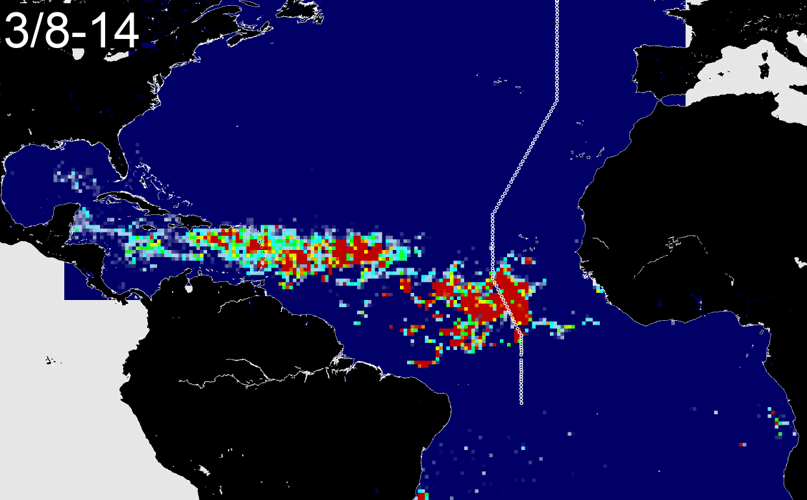
    Sargassum Belt

    Sargassum coverage based on satellite data. The white circles indicate sampling locations on GO-SHIP line A16 .(Image courtesy of C. Hu and B. Barnes)

    “As the Great Atlantic Sargassum Belt has grown over the last decade, the public has become increasingly aware of this phenomenon and its impact on coastal communities,” said co-author Peter Morton, associate research scientist in the Department of Oceanography at Texas A&M University, College Station. “Our research shows that Sargassum could become enriched in arsenic, depending on the conditions in which it grows. Plans to remove or exploit this material when it washes ashore should consider the potential for Sargassum to contain high concentrations of arsenic, so we encourage affected communities to proceed with caution when exploring options to deal with seasonal inundations of Sargassum.”

    Due to the threats that the Sargassum inundations pose to the environment, economy, and human health, the paper recommends the need for expanded observational and modeling studies to understand the GASB’s physical, biological, and chemical drivers. The paper notes that “the societal need for scientific understanding is urgent: improved seasonal to interannual predictions would offer tremendous value for proactive planning and response, while quantification of the underlying causes could inform potential management actions to mitigate the problem.”

    McGillicuddy first saw Sargassum when he was a child growing up in Florida and his grandfather took him fishing near the seaweed because that was the best place to fish. “It was an oasis in the oceanic desert,” McGillicuddy said.

    “Now, the system has changed in a fundamental way. We’ve got an oceanographic process out there that is creating this. As a scientist, and as a fisherman, I feel an urgent need to try to understand this situation, not only to help answer the interesting scientific questions around this problem, but do so in a way that we are able to understand the situation and eventually mitigate it in a way that would be of value to society,” he said.

    McGillicuddy and co-author Brian Lapointe also stressed the importance of the interdisciplinary and collaborative nature of this research, which encompasses a number of disciplines including biology, chemistry, and physics.

    “This collaborative study illustrates the value of interdisciplinary research teams to understanding complex oceanographic phenomena in an era of rapid global change, in this case, the Great Atlantic Sargassum Belt that formed in 2011,” said co-author Brian Lapointe, a research professor at Florida Atlantic University’s Harbor Branch Oceanographic Institute, and one of the world’s foremost authorities on Sargassum.

    Funding for this research was provided by the National Science Foundation, the National Institute of Environmental Health Sciences through the Woods Hole Center for Oceans and Human Health, WHOI, the Isham Family Charitable Fund, the State of Florida, and NASA.

    Sargassum samples of opportunity were collected on U.S. GO-SHIP lines A20 (Ryan Woosley, chief scientist; marine physical chemist at the Massachusetts Institute of Technology’s Center for Global Change Science), and A22 (Viviane Menezes, chief scientist; physical oceanographer at WHOI), carried out on the R/V Thomas G. Thompson (voyages TN389 and TN390) with the support of the U.S. National Science Foundation and the National Oceanic and Atmospheric Administration. U.S. GO-SHIP (Global Ocean Ship-based Hydrographic Investigations Program) is a component of International GO-SHIP.

    ###

    Authors: Dennis J. McGillicuddy, Jr.1*, Peter L. Morton2, Rachel A. Brewton3, Chuanmin Hu4, Thomas B. Kelly5, Andrew R. Solow1, and Brian E. Lapointe3

    Affiliations:

    1Department of Applied Ocean Physics and Engineering, Woods Hole Oceanographic Institution, Woods Hole, MA, USA

    2Department of Oceanography, Texas A&M University, College Station, TX, USA

    3Harbor Branch Oceanographic Institute, Florida Atlantic University, Fort Pierce, FL, USA

    4College of Marine Science, University of South Florida, St. Petersburg, FL, USA

    5College of Fisheries and Ocean Science, University of Alaska Fairbanks, Fairbanks, AK, USA.

    *Corresponding author

    About Woods Hole Oceanographic Institution

    The Woods Hole Oceanographic Institution (WHOI) is a private, non-profit organization on Cape Cod, Massachusetts, dedicated to marine research, engineering, and higher education. Established in 1930, its primary mission is to understand the ocean and its interaction with the Earth as a whole, and to communicate an understanding of the ocean’s role in the changing global environment. WHOI’s pioneering discoveries stem from an ideal combination of science and engineering—one that has made it one of the most trusted and technically advanced leaders in basic and applied ocean research and exploration anywhere. WHOI is known for its multidisciplinary approach, superior ship operations, and unparalleled deep-sea robotics capabilities. We play a leading role in ocean observation and operate the most extensive suite of data-gathering platforms in the world. Top scientists, engineers, and students collaborate on more than 800 concurrent projects worldwide—both above and below the waves—pushing the boundaries of knowledge and possibility. For more information, please visit www.whoi.edu

  • New Study: Abatacept Therapy Offers Promising Results Treating Juvenile Dermatomyositis

    New Study: Abatacept Therapy Offers Promising Results Treating Juvenile Dermatomyositis

    Newswise — WASHINGTON (March 8, 2023)–Juvenile dermatomyositis, a rare but often severe and chronic systemic autoimmune disease, includes a large number of patients who are treatment resistant, requiring long term immunosuppressive therapy. A small open-label study published in Arthritis and Rheumatology shows promise using a targeted biologic therapy called abatacept to treat such patients.  

    In the 24-week trial, ten patients with juvenile dermatomyositis ages 7 years or older with moderate disease activity who all received abatacept therapy had significant improvements in their muscle strength, physical function, endurance and skin rashes, as well as in the amount of muscle inflammation on MRI. In addition, patients were able to lower the daily dose of corticosteroids during the trial, said Rodolfo V. Curiel, M.D., the study Principal Investigator and an Associate Professor of Medicine at the George Washington University School of Medicine & Health Sciences.

    “This study makes an important contribution to the field of juvenile dermatomyositis,” Curiel said. “Treatment resistant patients require long-term immunosuppressive therapy with glucocorticoids, methotrexate and other medications. This 24-week clinical trial suggests abatacept may be beneficial and a potentially safe option for refractory juvenile dermatomyositis.”

    Curiel says the study is the first clinical trial conducted to evaluate the safety and efficacy of abatacept in such patients. Further study must be conducted to verify the findings of this small, pilot study, he says.

    “This is a breakthrough for juvenile dermatomyositis. The majority of these treatment-refractory patients improved at least moderately in clinical disease activity measures, as well as in two objective blinded measures, interferon genes and protein markers, reflecting downregulation of a key cytokine signaling pathway in JDM, and muscle inflammation on MRI. These data strengthen the trial findings and promise of abatacept for JDM, although further studies are needed.” said Lisa G. Rider, M.D., Head, Environmental Autoimmunity Group, National Institute of Environmental Health Sciences, NIH in Bethesda, Maryland, and Clinical Professor of Medicine at George Washington University School of Medicine & Health Sciences. 

    The paper, “Improvement in Disease Activity in Refractory Juvenile Dermatomyositis Following Abatacept Therapy,” was published online in Arthritis and Rheumatology.

    The study was supported by Bristol Myers Squibb, Cure Juvenile Myositis Foundation and the GW Medical Faculty Associates. In addition, the National Institute of Environmental Health Sciences and the National Institute of Arthritis and Musculoskeletal and Skin Diseases, which are part of the National Institutes of Health, supported part of the research. 

  • Study Suggests Black, Hispanic Women With Low Vitamin D More Likely to Develop Breast Cancer

    Among women who identified as Black/African American or Hispanic/Latina, those with low blood levels of vitamin D were more likely to develop breast cancer than those with adequate levels. In the study published by Wiley online in CANCER, a peer-reviewed journal of the American Cancer Society, the link between low vitamin D and breast cancer was particularly evident among Hispanic/Latina women.  

    Black/African American or Hispanic/Latina have lower average vitamin D levels than non-Hispanic white women. Although research suggests that vitamin D may protect against breast cancer, few studies have considered the role of race/ethnicity in this link. 

    To investigate, Katie O’Brien, PhD, of the National Institute of Environmental Health Sciences, and her colleagues collected blood samples from 415 women (290 Black/African American, 125 non-Black Hispanic/Latina) who later developed breast cancer, as well as from 1,447 women (1,010 Black/African American, 437 Hispanic/Latina) who did not develop breast cancer. 

    Over an average follow-up of 9.2 years, women with sufficient vitamin D levels had a 21% lower breast cancer rate than women with vitamin D deficiency (<20 ng/mL). The link was strongest among Hispanic/Latina women, who had a 48% lower rate if they had sufficient vitamin D levels. The link was weaker among Black/African American women, who had an 11% lower rate if they had sufficient vitamin D. 

    “Together with prior studies on this topic, this article suggests that vitamin D may be associated with reduced risk of breast cancer, including among women who self-identify as Black, African-American, Hispanic, or Latina,” said Dr. O’Brien. “Because women who identify as members of these groups have lower vitamin D levels, on average, than non-Hispanic white women, they could potentially receive enhanced health benefits from interventions promoting vitamin D intake. However, questions remain about whether these associations are truly causal and, if so, what levels of vitamin D are most beneficial.” 

    Additional Information 

    NOTE: The information contained in this release is protected by copyright. Please include journal attribution in all coverage. A free abstract of this article will be available via the Cancer News Room upon online publication. For more information or to obtain a PDF of any study, please contact: 

    Dawn Peters +1 781-388-8408 (US) 
    newsroom@wiley.com 
    Follow us on Twitter @WileyNews 

    Full Citation: 

    “Vitamin D concentrations and breast cancer incidence among Black/African American and non-Black Hispanic/Latina Women.” Katie O’Brien, Quaker E. Harmon, Chandra L. Jackson, Mary V. Diaz-Santana, Jack A. Taylor, Clarice R. Weinberg, and Dale P. Sandler. CANCER; Published Online: April 25, 2022 (DOI: 10.1002/cncr.34198). 

    URL Upon Publication: http://doi.wiley.com/10.1002/cncr.34198 

    Author Contact: NIH Communications and Public Liaison Staff: Robin Arnette arnetter@niehs.nih.gov, Christine Flowers bruskec@niehs.nih.gov, or Robin Macker: robin.mackar@nih.gov. 

    About the Journal 
    CANCER is a peer-reviewed publication of the American Cancer Society integrating scientific information from worldwide sources for all oncologic specialties. The objective of CANCER is to provide an interdisciplinary forum for the exchange of information among oncologic disciplines concerned with the etiology, course, and treatment of human cancer. CANCER is published on behalf of the American Cancer Society by Wiley and can be accessed online. 

    Follow us on Twitter @JournalCancer 

    About Wiley 

    Wiley is a global leader in research and education, unlocking human potential by enabling discovery, powering education, and shaping workforces. For over 200 years, Wiley has fueled the world’s knowledge ecosystem. Today, our high-impact content, platforms, and services help researchers, learners, institutions, and corporations achieve their goals in an ever-changing world. Visit us at  Wiley.com, like us on Facebook and follow us on Twitter and LinkedIn. 

  • NIH Study Illuminates Origins of Lung Cancer in Never Smokers

    NIH Study Illuminates Origins of Lung Cancer in Never Smokers

    Monday, September 6, 2021

    NIH study illuminates origins of lung cancer in never smokers

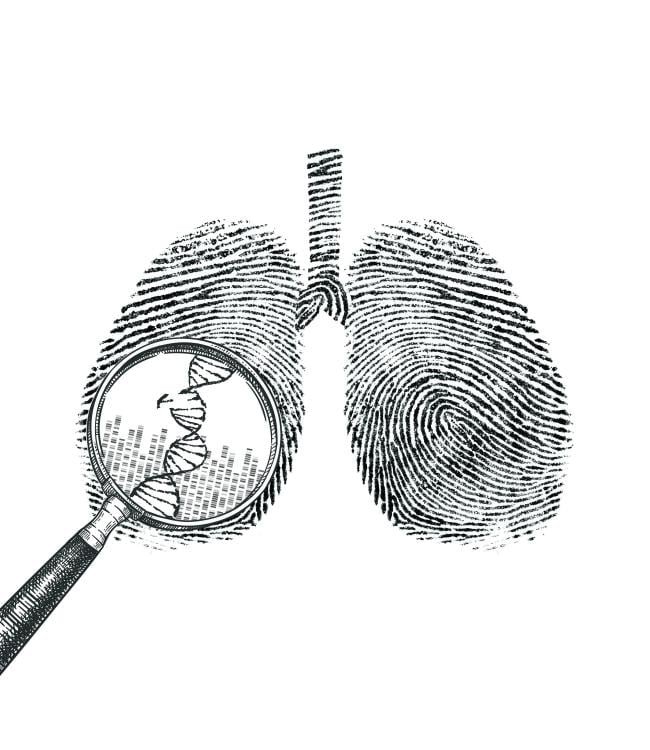
    Illustration of lungs made up of DNA sequences. A magnifying glass hovers over a portion of a DNA sequence showing a mutational change.

    National Cancer Institute

    A genomic analysis of lung cancer in people with no history of smoking has found that a majority of these tumors arise from the accumulation of mutations caused by natural processes in the body. This study was conducted by an international team led by researchers at the National Cancer Institute (NCI), part of the National Institutes of Health (NIH), and describes for the first time three molecular subtypes of lung cancer in people who have never smoked.

    These insights will help unlock the mystery of how lung cancer arises in people who have no history of smoking and may guide the development of more precise clinical treatments. The findings were published September 6, 2021, in Nature Genetics.

    “What we’re seeing is that there are different subtypes of lung cancer in never smokers that have distinct molecular characteristics and evolutionary processes,” said epidemiologist Maria Teresa Landi, M.D., Ph.D., of the Integrative Tumor Epidemiology Branch in NCI’s Division of Cancer Epidemiology and Genetics, who led the study, which was done in collaboration with researchers at the National Institute of Environmental Health Sciences, another part of NIH, and other institutions. “In the future we may be able to have different treatments based on these subtypes.”

    Lung cancer is the leading cause of cancer-related deaths worldwide. Every year, more than 2 million people around the world are diagnosed with the disease. Most people who develop lung cancer have a history of tobacco smoking, but 10% to 20% of people who develop lung cancer have never smoked. Lung cancer in never smokers occurs more frequently in women and at an earlier age than lung cancer in smokers.

    Environmental risk factors, such as exposure to secondhand tobacco smoke, radon, air pollution, and asbestos, or having had previous lung diseases, may explain some lung cancers among never smokers, but scientists still don’t know what causes the majority of these cancers.

    In this large epidemiologic study, the researchers used whole-genome sequencing to characterize the genomic changes in tumor tissue and matched normal tissue from 232 never smokers, predominantly of European descent, who had been diagnosed with non-small cell lung cancer. The tumors included 189 adenocarcinomas (the most common type of lung cancer), 36 carcinoids, and seven other tumors of various types. The patients had not yet undergone treatment for their cancer.

    The researchers combed the tumor genomes for mutational signatures, which are patterns of mutations associated with specific mutational processes, such as damage from natural activities in the body (for example, faulty DNA repair or oxidative stress) or from exposure to carcinogens. Mutational signatures act like a tumor’s archive of activities that led up to the accumulation of mutations, providing clues into what caused the cancer to develop. A catalogue of known mutational signatures now exists, although some signatures have no known cause. In this study, the researchers discovered that a majority of the tumor genomes of never smokers bore mutational signatures associated with damage from endogenous processes, that is, natural processes that happen inside the body.

    As expected, because the study was limited to never smokers, the researchers did not find any mutational signatures that have previously been associated with direct exposure to tobacco smoking. Nor did they find those signatures among the 62 patients who had been exposed to secondhand tobacco smoke. However, Dr. Landi cautioned that the sample size was small and the level of exposure highly variable.

    “We need a larger sample size with detailed information on exposure to really study the impact of secondhand tobacco smoking on the development of lung cancer in never smokers,” Dr. Landi said.

    The genomic analyses also revealed three novel subtypes of lung cancer in never smokers, to which the researchers assigned musical names based on the level of “noise” (that is, the number of genomic changes) in the tumors. The predominant “piano” subtype had the fewest mutations; it appeared to be associated with the activation of progenitor cells, which are involved in the creation of new cells. This subtype of tumor grows extremely slowly, over many years, and is difficult to treat because it can have many different driver mutations. The “mezzo-forte” subtype had specific chromosomal changes as well as mutations in the growth factor receptor gene EGFR, which is commonly altered in lung cancer, and exhibited faster tumor growth. The “forte” subtype exhibited whole-genome doubling, a genomic change that is often seen in lung cancers in smokers. This subtype of tumor also grows quickly.

    “We’re starting to distinguish subtypes that could potentially have different approaches for prevention and treatment,” said Dr. Landi. For example, the slow-growing piano subtype could give clinicians a window of opportunity to detect these tumors earlier when they are less difficult to treat. In contrast, the mezzo-forte and forte subtypes have only a few major driver mutations, suggesting that these tumors could be identified by a single biopsy and could benefit from targeted treatments, she said.

    A future direction of this research will be to study people of different ethnic backgrounds and geographic locations, and whose exposure history to lung cancer risk factors is well described.

    “We’re at the beginning of understanding how these tumors evolve,” Dr. Landi said. This analysis shows that there is heterogeneity, or diversity, in lung cancers in never smokers.”

    Stephen J. Chanock, M.D., director of NCI’s Division of Cancer Epidemiology and Genetics, noted, “We expect this detective-style investigation of genomic tumor characteristics to unlock new avenues of discovery for multiple cancer types.”

    The study was conducted by the Intramural Research Program of NCI and National Institute of Environmental Health Sciences.

    About the National Cancer Institute (NCI): NCI leads the National Cancer Program and NIH’s efforts to dramatically reduce the prevalence of cancer and improve the lives of cancer patients and their families, through research into prevention and cancer biology, the development of new interventions, and the training and mentoring of new researchers. For more information about cancer, please visit the NCI website at cancer.gov or call NCI’s contact center, the Cancer Information Service, at 1-800-4-CANCER (1-800-422-6237).

    About the National Institutes of Health (NIH): NIH, the nation’s medical research agency, includes 27 Institutes and Centers and is a component of the U.S. Department of Health and Human Services. NIH is the primary federal agency conducting and supporting basic, clinical, and translational medical research, and is investigating the causes, treatments, and cures for both common and rare diseases. For more information about NIH and its programs, visit www.nih.gov.

    NIH…Turning Discovery Into Health®

    Institute/Center

    Contact

  • Study Links Prenatal Phthalate Exposure to Altered Information Processing in Infants

    Study Links Prenatal Phthalate Exposure to Altered Information Processing in Infants

    Portrait of Susan Schantz.

    Susan Schantz and her colleagues found a relationship between prenatal exposure to phthalates and slower processing speed in 7.5-month-old infants.

    CHAMPAIGN, Ill. — Exposure to phthalates, a class of chemicals widely used in packaging and consumer products, is known to interfere with normal hormone function and development in human and animal studies. Now researchers have found evidence linking pregnant women’s exposure to phthalates to altered cognitive outcomes in their infants.

    Most of the findings involved slower information processing among infants with higher phthalate exposure levels, with males more likely to be affected depending on the chemical involved and the order of information presented to the infants.

    Reported in the journal Neurotoxicology, the study is part of the Illinois Kids Development Study, which tracks the effects of hormone-disrupting chemicals on children’s physical and behavioral development from birth to middle childhood. Now in its seventh year, IKIDS has enrolled hundreds of participants and is tracking chemical exposures in pregnant women and developmental outcomes in their children. Susan Schantz, a neurotoxicologist and professor emerita of comparative biosciences at the University of Illinois Urbana-Champaign, is the principal investigator of the study. She is a faculty member in the Beckman Institute for Advanced Science and Technology, which houses the IKIDS program at Illinois.

    “IKIDS is part of a larger initiative funded by the National Institutes of Health, the Environmental Influences on Child Health Outcomes program. It is tracking the impact of prenatal chemical exposures and maternal psychosocial stress on children’s growth and development over time,” Schantz said. “We measure numerous birth outcomes, including birth weight and gestational age. We also assess infants’ cognition by studying their looking behavior. This allows us to get measures of working memory, attention and information-processing speed.”


    The researchers analyzed metabolites of three commonly occurring phthalates in urine samples regularly collected from the pregnant women in the study. The chemical exposure data were used in combination with assessments of the women’s infants when the children were 7.5 months old.

    The researchers used a well-established method that gives insight into the reasoning of children too young to express themselves verbally: Infants typically look longer at unfamiliar or unexpected images or events.

    The team used an infrared eye-tracker to follow each infant’s gaze during several laboratory trials. With the infant sitting on a caregiver’s lap, researchers first familiarized the child with two identical images of a face. After the infant learned to recognize the face, the researchers showed that same face paired with an unfamiliar one.

    “In repeated trials, half of the 244 infants tested saw one set of faces as familiar, and half learned to recognize a different set of faces as familiar,” Schantz said. “By analyzing the time spent looking at the faces, we could determine both the speed with which the infants processed new information and assess their ability to pay attention.”

    The assessment linked pregnant women’s exposure to most of the phthalates that were assessed with slower information processing in their infants, but the outcome depended on the specific chemical, the sex of the infant and which set of faces the infant viewed as familiar. Male infants, in particular, tended to process information more slowly if their mothers had been exposed to higher concentrations of phthalates known to interfere with androgenic hormones.

    The specific characteristics of faces presented to the infants in the familiarization trials also appeared to play a role in the outcome, the researchers reported. Phthalate-exposed children who were first familiarized with faces from Set 2 were more likely to experience slower processing speed than those familiarized with faces from Set 1. The finding is perplexing, Schantz said, but is likely related to differences in the infants’ preferences for the faces in the two sets. It also may be an indication that familiarization with the Set 2 faces is a more sensitive detector of changes in processing speed related to phthalate exposure.

     “Most previous studies of the relationship between prenatal exposure to phthalates and cognition have focused on early and middle childhood,” Schantz said. “This new work suggests that some of these associations can be detected much earlier in a child’s life.”

    The U.S. Environmental Protection Agency, the National Institute of Environmental Health Sciences, the National Institutes of Health  ECHO Program supported this research.

    Editor’s notes: 
    IKIDS is a research partnership with Carle Foundation Hospital, Christie Clinic, OSF HealthCare, the U. of I., and Brigham and Women’s Hospital/Harvard Medical School.

    To reach Susan Schantz, email schantz@illinois.edu.
    The paper “Associations of prenatal exposure to phthalates with measures of cognition in 7.5-month-old infants” is available online and from the U. of I. News Bureau.

    DOI: 10.1016/j.neuro.2021.03.001

    This article was imported from a previous version of the News Bureau website. Please email news@illinois.edu to report missing photos and/or photo credits.

  • Study of Mosquito Protein Could Lead to Treatments Against Life-threatening Viruses

    Study of Mosquito Protein Could Lead to Treatments Against Life-threatening Viruses

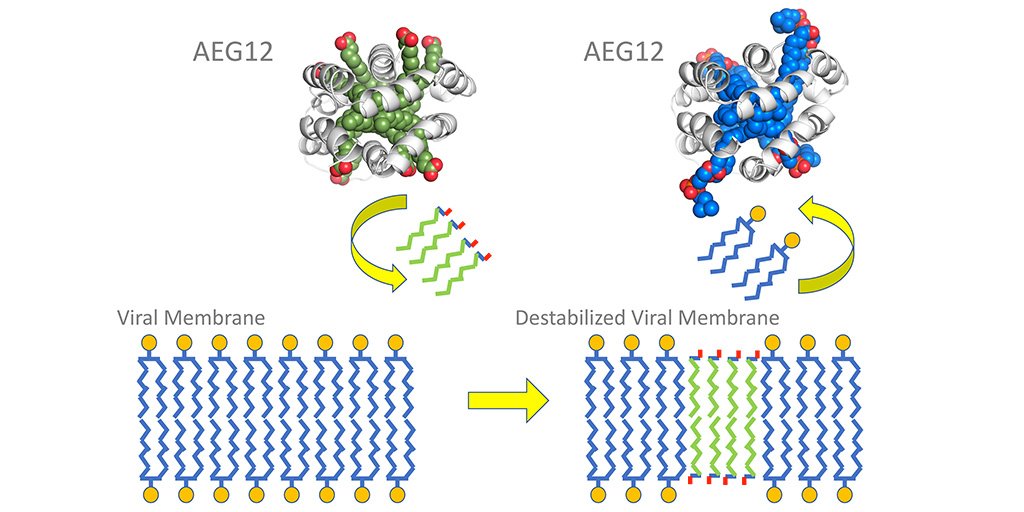
    The mosquito protein AEG12 strongly inhibits the family of viruses that cause yellow fever, dengue, West Nile, and Zika and weakly inhibits coronaviruses, according to scientists at the National Institutes of Health (NIH) and their collaborators. The researchers found that AEG12 works by destabilizing the viral envelope, breaking its protective covering. Although the protein does not affect viruses that do not have an envelope, such as those that cause pink eye and bladder infections, the findings could lead to therapeutics against viruses that affect millions of people around the world. The research was published online in PNAS.

    Scientists at the National Institute of Environmental Health Sciences (NIEHS), part of NIH, used X-ray crystallography to solve the structure of AEG12. Senior author Geoffrey Mueller, Ph.D., head of the NIEHS Nuclear Magnetic Resonance Group, said at the molecular level, AEG12 rips out the lipids, or the fat-like portions of the membrane that hold the virus together.

    “It is as if AEG12 is hungry for the lipids that are in the virus membrane, so it gets rid of some of the lipids it has and exchanges them for the ones it really prefers,” Mueller said. “The protein has high affinity for viral lipids and steals them from the virus.”

    As a result, Mueller says the AEG12 protein has great killing power over some viruses. While the researchers demonstrated that AEG12 was most effective against flaviviruses, the family of viruses to which Zika, West Nile, and others belong, it is possible AEG12 could be effective against SARS-CoV-2, the coronavirus that causes COVID-19. But, Mueller said it will take years of bioengineering to make AEG12 a viable therapy for COVID-19. Part of the problem is AEG12 also breaks opens red blood cells, so researchers will have to identify compounds that will make the protein target viruses only.

    Alexander Foo, Ph.D., an NIEHS visiting fellow and lead author of the paper, explained that mosquitoes produce AEG12 when they take a blood meal or become infected with flaviviruses. Like humans, mosquitoes mount a vigorous immune response against these viruses, with AEG12 bursting their viral covering. But, at the beginning of the project, Foo and his colleagues knew little about the function of AEG12.

    “The prospect of studying a new protein is exciting, yet daunting,” Foo said. “Thankfully, we had enough clues and access to a wide range of expertise at NIEHS to piece it together.”

    Co-author and crystallography expert Lars Pedersen, Ph.D., is leader of the NIEHS Structure Function Group. He routinely uses information about a molecule’s physical makeup in his work and encourages more scientists to consider using this data in their studies. He said, “Our research shows that understanding the structure of a protein can be important in figuring out what it does and how it could help treat disease.”

    Grants: 
    Z01ES043010 
    ZICES102506 
    ZIAES102645

    Reference: Reference: Foo ACY, Thompson PM, Chen S-H, Jadi R, Lupo B, DeRose EF, Arora S, Placentra VC, Premkumar L, Perera L, Pedersen LC, Martin N, Mueller GA. 2021. The mosquito protein AEG12 displays both cytolytic and antiviral properties via a common lipid transfer mechanism. Proc Natl Acad Sci U S A: doi: 10.1073/pnas.2019251118 [Online 9 March 2021].