Category: scientists

  • The fall of Roe dramatically changed abortion access. This researcher used Reddit to capture how

    The fall of Roe dramatically changed abortion access. This researcher used Reddit to capture how

    Betsy Pleasants was studying one historic disruption to abortion access when a more seismic one emerged.

    In spring 2022, as a graduate student at UC Berkeley School of Public Health, Pleasants was researching the effects of the Covid-19 pandemic on abortion services when a leaked draft opinion indicated that the U.S. Supreme Court would overturn Roe v. Wade. The court finalized its decision that June, ending the nearly 50-year-old constitutional right to abortion and ushering in an era of rapid change and increased state restrictions.

    Working with her thesis committee, Pleasants, who is interested in expanding access to abortion and other reproductive health care, adapted her dissertation to study conversations on the social network Reddit. Her new focus was tracking emerging barriers to abortion access in real time and examining the role of online resources in connecting people with evidence-based health information and services.

    “When it became clear that Roe v. Wade was going to be overturned, we all agreed that we had to shift the project,” said Pleasants, now a postdoctoral research associate at the Center for Women’s Health Research at the University of North Carolina. The Supreme Court decision “is something that required a response, and this project was positioned to offer timely insights into what this policy change means in people’s lives.”

    Pleasants and her colleagues plumbed thousands of posts from the Reddit forum r/abortion using natural language processing (NLP) — a type of computational analysis used to identify patterns in human language — alongside a qualitative close reading of a subset of posts. Through this dual approach, grounded in safeguards for user privacy, Pleasants is defining a framework for using artificial intelligence tools without losing sight of the context, complexity, and people behind the data.

    “We are in a complex policy moment for reproductive health,” said Pleasants, who was recently named a STAT Wunderkind. This type of research “is an act of documenting in an effort to work towards evidence-based policy change over time, and to advocate for the change that’s needed to promote access to reproductive health care.”

    Findings by Pleasants and her colleagues reaffirmed well-established barriers to access, including high costs and limited appointment availability, while also revealing lesser-known challenges, such as delays in receiving abortion medications by mail, low credibility of online ordering platforms, and concerns about the legal risks of seeking abortion or related medical care.

    “Embracing this opportunity and new methods was visionary,” said Ushma Upadhyay, professor in the Department of Obstetrics, Gynecology, & Reproductive Sciences at the University of California San Francisco, who mentored Pleasants during her doctoral research. “At the time, I didn’t know of any other studies using NLP to study online discourse on abortion. Most researchers will just take a random sample of a manageable number that they can analyze, and so this approach was really great because Betsy was able to get a more complete picture.”

    For scientists like Pleasants, the value of NLP goes beyond making large-scale research more efficient. It offers a broader view of how people communicate and behave at a scale that would otherwise be difficult to capture.

    “Computational research is like a stepping stool over a tall fence that lets you look at the other side and see everything that’s around you,” said Danny Valdez, associate professor of public health at the Indiana School of Public Health-Bloomington, who has employed NLP to study vaccine misinformation, addiction and recovery, and cancer care. “NLP, machine learning, and, increasingly, AI methods give you a 1,000-foot overview of how people communicate when they need help. You can learn a lot about the pulse of the nation, which helps us understand and inform where future policy could be headed.”

    A new model for studying online discourse

    Growing up in North Carolina, Pleasants got her first window into how people access health information, sparking an interest that would eventually shape her career. Even in Durham, a liberal core city of North Carolina’s Research Triangle, she recalled receiving abstinence-only sex education from a gym teacher. The contrast between the information she received at school and at home made her aware of how unevenly health knowledge and resources could be distributed.

    “I saw peers and other people in the community navigating not having good sex education, not having access to desired health services, and stigma,” said Pleasants. “All of these things really shaped the capacity they had to make decisions for themselves about their reproductive health.”

    Those early observations would become a throughline in Pleasants’ career, from earning her undergraduate degree at the University of North Carolina to completing her master’s and doctorate at UC Berkeley, and ultimately returning to UNC for her postdoctoral research.

    Pleasants entered college with an eye on becoming a physician, but was instead drawn to medical anthropology and broader discussions of how history, politics, and culture have shaped, and continue to shape, the U.S. health care system.

    “A big question that came up for me was: ‘Do I want to work within that system or do I want to critically engage with it?’” said Pleasants. “So, I ended up on this trajectory of research with an interest in asking questions of how we offer health services, particularly for women, and seeking to understand how we can make that better for all people as much as possible.”

    Analyzing r/abortion while at Berkeley allowed Pleasants to capture perspectives often overlooked by conventional research methods. The platform’s relative anonymity gave people space to speak candidly about personal experiences they might hesitate to share elsewhere. And because most community members had not interacted with the health care system, their experiences would often be missed by practice-based analysis.

    “Following the reversal of Roe v. Wade, a lot of people were turning to Reddit for support,” said Upadhyay.

    Pleasants and her collaborators used NLP to analyze more than 7,000 posts from the months before, during, and after the leak of the Supreme Court’s draft decision, identifying 55 distinct topics. Human oversight was integral throughout, both to validate the computational approach and to guide deeper qualitative analysis. The team closely examined posts within the identified topics to understand not only what people were discussing, but how they were navigating their experiences.

    The research revealed a wide range of barriers to abortion care, from state bans, high costs, and long travel distances to stigma and lack of social support. It also surfaced emerging challenges, including delays receiving abortion medications by mail, uncertainty about the legitimacy of online services, and concerns about potential legal risks. The qualitative analysis provided further insight into the impacts of these barriers, including anxiety and isolation and, in some cases, the need to self-manage abortions.

    The emphasis on human supervision also extended to protecting the privacy of Reddit users. As NLP and AI tools become more widely integrated into public health research, their use has fueled broader discussion, both within the research community and among the public, about the ethical use of online data. Pleasants said the stakes are particularly high in reproductive health research.

    “We are studying issues that are, at minimum, sensitive and stigmatized, and in some cases even pose risks for prosecution,” she said. “This becomes even more complex when you’re working with publicly available data where people may not be aware that their posts could be used for research.”

    To protect Reddit users, the team employed a “heavy disguise” process, replacing potentially identifiable posts with composite quotations that combined and rephrased similar experiences. The researchers then tested these composites using online searches and plagiarism-detection tools to help ensure they could not be traced back to their original sources.

    Together, these practices have established a model for studying sensitive online discourse at scale.

    “As this technology keeps getting faster and faster and faster, you do have very talented and forward-thinking researchers like Betsy, who are slowing things down and looking at how to make this as rigorous and concrete as possible through a very firm qualitative lens,” said Valdez, who was not involved in Pleasants’ research, though both have received funding from the Society of Family Planning. “We need work like Betsy’s that’s already acknowledged the difficulties of social media mining … and to show very high regard for the content that people are leaving on social media.”

    Today, Pleasants said her research, which has now expanded to include contraception and misinformation online, has taken on greater urgency as shifting policies increasingly constrain access to reproductive health care. She noted that researchers, advocates, and clinicians in the field have long worked amid scrutiny and uncertainty.

    “The importance of the research doesn’t lessen just because policies make the work harder. Rather, the opposite seems true right now,” she said.
  • Breast cancer can behave differently in older women. This physician is making more tailored treatments a reality

    Breast cancer can behave differently in older women. This physician is making more tailored treatments a reality

    Of all the factors that can increase a person’s risk of breast cancer, age is among the most significant. Almost half of people diagnosed with breast cancer are at least 65, and about 20% are 75 or older. Despite these rates, older women are frequently excluded from clinical trials; one study of breast cancer trials found that only 9% of participants were 65 or older, leaving physicians with a poorer understanding of how drugs behave in older adults and fewer guidelines with which to treat them.

    There’s increasing evidence that these patients could benefit from more tailored treatments. Neil Carleton, a cancer biologist and first-year resident physician at Brigham and Women’s Hospital, said that breast tumors can develop and grow differently in older patients than in younger ones because of hormone levels and inflammation. 

    “It can be a very heterogeneous disease,” Carleton said. But “historically, we’ve kind of treated all breast cancer the same,” he added — in a way that’s “age-agnostic.” 

    Carleton, who was recently named a STAT Wunderkind, wants to change that. After an M.D.-Ph.D. spent studying how clinicians can better treat tumors in older adults, he is now working to ensure that these patients receive care that is right for them, whether that means dialing back treatment or increasing it.

    “We typically think an older adult may be a little bit more frail” or less able to tolerate standard surgeries and therapies, he said. “But I don’t even think it’s about that. I think it’s more about appropriately treating.”

    Crafting the ‘nudge’

    As an undergraduate at Carnegie Mellon University, Carleton spent two summers working in a Johns Hopkins prostate cancer lab and was surprised to see surgeons making a point to attend the department’s journal club. On Wednesday mornings, as the urology group — basic scientists and physicians alike, in all stages of their careers — filed into the conference room to discuss scientific papers in the field, Carleton began to see how medicine and research were intertwined. 

    He’d been thinking about medical school since high school in Pittsburgh, when a formative biology teacher veered his lessons away from photosynthesis and toward anatomy, physiology, and new biotechnology — the kind of science that explained how human health really worked. The idea of a physician-scientist was completely new, and it felt like the right fit.

    “I knew you could be a doctor, and I knew you could do research. I had no idea that you could kind of do both,” Carleton said.

    When he started his M.D.-Ph.D. at the University of Pittsburgh in 2018, Carleton began working in the lab of Adrian Lee and Steffi Oesterreich, a husband-and-wife team of breast cancer biologists who were enthusiastic about new ideas and had a robust track record of translational research. Lee remembers the intensity with which Carleton wanted to be involved in that kind of work. “We can go on doing basic research forever, but we would like to eventually impact patient care,” Lee said. “And you could tell that he wanted to do that.” 

    At the time, there were reports from surgeons and in the scientific literature that older women with breast cancer were being overtreated. The three started talking about the patients that would come to launch Carleton’s career and a body of work in Lee and Oesterreich’s lab. In 2020, under the guidance of Lee, Oesterreich, and surgeon Priscilla McAuliffe, Carleton set out to quantify how many patients were receiving a surgery called a sentinel lymph node biopsy. 

    When removing a tumor from a patient’s breast, surgeons sometimes make an incision in the armpit and take a small amount of lymph node tissue to see if the cancer has spread there. Though professional society guidelines recommended against performing this biopsy on women 70 or older with early-stage cancer, other groups had reported that it was still being done.

    In data from the university medical center, Carleton found that about 65% of patients were still receiving biopsies. Rates actually continued to increase after the Society of Surgical Oncology adopted the guidelines in 2016, even though patients who received the biopsy were not more likely to survive or avoid recurrence. But “it can be very hard for surgeons to stop doing a surgery that’s kind of been ingrained in the paradigm for a while,” Carleton said.

    How, then, could he and his colleagues convince surgeons to reconsider? They designed a “nudge” within the electronic health record — a pop-up that would appear in a provider’s schedule for a qualifying patient that would remind them to consider omitting the biopsy. They implemented the nudge in eight clinics across the community and, in a clinical trial, tracked biopsy rates. The year after the nudge, they decreased by almost half.

    McAuliffe, now a breast cancer surgeon and clinical investigator at Emory University, said that surgeons encounter a lot of extraneous information in the electronic health record — but the nudge was simple. “I think that it reminded them without being a burden to them,” she said.

    One surgeon, when surveyed, said that the nudge “did exactly what its job was,” urging physicians to think about biology rather than reflexively recommending the biopsy. “I had to keep in mind that complete care doesn’t always equate with better care,” they said.

    The science behind a paradox

    While in the clinic, Carleton began studying a years-old question in the lab. Most breast cancer cases in older women are estrogen-receptor positive (ER+), meaning that tumor cells have receptors that bind to estrogen and trigger cancer growth. By 85, 91% of women with breast cancer have ER+ disease, even though postmenopausal women have lower levels of circulating estrogen. Carleton wanted to know how those tumors managed, seemingly paradoxically, to thrive.

    Looking at the gene expression in tissue from patients and healthy controls, Carleton and his colleagues found that the patients produced more of an enzyme involved in converting estrone — a form of estrogen that circulates in the bloodstream in postmenopausal women — to estradiol, its more potent version, within the tumor’s environment. 

    Scientists had known for 20 years that tumors made their own estrogen but didn’t know how it was done, Lee said. The enzyme Carleton identified was more than a mechanistic insight — it created a druggable target. In 3D models the lab made from patient cells, inhibiting the enzyme blocked estrogen conversion.

    Currently, doctors often treat postmenopausal women with ER+ tumors with inhibitors of a different enzyme. The drugs cause side effects like fatigue and joint pain, which lead many patients to stop treatment prematurely. Though the work is still early, Carleton hopes that drugs targeting the process they identified, administered through a gel or patch, could treat or even prevent breast cancer with fewer side effects. “I think it opens up possible therapeutic interventions,” he said.

    ‘Refining what we do’

    When looking through patient data early in his degree, Carleton noticed that some women ages 70 and older were forgoing surgery — not only the biopsy, but also a procedure to remove the main tumor in the breast. In this group, only 3% died of breast cancer after six years, and about 91% had their tumors controlled with primary endocrine therapy, which blocks estrogen receptors on ER+ breast cancer to prevent its growth. 

    If you could identify those patients for whom endocrine therapy might be enough treatment and monitor them, both the patient and their surgeon might be more comfortable with scaling back surgery, Lee said. “Precision medicine doesn’t mean doing more,” he said. “It means refining what we do, and sometimes refining what we mean we do means doing less.”

    While others might have missed the dozens of patients that hadn’t had any surgery among the thousands that did, Lee said, Carleton has a knack for noticing small details. And in September 2021, he uncovered a way to potentially track disease in patients who might not need surgery.

    Sitting in a talk at a local conference, Carleton learned about circulating tumor DNA (ctDNA), which cancer cells release into the bloodstream and can be measured to survey tumor growth. Natera, a molecular diagnostics company, had designed an assay that seemed perfect for older patients who’d declined surgery in favor of endocrine therapy: It required only a blood sample and could be done through a mobile blood-drawing service that came to their homes. Carleton and Lee approached Natera and, in the months afterward, designed a clinical trial to test whether they could use ctDNA to watch and identify patients at risk of progression.

    “It’s not an easy trial to recruit to — to say to someone, ‘Hey, you have breast cancer, but we’re not going to cut it out,’” Lee said. 

    But Carleton “has an amazing ability to kind of get the message across and encourage people,” Lee said, and put in hours with patients and physicians to earn their trust. Carleton was surprised by how many older adults were thrilled to join a trial that would guide not only their care, but the treatment of others going forward. “I think it was kind of one of the first times they were even approached to join a study,” he said.

    Over the next few years, the team studied patients who decided against surgery with Natera’s assay and ultrasound imaging. Patients with detectable ctDNA at six months were 30 times more likely to progress in their disease during the study, suggesting ctDNA was a marker of potential progression. And indeed, no patients with undetectable ctDNA before endocrine therapy progressed.

    The ‘closer’

    Today, as a first-year resident in Boston, Carleton spends most of his time treating patients. But he stays engaged with research: with the students in Lee and Oesterreich’s lab continuing to study the estrogen-converting enzyme, and with projects like designing a larger ctDNA trial. Lee and Oesterreich, with whom he still has regular check-ins, call him a “closer” — someone who takes on projects and sees them through to completion, synthesizing complex data from basic science and clinical practice into an understandable whole. “He has the complete package,” Lee said.

    Ultimately, Carleton hopes this work can help patients receive care without frequent trips to the clinic — turning breast cancer “into more of a chronic disease,” he said, where a patient might just take a daily pill and have regular imaging or ctDNA tests.

    Of course, Carleton said, not every patient will want that, and people with aggressive disease may need every intense treatment, test, and appointment. But better tools can help doctors identify: Who can be the patient they send home?

  • 2026 Nobel Prize in chemistry awarded for ‘mirror image’ molecule research, with impact on pharmacology

    2026 Nobel Prize in chemistry awarded for ‘mirror image’ molecule research, with impact on pharmacology

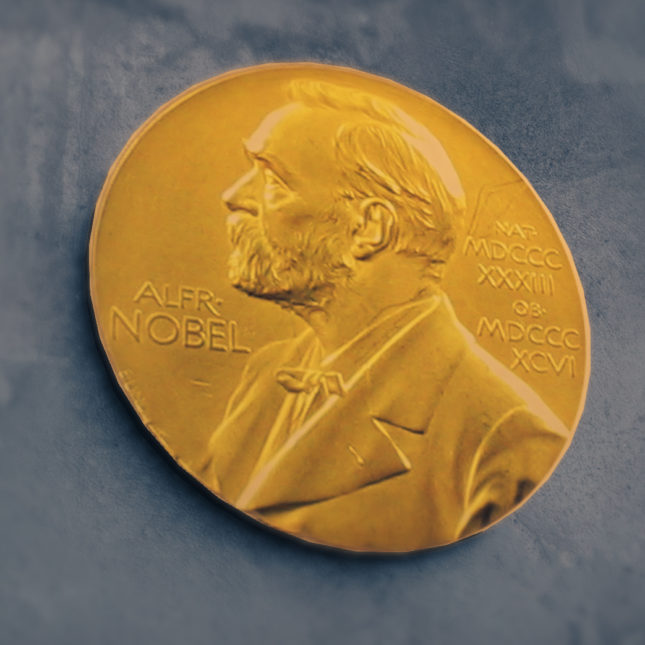
    Henri B. Kagan and Kenso Soai were awarded the 2026 Nobel Prize in chemistry on Wednesday for discovering how to manipulate “mirror image” molecules, paving the way for manufacturing more precise and safer drugs. 

    Kagan, 95, of the Université Paris-Sud in France, and Soai, 76, of Tokyo University of Science in Japan, solved a chemical mystery: Some molecules exist in the world that are mirror images of one another. This is a phenomenon known as chirality, from the Greek word for hand (as hands are mirror images of one another). Amino acids, the building blocks of proteins, are among chiral molecules, and a living organism can only contain one of the versions. The other mirror molecule is found rarely elsewhere in nature. More than half of clinically employed drugs are chiral, so understanding how this imbalance of two mirrored molecules occurs had crucial relevance for pharmacology.

    As the Nobel Committee puts it, imagine needing to make copies of a set of keys, but when you try to make them, you get both the key that correctly fits the lock, and a mirror image of it. It’s very hard to distinguish which is which, so you risk trying the wrong key into the lock. 

    The stakes are much higher if that key is a drug: when chemists develop new drugs, they often end up with some of their chiral versions, too. Sometimes, the mirror molecule does something completely different from what it was originally intended to — take novrad, a cough medicine, and darvon, a painkiller, which are chiral molecules (hence their mirror names, too). Other times the mirror molecule can cause serious side effects. 

    Still, drugs are typically sold as so-called “racemates” containing an equal mixture of both molecules, and prior to Kagan and Soai ,it was pretty much the only option, as chemists had not found a way to produce a molecule without its chiral version in equal parts. 

    That changed with the scientists’ “discovery of non-linear effects and autocatalysis in asymmetric organic synthesis,” as the Nobel Committee described it. In 1986, Kagan found a way to manipulate chemical reactions so that they produced more of one type of mirror images. Seventeen years later, Soai was finally able to develop an experiment that created only one of the two variants, creating a chiral molecule out of a non-chiral combination of molecules for the first time “since the dawn of life.” 

    “This is probably the coolest experiment in organic chemistry,” said Peter Somfai, a member of the Nobel Committee for Chemistry, referencing the Soai reaction.

    From a pharmaceutical point of view, this opened the door to the creation of chiral drugs containing only the necessary version of the molecule, achieving greater precision and lower side effects. 

    “I’m very excited to receive this very nice news about the Nobel Prize,” said Soai, calling into the award ceremony at the Karolinska Institutet in Stockholm, Sweden, from his native Hiroshima, Japan. “Of course this is one of the most exciting days of my life. I am very glad to share the award with professor Kagan.” 

    There have been 202 award winners since the first chemistry prize was awarded in 1901, of which 8 have been women. However, only 200 individuals won the award, as both Frederick Sanger and Barry Sharpless have been awarded twice. The youngest recipient was 35, the oldest 97. 

    The award has been given 118 times: 63 times to a single individual, and has been shared among two winners 26 times, and among three (the maximum allowed by the Nobel statute) 29 times. 

    The winners will receive 12 million Swedish Kronor (SEK), or roughly $1.2 million.  

    The medicine and physics prizes were awarded earlier this week.

  • What it’s like to wait for the call from the Nobel Prize committee

    What it’s like to wait for the call from the Nobel Prize committee

    Some 20 years ago, Mary-Claire King was asked to hold a seminar at the Karolinska Institutet in Stockholm. 

    The invite, the geneticist soon learned, was code for: You are being considered for a Nobel Prize. She traveled to Sweden, held the seminar, then spoke about her work with interested experts who she later understood to be the prize committee. 

    She couldn’t have been too surprised: Her work has saved hundreds of thousands of lives, and changed cancer therapy. 

    In 1994 and 1995, King, then a professor at the University of California, Berkeley, showed that breast and ovarian cancer could be hereditary, and identified that mutations in the BRCA1 and BRCA2 genes dramatically increased the risk of developing breast and ovarian cancer. 

    There is actionable power in this knowledge: Women who test positive for the mutations can have preventive mastectomies, or get their ovaries and fallopian tubes removed. Many have decided to do so, and preventive surgeries have reduced cancer mortality for thousands of women. 

    Naturally, when Nobel Prize predictions are made, King’s name is often on the list. Ahead of this year’s announcements, starting with the medicine and physiology prize on Monday, STAT spoke to her about what it feels like to be a finalist of sorts in the highest-profile intellectual competition in the world. Now 80 and at the University of Washington, she also talked about her work, her advice to young women scientists, and her favorite mantra — which she invented. 

    This interview has been edited for clarity and length.

    So, the Nobel announcement is next week.

    Oh, my God, it’s next week already. I can’t believe it. 

    Your name has been among the possible winners for many years. Do you have a routine? Do you set an alarm to check the winner? 

    I think if it were at any time other than truly the middle of the night, I might. But I’m on the Pacific Coast, so it is the middle of the night. 

    It’s not worth setting an alarm for 2 a.m. in the morning?

    It’s not that it’s not worth it! It’s just that it’ll still be there, and the chances of any one year are extremely low. 

    Still, it’s hard to predict.

    That’s true. The year that Katalin Karikó won [with Drew Weissman for work that led to the mRNA Covid vaccines], I think, was the most predictable. I mean, she saved the planet, it’s hard to argue that anything else could have surpassed that. It was the world’s largest experiment. But my guess would be GLP-1 this year. 

    It must be an interesting process. It’s certainly a tiny filter, and there’s a lot of stochastic features involved. 

    Do you remember the first time that you heard your name among the possible winners?

    It was when they invited me to the Karolinska Institutet to give a seminar. They were very open about saying that they do this with people who are under consideration, and that anyone in this position should bear in mind that these things take years to sort through, and they just want to have the information and be able to talk to us personally. 

    I had a lovely time. I gave a seminar. I interviewed with what I’ve now recognized in retrospect are the members of the committee, and it was fine. There was no feedback.

    That was the first time I realized that it was even a possibility.

    What were the discussions like?

    It varies a lot within the course of the visit. I think it’s largely about the personality of the individual and their belief in the work and their knowledge about the work. In my case, the individual discussions ranged from totally fascinating with someone who totally understood the work … and then another person who was very open about being skeptical about how genetics could possibly solve such a problem. He was extremely polite, absolutely delightful, and charming — but very skeptical. 

    In a way it’s like going for any other interview: You just have to be prepared for a variety of levels of skepticism and questioning. It was an interesting experience. 

    What does it feel like to know your work is so impactful that not only does it get noticed by the Nobel Committee, but becomes common knowledge? 

    I don’t think that scientists are necessarily aware of how important the positive impact that we have on other people is. It just boosts you. It just makes you feel so much stronger and so much more confident and so much more able to continue in rough patches, of which there are of course many. 

    It’s been a half-century now that I’ve been working on this, and I think when it comes up it’s more like a secret handshake. Thousands of women, or their husbands, fathers, brothers write to me for clarification, for information. It’s a huge network of women all over the world, multiple languages which I don’t speak, and we work together on this. 

    I got a letter a few years ago, which I’ll treasure forever, from a woman. It was a physical letter, just a note on a little piece of paper and with a photograph of her and her daughter. She said, “My mother died of breast cancer when I was 14. It was way before testing. I’ve since discovered I have a mutation in BRCA1. I’ve had the necessary surgeries. I have not had breast or ovarian cancer. As you see, my daughter just graduated from high school: I thought you’d like to know.” What can you say? I was in tears. I’m in tears telling you about it. 

    So that’s it, it’s a secret handshake, and we all know what it means, and we can help each other out. 

    You went into a line of work that didn’t have many women in it, and did work that benefited, first and foremost, women. You encouraged female scientists, and advocated for greater diversity in the field. What do you think of the state of women in research now?

    An enormous amount has changed for the better. We are a far greater proportion of the research pool. We’re a far greater proportion of senior faculty. We’re a far greater proportion of policymakers in the health arena. 

    What hasn’t changed is that the time of a woman’s life when she has small children is the same as the time of her life when her career is getting off the ground, and until we accept that responsibility as a society and have structured high-quality subsidized childcare, it’s not gonna be equal. It’s simply not. 

    But over the years, generation after generation, what I tell younger women is that careers are long, and children grow up quickly. So it’ll be OK if you just do what you can now. But as one physician-scientist said to me, “All that’s true, but while they’re growing up, there’s a lot going on [in the lab].”

    What is your advice for young scientists — perhaps women — looking to make a big discovery, something that can change the course of medicine, as you did?  

    What’s most important is picking problems that are important to you. That will, for many of us, be problems that are important to many people — but they have to be important to you, they have to involve ways of thinking and experiment approaches that appeal to you, that you like doing every day. 

    I think that’s the way to go because these things have a way of growing. What begins as a small problem becomes a larger problem and a larger problem and a larger problem, and if you still like it, and if it still seems plausible, stick with it and and accept the encouragement from people who care, both people who might be affected by it and, especially at the beginning, people that you see every day, that are right there in the lab with you. 

    When did you start realizing how major your discovery was going to be for medicine? 

    It was quite abrupt, because the whole time I was working on the problem, it was a 17-year period. I came out of evolutionary biology and genetics, and then when it was clear that that way of thinking applied just fine to proving that breast cancer was inherited, and furthermore there was a gene, and furthermore, here’s where it was — that was a huge creative leap. And as soon as that happened, all sorts of people who cared about breast cancer from a medical perspective as well as genetics realized its importance. And that’s when I did too.

    You have done a lot of work since the BRCA discoveries. What is it like, emotionally and intellectually, to continue doing research after you’ve found something this big? 

    It’s something I think about a lot. One can apply the same way of thinking with new tools to problems that are as old as people but haven’t been tackleable before. My favorite mantra — which I confess to having invented — is, genetics is a way of thinking, genomics is a set of tools, so then problems that one can tackle are ever more challenging. The kinds of approaches that we can use now are just fabulous. We can ask genetic questions that we could not have asked even a decade ago, or three years ago. 

    And then, within the area of inherited predisposition to cancer, where do I see myself having a long-term niche? I think that’s in two ways. One is a kind of public-facing way. But the other is in what I’m really good at, which is figuring out how to use genetics in really tricky areas, and we still do that a lot.

    When this [the BRCA discovery] clearly became a major issue in medicine, and far greater than I would have ever guessed, Bernie Fisher, who was the father of modern breast cancer treatment, said to me: “You’re not going to be able to control this. You need to, on the one hand, let it go, but on the other hand, be there for people when they have questions.” 

    What are you working on now in your lab? 

    I have a nice group, and we’re all all involved in all our projects. We’re working on de novo mutations in schizophrenia, we’re working on expanding repeats in bipolar disorder, we’re working on cryptic mutations, structural variations leading to inherited predisposition to breast and other cancers. We’re working on congenital abnormalities. 

    It’s a wide swath.