
Category: rare disease

  • Ultragenyx Rare Disease Voucher Sales Secure $413M for More Potential Pipeline Building

    Ultragenyx Rare Disease Voucher Sales Secure $413M for More Potential Pipeline Building

    Ultragenyx recently received two separate FDA approvals for gene therapies in the span of a month, each regulatory nod accompanied by a voucher the company could use to speed up the future review of another rare disease drug. In the past week, Ultragenyx has reached separate deals to sell each regulatory fast pass.

    The Novato, California-based biotech announced Wednesday a definitive agreement to sell a voucher for $203 million, following a deal last week to sell a voucher for $210 million. The identities of both voucher buyers were undisclosed and the purchases still need to meet closing conditions. But the deals put Ultragenyx in line for non-dilutive capital that the rare disease specialist can use to bolster its drug pipeline.

    Congress created the voucher program to incentivize drug development in rare diseases. Companies awarded a regulatory approval in a rare pediatric disease can receive one of these vouchers, which cuts the standard review time of 10 months down to six. These vouchers may be sold, and many voucher recipients opt to sell them to big pharmaceutical companies. Demand for these regulatory fast passes has pushed prices higher; most of the vouchers sold this year fetched prices of $200 million or more.

    Ultragenyx received a voucher alongside the late August approval of Gengylcos, a gene therapy for a rare inherited enzyme deficiency called glycogen storage disease type Ia. Another voucher came from the mid-September FDA nod for Fayuvi, a gene therapy for a different rare inherited enzyme deficiency called Sanfilippo syndrome Type A. Each product is the first approved therapy for its respective ultra-rare indication.

    While the Ultragenyx gene therapies carry multi-million-dollar price tags, neither product is expected to become a big revenue driver. Much of the company’s future financial expectations had rested on apazunersen, which was in development for Angelman syndrome, a rare genetic neurological disorder with no FDA-approved therapies. Last month, Ultragenyx reported this antisense oligonucleotide drug failed its Phase 3 test. The company said the disappointing trial outcome would lead to a corporate restructuring and expense reductions.

    The Angelman drug came from an acquisition. Ultragenyx’s two gene therapies also came from business deals. The capital from the voucher sales could be applied toward another deal for a different rare disease therapeutic candidate. While the company made clear its intent to sell both vouchers, it has not said how it will use the proceeds. As of the end of June, Ultragenyx reported its cash position was $436 million. The company is expected to report third quarter 2026 financial results in November.

    Ultragenyx previously received vouchers for rare disease drug approvals in 2017 and 2018. In a prepared statement, Chief Financial Officer Howard Horn noted that the Sanfilippo gene therapy benefited from capital generated by a previous voucher sale, “demonstrating the important role the [priority review voucher] program plays in helping companies develop transformative therapies for rare disease patients.”

    In a Wednesday research note, William Blair analyst Lachlan Hanbury-Brown said that even though Ultragenyx is launching two new gene therapies, the company’s pipeline lacks any clinical catalysts to drive value for the company’s stock in the next year. But the sale of the two vouchers significantly bolsters the biotech’s balance sheet with non-dilutive capital.

    “We look forward to hearing how management plans to strategically deploy this additional capital, as well as details on the company’s expense reductions plans, which we believe will help achieve [generally accepted accounting principles] profitability in 2027,” Hanbury-Brown said.

    Photo: CaptureTheWorld, Getty Images
  • Shionogi Adds to Its Rare Disease Strategy With $2B IntraBio Acquisition

    Shionogi Adds to Its Rare Disease Strategy With $2B IntraBio Acquisition

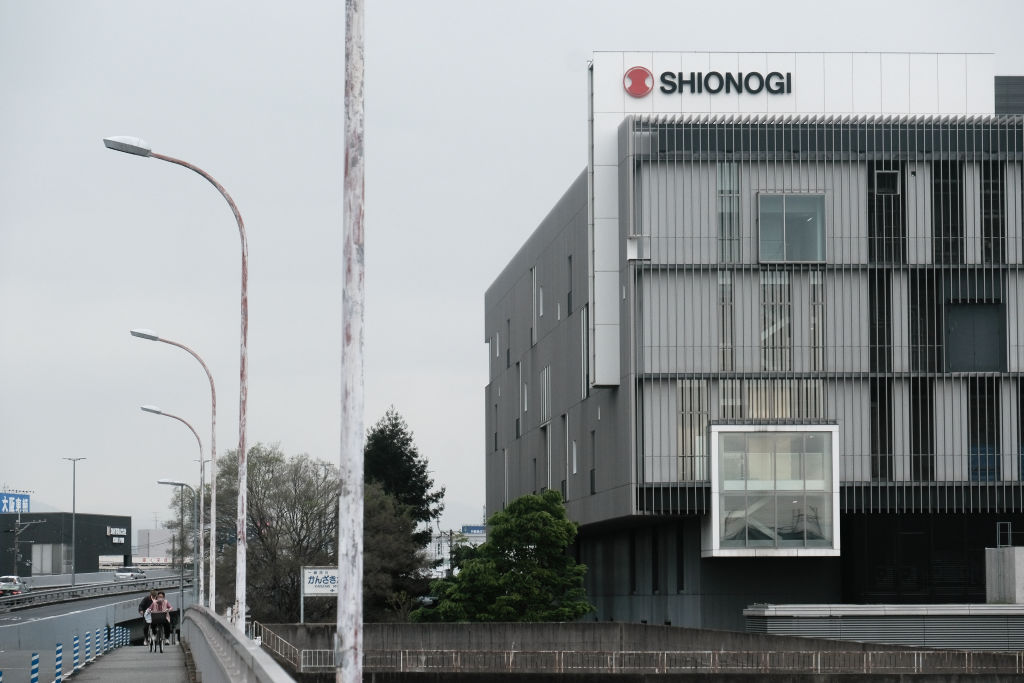
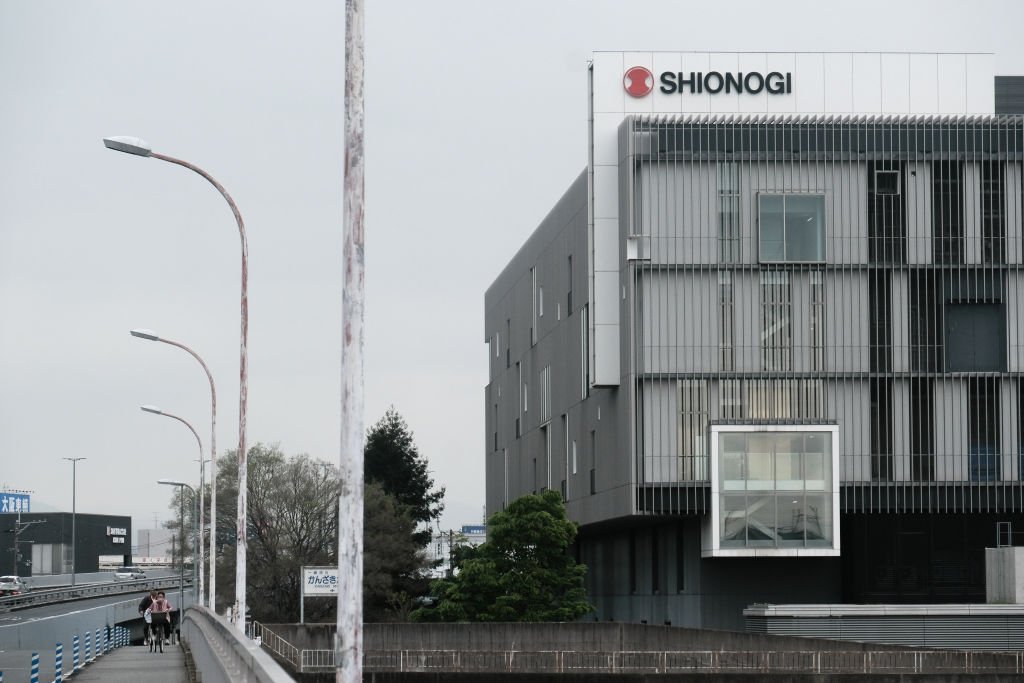
    The growth strategy of Shionogi & Co. is picking up a new piece through the $2 billion acquisition of IntraBio, a biotech company that brings a drug approved in two rare indications along with experience and expertise that complement the Japanese firm’s pipeline of drugs for rare neurological diseases.

    The main IntraBio asset in the deal announced Monday is levacetylleucine, brand name Aqneursa. The FDA initially approved this drug in 2024 as a treatment for the neurological manifestations of Niemann-Pick disease type C, a rare inherited enzyme deficiency. It’s one of just two FDA-approved therapies for this disorder. Last month, the FDA expanded Aqneursa’s label to include ataxia-telangiectasia (A-T), making it the first approved therapy for this rare neurodegenerative disorder.

    Osaka, Japan-based Shionogi established a commercial presence in rare disease through a business deal earlier this year, the $2.5 billion acquisition of global rights to Radicava, an amyotrophic lateral sclerosis drug developed by Tanabe Pharma. Shionogi’s other rare disease drug candidates are also from business deals.

    S-606001, currently in mid-stage clinical development for the rare enzyme deficiency Pompe disease, was licensed from Maze Therapeutics in 2024. Zatolmilast came from Shionogi’s 2020 Tetra Therapeutics acquisition. In May, Shionogi disclosed that this oral small molecule failed two Phase 3 tests in Fragile X syndrome, a genetic disorder that leads to intellectual disability and developmental delays. A separate mid-stage study is still evaluating the molecule in Jordan syndrome, a rare neurodevelopmental disorder.

    Privately held IntraBio was founded in 2015. Its scientific founders hailed from the University of Oxford and the University of Munich, where they discovered and developed small molecules that modulate lysosomal function and intracellular calcium signaling. Initially based in Oxford, U.K., IntraBio relocated to Austin, Texas, in 2024.

    Aqneursa is a modified form of L-leucine, an essential amino acid sourced from food that the body needs for building and repairing muscle and for enabling cells to produce energy. IntraBio’s version of the amino acid is modified in a way intended to help it cross membranes, including the blood-brain barrier. But Aqneursa’s label states that the drug’s mechanism of action for treating Niemann Pick and A-T is unknown. The company has said this drug has potential applications in a range of rare and common neurological disorders. According to Shionogi, Aqneursa generated $67.8 million in revenue in fiscal 2025.

    Shionogi’s largest source of revenue is royalties from HIV drugs marketed by ViiV Healthcare, a company majority owned by GSK. Earlier this year, Shionogi increased its minority ownership stake in ViiV from 10% to 21.7%. Those HIV medicines are part of a broader Shionogi business strategy with a 2030 target date for achieving growth goals. Another goal in this strategy is entering the rare disease business overseas.

    Beyond Aqneursa’s FDA approvals, the drug also received European Commission approval early this year for Niemann Pick disease type C. An additional European regulatory review is ongoing in A-T. In a prepared statement, Shionogi CEO Isao Teshirogi said the IntraBio acquisition shows his company’s commitment to building a global business in rare disease.

    “Bringing Aqneursa to Shionogi after our acquisition of Radicava will deepen our commitment to rare disease communities, expand our capabilities and strengthen our portfolio as we advance future innovation for patients with significant unmet needs,” he said.

    The IntraBio acquisition still needs to clear regulatory reviews. Shionogi said it expects the transaction will close by the end of this year.

    Photo: Soichiro Koriyama/Bloomberg, via Getty Images