Category: health

  • Platinum-based chemotherapy in childhood causes mutations that age the liver

    Platinum-based chemotherapy in childhood causes mutations that age the liver

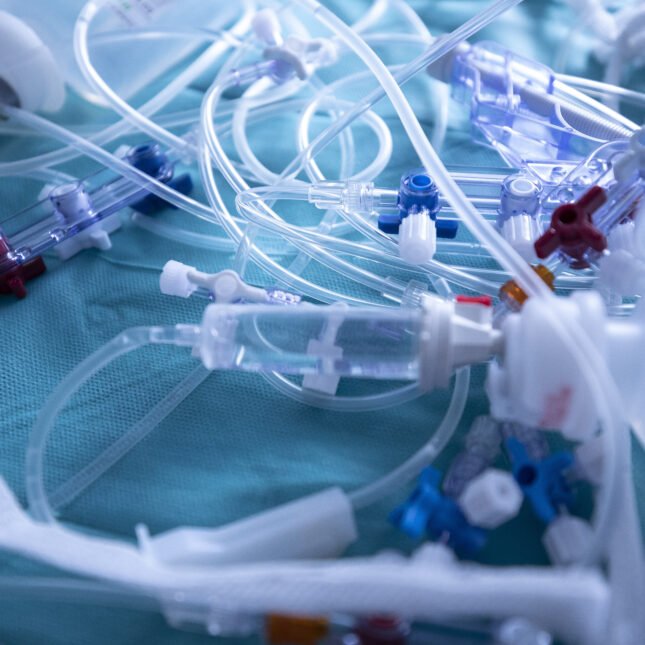
    Platinum-based chemotherapy — in particular cisplatin and carboplatin — are a lifeline for children with certain cancers. These treatments, for instance, transformed the prognosis of hepatoblastoma, a rare cancer of the liver that is the most commonly diagnosed in childhood, from a five-year survival rate of 20% to more than 80% for localized tumors. 

    However, these medications work by damaging the DNA of cancer cells, and they are also known to cause mutations in the DNA of healthy cells, potentially raising the risk of new cancers later in life. The mutations have been documented in adults, but the picture is less clear when it comes to children. A new study published Thursday in Science sought a clearer understanding of the long-term impact of platinum agents in children treated for hepatoblastoma. 

    The study looked at children who had received platinum therapy followed by surgery to remove the tumor. The researchers sampled tissues from the liver — both healthy and cancerous — and the patient’s blood, analyzing them through a sophisticated DNA sequencing technique called NanoSeq. 

    They then compared the sequencing results to those from children who had been treated with different drugs, or had not been treated prior to surgery, as well as to fetal liver tissue. They found that being exposed to platinum agents led to hundreds of mutations in genes (on average 2,200 per liver sample), a burden of mutation usually found in adult livers. In other words, platinum aged the liver cells of treated children, making them look more like adult liver cells.

    Mutation load also increased proportionally to platinum exposure: children who received only cisplatin had a smaller number of mutations than those who received both cisplatin and carboplatin. These mutations could increase the likelihood of liver pathologies, or the emergence of secondary tumors, the authors said. 

    “We found lots of cancer genes but also genes associated with long-term changes in liver metabolism,” said Foad Rouhani, one of the authors of the paper and a professor at King’s College in London. However, he stressed that “by no means does that mean that these cells will definitely become cancerous in time. All we talk about is there was evidence for potential for these cells to eventually cause problems further down the line.” 

    Liver cells showed many more mutations than blood cells, even though chemotherapy is a systemic treatment. “The platinum is doing something differently to liver cells than other cells. Either it’s been metabolized differently or the liver cells are repairing differently, we don’t really know yet,” said Rouhani. This could mean that the liver was more susceptible to the effects of platinum, or it could be the other way around: The extent of the mutations may explain why that liver got sick in the first place. 

    In a perspective article, Sanjeev Vasudevan and Donald Williams Parsons, both professors at Baylor College of Medicine in Houston, wrote that the findings “provide strong evidence for conducting survivorship studies of children that have undergone treatment for liver cancer beyond their third decade of life.”

    For the study authors, its primary contribution lies in establishing that the damage occurs, so clinicians can monitor these patients more closely during their lifetimes, said Rouhani, and identify issues at an earlier stage. 

    But there could be a prospective impact on treatment. “If we understand the mechanism, can we then eventually be able to design next-generation chemotherapies which are highly effective at treating the cancer but actually leave the background tissue largely untouched?” said Rouhani.
  • Health push makes nutraceuticals India’s fastest-growing consumer segment, says Earthful

    Health push makes nutraceuticals India’s fastest-growing consumer segment, says Earthful

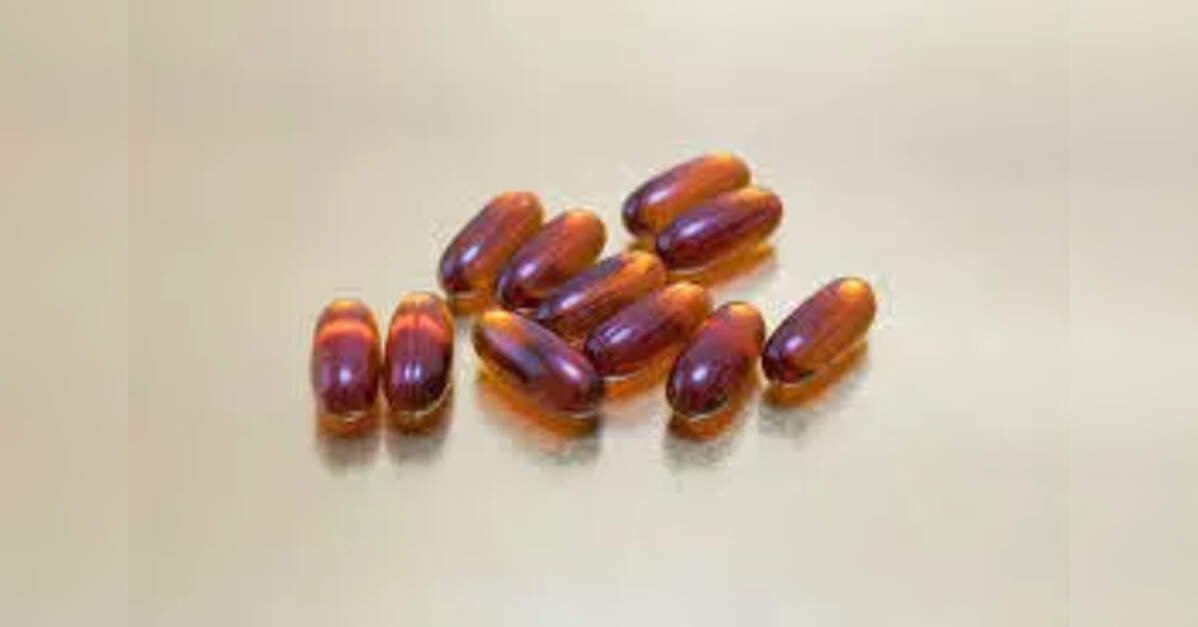
    The company that sells nutrition supplements, is starting a community initiative focused on menopause awareness, offering stipends to women over 40 to lead conversations at the local and digital level.

  • Microplastics, Algal Blooms, Seafood Safety Are Public Health Concerns Addressed by New Oceans and Human Health Centers

    Microplastics, Algal Blooms, Seafood Safety Are Public Health Concerns Addressed by New Oceans and Human Health Centers

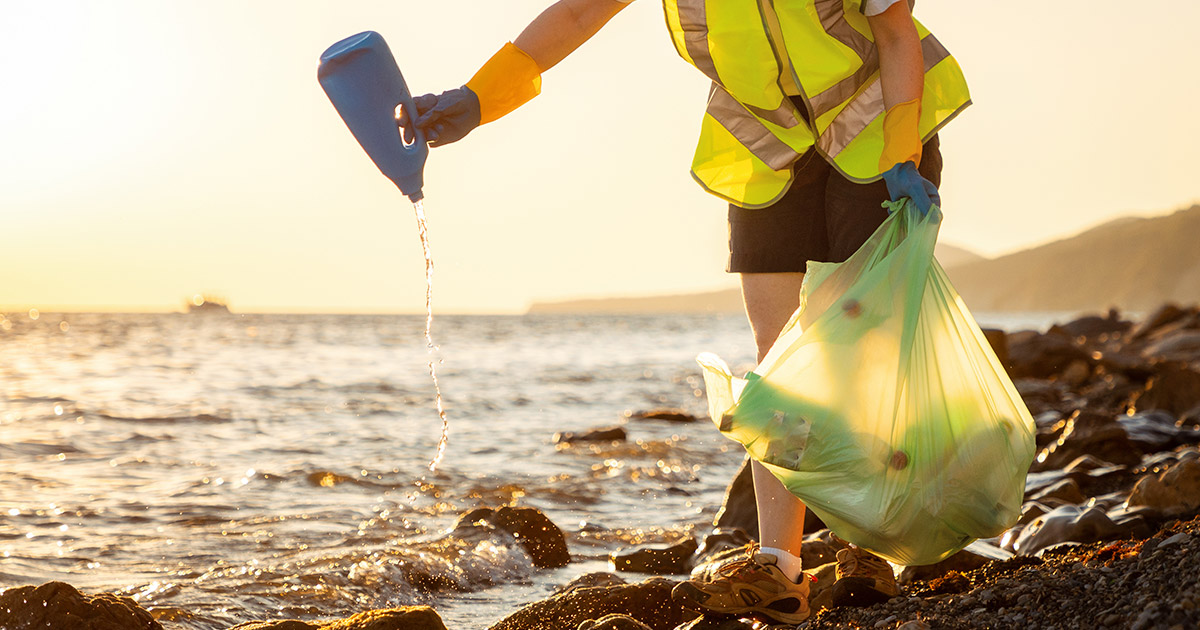
    To address plastics and other problems that could affect human health, NIH and the U.S. National Science Foundation (NSF) are jointly funding four new Centers for Oceans and Human Health and renewing two centers as part of a marine-related health research program. Each Center will focus on a different aspect of the interplay between environmental science, climate change, and human health in the ocean or Great Lakes. Together the two agencies plan to invest more than $42 million over five years for the centers program, continuing a two-decade long collaboration. The National Institute of Environmental Health Sciences (NIEHS) administers the centers at the National Institutes of Health (NIH) and supports individual research projects that focus on the ocean and the Great Lakes and their impact on human health.

    Millions of tons of small pieces of plastic, referred to as microplastics are finding their way into the world’s oceans. These microplastics, ranging from the size of a width of a pencil to smaller than a sesame seed, often get eaten by fish and shellfish and are passed to humans through seafood consumption. They also act as microscopic sponges, attracting, concentrating, and carrying pollutants into new environments. These plastic particles and other factors, including a warming climate and more extreme weather events, are affecting the health of our waterways, and, in turn, the health of our citizens.

    “We know very little about what these microplastics or even smaller pieces of plastics, known as nanoplastics, can do to human health in the short-or long-term, or even what they can do to the health of the sea turtles and other animals that live in the ocean,” said Anika Dzierlenga, Ph.D., program lead at the NIEHS.

    Nanoplastics measure under one micrometer in length, the width of a spider web or virus, making it very easy for them to enter the human body through eating, breathing, and absorption through the skin. Once inside the body, they may leach harmful chemicals that may impact development, reproduction, and immune system responses.

    “The connection among ocean pollution, climate change, and human health are problems that we are only beginning to understand,” said Dzierlenga. “People rely on oceans and lakes for jobs, food, tourism, recreation. These centers will help bring researchers and community groups together to study and take action to protect public health in coastal regions and around the Great Lakes.”

    “We’re excited to continue this long-standing partnership with NIEHS. Bringing geoscientists, health scientists, and community partners together to address these important questions has far-ranging impacts beyond what either agency can support alone,” said Henrietta Edmonds, Ph.D., a program manager in NSF’s Division of Ocean Sciences.

    NIEHS-NSF Oceans and Human Health Center Awardees

    The centers foster interdisciplinary collaborations among biomedical researchers, physical and oceanographic scientists, and community partners. The following institutions, listed alphabetically along with the project name, lead researcher, and brief description of project, are newly funded.

    North Carolina State University, Raleigh

    North Carolina Center for Coastal Algae, People, and Environment (NC C-CAPE)
    Principal Investigator: Astrid Schnetzer
    This center, which was awarded at the end of February, will help lay the groundwork for how cyanobacterial (blue-green algae) blooms in estuaries or coastal waters impact seafood safety and public health. This research will help inform guidelines for the safe consumption of water and seafood. NC C-CAPE will also actively engage with community experts and stakeholders to guide the translation and application of research findings.

    University of California San Diego

    Scripps Center for Oceans and Human Health: Advancing the Science of Marine Contaminants and Seafood Safety
    Principal Investigator: Bradley Moore
    The Scripps Center for Oceans and Human Health will evaluate the factors contributing to seafood safety concerns including impact from climate and weather, distribution of toxic chemicals across the aquatic food source chain, the role of the marine microbiome in toxin metabolism, and animal and human response to toxic chemicals. The grantees will consider both risks and benefits to seafood consumption and will help to develop messaging to seafood consumers.

    University of Rochester and Rochester Institute of Technology, New York

    Lake Ontario Center for Microplastics and Human Health in a Changing Environment
    Principal Investigators: Katrina Smith Korfmacher (University of Rochester) and Christy Tyler (Rochester Institute of Technology)
    This new center will be the first center within the Oceans and Human health Centers to focus solely on plastic pollution and microplastics. The Research organizations will collaborate to study the life cycle of plastic in Lake Ontario as it pertains to ecological and human health. The aim is to engage diverse local partners to prevent negative health effects of microplastics in the context of climate change in the Great Lakes region. The Great Lakes are the largest surface freshwater system in the world and are a critical resource for more than 30 million people.

    Woods Hole Oceanographic Institution, Massachusetts

    Woods Hole Center for Oceans and Human Health
    Principal Investigator: Dennis McGillicuddy
    Funding for this center has been renewed in 2024 and will build off its prior research to address how a changing climate could influence harmful algal bloom (HAB) dynamics and human exposure to HAB toxins, a serious and global human health threat. The center will also work to improve awareness of emerging HAB issues for the public health community and develop new educational materials and interactive activities for K-12 classrooms, and for health care providers.

    NIEHS and NSF expect to make two additional awards soon.


    About the National Science Foundation (NSF): The U.S. National Science Foundation propels the nation forward by advancing fundamental research in all fields of science and engineering. NSF supports research and people by providing facilities, instruments and funding to support their ingenuity and sustain the U.S. as a global leader in research and innovation. With a fiscal year 2024 budget of $9.06 billion, NSF funds reach all 50 states through grants to nearly 2,000 colleges, universities and institutions. Each year, NSF receives more than 40,000 competitive proposals and makes about 11,000 new awards. Those awards include support for cooperative research with industry, Arctic and Antarctic research and operations, and U.S. participation in international scientific efforts.

    See all News Releases

  • Global Call to Action on Sleep Health Published in The Lancet Public Health

    Global Call to Action on Sleep Health Published in The Lancet Public Health

    > News > News > Global Call to Action on Sleep Health Published in The Lancet Public Health

    ROCHESTER, Minn., September 29, 2023 — A global call to action was published in The Lancet Public Health on September 28 that urges decisionmakers to recognize sleep health as a foundation of human health. Decades of research across disciplines make this fact abundantly clear. Now is the time to begin leveraging sleep health to improve human health and wellbeing worldwide.

    Authored by an international group of experts on behalf of World Sleep Society (WSS), this viewpoint, titled “The Urgent Need for All Countries to Promote Sleep Health,” specifies three actions for governments at all levels, researchers and other stakeholders:

    • Educate: promote sleep and circadian health education and awareness
    • Research: collect and centralize standard sleep and circadian data in every country
    • Implement public health policies: include sleep health initiatives to advance public health agendas

    Read the complete text in The Lancet Public Health:  https://www.thelancet.com/journals/lanpub/article/PIIS2468-2667(23)00182-2/fulltext

    Improve Sleep to Improve Overall Health

    Like nutrition and physical activity, sleep health is a uniquely powerful target for interventions that improve overall health, yet most countries do not include sleep health in their public health agendas.

    “There is strong evidence that sleep is essential for physical and mental health, as well as well-being, across the entire lifespan. Disruption of sleep and circadian rhythms significantly increases the risk for dementia, obesity, diabetes and cardiovascular disease. Now is the time to integrate sleep and circadian health programs to promote the health span worldwide. No public health agenda is sufficient without the inclusion of sleep,” says Phyllis C. Zee, MD, PhD, chair of the WSS Global Sleep Health Task Force and president of World Sleep Society.

    The Costs of Inaction

    The costs of inaction are clear: avoidable burdens on health systems and continued exacerbation of global health inequities. “Our viewpoint describes in brief the wide-ranging consequences of poor sleep health for individuals, communities and governments worldwide. We are already bearing these burdens. We need action in these three areas – awareness, research and public policy – to lighten those burdens and improve lives,” says Diane C. Lim, MD, and Arezu Najafi, MD, lead co-authors of the article.

    Standardize Data Collection

    For its own part, the international research community must standardize data collection on global sleep health. “Researchers across many disciplines such as occupational health and urban planning who are interested in leveraging the science of sleep and circadian health to ultimately improve population health both locally and internationally must work together to collect – in a standardized fashion – the multi-dimensional sleep and circadian data that decision-makers need,” says Chandra Jackson, Ph.D., Senior Investigator at the National Institute of Environmental Health Sciences (NIEHS), part of the National Institutes of Health, and co-senior author of the viewpoint with Dr. Zee.

    Further information is available at worldsleepsociety.org/global-sleep-health. Follow World Sleep Society for updates and opportunities for organized collaboration.

  • Apple Women’s Health Study Advances Understanding of Menstrual Cycles and Health

    Apple Women’s Health Study Advances Understanding of Menstrual Cycles and Health

    February 1, 2023 – Over the past three years, researchers with the Apple Women’s Health Study have been able to shed light on topics such as pregnancy attempts during the COVID-19 pandemic and the impact of COVID-19 vaccination on menstrual cycles.

    Thanks to three years of renewed support from Apple, the work will continue.

    Shruthi Mahalingaiah

    “We’ve made incredible progress in our team’s cohesion and collaboration, and we’ve been able to dedicate ourselves towards discovery for women’s health,” said Shruthi Mahalingaiah, assistant professor of environmental, reproductive, and women’s health at Harvard T.H. Chan School of Public Health and a member of the study team.

    The study is a collaboration of Harvard Chan School, the National Institute of Environmental Health Sciences (NIEHS), and Apple. The longitudinal study is focused on advancing understanding of menstrual cycles and using that information to improve screening and risk assessment for a range of gynecological conditions—and, ultimately, to improve health across the lifespan. With its cohort of more than 100,000 participants from across the U.S., covering a wide range of ages, racial backgrounds, and other demographic factors, the study is well on its way.

    Said Mahalingaiah, “Women’s research is underrepresented overall in research. But the need is high.” She noted that the global burden of gynecological conditions has jumped considerably between 1990 and 2019. “My hope is that our study will address things that the world’s population of menstruators are seeming to face, such as endocrine disorders, headaches, mental health issues, diabetes, and cardiovascular problems.”

    She added, “We’re emphasizing that the menstrual cycle is a vital sign. I would like to lobby to have it up front in our medical record charting. For instance, is your period regular or irregular? Even that basic information can provide a whole view of a person’s health.” She noted that irregular periods can indicate a serious health issues. “People don’t understand, for instance, that fewer periods per year significantly increases your cancer risk,” she said. “It’s important that people have this information.”

    Participants who volunteer for the study download the Apple Research app on their iPhone and use it to track their menstrual cycles as well as take monthly surveys related to their menstrual experience. Apple Watch users also have the opportunity to choose to share data on physical activity and mobility that is passively collected. Those who’ve signed up say they are participating in order to advance women’s health research, to better understand their own health behaviors, and to improve technology in women’s health. Privacy is embedded into the study design. Participants have granular control over which types of data they choose to share with the study, and can withdraw from the study at any time. Any data collected is encrypted in transit and stored securely in a system designed to meet the technical safeguard requirements of the Health Insurance Portability and Accountability Act.

    Since its launch in the fall of 2019, the study has contributed research related to COVID-19 and other health issues. For example, the team found that there was an almost 20% decrease in pregnancy attempts during the pandemic, particularly among those with lower educational levels and lower perceived social status. Other research showed that while COVID-19 vaccines may cause small changes in menstrual cycles, those changes are temporary. Another study highlighted how menstrual characteristics vary by age, race and ethnicity, and weight; for example, participants who were Asian or Hispanic had longer menstrual cycles, and obesity was also linked with longer cycles.

    Going forward, researchers plan to examine how seasonality affects the menstrual cycle, how polycystic ovarian syndrome (PCOS) may impact heart health, and the link between menstruation and migraines. Other areas of interest to the researchers include infertility, osteoporosis, pregnancy complications, and menopausal transition.

    Mahalingaiah is particularly cheered by the fact that the study design makes it accessible to all, regardless of socioeconomic status, race, geographical location, or other factors. “We are breaking down boundaries by making this study 100% accessible,” she said. “Whether you’re living in a rural area or you feel disenfranchised by the medical community—this is building a bridge to having representation from all of those voices.”

    – Karen Feldscher

    photo: iStock/Natalia Kirienko


    Last Updated