
Category: Health Tech Newsletter

  • STAT+: Takeaways from an evaluation of Google’s diagnostic chatbot, AMIE

    STAT+: Takeaways from an evaluation of Google’s diagnostic chatbot, AMIE

    You’re reading the web edition of STAT’s Health Tech newsletter

    Adobe

    Mario covers technology in health care, including FDA regulation of artificial intelligence; how Medicare pays for health tech; the use of AI in clinical care; mental health chatbots; and consumer wearables. He’s also the co-author of the free, twice weekly STAT Health Tech newsletter. You can reach Mario on Signal at mariojoze.13.

    You’re reading the web edition of STAT’s Health Tech newsletter, our guide to how technology is transforming the life sciences. Sign up to get it delivered in your inbox every Tuesday and Thursday.

    Good morning health tech readers!

    I’m getting on a train to Boston in couple of hours for STAT Summit. See some of you soon.

    STAT+ Exclusive Story

    Already have an account? Log in

    STAT+

    STAT+

    This article is exclusive to STAT+ subscribers

    Unlock this article — plus in-depth analysis, newsletters, premium events, and news alerts.

    Already have an account? Log in

    View All Plans

    To read the rest of this story subscribe to STAT+.

    Subscribe

    1. Health Tech Correspondent

      Mario covers technology in health care, including FDA regulation of artificial intelligence; how Medicare pays for health tech; the use of AI in clinical care; mental health chatbots; and consumer wearables. He’s also the co-author of the free, twice weekly STAT Health Tech newsletter. You can reach Mario on Signal at mariojoze.13.

  • STAT+: AI for breast cancer risk prediction goes DTC, regulatory cloud over Utah sandbox, and AI psychosis

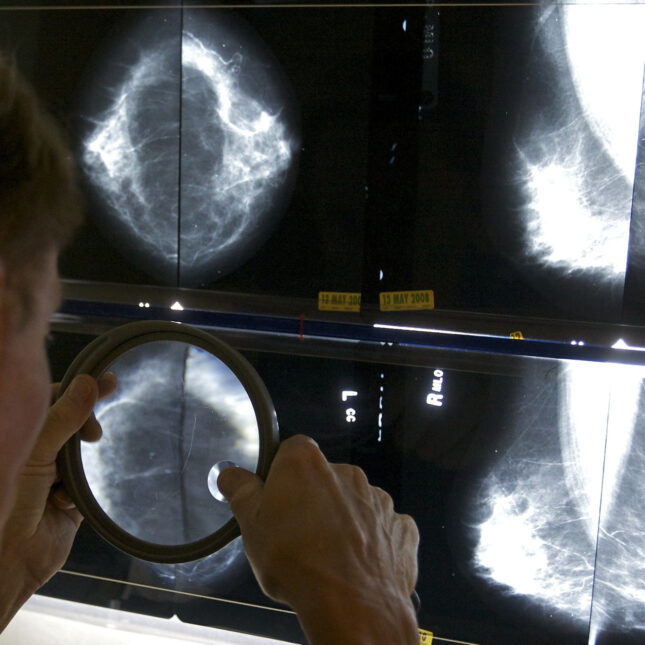
    STAT+: AI for breast cancer risk prediction goes DTC, regulatory cloud over Utah sandbox, and AI psychosis

    You’re reading the web edition of STAT’s Health Tech newsletter

    Damian Dovarganes/AP

    Mario covers technology in health care, including FDA regulation of artificial intelligence; how Medicare pays for health tech; the use of AI in clinical care; mental health chatbots; and consumer wearables. He’s also the co-author of the free, twice weekly STAT Health Tech newsletter. You can reach Mario on Signal at mariojoze.13.

    You’re reading the web edition of STAT’s Health Tech newsletter, our guide to how technology is transforming the life sciences. Sign up to get it delivered in your inbox every Tuesday and Thursday.

    Good morning health tech readers!

    I had the pleasure of profiling Yasha Ektefaie, a fellow at the Broad Institute, who is newly announced STAT Wunderkind. Check out our annual list of promising young researchers here.

    STAT+ Exclusive Story

    Already have an account? Log in

    STAT+

    STAT+

    This article is exclusive to STAT+ subscribers

    Unlock this article — plus in-depth analysis, newsletters, premium events, and news alerts.

    Already have an account? Log in

    View All Plans

    To read the rest of this story subscribe to STAT+.

    Subscribe

    1. Health Tech Correspondent

      Mario covers technology in health care, including FDA regulation of artificial intelligence; how Medicare pays for health tech; the use of AI in clinical care; mental health chatbots; and consumer wearables. He’s also the co-author of the free, twice weekly STAT Health Tech newsletter. You can reach Mario on Signal at mariojoze.13.

  • STAT+: FDA spells out 2027 AI guidance plans

    STAT+: FDA spells out 2027 AI guidance plans

    You’re reading the web edition of STAT’s Health Tech newsletter

    Stock photo of The FDA logo displayed on the screen of a smartphone with blue and black background
    Adobe

    Mario covers technology in health care, including FDA regulation of artificial intelligence; how Medicare pays for health tech; the use of AI in clinical care; mental health chatbots; and consumer wearables. He’s also the co-author of the free, twice weekly STAT Health Tech newsletter. You can reach Mario on Signal at mariojoze.13.

    You’re reading the web edition of STAT’s Health Tech newsletter, our guide to how technology is transforming the life sciences. Sign up to get it delivered in your inbox every Tuesday and Thursday.

    Good morning health tech readers!

    Just one week until the STAT Summit in Boston. I’ll be on stage. If you are interested in coming but are on the fence, give me a shout.

    STAT+ Exclusive Story

    Already have an account? Log in

    STAT+

    STAT+

    This article is exclusive to STAT+ subscribers

    Unlock this article — plus in-depth analysis, newsletters, premium events, and news alerts.

    Already have an account? Log in

    View All Plans

    To read the rest of this story subscribe to STAT+.

    Subscribe

    1. Health Tech Correspondent

      Mario covers technology in health care, including FDA regulation of artificial intelligence; how Medicare pays for health tech; the use of AI in clinical care; mental health chatbots; and consumer wearables. He’s also the co-author of the free, twice weekly STAT Health Tech newsletter. You can reach Mario on Signal at mariojoze.13.

  • STAT+: A major insurer on how it may replicate Medicare’s chronic-care experiment

    STAT+: A major insurer on how it may replicate Medicare’s chronic-care experiment

    You’re reading the web edition of STAT’s Health Tech newsletter

    Adobe

    Mario covers technology in health care, including FDA regulation of artificial intelligence; how Medicare pays for health tech; the use of AI in clinical care; mental health chatbots; and consumer wearables. He’s also the co-author of the free, twice weekly STAT Health Tech newsletter. You can reach Mario on Signal at mariojoze.13.

    You’re reading the web edition of STAT’s Health Tech newsletter, our guide to how technology is transforming the life sciences. Sign up to get it delivered in your inbox every Tuesday and Thursday.

    Blue Shield of California is one of 17 major health plans that has committed to adopting payment models inspired by the Medicare Innovation Center’s ACCESS Model.

    The insurer’s chief medical officer Ravi Kavasery told me that it’s still figuring out details of what this will look like, including whether it will adopt CMS payment amounts and what organizations it will work with. He said Blue Shield of California, which serves 6 million members, expect to launch similar models in commercial plans in 2027. 

    STAT+ Exclusive Story

    Already have an account? Log in

    STAT+

    STAT+

    This article is exclusive to STAT+ subscribers

    Unlock this article — plus in-depth analysis, newsletters, premium events, and news alerts.

    Already have an account? Log in

    View All Plans

    To read the rest of this story subscribe to STAT+.

    Subscribe

    1. Health Tech Correspondent

      Mario covers technology in health care, including FDA regulation of artificial intelligence; how Medicare pays for health tech; the use of AI in clinical care; mental health chatbots; and consumer wearables. He’s also the co-author of the free, twice weekly STAT Health Tech newsletter. You can reach Mario on Signal at mariojoze.13.

  • STAT+: Anthropic joins ARPA-H clinical AI moonshot, will hold closed-door health care event

    STAT+: Anthropic joins ARPA-H clinical AI moonshot, will hold closed-door health care event

    You’re reading the web edition of STAT’s health tech newsletter

    Nicolas TUCAT / AFP via Getty Images

    Mario covers technology in health care, including FDA regulation of artificial intelligence; how Medicare pays for health tech; the use of AI in clinical care; mental health chatbots; and consumer wearables. He’s also the co-author of the free, twice weekly STAT Health Tech newsletter. You can reach Mario on Signal at mariojoze.13.

    You’re reading the web edition of STAT’s Health Tech newsletter, our guide to how technology is transforming the life sciences. Sign up to get it delivered in your inbox every Tuesday and Thursday.

    Good morning health tech readers!

    Anthropic has been loudly warning that AI might one day lead to catastrophe. And yet, the company is moving aggressively into health care, even as AI regulation is in a state of flux.

    STAT+ Exclusive Story

    Already have an account? Log in

    STAT+

    STAT+

    This article is exclusive to STAT+ subscribers

    Unlock this article — plus in-depth analysis, newsletters, premium events, and news alerts.

    Already have an account? Log in

    View All Plans

    To read the rest of this story subscribe to STAT+.

    Subscribe

    1. Health Tech Correspondent

      Mario covers technology in health care, including FDA regulation of artificial intelligence; how Medicare pays for health tech; the use of AI in clinical care; mental health chatbots; and consumer wearables. He’s also the co-author of the free, twice weekly STAT Health Tech newsletter. You can reach Mario on Signal at mariojoze.13.

  • STAT+: The rise of the AI-native radiology practice

    STAT+: The rise of the AI-native radiology practice

    Mario covers technology in health care, including FDA regulation of artificial intelligence; how Medicare pays for health tech; the use of AI in clinical care; mental health chatbots; and consumer wearables. He’s also the co-author of the free, twice weekly STAT Health Tech newsletter. You can reach Mario on Signal at mariojoze.13.

    Good morning health tech readers!

    It’s gonna be a great day. 

    Reach me: [email protected]

    The Medicare RPM backlash

    Medicare’s plan to rein in spending on remote patient monitoring has prompted surprising pushback from insurers. Under these billing codes, Medicare pays health care providers to track and manage the health of their patients using connected devices like blood pressure cuffs.

    As I report in a new story, UnitedHealth Group, CVS Health, and Kaiser Permanente all wrote letters opposing a medicare proposal that such remote-monitoring services be rendered directly by employees of the provider billing for it. Currently much of RPM is delivered by vendors working under the supervision of the billing providers.

    STAT+ Exclusive Story

    Already have an account? Log in

    STAT+

    STAT+

    This article is exclusive to STAT+ subscribers

    Unlock this article — plus in-depth analysis, newsletters, premium events, and news alerts.

    Already have an account? Log in

    View All Plans

    To read the rest of this story subscribe to STAT+.

    Subscribe