This week, Trump administration officials announced their latest efforts to trim what they identified as duplicative and ineligible enrollees from government health programs. They tied the efforts to the administration’s broader crackdown on waste, fraud, and abuse — just as some states are opening polling stations for early voting.
The outcome of the midterm elections is expected to affect how and whether Congress addresses several healthcare issues during the lame-duck session, not the least of which is government spending. Plus, Health and Human Services Secretary Robert F. Kennedy Jr. unveiled a new initiative to identify vaccine injuries, complete with a ribbon-cutting ceremony at the National Institutes of Health.
This week’s panelists are Mary Agnes Carey of KFF Health News, Joanne Kenen of the Johns Hopkins Bloomberg School of Public Health, Sandhya Raman of Bloomberg Law, and Paige Winfield Cunningham of The Washington Sun.
Among the takeaways from this week’s episode:
Federal health officials this week pointed to their efforts to cut Affordable Care Act plan subsidies from people who were dead or found to have duplicate coverage under government health programs. While they were careful to say that these cases were not fraud, they tied their housekeeping activities to the Trump administration’s broader crackdown on waste, fraud, and abuse — and made that point just as some states are beginning early voting.
The outcome of the midterm elections is expected to shape how Congress spends its time during the coming lame-duck session, with benefits or repercussions for health policy. Should the Democrats win control of one or both chambers, for instance, the party’s leaders could push to hold off on tackling government spending until they have more clout next year. Among the issues on the table are changes to the No Surprises Act, which has shielded patients from many bills but also has come under criticism for problems with the arbitration system it created.
And Kennedy is pursuing a new initiative on vaccine injuries, opening a designated clinic at the NIH. The federal health department has also proposed reimbursing medical professionals for reporting vaccine-related injuries.
Also this week, KFF Health News’ Julie Rovner talks with Dan Weissmann, host of the healthcare podcast An Arm and a Leg, about the new and even more confusing landscape for Medicare enrollees as open enrollment begins.
Plus, for “extra credit” the panelists suggest health policy stories they read this week that they think you should read, too:
Joanne Kenen: On CBS News’ Face the Nation, host Margaret Brennan’s interview with Shyam Sankar, chief technology officer at Palantir. (Read the transcript here.)
Most hospitals offer financial assistance to patients who struggle to afford their bills, often referred to as charity care. But many people are stymied by cumbersome aid applications. Others don’t even know help exists.
Hospitals have the ability to proactively screen patients to see if they’re eligible for aid and, if so, automatically wipe out or reduce their bills — a process known as presumptive eligibility.
A growing number of state policymakers and researchers believe requiring hospitals to use presumptive eligibility would protect low-income Americans from falling into medical debt, especially with federal funding cuts expected to increase the number of people without health insurance.
In a first-of-its-kind analysis, Tradeoffs examined the presumptive eligibility policies of 166 nonprofit general and children’s hospitals in Texas. The goal was to shed light on how easy or difficult hospitals make it for low-income people to get financial aid without an application.
Scroll to the bottom of the page to explore a searchable table with all 166 hospitals’ policies.
Here’s what we found:
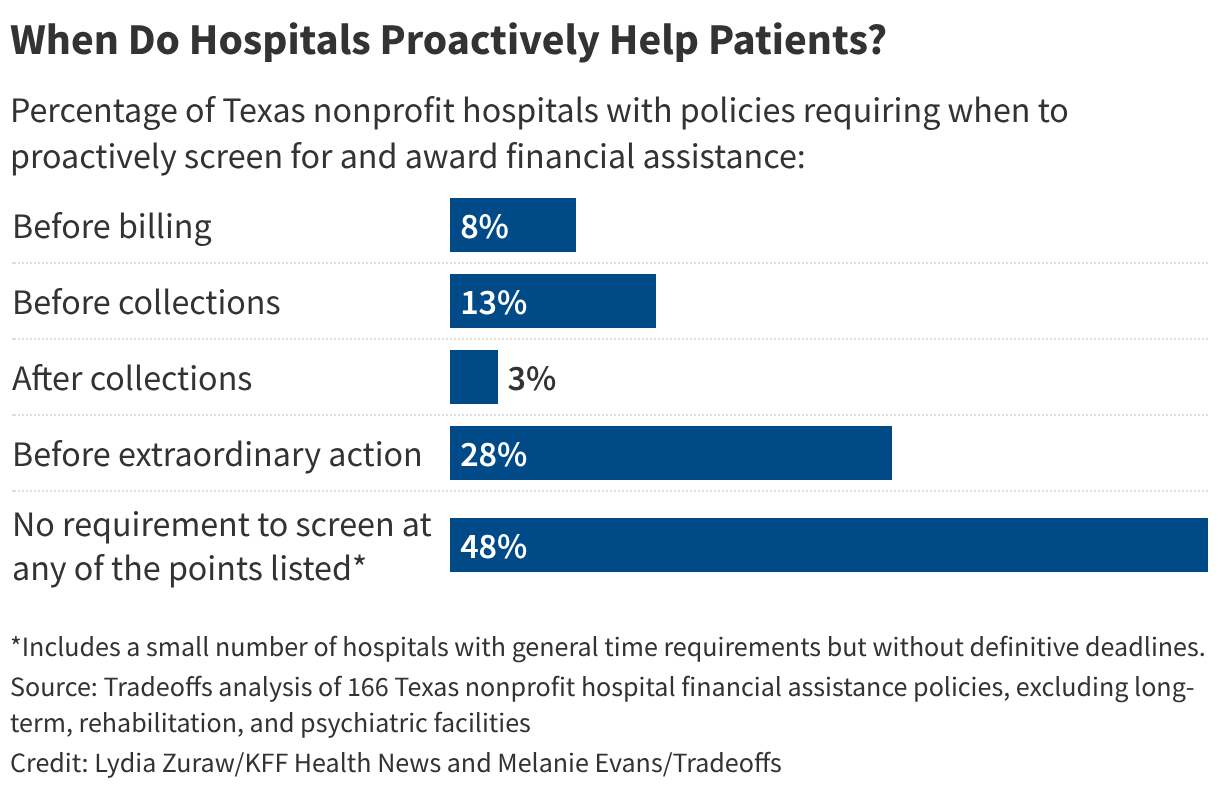
1. Nearly half of nonprofit hospitals in Texas (44%) say they will bill patients before screening them for free or discounted care.
Some hospitals screen patients after sending a single bill. Others may send multiple bills and hire collection agencies to chase after debts before they check whether a patient is eligible for help.
The most common approach is for hospitals to say they will screen patients before taking “extraordinary collection actions,” which include garnishing their wages, selling the debt to a debt collector, or denying further care until outstanding bills are paid.
Anna Stelter, vice president of policy for the Texas Hospital Association, said hospitals want to investigate other options for payment — like Medicaid or county safety net programs — before they offer financial assistance.
“We do want to make sure that whoever is financially responsible for that care is identified and pays,” Stelter said. “Charity care is the relief of last resort.”
Just one nonprofit in Texas, Memorial Hermann Health System, has a written policy that requires its hospitals to check and proactively reduce or wipe out what patients owe before sending bills.
Research shows that when patients receive financial aid makes a difference.
A 2022 study found that patients who received hospital financial aid within weeks of care were much more likely to return to the doctor and get treatment for conditions like diabetes and depression. Conversely, a landmark study published in 2024 found that wiping out people’s medical debt years later had no effect on their mental and physical health, healthcare use, or financial situation.
2. Most hospitals say they do not reimburse patients who qualify for financial aid for money they have already paid.
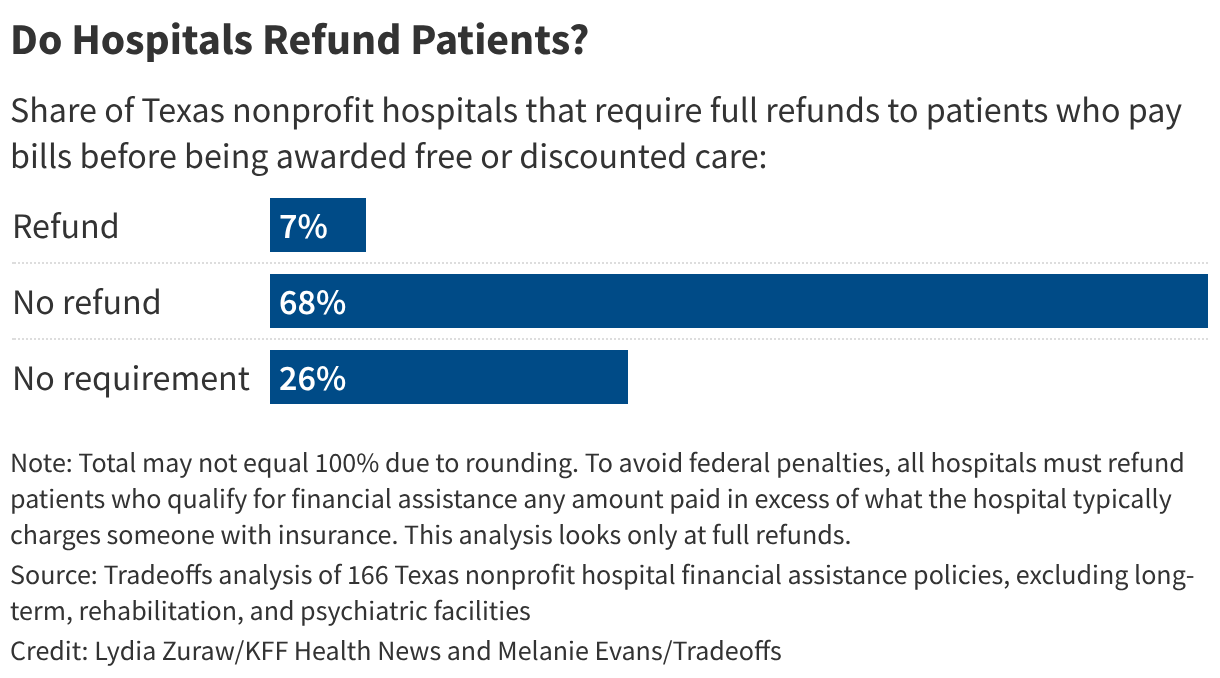
Hospitals often put patients on payment plans to chip away at bills they can’t afford. But only 10 of 166 nonprofit hospitals in Texas guarantee a full refund to patients found to be eligible for financial aid. Most others say they won’t return money that patients paid before being screened.
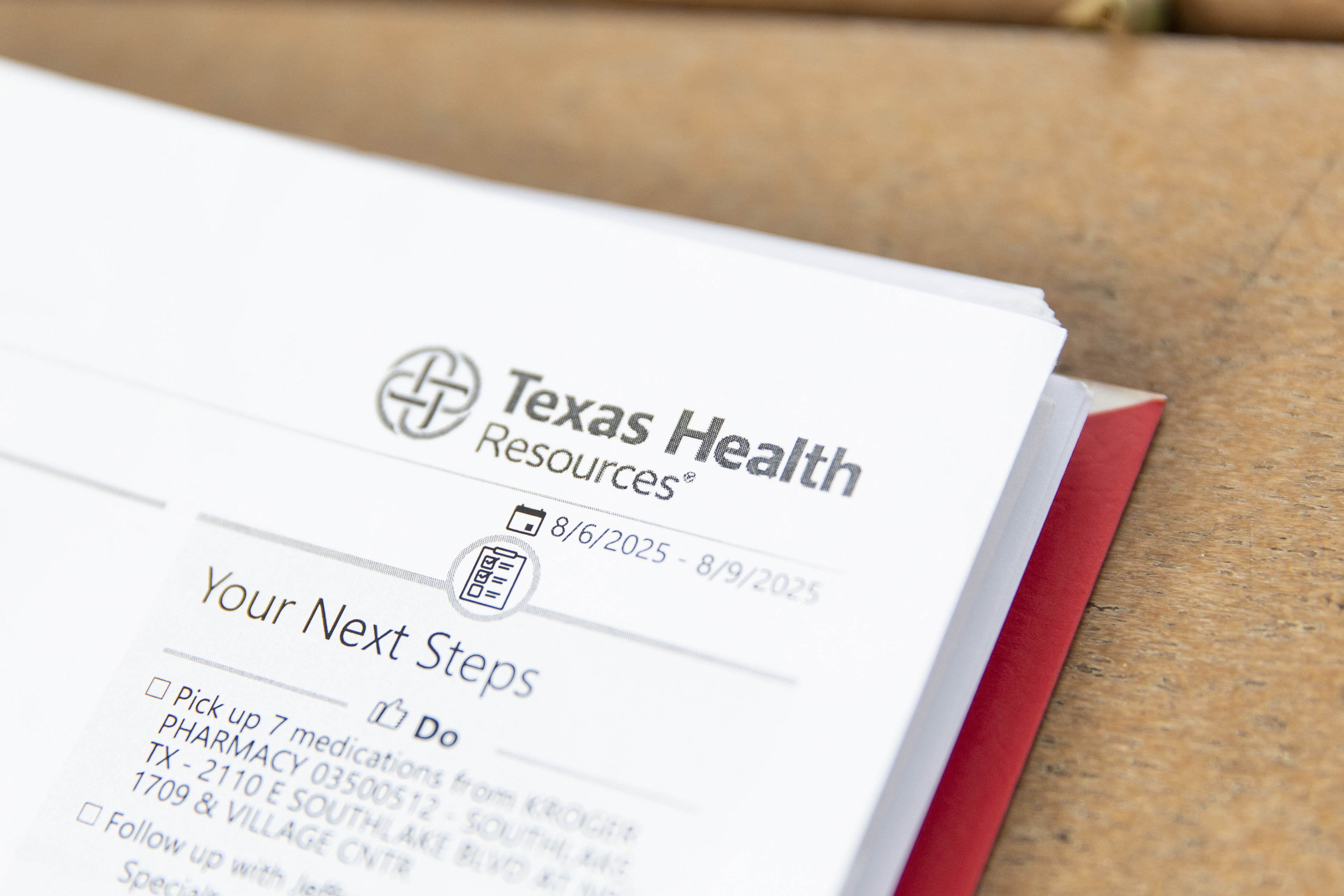
“It is very frustrating,” said Aimee Carlock, who was required to pay $5,500 to Texas Health Resources to schedule uterus surgery. She later qualified for free care, and the hospital wiped out her remaining $16,000 bill. But the $5,500 was gone. “That’s a lot of money to me,” said Carlock, a self-employed housecleaner who was recently approved for food stamps.
Texas Health’s policy offers refunds only in the amount a patient has paid in excess of what the hospital typically charges someone with insurance. All hospitals must offer refunds to patients who qualify for financial aid in these situations to avoid federal penalties.
Texas Health didn’t respond to an interview request after Carlock agreed to grant the system permission to speak about her experience.
In some cases, patients must fill out extensive applications to recoup their money. The application for Abilene-based Hendrick Health instructs patients to “completely and precisely” fill in financial and personal details, describing their savings and listing Social Security numbers for family members they live with who might help with the bills. Patients must submit two current pay stubs, a tax return, two months of bank statements, and a justification of why they need help.
“Explain circumstances in which paying this hospital bill would create a hardship,” the application says.
Hendrick Health didn’t respond to questions about its policy.
3. Many hospitals never tell patients that their debt has been forgiven.
Some of the largest nonprofit hospital systems in Texas don’t notify patients when their bill has automatically been wiped out. That includes Christus Health, Texas Health Resources, and Texas hospitals owned by CommonSpirit Health, one of the nation’s largest Catholic health systems.
Research shows patients who don’t know their debt has been forgiven may skip needed care. A 2026 study found that people with medical debt were three to four times as likely to delay future physical and mental healthcare as people without medical debt.
“If the patient doesn’t get some sort of notice,” said Erin Fuse Brown, a health policy researcher at Brown University, the possibility that they could be billed “hangs like a sword over their neck.”
Stelter, with the Texas Hospital Association, said many hospitals have limited staff in their billing departments. “Notifying patients whose bill was completely forgiven that they were presumptively eligible is probably lower on the totem pole than helping somebody who’s trying to complete an application,” she said.
If hospitals offer someone less than the maximum discount available, federal law requires the hospital to notify the patient, in case they want to appeal for a full write-off.
Texas Health and Christus Health didn’t respond to interview requests about their policies. A CommonSpirit spokesperson declined an interview.
4. Some hospitals say their financial assistance policies don’t reflect how they actually operate. These discrepancies can work to patients’ advantage — or detriment.
AdventHealth says some of its Texas patients get screened for financial assistance before getting bills, a consumer-friendly practice. The system’s policy, however, has no requirement for when hospitals must screen patients.
“We want patients to understand and have access to available financial assistance before receiving a bill whenever possible,” said Tim Reiner, senior vice president for revenue cycle for the system, which owns and operates four hospitals in Texas.
Houston Methodist also screens patients for help before sending bills, if they are uninsured, a spokesperson said. There is no requirement for its eight hospitals to do so under the system’s policy.
According to its policy, Covenant Health, a five-hospital system based in Lubbock, must screen patients before sending bills to collection agencies and lists detailed criteria for who is eligible to have bills proactively wiped out.
But in 2019, the system decided not to use presumptive eligibility “due to the regulatory requirements and administrative complexities,” said spokesperson Ainsley Nelson. “Our focus continues to be ensuring compassionate access to care and helping patients navigate the financial assistance options available to them.”
Covenant is owned by Providence, a multistate Catholic health system based in Renton, Washington, which agreed to refund or erase more than $150 million in patient bills after investigations charged that the system failed to inform patients of charity care.
Providence said the system fixed the problem identified by investigators, refunded patients, and now coaches its employees to communicate “with compassion and respect.”
5. Who qualifies for presumptive eligibility varies significantly from one hospital to another.
Hospitals in Texas get to decide who is eligible to be automatically screened for and enrolled in financial assistance.
Presumptive eligibility policies often apply to people who are homeless, deceased, or already enrolled in state or federal programs to help low-income households with medical care, housing, food, or prescriptions. Some hospitals have additional criteria, including writing off bills for anyone in a religious order who took a vow of poverty.
Some hospitals share little to no public information about who they will proactively screen. Thirteen hospitals owned by Ascension, one of the nation’s largest Catholic health systems, say only that it may screen patients “with a sufficient unpaid balance.”
Ascension didn’t respond to questions about its eligibility criteria.
This variation means that a patient’s ability to access free care depends greatly on where they go.
6. Some hospitals provide less generous charity care to patients who receive it automatically instead of submitting an application.
At CommonSpirit’s hospitals across southeastern Texas, patients who are auto-enrolled get help with debt from the prior 12 months. Patients who submit an application get the same help with prior bills, plus free or discounted treatment for the next six months.
North Texas Medical Center limits financial assistance for auto-enrolled patients to individual visits. Applicants may be eligible going back 12 months before approval.
North Texas Medical Center didn’t respond to additional questions about its policy.
7. Policies that are supposed to be easily accessible to patients are often difficult to find.
Hospital financial assistance policies are intended to be transparent to patients and the public. For more than a decade, federal law has required nonprofit hospitals to widely publish their policies.
In practice, finding these policies and deciphering them is often hard.
To find the policies of all nonprofit hospitals in Texas, Tradeoffs started with a list of hospital financial assistance policy websites maintained by the nonprofit Dollar For. To verify websites were up to date and fill in missing policies, Tradeoffs scoured hospital websites, often clicking through multiple links to locate policies.
In cases in which hospitals did not publish full policies online, Tradeoffs requested copies from hospitals and filed a public records request with the state of Texas, which requires hospitals to submit charity policies annually.
“You would have to know what you’re looking for before you went looking for it, or you’re never going to find it,” said Ray Kluender, an associate professor at Harvard University, who has had to hunt for hospital policies as part of his research on medical debt.
This article is part of Hidden Help, an investigative series from Tradeoffs and KFF Health News about how hospitals can protect their patients from the life-altering harms of medical debt.
Tradeoffs is a nonprofit newsroom reporting on healthcare’s toughest choices. Sign up for the weekly newsletter to get the latest stories every Thursday morning.
Tradeoffs’ reporting for this series was supported, in part, by the California Health Care Foundation, the National Institute for Health Care Management Foundation, and the Solutions Journalism Network.
Aimee Carlock needed surgery in August 2025 to treat severe pain and bleeding from her uterus. But first, she needed to come up with $5,500.
Texas Health Resources, one of the state’s largest nonprofit hospital systems, told her it wouldn’t schedule the procedure unless she paid up front, Carlock said. The self-employed house cleaner didn’t have the money.
“I panicked because I live paycheck to paycheck,” she said. “I have no extra money whatsoever.”
Carlock borrowed cash from her best friend and parents. Her father offered money he inherited when Carlock’s grandfather died a few years ago.
Only after the surgery did Carlock, 35, learn she qualified for hospital financial aid. Her care should have been free, but the system doesn’t give full refunds. The $5,500 was gone.
Carlock’s poor health has kept her out of work most of this year. She took out loans for groceries and utilities and applied for food stamps. It will take years, she said, to chip away at what she owes.
“I’m just trying to pick myself back up,” Carlock said. “But it’s really hard.”
Hospitals have a tool to automatically screen people like Carlock for financial aid and grant them relief — a process known as presumptive eligibility. But if, when, and how hospitals deploy this tool is largely up to them; there are few state or federal requirements.
A Tradeoffs investigation found that in Texas nearly half of nonprofit hospitals say they will bill patients before screening them for financial aid. And most hospitals will not offer refunds to patients who pay and are eventually found to qualify for free care.
Many patients are unaware that hospitals offer financial help, often known as charity care. Others are stymied by onerous applications that require people to turn over financial information, such as bank statements, car notes, pay stubs, retirement accounts, and even divorce records.
“It’s like going through a tax audit,” said Stanford University health economist Neale Mahoney, who studies medical debt. “The current system is broken.”
An estimated 100 million adults in the U.S. have healthcare debt, according to a KFF Health News analysis. That includes amounts people owe to hospitals and doctors, as well as loved ones, credit card companies, and banks. This debt can be life-altering, forcing people to take on additional jobs, push off retirement, or cut back on essentials like groceries and medical care.
Since 2020, a wave of states, including Texas, have debated or adopted requirements for hospitals to use presumptive eligibility in financial assistance to protect patients from avoidable debt.
“This is clearly an industry that is not policing itself very well,” said Tom Oliverson, a physician and Texas lawmaker who has proposed legislation to require hospitals to screen patients before sending a bill.
Automatic screening is a good option to help some patients, said Anna Stelter, vice president of policy at the Texas Hospital Association. But often, she said, there are other payment options, such as insurance, which hospitals need to pursue first. “Charity care is the relief of last resort,” she said.
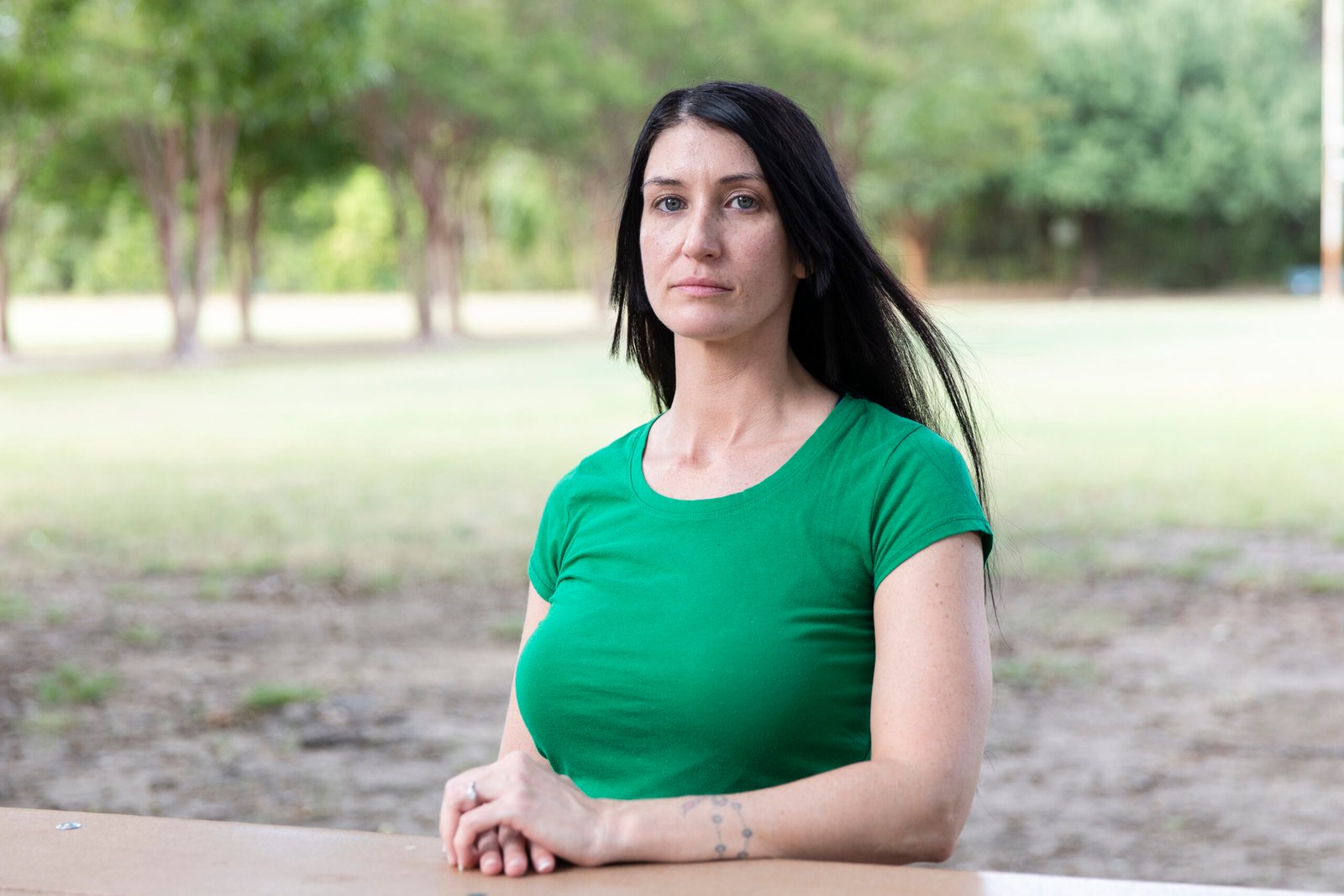
“I’m just trying to pick myself back up, but it’s really hard,” says Aimee Carlock, who had to borrow money to prepay $5,500 for uterine surgery — money the hospital system, Texas Health Resources, held on to even after wiping out the rest of her bill under its financial aid policy. (Laura Buckman for KFF Health News and Tradeoffs)
Most Texas Hospitals Can Automatically Give Help
To identify nonprofit hospitals in Texas, Tradeoffs consulted state and federal records and a list of hospital policies maintained by Dollar For, a group that helps patients apply for financial assistance. To verify policies were up to date, Tradeoffs scoured websites, often clicking through multiple links to find policies. When policies were missing, Tradeoffs reached out directly to hospitals and filed public records requests with the state, which requires hospitals to submit policies annually.
Tradeoffs’ analysis found that nearly every Texas nonprofit hospital can screen and proactively reduce bills when patients are found eligible for help.
Nationally, around 90% of nonprofit hospitals reported the same in 2022, according to an analysis of federal data for Tradeoffs by the independent research institute RTI International. That’s up from 72% six years earlier.
Covenant Health, a five-hospital system based in Lubbock, was the only system in Texas to say it does not automatically grant financial aid, though its policy allows it.
Covenant doesn’t use the option “due to the regulatory requirements and administrative complexities,” said Ainsley Nelson, the system’s spokesperson. “Our focus continues to be ensuring compassionate access to care and helping patients navigate the financial assistance options available to them.”
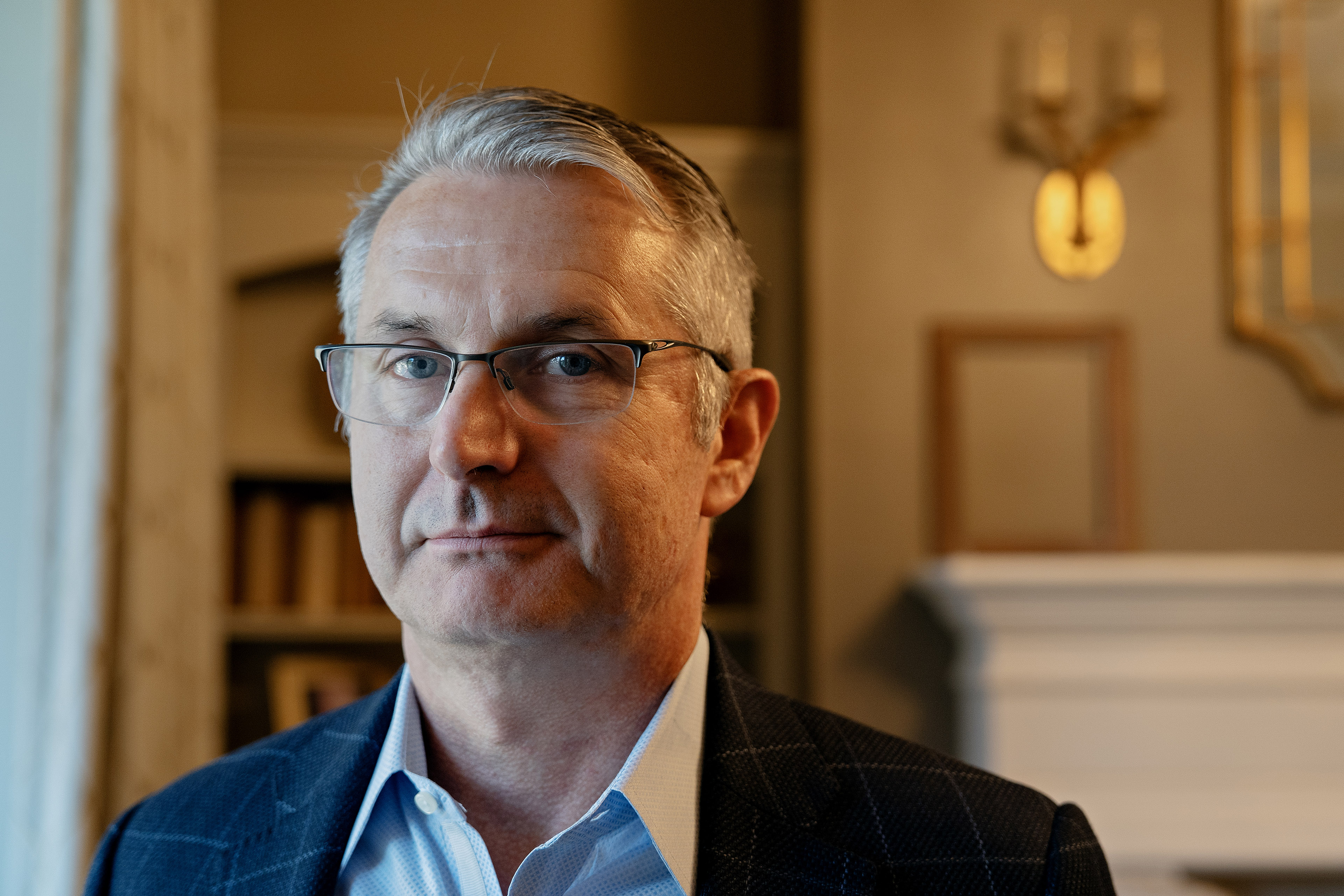
Tom Oliverson, a physician and Texas state representative, is pushing legislation that would require nonprofit hospitals in the state to screen low-income patients for financial aid and automatically discount or write off patient costs before sending bills. (Danielle Villasana for KFF Health News and Tradeoffs)
Bill First or Screen First?
About 8% of hospitals in Tradeoffs’ analysis have policies that require screening patients for charity care before sending a bill.
Far more, 41%, say they screen patients before turning unpaid bills over to debt collectors or taking more aggressive actions, such as garnishing wages, placing a lien on property, or denying further care without payment.
Southeastern Texas hospitals owned by CommonSpirit Health, for example, will automatically wipe out bills only “after all other eligibility and payment sources have been exhausted,” according to its Texas financial assistance policy.
CommonSpirit declined an interview request.
Research shows the sooner patients get financial aid, the better it is for their health.
One study found that people were more likely to be diagnosed and treated for conditions like depression and diabetes and make follow-up appointments when they received financial aid within weeks of receiving care. A separate study of people who had medical debts wiped out after months or years found no health benefit from the relief.
The signal is clear, said Ray Kluender, an associate professor at Harvard University, who worked on both studies. “The timing of when financial assistance is provided by a hospital is just extraordinarily important.”
Some hospitals told Tradeoffs that what they do isn’t always written in policy. For example, spokespeople for AdventHealth and Houston Methodist say their systems screen some patients before sending bills — though their policies include no requirement to do so.
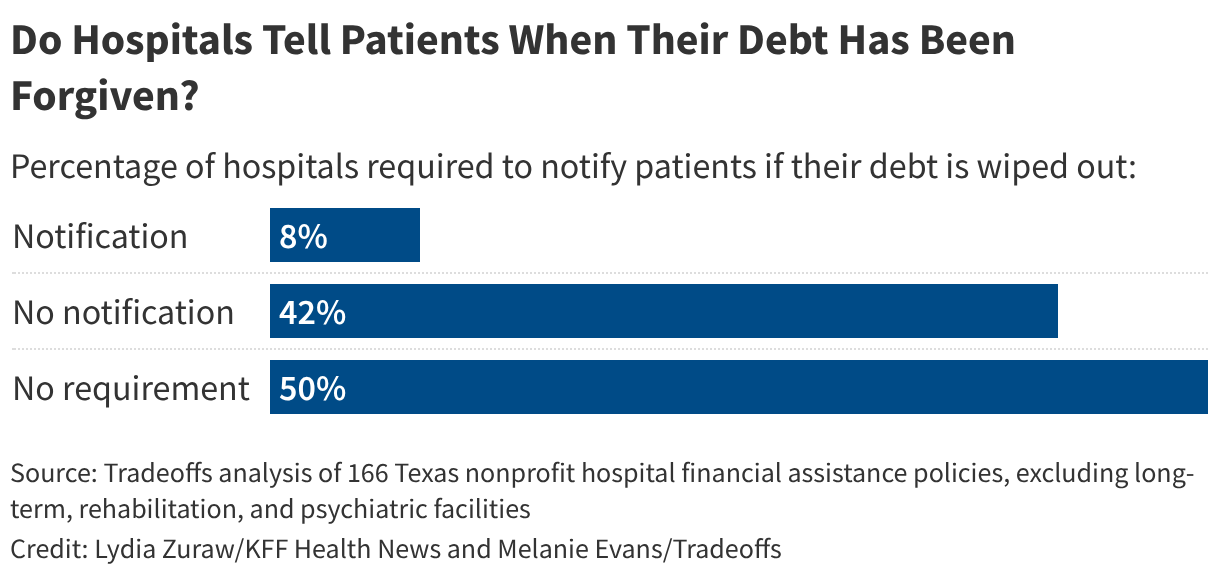
When hospitals do wipe out patient costs after sending bills, about 40% say they will not inform patients their balance has been cleared. Just 8% require notification, and the rest say nothing about it in their policies.
“Patients will not be notified to inform them of this decision,” reads CommonSpirit’s policy.
Stelter, with the Texas Hospital Association, said many hospitals have limited staff in their billing departments and would likely prioritize helping patients apply over notifying those who already got help.
“It’s cruel to not notify someone,” said Erin Fuse Brown, a Brown University professor who studies medical debt. “Not to give them the closure to say you can spend that money elsewhere. You can buy your groceries this month. You can fill your prescription because you don’t have to budget for this.”
People with medical debt are three to four times as likely to delay future physical and mental healthcare as people without medical debt, a recent study found.
Hospitals Want To Help Patients — And Get Paid
Texas has for decades required nonprofit hospitals to meet one of a few targets for how much help they give patients — one of which is spending at least 4% of their annual patient revenue on charity care.
Research has found such spending targets have had mixed results. Some hospitals helped more patients, and others scaled back charity care spending or spent less on other community benefits, including training doctors and subsidizing money-losing but essential services.
The Texas Hospital Association touts that almost every hospital in the state offers presumptive eligibility, but Stelter said screening tools can be unreliable.
Before they grant aid, hospitals want to know if a patient might be among the narrow population of adults who qualify for Medicaid in Texas or if a grant might cover their bills — a determination that can require additional time and information.
Stelter also said that providing aid before sending bills could let insurers off the hook. Patients with insurance typically must spend some money before insurers pitch in, known as a deductible. Insurers can hold down consumers’ monthly premiums by raising deductibles, which have climbed to an average of about $2,100 per person for job-based coverage and $3,700 per person for people on marketplace plans.
If they know hospitals will pick up the tab, “what incentive does an insurer have to lower a deductible?” Stelter said.
Hospitals nationwide are expected to come under increasing financial strain since Congress reduced subsidies for many people buying health insurance through the Affordable Care Act, and new federal Medicaid cuts are expected to push millions of low-income Americans off the rolls.
That policy shift leaves hospitals to pick up more of the safety net, which they can’t afford, said Jill Horwitz, a Northwestern University health policy professor.
“It would be wonderful if nonprofit hospitals could solve the problem of Americans being uninsured or underinsured by paying for the free care,” Horwitz said. “But nonprofit hospitals do not have the money to solve what is ultimately a major federal problem.”
‘You Had To Pay It’
Becca Wahl said she knew nothing about financial assistance when she landed in Memorial Hermann Katy Hospital last October with a concussion after fainting in a Walmart.
“I just thought you had a bill and you had to pay it,” said the 33-year-old uninsured yoga instructor.
So when Wahl saw the $38,000 tab for her emergency room visit, she panicked. The bill was more than she makes in a year.
“I thought, ‘I’m doomed,’” Wahl said. “I just went out to get a birthday card and fell over. And now I have $38,000 of debt.”
Becca Wahl received a $38,000 emergency room bill from Memorial Hermann Katy Hospital after getting a concussion from fainting. According to the hospital’s own policy, Wahl qualified for financial aid and should have never received a bill. (Danielle Villasana for KFF Health News and Tradeoffs)
Shortly afterward, the hospital called and revised her bill, offering its price for patients who pay cash, she said. That left Wahl with $11,000 in debt and a $1,000-a-month payment plan — better than $38,000, but still out of reach.
Desperate, Wahl went online and found Dollar For, which helps patients apply for financial aid. One week after Dollar For submitted Wahl’s application, Memorial Hermann wiped out her bill.
Memorial Hermann’s policy says its hospitals should screen patients for financial assistance before sending a bill.
Wahl agreed to waive her patient privacy rights so Memorial Hermann could talk about her case. But the hospital declined an interview request. A spokesperson told Tradeoffs that Memorial Hermann is “dedicated to ensuring that every patient has access to clear information about the expected costs of services, and available coverage options and our financial assistance program.”
Wahl is just glad that she doesn’t have to put her life on hold while she pays off that debt.
“The amount of stress that was lifted off of my shoulders by finding out that this medical debt was forgiven was huge,” she said.
Becca Wahl had no idea she qualified for hospital financial assistance when she received a $38,000 emergency room bill for treating a concussion. “I thought, ‘I’m doomed,’” recalls Wahl, an uninsured yoga instructor. “I just thought you had a bill and you had to pay it.” (Danielle Villasana for KFF Health News and Tradeoffs)
Few Hospitals Give Refunds
Some patients who pay down their bills before hospitals wipe them out never get their money back, Tradeoffs found.
Roughly 2 in 3 nonprofit hospitals in Texas have policies that say patients won’t receive full refunds.
CommonSpirit’s policy has no requirement to refund patients who get automatic financial aid. Felicity Simmons, a system spokesperson, said in an email clarifying its policy that “refunds are case specific.”
A few hospitals say they will return amounts that exceed what the hospital would typically charge someone with insurance — a federal requirement for all facilities. That is the case at Texas Health, where Carlock paid $5,500 up front for her uterine surgery, before the hospital wrote off the rest of her bill.
Carlock’s $5,500 stayed with the hospital.
Carlock agreed to give Texas Health permission to speak with Tradeoffs about her bill. Texas Health didn’t respond.
Stelter with the Texas Hospital Association said hospitals follow federal regulations for refunding patients. Those regulations require hospitals to fully refund some patients who submit an application. The rules don’t apply to those who got help through presumptive eligibility, experts on the regulation told Tradeoffs.
Hospitals in Oregon more than doubled the amount of charity care they provided, on average, during their first full year under the law, Tradeoffs found. That’s based on an analysis of available Medicare data from roughly two-thirds of hospitals. At OHSU Hospital in Portland, one of the state’s largest, the percentage of patients receiving financial aid jumped from 12% before the law to 64%.
In Texas, state representative Oliverson, a Republican, hopes his state will go even further than Oregon. He proposed legislation in 2025 that would require nonprofit hospitals to screen patients and provide aid before sending bills. Those that don’t would face penalties.
The legislation failed, but Oliverson said he plans to reintroduce it in 2027. The lawmaker said nonprofits are falling short of their obligations.
“If you’re sending bills to people that you know when you finally get around to screening them for charity they’re not going to be obligated to pay,” he said, “that should be grounds for losing your tax-exempt status.”
Oliverson said hospitals that already care for a higher share of low-income patients would be exempt from his proposed requirements. But he’s adamant that most nonprofit hospitals should be doing more to protect patients from unnecessary debt.
“If you’re advertising that you’re willing to accept uninsured patients and that you have a charity program,” Oliverson said, “you got to deliver on that.”
Melanie Evans is a reporter for Tradeoffs, a nonprofit newsroom reporting on healthcare’s toughest choices. Sign up for the weekly newsletter to get the latest stories every Thursday morning.
Tradeoffs’ reporting for this series was supported, in part, by the California Health Care Foundation, the National Institute for Health Care Management Foundation, and the Solutions Journalism Network.
Kristin Martinelli began her workday at 7:30 a.m. on a recent Monday, completing an online Medicaid recertification form for a client in a nursing home in Austin, Texas.
Next, she drove to meet an 85-year-old and her daughter, who had come in from out of town. The older woman had “pretty advanced dementia” and was scheduled to move into the secure memory care unit of a senior living facility that day, said Martinelli, who works as an aging life care manager with Mir Care Consultants in Central Texas. The three of them had a 9 a.m. meeting with the primary care doctor who would complete the paperwork for the move.
At the meeting, Martinelli explained the situation, and the doctor said he’d fill in the patient’s forms that afternoon. But later in the day, she got a call from a colleague saying that the doctor wouldn’t be able to complete the forms that day after all. That created a scramble because the woman wasn’t safe alone in her house. Martinelli ended up calling a home care agency she trusted. “I begged them to provide me with a caregiver in the next four hours,” she said.
If a combination of appointments, bureaucracy, vigilance, and worry about a vulnerable older person — often interspersed with medical emergencies — sounds familiar, it might help to know about a service its providers ruefully call the best-kept secret in eldercare.
Independent certified professionals like Martinelli used to be known as geriatric care managers. That’s what I called the people who helped my 88-year-old father make the 125-mile move from his apartment to a continuing care community near me, and later helped my disabled sister transition from her home to an assisted living facility.
I also used words like “godsend” and “indispensable.” After the moves, the care managers kept tabs on both my father and sister monthly and eased my fears that something urgent might strike the moment I left on a vacation or a work trip.
About a decade ago, these experts rebranded themselves as aging life care managers. It usually takes a couple of years to become one. Most enter the profession as nurses or social workers; some are physical or occupational therapists or gerontologists. They must attain a required combination of advanced education and supervised experience before they can take the certification exam.
The Aging Life Care Association, the nonprofit that represents these professionals, was founded in the 1980s and has grown to more than 2,000 members, but care managers still have a persistent public awareness problem.
“When we talk to someone, they say, ‘I wish I could have called you six months ago, but I didn’t know you existed,’” said Susy Elder Murphy, who owns Aging Well Eldercare, a large practice serving Washington, D.C., and its Maryland suburbs.
The caller is typically an adult child, the Aging Life Care Association has reported. Martinelli described a common scenario: “Mom is in the hospital, or the children went to visit and hadn’t realized she was so sick. They’re in a crisis.”
Enter the aging life care manager. What distinguishes her (it is usually a woman) from people with confusingly similar names — senior care advisers, patient advocates, care navigators — is her independence.
Aging life care managers work for the client and the family paying them, not for hospitals or insurance companies. Moreover, the association’s extensive code of ethics specifically prohibits “accepting or giving referral fees, fee splitting, kickbacks or other similar arrangements in exchange for client referrals.”
Contrast that with companies that promise free advice on senior living, like A Place for Mom. Care facilities pay A Place for Mom fees for steering new residents their way, as the organization discloses on its website. Advisers for companies that receive fees may be unlikely to recommend places that don’t pay, or to recommend home care, unless the company also contracts with local agencies.
“They’re really marketers, salespeople,” Julie Wagner, chief executive of the Aging Life Care Association, said about the referral companies. Some companies are more transparent than others about these financial incentives.
“If you want to buy a car and you go to the Ford dealer, they will not say, ‘I really see you in a Subaru,’” Murphy said. “You should be talking to someone who’s objective, neutral, and experienced.”
Care managers don’t come cheap. Wagner said association members’ hourly rates range from $150 to $350, with big geographic variations. In Texas, Mir’s standard rate is $185 an hour, billed in 15-minute increments. In Washington, Murphy’s practice charges $210 an hour. Sometimes families share the cost, as my sister and I did. And in some cities, social service agencies provide these specialists on a sliding scale.
Aging life care managers serve as coordinators, not hands-on caregivers, and the range of services they provide is quite broad.
They can, for example: Arrange and oversee a move to or within a senior living facility. Deal with insurers, including Medicare and Medicaid. Drive a client to the dentist. Recommend not only local residential communities and home care agencies but elder law lawyers, medical specialists, therapists, senior move managers, and hospice organizations. Visit weekly or monthly to see that everything is going smoothly. Alert family members if it isn’t.
“A part of our job is mediating between family members, acting as a sounding board,” Martinelli said.
In fact, care managers like Murphy find their clients often seem more willing to listen to them than to their adult children — even if the advice is the same. “Your mom didn’t change our diapers or teach us to talk,” she said. “It’s a different relationship.”
In a 2025 survey of clients and families commissioned by the Aging Life Care Association, “the responses were overwhelmingly positive,” said Jullie Gray, a co-author of the study who teaches at the University of Washington School of Social Work.
The nearly 200 respondents did not constitute a representative national sample, Gray said. But 93% said the benefits of hiring an aging life care manager outweighed the costs, and 99% said they would recommend such a manager to someone else. The survey’s findings were presented at the 2025 meeting of the Gerontological Society of America.
Jeffrey Bernstein, an engineer in Middleton, Massachusetts, has for years relied on Aging Well Eldercare for help with his parents, two older siblings, and an aunt, all in Maryland. Like many people who eventually learn about care managers, “I had no idea such a person existed,” he said, until his wife read about them in a magazine.
Bernstein, 65, was unable to relocate to care for his family directly. But with care managers, “when something came up, they were there, they stepped up,” he said. “More importantly, they knew what to do when I wouldn’t have. It was tremendously helpful for my peace of mind.”
The same was true with Martinelli’s 85-year-old client in Austin. She spent the night with temporary caregivers and moved into her new home in the memory care unit that Tuesday, after her doctor finally produced the necessary documentation. “She went in just before noon,” Martinelli reported. “She had lunch.”
How was the new resident adjusting? “It’s been OK,” Martinelli said, sounding relieved. “So far, so good.”
The New Old Age is produced through a partnership with The New York Times.
The pitch behind California’s billionaire tax proposal is simple: Tax the richest residents in the nation’s wealthiest state to offset steep federal cuts to healthcare, food assistance, and education.
But if approved by voters in November, it’s unclear how much money the ballot initiative would raise, how quickly the funding would become available, and how lawmakers would spend it.
The measure would steer proceeds from a first-in-the-nation wealth tax to a state healthcare fund, giving the governor and lawmakers the power to decide how to spend what California’s nonpartisan legislative analyst estimated would be “tens of billions of dollars.” Backers say it could raise up to $100 billion over five years to keep hospitals and emergency rooms open and preserve insurance coverage for millions of Californians. Yet, community health centers, doctors, and other healthcare entities that might benefit from such a cash infusion argue that the union spearheading the measure has readied a blank check for politicians.
“I’m not sure that you can say, with full security, that this will stop clinics from being closed or healthcare workers from being laid off, or people from losing their healthcare,” said Chris Hoene, executive director of the California Budget & Policy Center, a left-leaning nonprofit.
Taxing the Ultrarich
Put on the ballot by one of California’s largest healthcare unions, Proposition 40 would impose a one-time 5% tax on roughly 200 Californians with a net worth of at least $1 billion, including most of their stock holdings, yachts, and artwork. It would apply to those who were residents of California on Jan. 1, 2026. Real estate, pensions, and retirement accounts would generally be exempt.
The revenue raised is intended to offset the roughly $30 billion a year in anticipated losses to the Golden State from congressional Republicans’ One Big Beautiful Bill Act. Over the next four years, state and federal funding cuts are projected to nearly double California’s uninsured population, which stands at about 2.4 million people, according to the University of California-Berkeley Labor Center.
Securing additional tax revenue is essential because state lawmakers have yet to come up with a way to pay for healthcare services that will be affected by the cuts, said Dave Regan, president of Service Employees International Union-United Healthcare Workers West, which represents hospital workers and got the wealth tax on the ballot. It would earmark 90% of the tax revenue for healthcare, while the remaining 10% would be split between food assistance and education at lawmakers’ discretion. Regan said such broad categories would give politicians flexibility to be more responsive to the looming cuts.
“Figuring out or predicting exactly what the fallout will be, of where reductions and cuts get made, in a complicated healthcare system, it’s just too difficult to predict,” Regan said.
Among the choices the next governor and lawmakers will face are whether to provide healthcare to people cut off by the new federal Medicaid work requirements, reverse state rollbacks limiting coverage for immigrants with legal status, or raise the low physician reimbursement rates that make some providers reluctant to accept patients enrolled in Medi-Cal, the state’s version of Medicaid.
Lawmakers could also shore up subsidies on Covered California, the state’s health insurance marketplace, whose enrollees have seen their premiums skyrocket after losing millions in federal assistance after Congress last year let enhanced subsides expire.
Most of the money must be spent on health, but healthcare experts said the measure’s ambiguous language could allow lawmakers to use the new billionaire health fund to replace existing state dollars, contrary to the text of the proposition.
“A lot of times these propositions are written in a way to get attention and get support,” said Glenn Melnick, a healthcare economist at the University of Southern California. “But in fact, they can be used for other things later.”
Instead, the healthcare industry is pushing for a long-term funding plan. René Bravo, a pediatrician in San Luis Obispo County and the president of the California Medical Association, worries that a one-time infusion of tax dollars “is going to run out.”
“We need to work on a more sustainable, durable funding mechanism for the Medi-Cal system,” he said.
At the same time, doctors are asking him what will happen when the biggest Medi-Cal eligibility cuts begin to take effect next year. Even if voters approve the ballot measure, the money wouldn’t be available for at least a few months while the state collects the tax. And billionaires could spread their payments over five years.
Californians Divided
Pasadena resident Lynne Wines, a 72-year-old retired banker, knows the state needs the money. But she worries that wealthy investors will see the measure as a precedent and flee the state. Even though the ballot measure is clear that it’s a one-time tax, Wines said it’s a slippery slope.
“Taxes have a way of being needed over and over, and politicians have a way of finding those needs,” Wines said. “So, I don’t really feel secure that this is just a one-time thing.”
She noted that Google co-founder and billionaire Sergey Brin bought a home in Nevada and moved some of his businesses to the Silver State late last year. He is backing ad campaigns opposing the measure. Brin has given more than $100 million to a nonprofit promoting two competing measures, Propositions 41 and 42, designed to blunt or block it, according to contributions filed with the secretary of state’s office. One would count some new state taxes toward California’s overall spending limit and require the state auditor to review new state tax proposals before voters weigh in. The other would prohibit new state taxes on personal property, intellectual property, retirement accounts, and other assets.
GOP gubernatorial candidate Steve Hilton, who has been endorsed by President Donald Trump, warned on CNN in June that just the threat of the tax “has sent trillions of dollars, by some estimates, of wealth leaving the state.” A March study by the conservative Hoover Institution at Stanford University projected that the billionaire tax would cost California $25 billion, citing, in part, the lost revenue from billionaires who have already left the state.
California voters appear torn over departing billionaires. Two independent September polls suggested voter support for Proposition 40 varied from a low of 45% to a high of 52%.
Pasadena resident Steve Erler, 74, works full-time as a building manager because he can’t afford to retire. He worries that federal cuts will hurt children and seniors.
Steve Erler of Pasadena, California, works full-time as a building manager because he can’t afford to retire. He worries that federal cuts will hurt children and seniors, and he supports a California ballot measure that would tax billionaires. (Jackie Fortiér/KFF Health News)
“These people who are making all this money, they can never spend it all. What are they going to do, buy another house in the Hamptons, buy another jet? They don’t need that,” Erler said while out walking his dog in August. “They need to be able to say when they go to bed at night, ‘I helped a child with healthcare. I helped a senior get fed.’ That’s what’s important,” he said.
Democrats are divided — one of many ideological fights playing out nationwide this election cycle as progressives take on more centrist candidates. U.S. Sen. Bernie Sanders (I-Vt.) and the California Democratic Party have endorsed Proposition 40, while Gov. Gavin Newsom, who is exploring a presidential bid, and Democratic gubernatorial nominee Xavier Becerra oppose it while saying that ultrawealthy or high-earning people should pay more. “It’s time for an economic reset, a true minimum tax on billionaires that, well, ensures the people at the very top pay at least the tax rate their own workers pay,” said Newsom, who supports a federal wealth tax, although legislation for a federal wealth tax in Congress has stalled.
If voters approve the ballot measure, political analysts said, it could show other states that taxing the wealthy may help close budget gaps and pay for essential services. Already several Democratic states, including Hawai‘i, Maine, Massachusetts, and Rhode Island, have approved millionaire taxes, but those have been limited to income, not overall wealth. Voters in Washington state will decide this fall whether to keep their millionaire tax.
“I do think this is just the beginning of these proposals nationwide,” said Melnick, the USC healthcare economist.
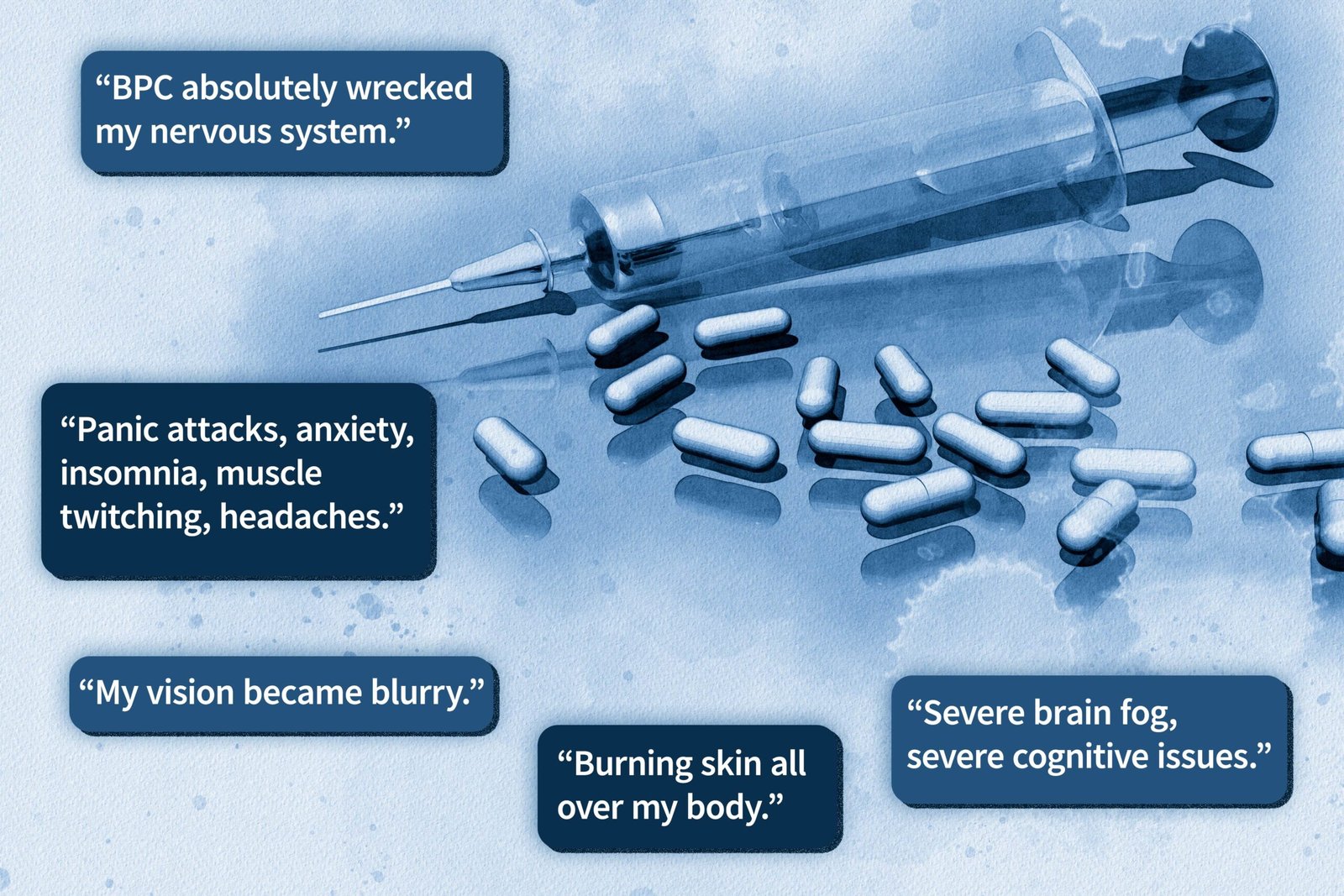
After the third day of squirting an experimental drug up his nose, Dylan Meetze felt horrible.
“It was like I was underwater, like it took the most to do anything,” he said.
Meetze stopped taking the drug but endured fatigue and anxiety for months afterward, and his eyes and muscles twitched, he said.
He had taken BPC-157, a peptide drug popularized by podcasts about wellness, longevity, and what’s called “body optimization.” “Peptide” is a general term for substances that are smaller than proteins but composed of the same building blocks. Dozens of peptide drugs, including insulin and GLP-1 weight loss medicines, have garnered approval by the Food and Drug Administration. But BPC-157 and many others have not because they haven’t undergone clinical trials.
This fact hasn’t stopped online influencers from promoting them as remedies for muscle injuries, gut issues, covid, and more. Use of BPC-157 is growing in the U.S., particularly among white males, according to a new analysis of millions of de-identified electronic health records. Since 2020, the analysis, which hasn’t yet been published in a peer-reviewed journal, found that more than 1,000 people told doctors they had used the drug.
Meetze said he decided to take BPC-157 after listening to Andrew Huberman, a Stanford neuroscientist with more than 16 million followers on YouTube, Instagram, and TikTok, who talks up peptides frequently on his podcasts. Studies in mice suggest that BPC-157 helps muscles heal and has “very high safety profiles,” Huberman has said, “at least, with respect to the lethal dosing.” His guest on one episode, Craig Koniver, a doctor who sells peptides through his wellness clinic, called BPC-157 “super safe” and recommended it for “anyone who’s working out on a regular basis.” Koniver did not respond to requests for comment.
Huberman didn’t respond to multiple queries from KFF Health News, but an automatic reply linked to a disclaimer on his Huberman Lab website that says the podcast doesn’t constitute medical advice: “Any reliance on information provided through the podcast is solely at the user’s own risk.”
Hoping BPC-157 might help him advance as a weightlifter, Meetze said he bought the drug last year from an online vendor, Researchem. A chemical supply company with that name sells experimental peptides through its website, warning that the substances are “solely for laboratory research” and are “not intended for human consumption.” (It lists an address in Hillsboro, Oregon, that corresponds to a shared office space. A receptionist at the space said Researchem wasn’t registered there, and multiple queries from KFF Health News to the email address listed on the website went unanswered.)
Companies are required to warn that experimental peptides, which haven’t been approved by the FDA, are for research use only. But many companies may soon be permitted to drop the warning because of a push by health secretary Robert F. Kennedy Jr. to lower barriers to their use. He and other leaders of the Make America Healthy Again movement have promoted peptides as a way to improve the country’s health.
On the social media platform X, before he took the helm at the Department of Health and Human Services, Kennedy vowed to end the “aggressive suppression” of “peptides, stem cells, raw milk” and “anything else that advances human health and can’t be patented by Pharma.” (In fact, peptides are heavily patented.)
He has repeated the pledge since taking office. On Joe Rogan’s podcast early this year, Kennedy said he was a “big fan” of peptides and wanted to make many of them “more accessible.” On a podcast with the co-chair of the MAHA Action committee, Gary Brecka, Kennedy said the FDA’s role should be to assess science, “but not tell people and not tell physicians what they can and cannot prescribe.”
“If you want to take an experimental drug,” he added, “you ought to be able to do that.”
Health secretary Robert F. Kennedy Jr. spoke on the Joe Rogan Experience podcast in February, saying he’s a fan of peptides and has used them “on a couple of injuries.” (Clip from YouTube video)
This summer, Kennedy’s health department appointed doctors with financial stakes in the peptide industry to a panel that advises the FDA. At an FDA meeting in July, the new appointees voted to ease restrictions on six experimental peptides, including the trendy compounds BPC-157, TB-500, and MOTS-c. Specifically, they advised adding these peptides to a list, called 503A, that would allow specialized pharmacies to make the drugs for human use, even though the FDA hasn’t approved them.
In an email, HHS spokesperson Emily Hilliard wrote that every committee member satisfies the FDA’s ethics requirements. “FDA — not podcasts or politics — determines which substances qualify for inclusion on the 503A Bulks List,” she wrote. The FDA has yet to issue a final decision.
The vote went against FDA scientists who presented research on the six peptides, concluding there wasn’t enough evidence to show they improved any condition. Furthermore, the scientists highlighted a potential for liver damage, allergic reactions, or other serious consequences.
“People are saying this is about medical freedom — putting decisions back in the hands of patients,” said Reshma Ramachandran, a regulatory science researcher at Yale School of Medicine. “But what we see in practice is that incentives aren’t actually centered around patients. They’re centered around selling products.”
Scientists also warned that drugmakers would be reluctant to invest millions of dollars into clinical trials on peptides if they could be sold without FDA approval.
“The chances of clinical trials getting done now are diminished,” said Eric Topol, executive vice president of Scripps Research, a biomedical science institute in San Diego. “We will have more people who are prey to predators that will sell, sell, sell.”
A lack of data leaves consumers in the dark.
Meetze sought help on Reddit, where people post about pain, headaches, vision problems, and a lack of motivation after taking experimental peptides. Peptide enthusiasts often comment on these posts with skepticism, attributing a person’s problems to contaminated products, preexisting conditions, or misuse of the drugs. The online vitriol in the Reddit conversations can be intense, so Meetze welcomed an invitation to join a private group on the social platform Discord in which people with BPC-157 side effects tried to figure out what happened to them and how to fix it.
“There are millions of success stories with these peptides,” Meetze said, “but no one wants to believe that this wrecks some of our lives.”
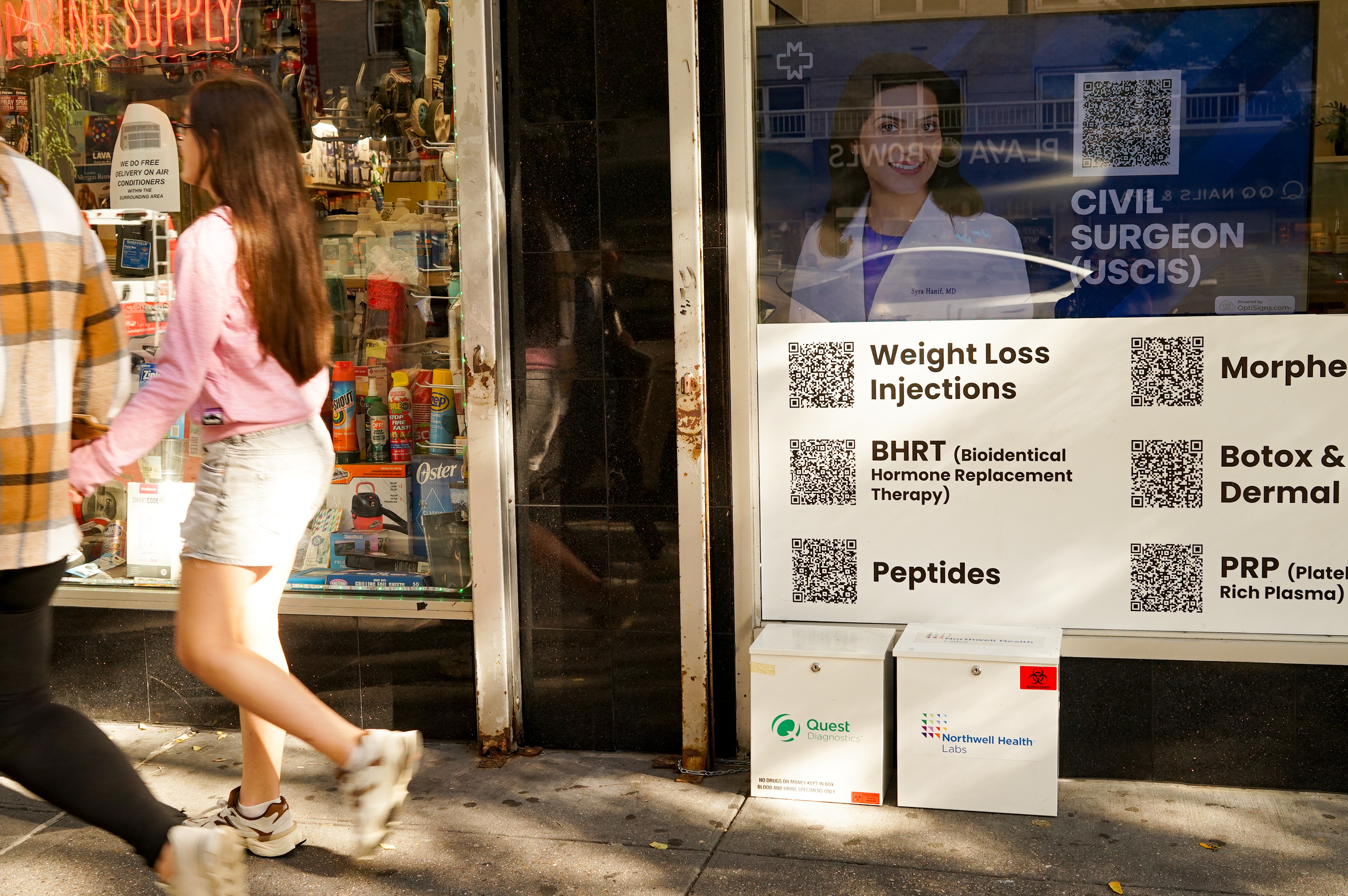
Experimental peptides are often sold at longevity, wellness, and “performance medicine” clinics — even though they haven’t been proved safe and effective in clinical trials. (Amy Maxmen/KFF Health News)
Wolverines and Migraines
One member of the private side-effects group, a 46-year-old software engineer named Dominik E., said he got an excruciating migraine within days of taking BPC-157 with TB-4, another unapproved peptide — a combination called the “Wolverine Stack” because of its purported ability to heal wounds rapidly, like its namesake Marvel superhero.
“My left eye started throbbing really badly, and the left side of my face became numb,” he told KFF Health News, which agreed to only partially identify him and others interviewed for this article who were concerned about divulging sensitive health information.
After two months of migraines, Dominik said, the pain eased, but his face felt inflamed. “It is a total nightmare,” he said.
“I’m afraid how people will judge me,” said Lois S., a woman who works at a Michigan elementary school. She hoped BPC-157 and another unapproved peptide, retatrutide, would help with weight loss, but she stopped taking the treatment when she felt pain.
“I sought out this substance from a lab that clearly labeled it not for human use, purchased a syringe, and injected this in my kitchen,” she said. “That belies all logic about what a normal person would do.”
Peptide proponents argue that shoddy manufacturing — not the peptides — causes harm. Therefore, they say, the FDA must protect the public by allowing doctors to prescribe peptides made for human use by pharmacies that specialize in compounding medicines. Typically, compounding pharmacies manufacture alternatives to FDA-approved drugs so a patient can, say, get a liquid version of a drug that the original manufacturer makes only as pills.
Adding unapproved peptides to the FDA’s list of compoundable drugs would mark a departure from the list’s purpose, said Peter Lurie, a former FDA official who now directs the advocacy group Center for Science in the Public Interest. He noted that federal and state oversight for compounding pharmacies is often lax, and they’ve been cited for contamination.
Furthermore, he added, the move would mislead consumers into thinking they’re buying drugs backed by clinical trials. People promoting peptides often point to promising laboratory research as evidence. Rats with spinal injuries regained tail mobility after BPC-157 injections, for example, and old mice given the experimental peptide MOTS-c could run longer. On average, however, fewer than 10% of substances that show promise in animal studies prove effective in clinical trials.
“A lot of this pseudoscience stuff sounds deeply impressive — inflammation this and telomere that — but at the end of the day, none of it really matters,” Lurie said. “You’ve got to show clinical benefit in humans: Does it work?”
Peptide promoters lean on anecdotes, often without verifiable numbers. In a podcast recorded at the White House, the MAHA influencer Brecka said: “Twenty million people have been prescribed these things without adverse events.” His guest on the episode, Brigham Buhler — who is the co-author of The Peptide Revolution and owner of a compounding pharmacy that sells peptides and a clinic, Ways2Well, that prescribes them — told Brecka that none of its 75,000-plus patients had reported adverse events from peptides.
Buhler cited even higher numbers in the movie MAHA Uncensored, a documentary featuring Kennedy and other leaders of the MAHA movement and that bears the MAHA trademark. In the segment on peptides, Buhler said: “Having treated literally hundreds of thousands of people through our compounding pharmacy, we’ve never had a major adverse event.”
Topol asks why those boasting success haven’t conducted clinical studies. “If influencers and companies really believe these peptides are helping people,” Topol said, “then they should put their profits back into rigorous research.”
Chris Woodward, a spokesperson for Brecka and his company, the Ultimate Human, said in an email that the health and wellness issues discussed on Brecka’s podcast do not constitute medical advice. “Mr. Brecka consistently advises his audience to consult a licensed physician,” Woodward wrote. Buhler did not respond to requests for comment.
On an episode of his Ultimate Human podcast recorded in the White House, Gary Brecka, a co-chair of the MAHA Action committee, promoted peptides that haven’t been approved for safety and effectiveness by the FDA.
Not all anecdotes are rosy. At an antiaging conference last summer in Las Vegas, two women were rushed to the hospital and intubated after being injected with experimental peptides and vitamins, according to citations that Nevada’s state pharmacy board issued against the doctor running the booth and his colleagues for prescribing and administering drugs without a state medical license.
An FDA database for adverse events contains concerning reports. Although the database can’t prove that a drug, vaccine, or medical device caused harm — the reports are brief, unverified, and voluntary — it signals issues worth exploring. A 36-year-old woman was hospitalized in December after taking the experimental peptide BPC-157 for weight control and a skin disorder, for example, and a 48-year-old man was hospitalized with a “life-threatening” condition after taking the peptide.
FDA scientists presented some of these reports at the July meeting and flagged worrisome outcomes in animal experiments, such as a 2020 study revealing signs of liver toxicity in rats and dogs injected with BPC-157.
Brian Lee, a liver disease specialist at the University of Southern California, was among the panel’s minority who voted against easing restrictions. Without clinical studies, he said, afflictions that take time to develop, like liver damage and cancer, might not be spotted for years: “I think this endorsement can be potentially harmful, and I cannot in good conscience vote ‘yes.’”
The panel’s newcomers disagreed. “I do not believe the FDA made a good case on issues with safety with BPC,” said Kris Wusterhausen, founder of an antiaging company in Texas, the Resurge Clinic, which sells a BPC-157 product for $149.
“Once you’ve seen the effects of BPC,” he said, “you can’t unsee it.”
At an FDA meeting in July, Brian Lee, a liver disease specialist at the University of Southern California, voted against easing restrictions on the experimental peptide BPC-157, citing safety concerns.
Awaiting Trial
Deepak Srivastava, president of the Gladstone Institutes in San Francisco, designed a clinical trial two decades ago to see if a peptide he studies, TB-4, could repair tissue after a heart attack. Before enrollment, people volunteering for the study would be screened for early signs of cancer because TB-4 triggers vessel growth and cell migration, which might exacerbate malignant growths. He worries about the FDA panel’s vote to ease restrictions on a derivative of TB-4, before such trials have been completed, saying, “You need to have a healthy respect for the fact that drugs can be harmful.”
Pinchas Cohen, a peptide researcher at the University of Southern California, was less cautious, saying the FDA buzz might drive investors to fund trials. He’s seeking support to bring a peptide his lab identified, MOTS-c, to market. It’s “un-ideal” for people to take unproven drugs, Cohen said, but that’s what’s happening: “The world is changing and people like me need to accept that this is the new reality and find ways to make it as safe as possible.”
In the meantime, people like Meetze resort to podcasts and online forums for advice. His symptoms faded after a year, but he still had spells of feeling “zero emotions.”
Peptide users describe this condition as anhedonia. It’s come up on Huberman’s podcasts.
Huberman occasionally mentions other potential peptide risks, like cancer, sprinkling them into advice on how to take them. Take a 2024 episode with 1.2 million views: “I do not think that BPC-157 is not without its quote-unquote ‘side effects,’” Huberman says. “If you’re going to go down this path of taking BPC-157, I would encourage you to take the minimal effective dose, to not simply do it every day, and certainly to not do it continuously, and of course to monitor your other health metrics for anything that could potentially resemble cancer or tumor growth, because obviously stimulating angiogenesis for wound repair sounds like a great thing, recovering and being able to do your workouts or play your sport, or move about more comfortably, of course, a wonderfully attractive thing to do.”
“Isn’t that what we all want? But obviously not with the trade-off of growing a tumor,” he said, before interrupting the discussion to advertise a supplement company sponsoring the show.
When Carol Daniel, a veteran broadcast journalist who lives near St. Louis, was diagnosed with thyroid cancer in 2022, her husband encouraged her to seek a second opinion. She was worried that consulting another doctor might seem like a betrayal.
Daniel said she wondered: “Am I cheating on him? Am I going behind his back? Am I acting like I don’t trust him by seeking a second opinion?”
Many patients find themselves in this position, but family medicine physician Jen Caudle said patients shouldn’t feel awkward about asking for a second opinion. In fact, in her practice in New Jersey, she encourages people to have open conversations with their care team.
“We shouldn’t be offended,” Caudle said. “We should support you.”
Patients can also think of their primary care provider as the quarterback of their care team, Caudle said, and ask that doctor for help navigating opinions or diagnoses from specialists.
Cara Anthony and Blake Farmer, hosts of the HealthQ series, spoke with Caudle about the sometimes-awkward art of asking for a second opinion.
The QTip:
Your primary care provider can help you navigate first and second opinions from specialists.
Katherine Ruppelt andEmily Siner at Nashville Public Radio contributed to this report.
HealthQ is a health series from reporters Cara Anthony and Blake Farmer, approachable guides to an unapproachable healthcare system. It’s a collaboration between Nashville Public Radio and KFF Health News.
A cadre of elite techies, financiers, and high-level Trump administration officials have spent a year quietly charting an extraordinary and rapid campaign to persuade Americans to use apps and other artificial intelligence-powered tools to manage their healthcare and medical records.
As that campaign has unfolded, administration officials have granted tech companies an unusual opportunity to nudge the nation’s health department toward a loosely regulated future for AI health apps in which the government reimburses them for services as it does medical professionals.
In February, federal health officials invited those businesses — including tech giants Microsoft, Anthropic, OpenAI, Apple, and Google — to a listening session on conversational AI products for patients, such as chatbots. Representatives from at least 35 industry organizations attended the meeting held by the Food and Drug Administration, which is responsible for regulating health apps as medical devices. Companies were prompted in advance to explain their AI products and how they access patients’ sensitive medical information.
But the meeting did not appear on the FDA’s public calendar or regulatory notices, nor was the public invited. Rather, the invitation for a select group to help shape federal policy governing AI in healthcare was extended in a chat room on the messaging service Slack.
“This is a great opportunity to support HHS’ goals and share your state-of-the-art understanding of safe Conversational AI development and monitoring to help FDA shape future guidance,” CMS senior policy adviser Morgan Taylor wrote in the Slack workspace.
The Centers for Medicare & Medicaid Services has not formally announced the chat room through federal regulatory channels, though CMS officials have talked about it at industry conferences. Legal experts said the chat room resembles a federal advisory panel, which would be required to operate in public view.
KFF Health News reviewed thousands of Slack messages, meeting transcripts, and video recordings that reveal how the Trump administration has granted the industry a direct line to top government officials — including former head of the Department of Government Efficiency Amy Gleason.
The conversation took place behind the scenes as federal health officials publicly worked to integrate AI and other technology into nearly every aspect of healthcare, a plan they’ve branded the “Health Technology Ecosystem.”
“We wanted to give industry a chance to play in the sandbox of government-supported healthcare,” CMS Administrator Mehmet Oz said in September at the public launch of an initiative that allows health apps to bill Medicare for AI services such as wearable device tracking. Last week, Health and Human Services Secretary Robert F. Kennedy Jr. delivered an enthusiastic endorsement of AI in healthcare, claiming it is “much better informed than any doctor in the country.”
Meanwhile, HHS staff even promised that a recently launched Medicare App Library would serve as a lucrative pipeline for those businesses to get new users. The library’s webpage currently promotes only two dozen commercial apps to millions of American seniors and those with disabilities.
As Trump officials sell it, Americans will get easier access to their medical records so apps can swiftly provide health or wellness advice. In practice, however, so will the tech companies.
Doctors, meanwhile, are increasingly worried about how patients use and share their medical records with the nascent technology.
“Some of these tools just aren’t ready for primetime,” said John Whyte, CEO of the American Medical Association. “We don’t have enough data about them. We don’t understand how they work, how they’re using the information. There’s no liability if these tools get things wrong.”
CMS officials declined to answer several questions about the Slack workspace, including about its legality.
“CMS is focused on giving Medicare beneficiaries greater access to their health information and useful digital tools while promoting an open, interoperable healthcare system,” Gleason, now chief product officer for the newly created Office of Health Technology and Products at CMS, wrote in an emailed statement. “The Health Technology Ecosystem is an open, voluntary technical collaboration. CMS will continue working with patients, providers, payers, technology organizations, and other stakeholders to make health information more accessible and useful to the Americans it serves.”
The FDA did not respond to a request for comment.
The Conversation Begins
The behind-the-scenes effort to funnel more Americans to AI-powered health apps began in August 2025 in the Slack workspace.
“Welcome all!” Gleason wrote. “Please be sure to read the Code of Conduct and see the Channel list as well to help you find channels that are relevant to you.”
Gleason is best known for serving as the acting administrator of Elon Musk’s Department of Government Efficiency, as it gained access to millions of Americans’ sensitive personal and financial data, including at the Social Security Administration.
As her work with DOGE wound down last year, Gleason welcomed a variety of tech leaders, investors, and entrepreneurs to the chat room.
Documents have been reproduced from the CMS Health Tech Ecosystem Slack and highlighted by KFF Health News.
The Slack workspace’s participants include representatives from major digital wellness companies like Oura Health, AI companies like Palantir, and investment outfits like 8VC, a venture capital firm associated with Kennedy’s son Finn. While the Slack’s member count has ballooned to 1,700 over the past year, only a handful of patient advocates, doctors, and hospital representatives are in it.
The code of conduct Gleason shared on Slack in August 2025 documented that CMS had quietly established a technology working group.
The document also set ground rules for the Slack workspace, noting that the group does not constitute an “advisory committee,” nor would it be used “to obtain advice or recommendations for HHS, CMS, or any HHS/CMS officials.” The code also advises that federal employees “are prohibited from endorsing any product, service, or enterprise.”
Joseph Daval, a former FDA lawyer who is now a research specialist at Harvard Medical School, reviewed messages from the Slack workspace at the request of KFF Health News. He said the chat room in some ways resembles a federal advisory committee — an independent panel that can be formally stood up by an agency head, Congress, or the president to ensure agencies act in the best interest of the public rather than industry.
The law on advisory committees “was passed in part out of a concern about interest group capture, about anticompetitive capture of agency policymaking, about corruption,” he said.
Daval said the chat group looks like a committee, with members interacting with one another and building consensus on preferred courses of action.
If it were a formal advisory committee, though, Daval said, it would be subject to certain “membership requirements having to do with independence and fair balance.”
A ‘Sales Engine’
Over a series of video calls, CMS officials promised tech leaders participating in the Slack workspace that the agency would promote their health apps.
Jacob Shiff, the chief AI and technology officer at CMS’ Innovation Center, told industry representatives in a Zoom meeting in February that he hoped the agency’s work would be a “sales engine” for the health apps.
“We’re going to have a directory of all the organizations,” Shiff said in a video recording reviewed by KFF Health News. “The people on this call who hopefully will have amazing solutions that work will be the winners, and you have every incentive to obviously drive down your costs so you can be extremely profitable and scale. So hopefully we’re selling — or enabling you guys to thrive.”
This video recording was captured and excerpted by KFF Health News before it was removed from public view.
A recording of the call had been publicly available through a Google Drive link but was made private the day after KFF Health News asked about comments made during the meeting.
CMS did not respond to queries about how the agency has decided which AI-powered health apps appear in the Medicare App Library or why federal employees have promised to promote the products.
Days before publicly launching the Medicare App Library, CMS officials promised AI tech leaders during an informal meeting that the new webpage would become an important distribution channel for health apps because Medicare enrollees would place trust in products listed on the CMS website.
“If medicare.gov is promoting it, for lack of a better word, then yeah, it would be an app that I would trust and explore,” CMS’ Taylor said during the April 7 meeting, channeling enrollees, according to a transcript of the call.
The Medicare App Library’s webpage encourages older and disabled Americans to manage health conditions such as obesity, cancer, or diabetes using two dozen AI-driven apps developed by some of the world’s largest corporations, including Microsoft and Google. Many of the apps promise in their product descriptions to give insight, perform analyses, or develop plans that will help patients lose weight or manage diabetes.
CMS officials have suggested to tech representatives during at least two meetings this year that those apps will be prioritized for a new agency program that reimburses companies for AI chatbot advice or wearable device tracking, according to video recordings.
CMS has not publicly divulged all the criteria it uses to decide which apps are listed in its library, but the webpage promotes apps still in their infancy.
Among them is Slothwise, a health app launched this year from a San Francisco apartment by a young, self-described biotech entrepreneur and triple citizen of Russia, Israel, and the U.S. The app says it “knows your whole health” by analyzing medical records and tracking health data for $9.99 a month. It has been reviewed on the Apple and Google app stores only a handful of times.
“I trusted slothwise with my health info because it was endorsed by medicare,” one reviewer wrote in a Google review in August. “Connecting info was smooth and I learned a lot about my health.”
In a statement, Slothwise CEO Sofia Sigal-Passeck did not answer questions about the size and medical expertise of her current team, nor about the availability of a doctor to consult with patients who use the app. The app, she said, is only “informational” at this time.
“I’ve spent years building at the intersection of AI and complex biological data,” Sigal-Passeck wrote in an email. “A small team is not the same thing as an inexperienced team. Slothwise is built by physicians, PhD researchers and engineers.”
‘No Regulation, No Rulemaking’
What’s often less clear — and buried deep in lengthy privacy policies — is that these apps are tapping into the intimate details of patients’ medical records to fuel their AI-driven analyses.
Tech vendors have lobbied the government to treat these apps, once they are vetted and authorized by a third-party organization, like a patient requesting records. That position gives apps sweeping access to pull sensitive health data from the national network through which providers electronically exchange medical records, called the Trusted Exchange Framework and Common Agreement, or TEFCA.
A small but influential group of those tech company executives directly made the case to federal health officials during a formal meeting in May, arguing that when health apps request medical records they should be treated as if they are standing “in the shoes” of a patient.
On Slack, tech vendors have lobbied for a “frictionless pathway” for verified users, after they’ve consented once, that allows the app to gain limitless access to patients’ medical records from the TEFCA network.
Ryan Howells, a healthcare management consultant who lobbies for a Washington, D.C.-based digital health tech organization called the CARIN Alliance, has spearheaded an effort for patients — vis-à-vis apps — to more easily access medical records. He has regularly noted in Slack that health apps accessing TEFCA must be vetted by a third-party organization — one of which he sits on the board of — and agree to a code of conduct, developed by the alliance he lobbies for.
“What more can you do to have trust in these apps?” he wrote in a March Slack message, responding to concerns about how much patient consent is needed for apps to access medical records on the network.
Kristen Valdes, the CEO of b.well, a company that also connects apps to the TEFCA network, made a similar argument.
“My opinion is that we need to stop protecting patients from themselves,” she wrote in the same message thread. “Full stop.”
Howells did not respond to an emailed list of questions from KFF Health News. In an interview, Valdes told KFF Health News that her comment reflected her frustration at the “paternalism” of the healthcare system, which she said has historically made it difficult for patients to access their records. Although, she said, “there are going to be good and bad apps.”
Other tech leaders worried in Slack about the approach.
One startup founder cautioned the group to think about the pitfalls of giving health apps broad leeway to pull medical records.
“We might all be good, honest actors here but security & privacy systems have to be designed around the presence of malicious actors – especially if we want this system to scale up to thousands of apps,” wrote Jason Kulatunga, who runs Fasten Health, a medical records management platform.
Gleason, the CMS official, has publicly championed the vision shared by Howells and Valdes. In her speeches, she frequently urges doctors to accept patient medical records directly from apps and calls on them to “Kill the Clipboard,” also the title of a 2025 white paper co-authored by Howells that urges doctors’ offices to abandon paper records.
Last month, Gleason spoke to a crowd gathered at a swanky hotel in Washington for an event hosted by the MAHA Institute, a think tank that supports Secretary Kennedy’s agenda. She laid out her work with tech companies over the past year as she discussed the Trump administration’s efforts to make medical records more digitally accessible.
As she told it, more Americans can now download an app and access their medical records.
“Once you’ve verified your identity you can just click a simple button and say, I’d like my medical records into whatever app I choose,” Gleason said.
She continued: “That was all done just — no regulation, no rulemaking — just by challenging industry to work together.”
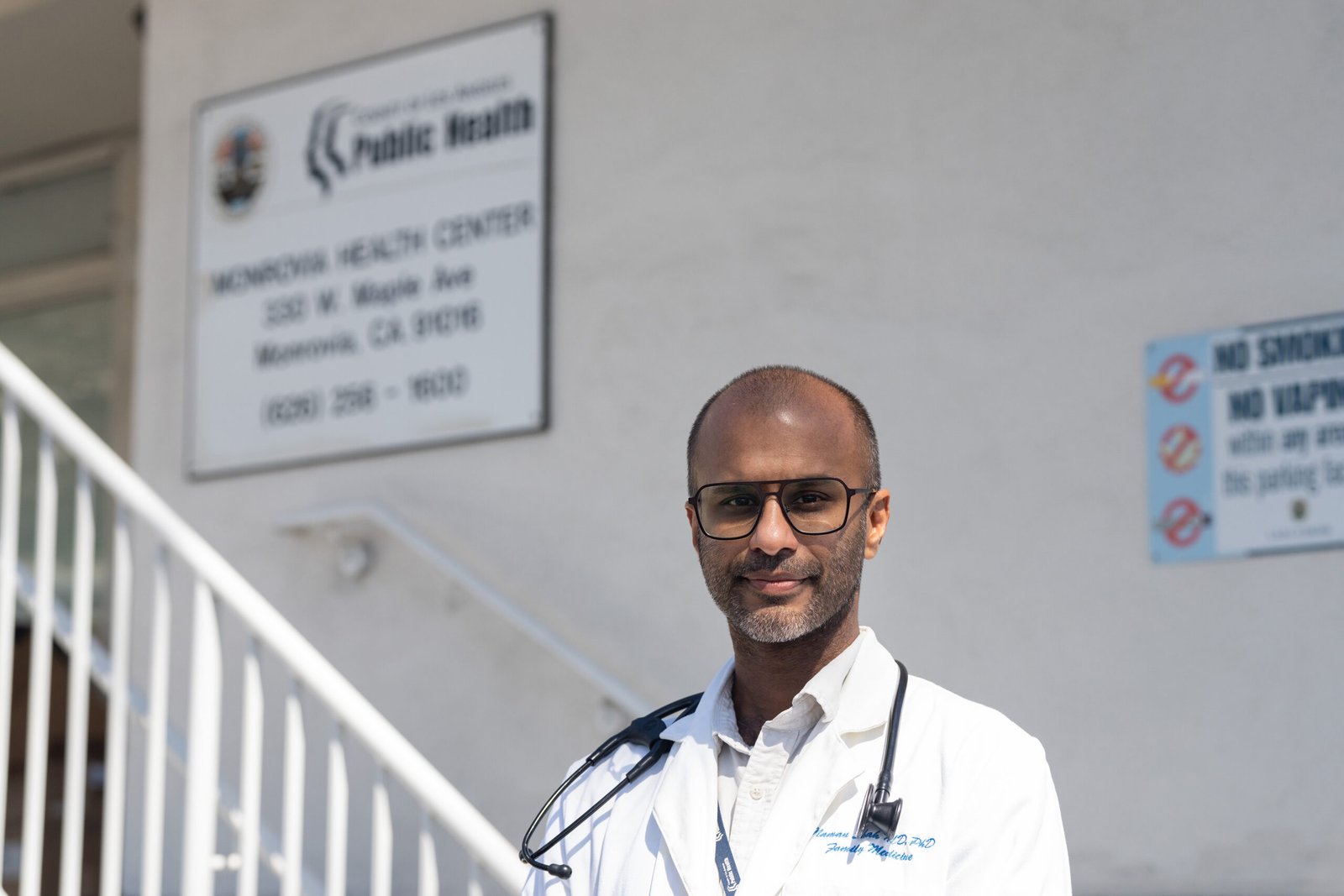
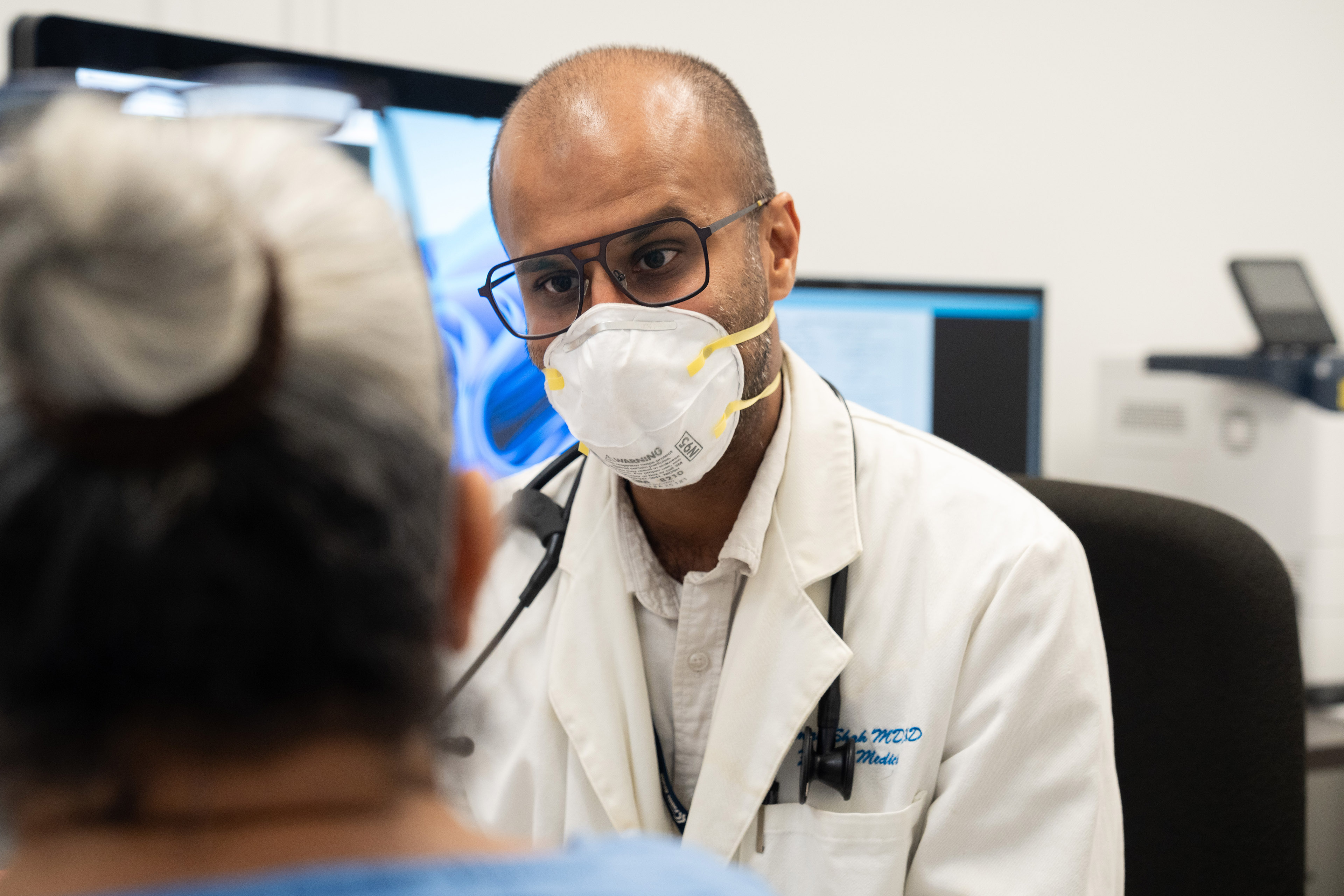
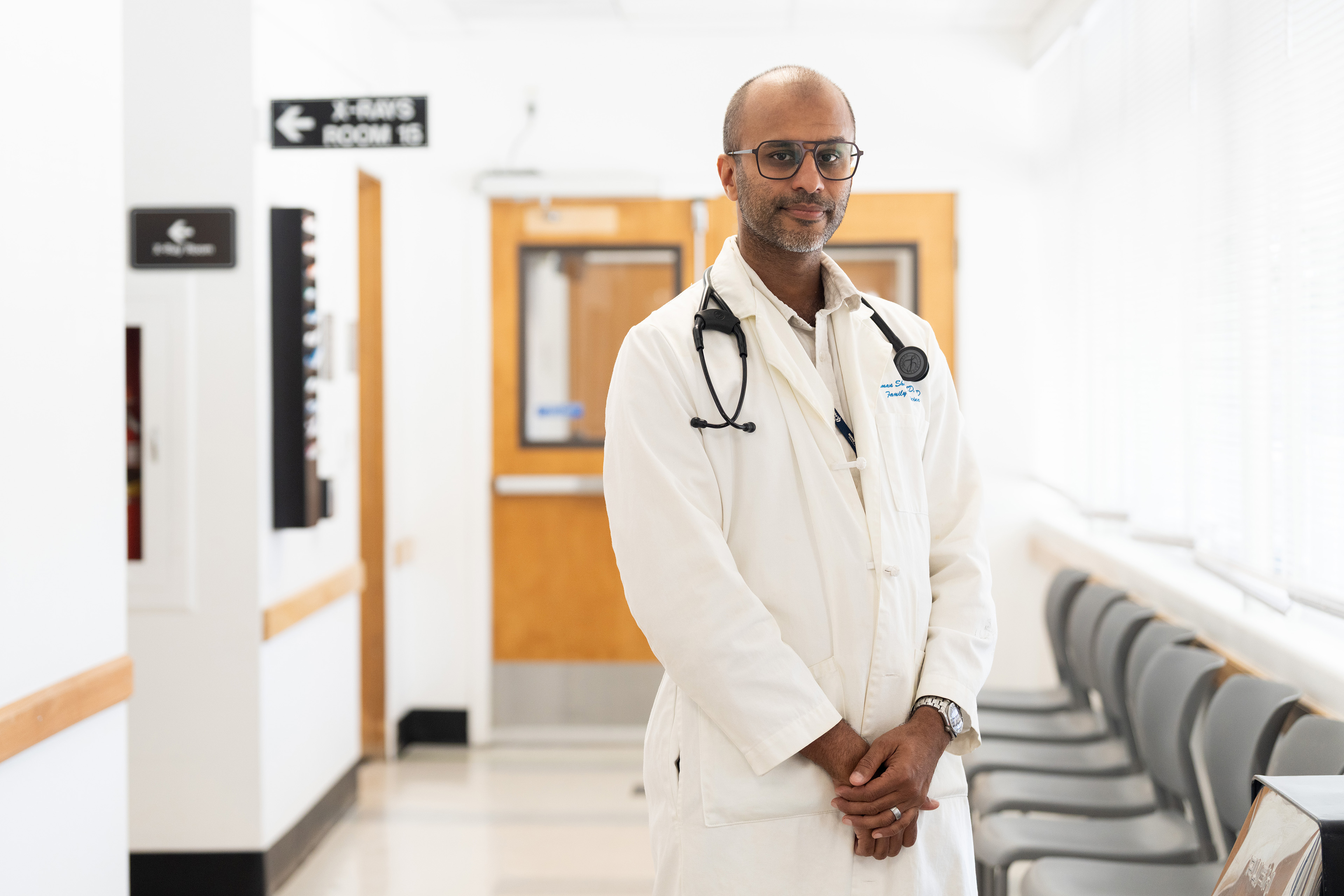
LOS ANGELES — Every Tuesday, Naman Shah sees tuberculosis patients at a small public clinic in Los Angeles’ San Fernando Valley. Shah, a physician and epidemiologist at the Los Angeles County Department of Public Health, pores over images of battered lungs, listens to labored breathing, and checks medications.
It’s part of an initiative dating to the early 20th century to control infections so tuberculosis doesn’t spread. “We like doing things upstream,” Shah said, “meaning before they happen, not after the damage is done.”
Today, Shah and his colleagues are applying the same principle to medical debt. A key part of that effort is a new system to allow every hospital in Los Angeles County to easily screen patients for financial aid. The goal: to stop low-income families from getting a bill that buries them in debt.
Shah estimates this system could prevent several hundred million dollars of medical debt every year.
Vicious Cycle
Nationwide, an estimated 100 million adults have some form of healthcare debt. In Los Angeles County, the nation’s most populous, public health officials calculate that about 800,000 residents have medical bills they can’t pay.
“The impacts of medical debt were staggering,” said Shah, who used to staff a rural health clinic in India and, since 2023, has led a county initiative in Los Angeles to tackle the debt problem.
“People end up with credit card debt and then a vicious cycle of high interest rates and poverty,” he said. “People forgo their prescriptions. People forgo appointments. And then you get into worse health.”
Hospitals typically offer financial aid to patients with low incomes. But information about assistance is often hard for patients to get. Applying can be cumbersome. And many eligible patients never seek aid, research shows.
“Most people walk into the hospital and walk out without any knowledge of financial assistance,” said Jared Walker, founder of Dollar For, a nonprofit that helps patients nationwide apply for aid, often called charity care.
That’s fueling debt. It’s also driving costly collection efforts that even hospital officials acknowledge pointlessly target low-income patients who are unlikely to be able to pay.
“They’re turning their wheels trying to collect on debt that isn’t collectable,” said Adena Tessler, regional vice president for the Hospital Association of Southern California.
Naman Shah examines a patient at Monrovia Health Center, a Los Angeles County public health clinic in Monrovia, California. Shah says reducing medical debt in the community will depend on effective prevention strategies, just as stopping the spread of infectious disease does. (Lauren Justice for KFF Health News and Tradeoffs)
Presumptive Eligibility
One potential solution is a system that automatically screens and qualifies low-income patients for financial aid without requiring an application. This is called presumptive eligibility.
Some hospitals already use such systems, which rely on software that checks patient eligibility based on publicly available information such as credit history.
The strategy can be very effective. Shah said hospitals that have deployed presumptive eligibility systems have reported as much as a 50% increase in the amount of financial aid they give patients.
Under a state law passed last year, all California hospitals will have to start doing presumptive eligibility screening by next July.
But the systems can be expensive and difficult for smaller hospitals to implement. Only about 1 in 5 hospitals in Los Angeles County currently use them, Shah said.
Public health officials wondered if they could help more hospitals set them up.
The county, which, like many local governments, faces major fiscal challenges, couldn’t pay for this, Shah said. But the public health department could bring together healthcare and hospital officials in the county to figure out another solution.
“The beauty of government is not when it always has to do the work,” Shah said. “We have the ability to make sure that people cooperate.”
The Hospital Association of Southern California, initially wary of the county initiative, came to see improving hospital financial aid programs as beneficial to hospitals, many of which were wasting money on collections. “The billing process is cumbersome and costly,” said Paul Young, a senior vice president with the association.
The association agreed to procure a presumptive eligibility system and make it available to its members. This bulk-purchasing approach, which Young compared to “a Costco model,” would lower the cost for individual hospitals, he said.
At the same time, L.A. Care, a nonprofit health plan that administers Medicaid coverage for more than 2.5 million low-income county residents, committed $2 million to set up the system.
The investment reflected the safety net insurer’s mission to make medical care accessible to more people, said Melanie Fontes Rainer, who leads strategic planning for L.A. Care. “It’s going to make Los Angeles County better,” she said.
Making It Work
Getting the new system up and running by January, as the partners hope, faces challenges.
Hospital officials are figuring out how the system will be funded in the long term. And it’s unclear how many of the county’s 88 acute care hospitals will ultimately use it, even if it’s cheaper and easier to access.
The partners are also working to improve data that the system relies on to screen patients. One goal is to link the system to tax records maintained by the state of California. This would provide hospitals with more accurate information on patients’ income than current systems, which often rely on estimated income.
Walker, the patient advocate at Dollar For, said he’s heartened by the county’s effort. “I’m optimistic that we can make a better charity care system,” he said. “And the fact that hospitals in Los Angeles County are willing to be innovative and creative about ways we can do that is super encouraging.”
For his part, Shah said county public health officials recognize that a better screening system at hospitals won’t by itself eliminate medical debt. But he said the public health department couldn’t ignore a problem that affects more county residents than asthma or tobacco use.
“Prevention is our bread and butter,” he said.
“The impacts of medical debt were staggering,” says Naman Shah, who since 2023 has led a Los Angeles County initiative to tackle the debt problem. (Lauren Justice for KFF Health News and Tradeoffs)
This article is part of “Hidden Help,” an investigative series from Tradeoffs and KFF Health News about how hospitals can protect their patients from the life-altering harms of medical debt.
When Lori Baute first learned about precautionary full-body MRI scans, she dismissed the idea.
“ I heard Kim Kardashian got one, and some other wealthy people,” Baute said. But at 59, she was worried about her long-term health. She has a family history of cancer, and she’s a critical caregiver for her aging mom and her adult brother with special needs.
After a close friend was diagnosed with bladder cancer, Baute decided to make an appointment with a clinic that offers full-body scans near where she lives in Ocala, Florida. Her results came back a week later. One major finding: She has lesions on her pancreas. “When I got that, I was really petrified,” she said.
Worried about pancreatic cancer, Baute shared the results with her gastroenterologist, who ordered a targeted MRI scan as a follow-up. That test showed the lesions were benign cysts.
Baute’s experience is becoming more common as companies pitch body scans directly to consumers as a way to detect cancer and other diseases early. But no major medical association — including the American Cancer Society and the American College of Radiology — recommends these scans for people without a very high risk of certain cancers.
And even medical screenings that doctors do recommend can carry some of the same reasons for caution.
The QTip:
Before saying yes to the test, ask about the risks and benefits — even if your doctor recommends it.
Here’s what to know:
Every Test Comes With Costs and Risks
At a minimum, a medical test will cost you time — and could mean a hefty medical bill. Many tests marketed directly to consumers, like full-body scans and at-home blood screening kits, are not covered by insurance, and some tests can cost several thousand dollars.
Some laboratory tests might involve only the discomfort of a blood draw or the awkwardness of collecting a urine or stool sample, but others carry the possibility of physical harm. For example, a small percentage of people who get CT scans each year will develop cancer because of the radiation exposure from the tests, according to estimates from the National Institutes of Health. Relatively simple procedures like a biopsy or an endoscopy come with the risks of pain, infections, tearing, a reaction to anesthesia, or further serious complications.
Plus, testing can cause anxiety and stress — as patients wait for results and if the results are inconclusive. “I see patients every week in my office who are tortured by the results of tests that they really didn’t need to ever have,” said Rita Redberg, a University of California-San Francisco professor and cardiologist and an advocate for less medical testing. For example, if you discover a cyst, then “you’re living for the next year, two years, three years getting repeated tests to figure out whether it’s benign or a cancer,” Redberg said. She cautions patients against testing unless they have specific symptoms.
Testing Often Leads to More Testing — And More Risk
A reality of getting a medical test is that the results often lead to additional, and potentially more invasive, testing. Doctors call this “diagnostic cascade.”
Baute, for example, plans to continue monitoring her pancreas with annual scans. To her, she said, the financial cost and anxiety are worth it if she can feel “like I’m in control of my health and I have knowledge.”
But Redberg points to a worst-case scenario, documented by JAMA Internal Medicine in 2011: After starting an exercise program, a 52-year-old woman experienced chest pain and went to see her doctor. Her exam suggested that her pain was muscular and she had a low risk for heart disease. Still, her doctor ordered a scan of her heart to reassure her. The results led her doctor to order another test, during which her artery was ripped. She had emergency bypass surgery, experienced complications, and ultimately, Redberg said, “she ended up with a heart transplant — all from this unnecessary scan just to reassure her.”
A Few Simple Questions Can Help You Decide
Before saying yes to the test, it’s important to know about the risks and benefits — even if your doctor recommends it, Redberg said. She suggests asking a medical provider and yourself questions like:
What am I going to learn from this test?
How is this test going to help in my care?
Could I improve my health without doing this test?
She said many test results, especially in her field of cardiology, end up pointing patients back to the basics of a healthy lifestyle, like eating well, exercising, and not smoking. And those, she said, could be advised without a test.
People and Policy
If your health insurance covers a medical test, that means the test has most likely met vetted, scientific standards that demonstrate benefits to patients. Insurers must cover evidence-based services that have a rating of A or B from the U.S. Preventive Services Task Force. Private insurers, as well as Medicaid and Medicare plans, must cover the full cost of recommended preventive screenings. Many medical tests marketed directly to consumers are not covered by insurance.
Emily Siner at Nashville Public Radio contributed to this report.
HealthQ is a health series from reporters Cara Anthony and Blake Farmer, approachable guides to an unapproachable healthcare system. It’s a collaboration between Nashville Public Radio and KFF Health News.