Ed’s stories explore prescription drug pricing, affordability and access, as well issues surrounding patents, litigation, and legislation. He is also the author of the morning Pharmalittle newsletter and the afternoon Pharmalot newsletter.
Nearly 40% of Food and Drug Administration advisory committee meetings held over a recent 20-year period included either a patient or consumer representative with active ties to an advocacy group funded by pharmaceutical companies, according to a new analysis. And for several committees, the number of such reps exceeded 50%.
In addition, more than one in 10 advisory committee meetings included a rep who was affiliated with an organization that received funding from the drugmaker whose medicine was being reviewed by the committees. Yet most of these organizational ties were not disclosed at the meetings, raising questions about voting behavior.
The analysis, which was published in Health Affairs Scholar, noted the FDA has well-established conflict-of-interest policies for its scientific advisory committee members, but policies concerning patient and consumer reps are not as well developed, especially concerning industry funding of advocacy groups whose members appear on committees.
After the third day of squirting an experimental drug up his nose, Dylan Meetze felt horrible.
“It was like I was underwater, like it took the most to do anything,” he said.
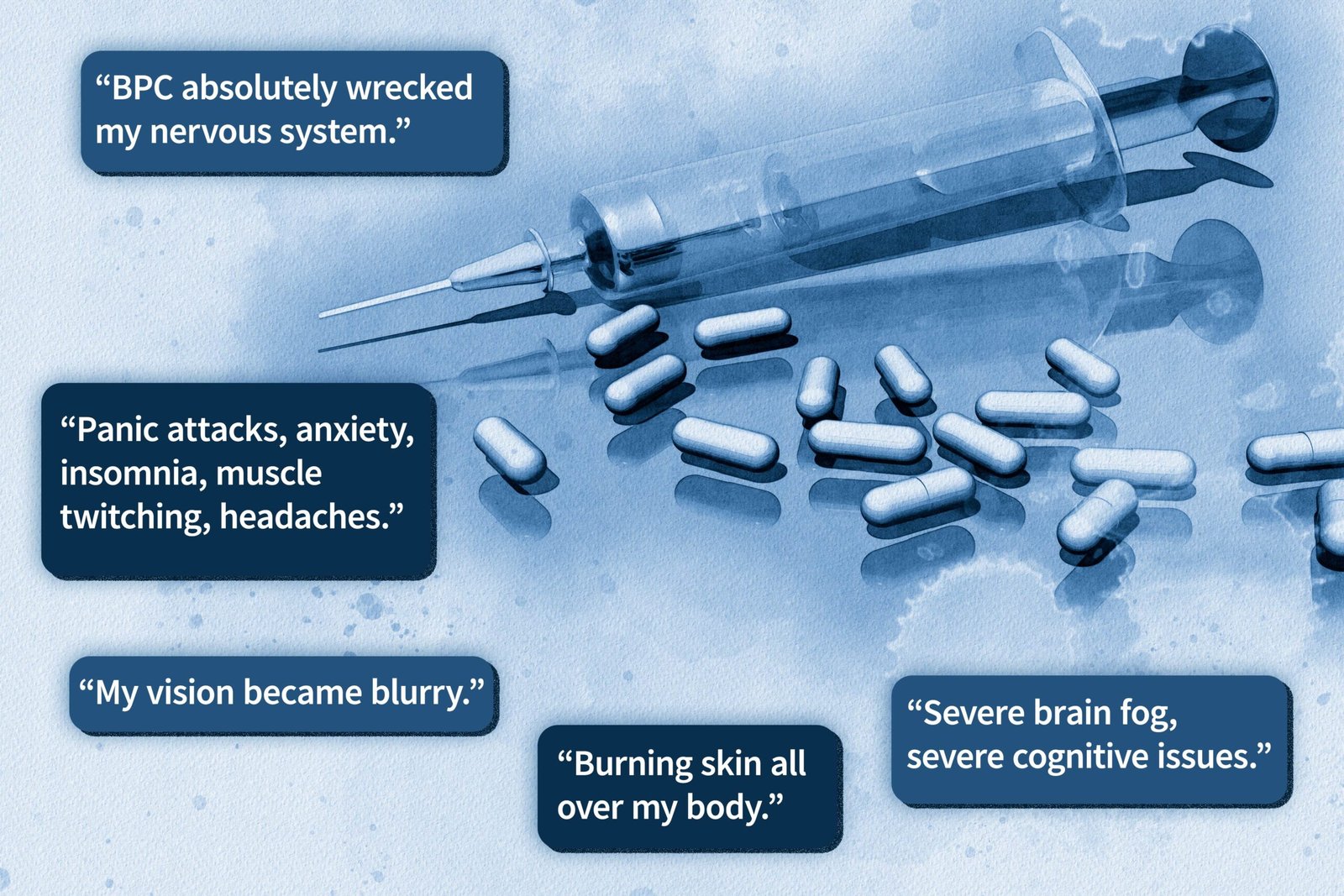
Meetze stopped taking the drug but endured fatigue and anxiety for months afterward, and his eyes and muscles twitched, he said.
He had taken BPC-157, a peptide drug popularized by podcasts about wellness, longevity, and what’s called “body optimization.” “Peptide” is a general term for substances that are smaller than proteins but composed of the same building blocks. Dozens of peptide drugs, including insulin and GLP-1 weight loss medicines, have garnered approval by the Food and Drug Administration. But BPC-157 and many others have not because they haven’t undergone clinical trials.
This fact hasn’t stopped online influencers from promoting them as remedies for muscle injuries, gut issues, covid, and more. Use of BPC-157 is growing in the U.S., particularly among white males, according to a new analysis of millions of de-identified electronic health records. Since 2020, the analysis, which hasn’t yet been published in a peer-reviewed journal, found that more than 1,000 people told doctors they had used the drug.
Meetze said he decided to take BPC-157 after listening to Andrew Huberman, a Stanford neuroscientist with more than 16 million followers on YouTube, Instagram, and TikTok, who talks up peptides frequently on his podcasts. Studies in mice suggest that BPC-157 helps muscles heal and has “very high safety profiles,” Huberman has said, “at least, with respect to the lethal dosing.” His guest on one episode, Craig Koniver, a doctor who sells peptides through his wellness clinic, called BPC-157 “super safe” and recommended it for “anyone who’s working out on a regular basis.” Koniver did not respond to requests for comment.
Huberman didn’t respond to multiple queries from KFF Health News, but an automatic reply linked to a disclaimer on his Huberman Lab website that says the podcast doesn’t constitute medical advice: “Any reliance on information provided through the podcast is solely at the user’s own risk.”
Hoping BPC-157 might help him advance as a weightlifter, Meetze said he bought the drug last year from an online vendor, Researchem. A chemical supply company with that name sells experimental peptides through its website, warning that the substances are “solely for laboratory research” and are “not intended for human consumption.” (It lists an address in Hillsboro, Oregon, that corresponds to a shared office space. A receptionist at the space said Researchem wasn’t registered there, and multiple queries from KFF Health News to the email address listed on the website went unanswered.)
Companies are required to warn that experimental peptides, which haven’t been approved by the FDA, are for research use only. But many companies may soon be permitted to drop the warning because of a push by health secretary Robert F. Kennedy Jr. to lower barriers to their use. He and other leaders of the Make America Healthy Again movement have promoted peptides as a way to improve the country’s health.
On the social media platform X, before he took the helm at the Department of Health and Human Services, Kennedy vowed to end the “aggressive suppression” of “peptides, stem cells, raw milk” and “anything else that advances human health and can’t be patented by Pharma.” (In fact, peptides are heavily patented.)
He has repeated the pledge since taking office. On Joe Rogan’s podcast early this year, Kennedy said he was a “big fan” of peptides and wanted to make many of them “more accessible.” On a podcast with the co-chair of the MAHA Action committee, Gary Brecka, Kennedy said the FDA’s role should be to assess science, “but not tell people and not tell physicians what they can and cannot prescribe.”
“If you want to take an experimental drug,” he added, “you ought to be able to do that.”
Health secretary Robert F. Kennedy Jr. spoke on the Joe Rogan Experience podcast in February, saying he’s a fan of peptides and has used them “on a couple of injuries.” (Clip from YouTube video)
This summer, Kennedy’s health department appointed doctors with financial stakes in the peptide industry to a panel that advises the FDA. At an FDA meeting in July, the new appointees voted to ease restrictions on six experimental peptides, including the trendy compounds BPC-157, TB-500, and MOTS-c. Specifically, they advised adding these peptides to a list, called 503A, that would allow specialized pharmacies to make the drugs for human use, even though the FDA hasn’t approved them.
In an email, HHS spokesperson Emily Hilliard wrote that every committee member satisfies the FDA’s ethics requirements. “FDA — not podcasts or politics — determines which substances qualify for inclusion on the 503A Bulks List,” she wrote. The FDA has yet to issue a final decision.
The vote went against FDA scientists who presented research on the six peptides, concluding there wasn’t enough evidence to show they improved any condition. Furthermore, the scientists highlighted a potential for liver damage, allergic reactions, or other serious consequences.
“People are saying this is about medical freedom — putting decisions back in the hands of patients,” said Reshma Ramachandran, a regulatory science researcher at Yale School of Medicine. “But what we see in practice is that incentives aren’t actually centered around patients. They’re centered around selling products.”
Scientists also warned that drugmakers would be reluctant to invest millions of dollars into clinical trials on peptides if they could be sold without FDA approval.
“The chances of clinical trials getting done now are diminished,” said Eric Topol, executive vice president of Scripps Research, a biomedical science institute in San Diego. “We will have more people who are prey to predators that will sell, sell, sell.”
A lack of data leaves consumers in the dark.
Meetze sought help on Reddit, where people post about pain, headaches, vision problems, and a lack of motivation after taking experimental peptides. Peptide enthusiasts often comment on these posts with skepticism, attributing a person’s problems to contaminated products, preexisting conditions, or misuse of the drugs. The online vitriol in the Reddit conversations can be intense, so Meetze welcomed an invitation to join a private group on the social platform Discord in which people with BPC-157 side effects tried to figure out what happened to them and how to fix it.
“There are millions of success stories with these peptides,” Meetze said, “but no one wants to believe that this wrecks some of our lives.”
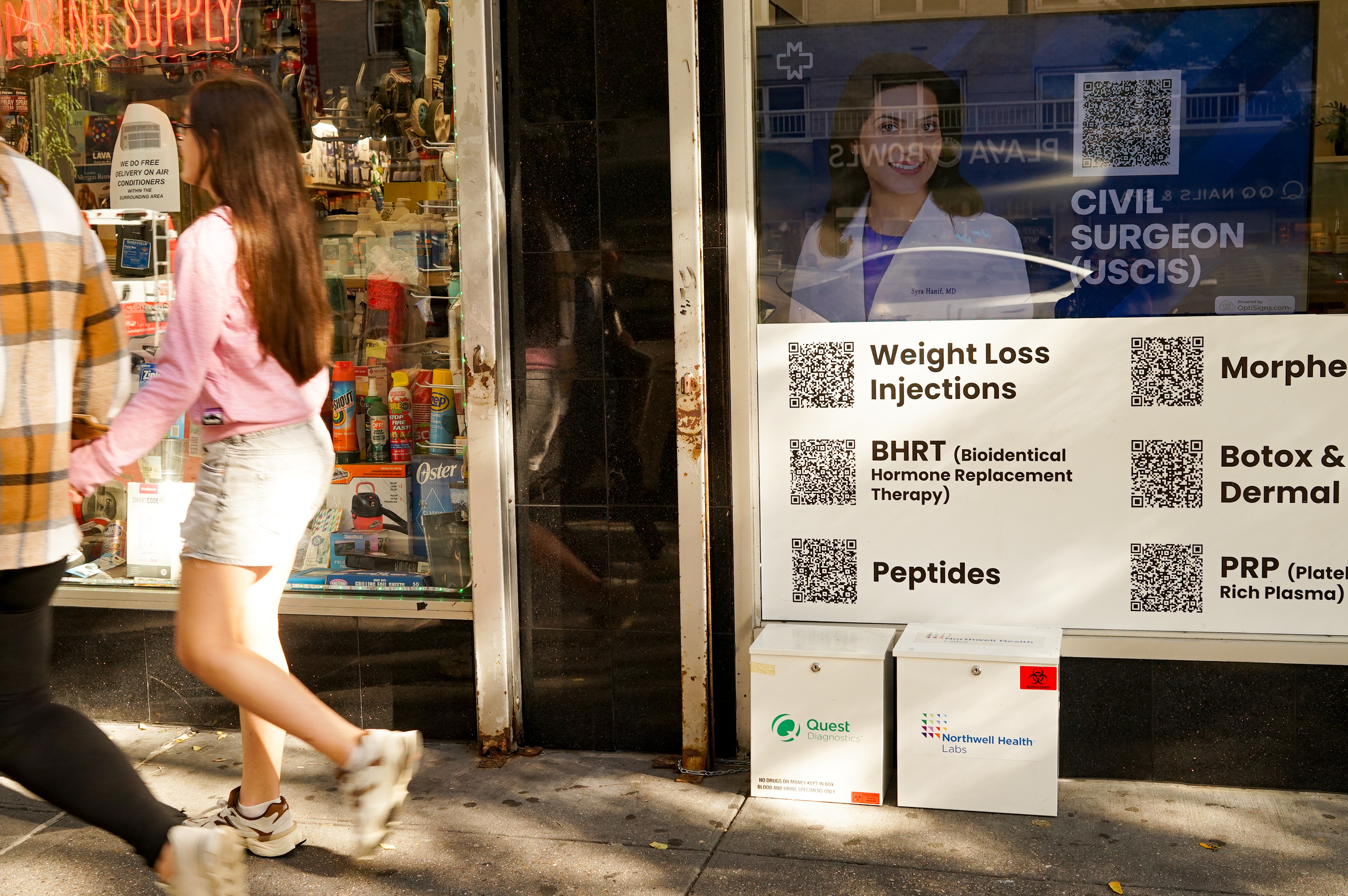
Experimental peptides are often sold at longevity, wellness, and “performance medicine” clinics — even though they haven’t been proved safe and effective in clinical trials. (Amy Maxmen/KFF Health News)
Wolverines and Migraines
One member of the private side-effects group, a 46-year-old software engineer named Dominik E., said he got an excruciating migraine within days of taking BPC-157 with TB-4, another unapproved peptide — a combination called the “Wolverine Stack” because of its purported ability to heal wounds rapidly, like its namesake Marvel superhero.
“My left eye started throbbing really badly, and the left side of my face became numb,” he told KFF Health News, which agreed to only partially identify him and others interviewed for this article who were concerned about divulging sensitive health information.
After two months of migraines, Dominik said, the pain eased, but his face felt inflamed. “It is a total nightmare,” he said.
“I’m afraid how people will judge me,” said Lois S., a woman who works at a Michigan elementary school. She hoped BPC-157 and another unapproved peptide, retatrutide, would help with weight loss, but she stopped taking the treatment when she felt pain.
“I sought out this substance from a lab that clearly labeled it not for human use, purchased a syringe, and injected this in my kitchen,” she said. “That belies all logic about what a normal person would do.”
Peptide proponents argue that shoddy manufacturing — not the peptides — causes harm. Therefore, they say, the FDA must protect the public by allowing doctors to prescribe peptides made for human use by pharmacies that specialize in compounding medicines. Typically, compounding pharmacies manufacture alternatives to FDA-approved drugs so a patient can, say, get a liquid version of a drug that the original manufacturer makes only as pills.
Adding unapproved peptides to the FDA’s list of compoundable drugs would mark a departure from the list’s purpose, said Peter Lurie, a former FDA official who now directs the advocacy group Center for Science in the Public Interest. He noted that federal and state oversight for compounding pharmacies is often lax, and they’ve been cited for contamination.
Furthermore, he added, the move would mislead consumers into thinking they’re buying drugs backed by clinical trials. People promoting peptides often point to promising laboratory research as evidence. Rats with spinal injuries regained tail mobility after BPC-157 injections, for example, and old mice given the experimental peptide MOTS-c could run longer. On average, however, fewer than 10% of substances that show promise in animal studies prove effective in clinical trials.
“A lot of this pseudoscience stuff sounds deeply impressive — inflammation this and telomere that — but at the end of the day, none of it really matters,” Lurie said. “You’ve got to show clinical benefit in humans: Does it work?”
Peptide promoters lean on anecdotes, often without verifiable numbers. In a podcast recorded at the White House, the MAHA influencer Brecka said: “Twenty million people have been prescribed these things without adverse events.” His guest on the episode, Brigham Buhler — who is the co-author of The Peptide Revolution and owner of a compounding pharmacy that sells peptides and a clinic, Ways2Well, that prescribes them — told Brecka that none of its 75,000-plus patients had reported adverse events from peptides.
Buhler cited even higher numbers in the movie MAHA Uncensored, a documentary featuring Kennedy and other leaders of the MAHA movement and that bears the MAHA trademark. In the segment on peptides, Buhler said: “Having treated literally hundreds of thousands of people through our compounding pharmacy, we’ve never had a major adverse event.”
Topol asks why those boasting success haven’t conducted clinical studies. “If influencers and companies really believe these peptides are helping people,” Topol said, “then they should put their profits back into rigorous research.”
Chris Woodward, a spokesperson for Brecka and his company, the Ultimate Human, said in an email that the health and wellness issues discussed on Brecka’s podcast do not constitute medical advice. “Mr. Brecka consistently advises his audience to consult a licensed physician,” Woodward wrote. Buhler did not respond to requests for comment.
On an episode of his Ultimate Human podcast recorded in the White House, Gary Brecka, a co-chair of the MAHA Action committee, promoted peptides that haven’t been approved for safety and effectiveness by the FDA.
Not all anecdotes are rosy. At an antiaging conference last summer in Las Vegas, two women were rushed to the hospital and intubated after being injected with experimental peptides and vitamins, according to citations that Nevada’s state pharmacy board issued against the doctor running the booth and his colleagues for prescribing and administering drugs without a state medical license.
An FDA database for adverse events contains concerning reports. Although the database can’t prove that a drug, vaccine, or medical device caused harm — the reports are brief, unverified, and voluntary — it signals issues worth exploring. A 36-year-old woman was hospitalized in December after taking the experimental peptide BPC-157 for weight control and a skin disorder, for example, and a 48-year-old man was hospitalized with a “life-threatening” condition after taking the peptide.
FDA scientists presented some of these reports at the July meeting and flagged worrisome outcomes in animal experiments, such as a 2020 study revealing signs of liver toxicity in rats and dogs injected with BPC-157.
Brian Lee, a liver disease specialist at the University of Southern California, was among the panel’s minority who voted against easing restrictions. Without clinical studies, he said, afflictions that take time to develop, like liver damage and cancer, might not be spotted for years: “I think this endorsement can be potentially harmful, and I cannot in good conscience vote ‘yes.’”
The panel’s newcomers disagreed. “I do not believe the FDA made a good case on issues with safety with BPC,” said Kris Wusterhausen, founder of an antiaging company in Texas, the Resurge Clinic, which sells a BPC-157 product for $149.
“Once you’ve seen the effects of BPC,” he said, “you can’t unsee it.”
At an FDA meeting in July, Brian Lee, a liver disease specialist at the University of Southern California, voted against easing restrictions on the experimental peptide BPC-157, citing safety concerns.
Awaiting Trial
Deepak Srivastava, president of the Gladstone Institutes in San Francisco, designed a clinical trial two decades ago to see if a peptide he studies, TB-4, could repair tissue after a heart attack. Before enrollment, people volunteering for the study would be screened for early signs of cancer because TB-4 triggers vessel growth and cell migration, which might exacerbate malignant growths. He worries about the FDA panel’s vote to ease restrictions on a derivative of TB-4, before such trials have been completed, saying, “You need to have a healthy respect for the fact that drugs can be harmful.”
Pinchas Cohen, a peptide researcher at the University of Southern California, was less cautious, saying the FDA buzz might drive investors to fund trials. He’s seeking support to bring a peptide his lab identified, MOTS-c, to market. It’s “un-ideal” for people to take unproven drugs, Cohen said, but that’s what’s happening: “The world is changing and people like me need to accept that this is the new reality and find ways to make it as safe as possible.”
In the meantime, people like Meetze resort to podcasts and online forums for advice. His symptoms faded after a year, but he still had spells of feeling “zero emotions.”
Peptide users describe this condition as anhedonia. It’s come up on Huberman’s podcasts.
Huberman occasionally mentions other potential peptide risks, like cancer, sprinkling them into advice on how to take them. Take a 2024 episode with 1.2 million views: “I do not think that BPC-157 is not without its quote-unquote ‘side effects,’” Huberman says. “If you’re going to go down this path of taking BPC-157, I would encourage you to take the minimal effective dose, to not simply do it every day, and certainly to not do it continuously, and of course to monitor your other health metrics for anything that could potentially resemble cancer or tumor growth, because obviously stimulating angiogenesis for wound repair sounds like a great thing, recovering and being able to do your workouts or play your sport, or move about more comfortably, of course, a wonderfully attractive thing to do.”
“Isn’t that what we all want? But obviously not with the trade-off of growing a tumor,” he said, before interrupting the discussion to advertise a supplement company sponsoring the show.
Patients with lesions caused by herpes simplex virus have a new FDA-approved treatment option, an oral antiviral drug from Asahi Kasei.
The late Friday regulatory decision covers the treatment of adults whose lesions do not respond to the three oral antivirals that make up the current standard of case. Asahi Kasei’s once-daily pill, known in development as pritelivir, will be commercialized under the brand name Hovilpri.
In people with healthy immune systems, herpes simplex virus (HSV) infection is often asymptomatic or causes mild disease. But in people with weakened immune symptoms — those who have undergone a transplant procedure, or patients with HIV, cancer, or autoimmune disorders — HSV infection can occur more frequently and with greater severity. While oral antivirals are available to treat HSV, viral mutations can lead to resistance to these older drugs. There are alternative treatment options, but they require intravenous dosing.
Hovilpri gives patients the choice of an oral drug with a different mechanism of action. This small molecule is designed to inhibit a complex of enzymes key to the synthesis of viral DNA. The drug was developed to treat both types of HSV, HSV-1 and HSV-2.
The regulatory submission for Hovilpri was based on the results of a Phase 3 study that showed statistically significant superiority in lesion healing up to day 28 compared to the physician’s choice of treatment. The most common adverse reaction reported for the study drug was headache.
“Today’s approval delivers the first FDA-approved treatment for refractory mucocutaneous HSV lesions with a novel mechanism of action in nearly 30 years and marks an important advancement for immunocompromised adults,” Stacy Wheeler, CEO of Asahi Kasei Therapeutics in the U.S. and Europe, said in a prepared statement. “Hovilpri offers a new oral treatment option for adult patients with a persistent, difficult-to-treat disease.”
Hovilpri was originally developed by AiCuris Anti-Infective Cures, a Germany-based biopharmaceutical company acquired by Asahi Kasei for €780 million (about $919 million). In the February acquisition announcement, Tokyo-based Asahi Kasei said the deal strengthens the company’s presence in severe infectious disease. It added that HSV patients addressed by Hovilpri are commonly seen in transplant centers and specialized hospital settings where the company has established commercial relationships and infrastructure.
Asahi Kasei has been expanding its portfolio and pipeline via business deals. In 2020, the company closed the 8.3 billion Danish krone (about $1.3 billion) acquisition of Veloxis Pharmaceuticals, a company that develops and sells therapies for organ transplant patients. The Japanese company’s 11.8 billion Swedish krona (about $1.18 billion) acquisition of Calliditas Pharmaceuticals in 2024 brought a portfolio that includes Tarpeyo, which has FDA approval for treating the rare kidney disorder immunoglobulin A nephropathy.
The Aicuris acquisition brought more than Hovilpri. Asahi Kasei gains royalty income from Prevymis, a cytomegalovirus drug whose global rights Aicuris had licensed to Merck. The Japanese company also gets an experimental antisense oligonucleotide that Aicuris has advanced to Phase 1 testing as a treatment for BK virus infection in kidney transplant patients.
Robotics are increasingly being incorporated into today’s complex surgeries, and their capabilities are quickly expanding as they take on new tasks and higher levels of autonomy. The FDA recently published draft guidance on pre-market testing for robotically-assisted surgical devices, raising timely discussion around whether hospital infrastructures are capable of supporting increasingly complex systems.
It describes how robotic surgical devices should be tested prior to clinical use, covering everything from the robot’s movements to the design of its software, its reliability and accuracy, its cybersecurity measures, safety and sterility, how it visualizes patient images, and how it interfaces with the surgical team. The guidance is aimed at manufacturers and is currently nonbinding; it is open for comment until November 24.
As surgical technology becomes increasingly connected, the FDA’s guidance asks manufacturers to consider how different software functions within a single operating room interact. This raises a critical question for hospitals: as surgical robots become more sophisticated, what must the operating rooms around them have to successfully integrate the new technology?
Dr. Nadine Hachach-Haram, a surgeon and the founder and CEO of Proximie, argues that the answer lies in understanding the operating room as a connected clinical ecosystem.
“What stands out to me in the FDA’s guidance is that it treats the robot as part of a much wider clinical system,” Hachach-Haram said. “It looks beyond the device itself to the software, connectivity, training and the environment in which it will actually be used. That matters because, as a surgeon, you quickly see that even very advanced technology has to work within the reality of the operating room.”
Proximie, headquartered in London, is a health technology company whose platform is designed to connect operating room devices and support intra-operative video and data capture. The company says its software is used by more than 700 hospitals worldwide.
Hachach-Haram asserts that it’s important for manufacturers to assess whether the addition of more complex capabilities may impact the performance of a new robotic device, a consideration which the FDA guidance also underscores.
“A great robot should still be a great robot once the video and data sit alongside it, not a lesser robot with a video system attached,” said Hachach-Haram.
“Failure to maintain cybersecurity can result in risks such as compromised device functionality, loss of device availability, loss of data (medical or personal) availability and/or integrity, or exposure of other connected devices or networks to security threats. This in turn may have the potential to result in patient injury.”
Human factors are another focus, with the FDA emphasizing that testing should be conducted in realistic contexts to accurately assess performance within real-world operating room conditions.
As surgical robots continue to evolve, the guidance asks manufacturers to prove that these new technologies work smoothly as part of today’s complex human-and-machine operating team.
And so, another working week will soon draw to a close. Not a moment too soon, yes? This is, you may recall, our treasured signal to daydream about weekend plans. Our agenda is, so far, rather modest. We plan to catch up on our reading, promenade with the official mascots and celebrate the turning of another page on the calendar with our remaining Pharmalot ancestor. We also hope to hold another listening party, where the rotation will likely include this, this, this, this and this. And what about you? This is the time of year when apples and pumpkins grow lonely, waiting for someone to take them to a nice home. So perhaps a drive in the country is in order. This may also be an opportunity to simply enjoy the great outdoors, given the lovely change of scenery that is taking place. Or you could keep busy by strolling city streets and watching life go by. Well, whatever you do, have a grand time. But be safe. Enjoy, and see you soon…
Argenx disclosed that its blockbuster drug Vyvgart failed to outperform placebo in a Phase 3 trial of patients with Sjögren’s disease, a chronic autoimmune disorder, marking an unusual setback for the company,STAT says. Argenx has racked up a series of wins in autoimmune disorders en route to becoming one of the world’s largest biotechs based on market cap. William Blair analysts had projected $1.4 billion in peak sales from Vyvgart in Sjögren’s disease but described the trial as high risk, in part because Sjögren’s patients often have high placebo responses. The trial was supposed to be completed next year, but it was stopped early after a data monitoring committee determined the primary endpoint would not be met.
The Food and Drug Administration flagged a potential safety signal after four deaths were reported among patients with treatment-resistant schizophrenia who received investigational evenamide in clinical trials, MedPage Today informs us. In April, the agency halted patient enrollment in a Phase 3 trial for the Newron Pharmaceuticals medicine after the sudden death of a participant. That hold remains in place at U.S. study centers but enrollment continues in other countries, and additional clinical sites are being added. The FDA concern relates to the risk that some sodium channel blockers may trigger arrhythmias that can lead to serious cardiovascular events or seizures.
A cadre of elite techies, financiers, and high-level Trump administration officials have spent a year quietly charting an extraordinary and rapid campaign to persuade Americans to use apps and other artificial intelligence-powered tools to manage their healthcare and medical records.
As that campaign has unfolded, administration officials have granted tech companies an unusual opportunity to nudge the nation’s health department toward a loosely regulated future for AI health apps in which the government reimburses them for services as it does medical professionals.
In February, federal health officials invited those businesses — including tech giants Microsoft, Anthropic, OpenAI, Apple, and Google — to a listening session on conversational AI products for patients, such as chatbots. Representatives from at least 35 industry organizations attended the meeting held by the Food and Drug Administration, which is responsible for regulating health apps as medical devices. Companies were prompted in advance to explain their AI products and how they access patients’ sensitive medical information.
But the meeting did not appear on the FDA’s public calendar or regulatory notices, nor was the public invited. Rather, the invitation for a select group to help shape federal policy governing AI in healthcare was extended in a chat room on the messaging service Slack.
“This is a great opportunity to support HHS’ goals and share your state-of-the-art understanding of safe Conversational AI development and monitoring to help FDA shape future guidance,” CMS senior policy adviser Morgan Taylor wrote in the Slack workspace.
The Centers for Medicare & Medicaid Services has not formally announced the chat room through federal regulatory channels, though CMS officials have talked about it at industry conferences. Legal experts said the chat room resembles a federal advisory panel, which would be required to operate in public view.
KFF Health News reviewed thousands of Slack messages, meeting transcripts, and video recordings that reveal how the Trump administration has granted the industry a direct line to top government officials — including former head of the Department of Government Efficiency Amy Gleason.
The conversation took place behind the scenes as federal health officials publicly worked to integrate AI and other technology into nearly every aspect of healthcare, a plan they’ve branded the “Health Technology Ecosystem.”
“We wanted to give industry a chance to play in the sandbox of government-supported healthcare,” CMS Administrator Mehmet Oz said in September at the public launch of an initiative that allows health apps to bill Medicare for AI services such as wearable device tracking. Last week, Health and Human Services Secretary Robert F. Kennedy Jr. delivered an enthusiastic endorsement of AI in healthcare, claiming it is “much better informed than any doctor in the country.”
Meanwhile, HHS staff even promised that a recently launched Medicare App Library would serve as a lucrative pipeline for those businesses to get new users. The library’s webpage currently promotes only two dozen commercial apps to millions of American seniors and those with disabilities.
As Trump officials sell it, Americans will get easier access to their medical records so apps can swiftly provide health or wellness advice. In practice, however, so will the tech companies.
Doctors, meanwhile, are increasingly worried about how patients use and share their medical records with the nascent technology.
“Some of these tools just aren’t ready for primetime,” said John Whyte, CEO of the American Medical Association. “We don’t have enough data about them. We don’t understand how they work, how they’re using the information. There’s no liability if these tools get things wrong.”
CMS officials declined to answer several questions about the Slack workspace, including about its legality.
“CMS is focused on giving Medicare beneficiaries greater access to their health information and useful digital tools while promoting an open, interoperable healthcare system,” Gleason, now chief product officer for the newly created Office of Health Technology and Products at CMS, wrote in an emailed statement. “The Health Technology Ecosystem is an open, voluntary technical collaboration. CMS will continue working with patients, providers, payers, technology organizations, and other stakeholders to make health information more accessible and useful to the Americans it serves.”
The FDA did not respond to a request for comment.
The Conversation Begins
The behind-the-scenes effort to funnel more Americans to AI-powered health apps began in August 2025 in the Slack workspace.
“Welcome all!” Gleason wrote. “Please be sure to read the Code of Conduct and see the Channel list as well to help you find channels that are relevant to you.”
Gleason is best known for serving as the acting administrator of Elon Musk’s Department of Government Efficiency, as it gained access to millions of Americans’ sensitive personal and financial data, including at the Social Security Administration.
As her work with DOGE wound down last year, Gleason welcomed a variety of tech leaders, investors, and entrepreneurs to the chat room.
Documents have been reproduced from the CMS Health Tech Ecosystem Slack and highlighted by KFF Health News.
The Slack workspace’s participants include representatives from major digital wellness companies like Oura Health, AI companies like Palantir, and investment outfits like 8VC, a venture capital firm associated with Kennedy’s son Finn. While the Slack’s member count has ballooned to 1,700 over the past year, only a handful of patient advocates, doctors, and hospital representatives are in it.
The code of conduct Gleason shared on Slack in August 2025 documented that CMS had quietly established a technology working group.
The document also set ground rules for the Slack workspace, noting that the group does not constitute an “advisory committee,” nor would it be used “to obtain advice or recommendations for HHS, CMS, or any HHS/CMS officials.” The code also advises that federal employees “are prohibited from endorsing any product, service, or enterprise.”
Joseph Daval, a former FDA lawyer who is now a research specialist at Harvard Medical School, reviewed messages from the Slack workspace at the request of KFF Health News. He said the chat room in some ways resembles a federal advisory committee — an independent panel that can be formally stood up by an agency head, Congress, or the president to ensure agencies act in the best interest of the public rather than industry.
The law on advisory committees “was passed in part out of a concern about interest group capture, about anticompetitive capture of agency policymaking, about corruption,” he said.
Daval said the chat group looks like a committee, with members interacting with one another and building consensus on preferred courses of action.
If it were a formal advisory committee, though, Daval said, it would be subject to certain “membership requirements having to do with independence and fair balance.”
A ‘Sales Engine’
Over a series of video calls, CMS officials promised tech leaders participating in the Slack workspace that the agency would promote their health apps.
Jacob Shiff, the chief AI and technology officer at CMS’ Innovation Center, told industry representatives in a Zoom meeting in February that he hoped the agency’s work would be a “sales engine” for the health apps.
“We’re going to have a directory of all the organizations,” Shiff said in a video recording reviewed by KFF Health News. “The people on this call who hopefully will have amazing solutions that work will be the winners, and you have every incentive to obviously drive down your costs so you can be extremely profitable and scale. So hopefully we’re selling — or enabling you guys to thrive.”
This video recording was captured and excerpted by KFF Health News before it was removed from public view.
A recording of the call had been publicly available through a Google Drive link but was made private the day after KFF Health News asked about comments made during the meeting.
CMS did not respond to queries about how the agency has decided which AI-powered health apps appear in the Medicare App Library or why federal employees have promised to promote the products.
Days before publicly launching the Medicare App Library, CMS officials promised AI tech leaders during an informal meeting that the new webpage would become an important distribution channel for health apps because Medicare enrollees would place trust in products listed on the CMS website.
“If medicare.gov is promoting it, for lack of a better word, then yeah, it would be an app that I would trust and explore,” CMS’ Taylor said during the April 7 meeting, channeling enrollees, according to a transcript of the call.
The Medicare App Library’s webpage encourages older and disabled Americans to manage health conditions such as obesity, cancer, or diabetes using two dozen AI-driven apps developed by some of the world’s largest corporations, including Microsoft and Google. Many of the apps promise in their product descriptions to give insight, perform analyses, or develop plans that will help patients lose weight or manage diabetes.
CMS officials have suggested to tech representatives during at least two meetings this year that those apps will be prioritized for a new agency program that reimburses companies for AI chatbot advice or wearable device tracking, according to video recordings.
CMS has not publicly divulged all the criteria it uses to decide which apps are listed in its library, but the webpage promotes apps still in their infancy.
Among them is Slothwise, a health app launched this year from a San Francisco apartment by a young, self-described biotech entrepreneur and triple citizen of Russia, Israel, and the U.S. The app says it “knows your whole health” by analyzing medical records and tracking health data for $9.99 a month. It has been reviewed on the Apple and Google app stores only a handful of times.
“I trusted slothwise with my health info because it was endorsed by medicare,” one reviewer wrote in a Google review in August. “Connecting info was smooth and I learned a lot about my health.”
In a statement, Slothwise CEO Sofia Sigal-Passeck did not answer questions about the size and medical expertise of her current team, nor about the availability of a doctor to consult with patients who use the app. The app, she said, is only “informational” at this time.
“I’ve spent years building at the intersection of AI and complex biological data,” Sigal-Passeck wrote in an email. “A small team is not the same thing as an inexperienced team. Slothwise is built by physicians, PhD researchers and engineers.”
‘No Regulation, No Rulemaking’
What’s often less clear — and buried deep in lengthy privacy policies — is that these apps are tapping into the intimate details of patients’ medical records to fuel their AI-driven analyses.
Tech vendors have lobbied the government to treat these apps, once they are vetted and authorized by a third-party organization, like a patient requesting records. That position gives apps sweeping access to pull sensitive health data from the national network through which providers electronically exchange medical records, called the Trusted Exchange Framework and Common Agreement, or TEFCA.
A small but influential group of those tech company executives directly made the case to federal health officials during a formal meeting in May, arguing that when health apps request medical records they should be treated as if they are standing “in the shoes” of a patient.
On Slack, tech vendors have lobbied for a “frictionless pathway” for verified users, after they’ve consented once, that allows the app to gain limitless access to patients’ medical records from the TEFCA network.
Ryan Howells, a healthcare management consultant who lobbies for a Washington, D.C.-based digital health tech organization called the CARIN Alliance, has spearheaded an effort for patients — vis-à-vis apps — to more easily access medical records. He has regularly noted in Slack that health apps accessing TEFCA must be vetted by a third-party organization — one of which he sits on the board of — and agree to a code of conduct, developed by the alliance he lobbies for.
“What more can you do to have trust in these apps?” he wrote in a March Slack message, responding to concerns about how much patient consent is needed for apps to access medical records on the network.
Kristen Valdes, the CEO of b.well, a company that also connects apps to the TEFCA network, made a similar argument.
“My opinion is that we need to stop protecting patients from themselves,” she wrote in the same message thread. “Full stop.”
Howells did not respond to an emailed list of questions from KFF Health News. In an interview, Valdes told KFF Health News that her comment reflected her frustration at the “paternalism” of the healthcare system, which she said has historically made it difficult for patients to access their records. Although, she said, “there are going to be good and bad apps.”
Other tech leaders worried in Slack about the approach.
One startup founder cautioned the group to think about the pitfalls of giving health apps broad leeway to pull medical records.
“We might all be good, honest actors here but security & privacy systems have to be designed around the presence of malicious actors – especially if we want this system to scale up to thousands of apps,” wrote Jason Kulatunga, who runs Fasten Health, a medical records management platform.
Gleason, the CMS official, has publicly championed the vision shared by Howells and Valdes. In her speeches, she frequently urges doctors to accept patient medical records directly from apps and calls on them to “Kill the Clipboard,” also the title of a 2025 white paper co-authored by Howells that urges doctors’ offices to abandon paper records.
Last month, Gleason spoke to a crowd gathered at a swanky hotel in Washington for an event hosted by the MAHA Institute, a think tank that supports Secretary Kennedy’s agenda. She laid out her work with tech companies over the past year as she discussed the Trump administration’s efforts to make medical records more digitally accessible.
As she told it, more Americans can now download an app and access their medical records.
“Once you’ve verified your identity you can just click a simple button and say, I’d like my medical records into whatever app I choose,” Gleason said.
She continued: “That was all done just — no regulation, no rulemaking — just by challenging industry to work together.”
John writes about the politics of health care, and he is the author of the twice-weekly D.C. Diagnosis newsletter. You can reach John on Signal at John_Wilkerson.07.
You’re reading the web edition of D.C. Diagnosis, STAT’s twice-weekly newsletter about the politics and policy of health and medicine. Sign up here to receive it in your inbox on Tuesdays and Thursdays.
Celebrity doctor Mike Varshavski has been contacted by The Bachelor for its 30th season. Send news tips and hot physicians to [email protected] or John_Wilkerson.07 on Signal.
A lame lame-duck
On Friday, President Trump said he will give $90 to more than 20 million seniors to help pay for Medicare premiums.
John writes about the politics of health care, and he is the author of the twice-weekly D.C. Diagnosis newsletter. You can reach John on Signal at John_Wilkerson.07.
Mario covers technology in health care, including FDA regulation of artificial intelligence; how Medicare pays for health tech; the use of AI in clinical care; mental health chatbots; and consumer wearables. He’s also the co-author of the free, twice weekly STAT Health Tech newsletter. You can reach Mario on Signal at mariojoze.13.
Utah regulators on Monday announced a plan to allow an artificial intelligence product to evaluate patients for acne treatment and write new drug prescriptions without prior human review.
A startup called Nolla Health will launch an AI-powered service in the state that will assess a patient for mild-to-moderate acne treatment using a structured intake and by analyzing photos of their skin. The product may determine whether one of a list of low-risk drugs is appropriate. In the first stages of the pilot, the decisions of the AI will be reviewed by a licensed clinician who will sign off on prescriptions, but Nolla may eventually be allowed to prescribe drugs without this review. The company last year announced it raised $4.5 million from investors including General Catalyst, and Nolla aspires to direct treatment for a host of conditions using AI.
The new pilot is part of a significant expansion of a closely watched “AI sandbox” program that allows Utah’s Office of Artificial Intelligence Policy, or OAIP, to waive regulations, including around the practice of medicine, for companies that want to test AI products under state supervision.
Katie covers the impact of health technology on patients, clinicians, and businesses. Her stories explore the price tag of clinical AI, digital health at the FDA, and the boom in direct-to-consumer telehealth. Confidential tips can be sent on Signal at palmer.01.
In the last month, manufacturers have announced “breakthrough” status from the Food and Drug Administration for a menagerie of devices: triage algorithms for abdominal CT scans, diagnostic panels for urinary tract infections, and thrombectomy robots, to name a few.
They’re coming in just under the wire: As of October, new breakthrough-designated devices will no longer be eligible for special treatment when it comes to qualifying for extra Medicare payments. These devices, and more than a dozen others, are included in the latest update of STAT’s Breakthrough Device Tracker, which since 2022 has captured nearly 800 devices reported to have FDA breakthrough status.
In August, the Centers for Medicare and Medicaid Services finalized the removal of pathways that have made it easier for breakthrough devices to qualify for supplementary Medicare payments for both inpatient and outpatient use. Since 2020, devices that received the designation from the FDA have been able to qualify for new technology add-on payments and transitional pass-through payments without proving they provide a substantial clinical improvement over alternatives, or that they are new.