Category: drug development

  • STAT+: FDA adcomm members’ ties to industry under scrutiny

    STAT+: FDA adcomm members’ ties to industry under scrutiny

    Elaine’s stories explore the boom in new obesity treatments, new drug payment models, the ways companies are affected by FDA changes, and the emerging psychedelics drug sector. She co-writes The Readout newsletter, and co-hosts STAT’s weekly biotech podcast, The Readout Loud. You can reach Elaine on Signal at elaineywchen.70.

    Good morning. Yesterday, we got the devastating news that STAT’s infectious disease correspondent, Helen Branswell, passed away. She was a reporter I always looked up to and was also an incredibly generous colleague. Please take the time to read this tribute to her.

    The need-to-know this morning

    • Liquidia and United Therapeutics reached a settlement agreement that resolves their ongoing patent litigation over Liquidia’s treatment for pulmonary arterial hypertension. 

    Researchers in Pittsburgh are launching a novel type of GLP-1 trial — testing not only if the drug will help people with addiction, but also if it will help reduce recidivism while improving other employment, health, and housing outcomes.

    The Center for Addiction Science, Policy and Research (CASPR), a non-profit organizing the effort, and the Allegheny County Department of Human Services are planning to launch the trial in early 2027. They will enroll up to 1,200 adults with alcohol use disorder, opioid use disorder, or both, who are also at high risk of criminal-justice involvement. Half will be randomly assigned to take Novo Nordisk’s Wegovy, according to a press release issued yesterday.

    STAT+ Exclusive Story

    Already have an account? Log in

    STAT+

    STAT+

    This article is exclusive to STAT+ subscribers

    Unlock this article — plus in-depth analysis, newsletters, premium events, and news alerts.

    Already have an account? Log in

    View All Plans

    To read the rest of this story subscribe to STAT+.

    Subscribe

  • STAT+: Life Biosciences share glaucoma study updates for its cellular reprogramming drug

    STAT+: Life Biosciences share glaucoma study updates for its cellular reprogramming drug

    NIH funding uncertainty thwarts U.S. researchers, Argenx stumbles, and more biotech news

    Close up of an eye
    Adobe

    Jason is a general assignment reporter, with particular focus on genetic medicine and rare disease. Confidential tips can be sent on Signal at JasonMast.77.

    Want to stay on top of the science and politics driving biotech today? Sign up to get our biotech newsletter in your inbox.

    This is the Readout. Please read it.

    And don’t miss us too much Monday, when the newsletter will be paused for the holiday. We’ll be back in your inbox Tuesday.

    STAT+ Exclusive Story

    Already have an account? Log in

    STAT+

    STAT+

    This article is exclusive to STAT+ subscribers

    Unlock this article — plus in-depth analysis, newsletters, premium events, and news alerts.

    Already have an account? Log in

    View All Plans

    To read the rest of this story subscribe to STAT+.

    Subscribe

    1. Meghana Keshavan covers biotech and contributes to The Readout newsletter.

    2. General Assignment Reporter

      Jason is a general assignment reporter, with particular focus on genetic medicine and rare disease. Confidential tips can be sent on Signal at JasonMast.77.

  • Startup Arboretum Sprouts, Bringing a Precision Medicine Approach to Common Diseases

    Startup Arboretum Sprouts, Bringing a Precision Medicine Approach to Common Diseases

    The career of Anthony Philippakis has tracked with the evolution of molecular medicine. The cardiologist started medical school in 2001, one year after the first draft of the human genome was published. As a PhD student, he studied human genetics. At GV, where Philippakis is currently a general partner, he played a key role in the firm’s investment in Foundation Medicine, a precision medicine company that provides cancer tests and analyzes tumor samples, identifying genetic mutations that inform treatment decisions.

    “My professional career has been following the genome wherever it leads,” he said.

    Philippakis’s journey in genetics has reached its next stop. He’s the co-founder and CEO of Arboretum LifeSciences, a startup firmly planted in both diagnostics and drug development. The company is now out of stealth with a handful of partnerships and the ambition to leverage its genomic analyses into alliances with pharmaceutical companies, each side of its business working toward the shared goal of developing new medicines for common diseases. The Cambridge, Massachusetts-based company has raised $30 million in new funding to execute that mission.

    Arboretum is a molecular information company, a concept that Philippakis said goes back to an idea from Foundation Medicine. While a molecular diagnostics company only does diagnostics, a molecular information company does diagnostics and then uses the data generated from those tests to develop therapies, he explained. This concept first took root in cancer, where it’s easier to identify a particular genetic mutation as the driver of the disease — matching a drug to that genetic signature is fairly straightforward. But in a more common conditions like heart disease, there’s usually no single disease driver. To address such diseases, scientists need genetic approaches that define patients based on many variants rather than a single one.

    Arboretum supplies whole genome sequencing tests that support precision medicine programs at health systems. The company then analyzes data from those tests, using the analyses to guide drug development. The startup’s business model would not have been possible years ago, said Clare Bernard, Arboretum’s president. Alongside the rise of AI capabilities, the cost of genome sequencing has come down, making it easier to sequence larger numbers of patients, she explained. There’s also a growing number of indications where genetic testing is clinically indicated and payer reimbursed.

    Arboretum’s analysis yields a risk score indicating genetic predisposition to a particular disease. Bernard said these scores allow the company to identify disease targets as well as patients who could be a match to a clinical trial. These data can also help Arboretum design a clinical trial or match patients to a trial. These data can become the basis of partnerships with pharmaceutical companies, guiding their drug research. In these instances, Arboretum is not acting as a technology vendor. Philippakis said these deals involve risk sharing where the startup gets some of the financial upside if its analysis leads to a successful drug.

    “When we find one of those opportunities, either we approach a pharmaceutical company and say, ‘You’re developing a drug, we have insight on how to run a smarter trial,’ and do a partnership,” Philippakis said. “Alternatively, there might be an early-stage molecule somewhere in the world where we say, oh, let’s go in-license it because we have a differentiated insight on the development.”

    Arboretum aims to form startups around in-licensed assets. These startups would incubate within Arboretum. Philippakis said his company has “a number of active discussions” and he expects to have more to share in 2027.

    The alliances that are public are with health systems. Advocate Health, Geisinger, Providence Healthcare, and Cardiovascular Associates of America are all partners with Arboretum, using the startup’s genetic tests and creating longitudinal molecular registries. The startup also recently started sequencing its first patients in the United Kingdom, and Philippakis said the company aims to grow internationally.

    From the patient perspective, the patient’s doctor would order the Arboretum test, Bernard said. That could be an oncologist or a cardiologist. In some cases, it’s a primary care physician. The test is a simple cheek swab that can be done at a clinical site. Alternatively, a kit can be sent to the patient’s home. After the test, patients may consent to have their data included in a research biobank to be part of Arboretum’s research.

    “If they’re part of the research study, they can get additional results returned,” Bernard said. “That also gives them the opportunity to participate in clinical trials and gives us greater consent to match them to clinical trials in the future.”

    Arboretum started with $5 million in seed financing from GV and F-Prime. The new financing is a Series A round led by GV, F-Prime, .406 Ventures, Hims & Hers, Amgen and other unnamed healthcare investors. Philippakis estimates the capital will last at least three years. In that time, he aims for Arboretum to blossom to half a million people sequenced and several opportunities in drug development, either startups spun out of the company or partnerships with big pharma.

    The concept of Arboretum started taking shape during the Covid-19 pandemic, when Philippakis and Bernard both worked at the Broad Institute. During long outdoor walks, Philippakis said they talked about the confluence of automation, diagnostics, and biotechnology, as well as the shift of these disciplines to more capital-efficient approaches. The startup’s name is a reference to the Arnold Arboretum, which is near Bernard’s home and where the pair took those walks.

    “We like the metaphor an arboretum grows trees, we’re growing biotech companies,” Bernard said.

    Photo by Flickr user Jason Baker via a Creative Commons license

  • STAT+: Roche goes beyond licensing in deal with Chinese biotech

    STAT+: Roche goes beyond licensing in deal with Chinese biotech

    DOJ signals it will start scrutinizing drugmakers, PhrMA sues Trump administration, and more biotech news

    gantenerumab Alzheimer's disease Roche
    Sebastien Bozon/AFP via Getty Images

    Elaine’s stories explore the boom in new obesity treatments, new drug payment models, the ways companies are affected by FDA changes, and the emerging psychedelics drug sector. She co-writes The Readout newsletter, and co-hosts STAT’s weekly biotech podcast, The Readout Loud. You can reach Elaine on Signal at elaineywchen.70.

    Want to stay on top of the science and politics driving biotech today? Sign up to get our biotech newsletter in your inbox.

    Good morning. Let’s get straight to the news.

    The need-to-know this morning

    Roche goes beyond licensing in deal with Chinese biotech

    Over the past few years, pharma companies have flocked to China to license existing drug candidates. Roche is taking a new approach, partnering with Chinese startup Defand Therapeutics to discover new medicines.

    STAT+ Exclusive Story

    Already have an account? Log in

    STAT+

    STAT+

    This article is exclusive to STAT+ subscribers

    Unlock this article — plus in-depth analysis, newsletters, premium events, and news alerts.

    Already have an account? Log in

    View All Plans

    To read the rest of this story subscribe to STAT+.

    Subscribe

    1. National Biotech Reporter

      Elaine’s stories explore the boom in new obesity treatments, new drug payment models, the ways companies are affected by FDA changes, and the emerging psychedelics drug sector. She co-writes The Readout newsletter, and co-hosts STAT’s weekly biotech podcast, The Readout Loud. You can reach Elaine on Signal at elaineywchen.70.

  • STAT+: Roche inks drug discovery deal with Chinese biotech, focused on molecular glue medicines

    STAT+: Roche inks drug discovery deal with Chinese biotech, focused on molecular glue medicines

    Allison covers what hot startups are getting up to, and who’s financing them. She is also co-host of the weekly biotech podcast, “The Readout Loud.” You can reach Allison on Signal at AllisonDeAngelis.01.

    Roche is digging deeper into the biotech industry in China, striking a new partnership with a drug startup there. But rather than licensing the startup’s clinical-stage medicines, Roche is enlisting it to discover new ones, signaling a potential shift in global drug development. 

    Chinese startup Defand Therapeutics said Thursday that it had signed a collaboration deal with Roche to develop molecular glue medicines. Under the deal, Defand will discover and develop multiple drugs for cancer and immune-driven diseases. The financial terms were not disclosed, but a source with knowledge of the agreement said it could be worth close to $1 billion between the upfront fee and payments Defand could get if it meets various preclinical, clinical, and regulatory goals. 

    Molecular glue therapies are a buzzy new area of drug development, designed to create a sticky, more effective connection onto problematic proteins to destroy them. Development of these drugs has just begun to accelerate, thanks in large part to the data from Revolution Medicines, showing its molecular glue treatment Rasonque nearly doubled the survival rate of patients with pancreatic cancer. 

    STAT+ Exclusive Story

    Already have an account? Log in

    STAT+

    STAT+

    This article is exclusive to STAT+ subscribers

    Unlock this article — plus daily coverage and analysis of the pharma industry — by subscribing to STAT+.

    Already have an account? Log in

    View All Plans

    To read the rest of this story subscribe to STAT+.

    Subscribe

  • STAT+: Forbion raises $2.6 billion, its largest fundraise to date

    STAT+: Forbion raises $2.6 billion, its largest fundraise to date

    Promising Duchenne therapies will test FDA flexibility, Doudna-founded Caribou shutting down, and more biotech news

    Small people stand on a giant hundred-dollar bill
    Adobe

    Elaine’s stories explore the boom in new obesity treatments, new drug payment models, the ways companies are affected by FDA changes, and the emerging psychedelics drug sector. She co-writes The Readout newsletter, and co-hosts STAT’s weekly biotech podcast, The Readout Loud. You can reach Elaine on Signal at elaineywchen.70.

    Want to stay on top of the science and politics driving biotech today? Sign up to get our biotech newsletter in your inbox.

    Good morning. Today, STAT released our 2026 Wunderkinds, a group of early-career researchers recognized for doing innovative work in health and medicine. I had the pleasure of speaking with one NIH researcher who has been figuring out how GLP-1 drugs work in the brain. But check out all of the profiles here!

    The need-to-know this morning

    • Cerevance said its experimental pill solengepras reduced Parkinson’s patients’ daily off-time, alongside other symptoms, in a Phase 3 trial. The privately held company, which will now talk to regulators about a potential approval, touts the pill as one of the first potential Parkinson’s drugs that does not act directly on dopamine, sparing patients certain side effects.
    • Henri B. Kagan and Kenso Soai were awarded the 2026 Nobel Prize in chemistry for discovering how to manipulate “mirror image” molecules, paving the way for manufacturing more precise and safer drugs.

    Doudna-founded Caribou is shutting down

    Caribou Biosciences is shutting down after failing to raise enough money to fund a late-stage clinical trial of its off-the-shelf CAR-T therapy for lymphoma.

    STAT+ Exclusive Story

    Already have an account? Log in

    STAT+

    STAT+

    This article is exclusive to STAT+ subscribers

    Unlock this article — plus in-depth analysis, newsletters, premium events, and news alerts.

    Already have an account? Log in

    View All Plans

    To read the rest of this story subscribe to STAT+.

    Subscribe

    1. National Biotech Reporter

      Elaine’s stories explore the boom in new obesity treatments, new drug payment models, the ways companies are affected by FDA changes, and the emerging psychedelics drug sector. She co-writes The Readout newsletter, and co-hosts STAT’s weekly biotech podcast, The Readout Loud. You can reach Elaine on Signal at elaineywchen.70.

  • STAT+: In Duchenne muscular dystrophy, a promising therapy is available to a fortunate few

    STAT+: In Duchenne muscular dystrophy, a promising therapy is available to a fortunate few

    By Jason Mast

    Oct. 7, 2026

    General Assignment Reporter

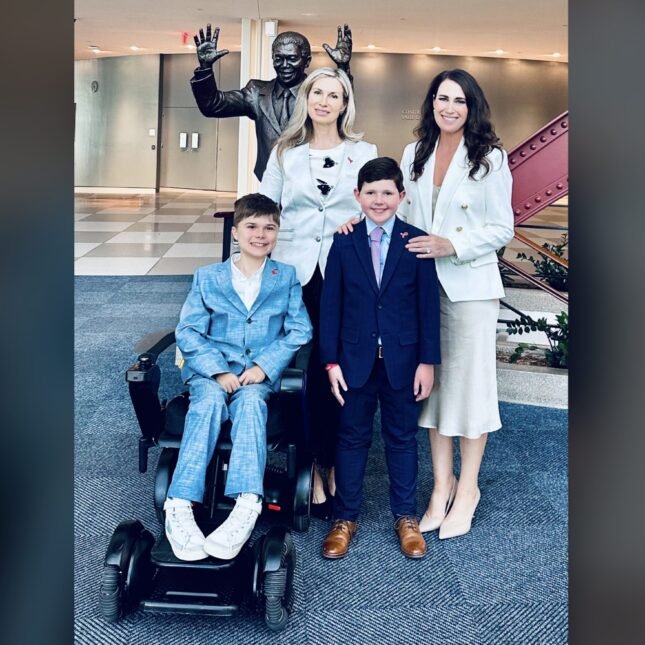
    There’s a boy like you in Minnesota, Yannick’s mom told him a few years ago. He has the same disease. He has the same kind of smile. Maybe you could talk?

    They clicked. After school and on weekends, the two boys boot up their computers, Yannick in San Diego and Brecken in a suburb of St. Paul, Minn. They play Roblox or build virtual worlds on Minecraft: a zoo, for example, like the real-world one 13-year-old Yannick wants to build when he grows up, full of lions, tigers, and giraffes. 

    They seldom talk about Duchenne muscular dystrophy, the rare fatal muscle-wasting disease they live with. But lately it’s all their moms can talk about. In stolen phone calls on the way to coffee or back from school, they compare the two boys: how quickly Yannick is declining and how steadily Brecken is — shockingly — improving.

    Last winter, Brecken, 12, started receiving an experimental drug developed by Avidity Biosciences. The medicine makes the cell’s protein-building machinery “skip” part of the gene, called an exon, behind Duchenne, allowing patients to make a shortened but functional version of a protein essential for muscle survival. In trials, it appeared to virtually arrest the disease in some patients. 

    The approach, however, is out of most patients’ reach. In principle, “skipping” strategies could benefit about 70% of the 10,000 to 15,000 Duchenne boys and men in the U.S. (The disease almost exclusively affects males.) But the medicines have to be targeted to a patient’s specific mutation. Only about 7% of patients — or roughly 900 Americans — are eligible for Avidity’s drug, called Del-zota, which is now under Food and Drug Administration review.

    STAT+ Exclusive Story

    Already have an account? Log in

    STAT+

    STAT+

    This article is exclusive to STAT+ subscribers

    Unlock this article — plus daily coverage and analysis of the biotech sector — by subscribing to STAT+.

    Already have an account? Log in

    View All Plans

    To read the rest of this story subscribe to STAT+.

    Subscribe

  • STAT+: AstraZeneca opens new Boston site 

    STAT+: AstraZeneca opens new Boston site 

    Utah pilots AI service to prescribe acne treatment, drug price disclosures are coming, and more biotech news

    HECTOR RETAMAL/AFP via Getty Images

    Elaine’s stories explore the boom in new obesity treatments, new drug payment models, the ways companies are affected by FDA changes, and the emerging psychedelics drug sector. She co-writes The Readout newsletter, and co-hosts STAT’s weekly biotech podcast, The Readout Loud. You can reach Elaine on Signal at elaineywchen.70.

    Allison covers what hot startups are getting up to, and who’s financing them. She is also co-host of the weekly biotech podcast, “The Readout Loud.” You can reach Allison on Signal at AllisonDeAngelis.01.

    Want to stay on top of the science and politics driving biotech today? Sign up to get our biotech newsletter in your inbox.

    Good morning. From DC to Boston to Utah, we’ve got news from all over today.

    The need-to-know this morning

    • BridgeBio said the FDA granted priority review to its oral treatment for children with achondroplasia, a common form of dwarfism. An approval decision on the drug, called infigratinib, is expected by Feb. 4, 2027. 
    • Japan’s Shionogi has acquired for $2 billion the U.S.-based biotech IntraBio, the maker of an approved drug that treats the neurological symptoms of two rare diseases. 
    • Arrivent Biopharma said its experimental treatment for exon 20-mutated lung cancer failed to delay tumor progression in a Phase 3 study.

    Trump admin says drug price disclosures are coming

    Trump administration officials said yesterday they will start developing a system for health insurers to disclose prescription drug prices, and a “hopeful” final plan will come out by next May.

    STAT+ Exclusive Story

    Already have an account? Log in

    STAT+

    STAT+

    This article is exclusive to STAT+ subscribers

    Unlock this article — plus in-depth analysis, newsletters, premium events, and news alerts.

    Already have an account? Log in

    View All Plans

    To read the rest of this story subscribe to STAT+.

    Subscribe

    1. National Biotech Reporter

      Elaine’s stories explore the boom in new obesity treatments, new drug payment models, the ways companies are affected by FDA changes, and the emerging psychedelics drug sector. She co-writes The Readout newsletter, and co-hosts STAT’s weekly biotech podcast, The Readout Loud. You can reach Elaine on Signal at elaineywchen.70.

    2. Biotech Startups and Venture Capital Reporter

      Allison covers what hot startups are getting up to, and who’s financing them. She is also co-host of the weekly biotech podcast, “The Readout Loud.” You can reach Allison on Signal at AllisonDeAngelis.01.

  • Opinion: Will Claude ever win a Nobel Prize for medicine?

    Opinion: Will Claude ever win a Nobel Prize for medicine?

    On Monday morning, the Nobel Prize for medicine was announced. This year, I wonder: Will Claude or a future artificial intelligence agent ever win the most prestigious award for medical discovery?

    Imagine a future AI agent responding to a scientist’s insightful prompt by successfully identifying a completely novel approach to curing cancer, along with a detailed and actionable plan for implementing it. Given the toll of cancer on our species, I suspect few today would consider that a bad outcome.

    But as a former medical school dean who was regularly called upon to adjudicate complex issues of credit, I’m uncertain how credit for such a future world-changing discovery would or should be assigned. Until today, human scientists have been the agents responsible for discovering cancer cures, and for doing so they (and key associates) have been showered with academic credit and awards, perhaps even a Nobel Prize. Are we now entering a world in which some (or all) Nobels will be awarded to Claude, ChatGPT, or their AI successors, rather than human scientists? And if so, would it matter?

    The Nobel statutes don’t mention “human” but refer instead to “persons.” In 2024, two of the three winners of the Nobel Prize in chemistry were given credit for their work on the AlphaFold model at DeepMind — even though many more were involved. So without changes to the rules, a future prize for a discovery made by AI would most likely go to some “persons” given credit for making the AI possible — at least at first. But the committee may elect to change the rules or interpret them differently. The Nobel Peace Prize, for instance, has gone to organizations rather than persons.

    Today, credit for discovery plays a central role in the reward structure of science. As “the currency of the realm,” credit powerfully influences the norms and practices of the research ecosystem. It’s required for scientists to secure appointments, promotions, funding, access to students, and other necessities. It’s also a mechanism for evaluating research impact and providing accountability for research claims.

    It didn’t always work this way. The current credit ecosystem arose in the mid-19th century, as science emerged as a profession alongside the rise of the modern scientific journal. It’s been further modified by many factors, from today’s online publishing platforms to new means for assessing and quantifying scientific impact, and the increasingly interdisciplinary and team-based nature of research.

    As we begin to acknowledge AI as a generator of scientific discovery, will the approach to scientific credit be transformed as well? Current and future scientists would certainly like to know.

    Despite many unknowns, it’s hard to imagine the status quo holding. In perhaps the most likely outcome, humans will continue to be responsible for many discoveries, often aided by AI along the way. The credit ecosystem will continue to recognize these human achievements, while finding ways to appropriately recognize the contributions of their AI collaborators.

    But if AI itself is recognized as the responsible agent for some discoveries — even profoundly important ones, such as a cancer cure mentioned above — how would credit be handled? Would assignment of credit as we know it today even matter?

    In that world, humans might retain (for a while) a desire to acknowledge the role of AI in those discoveries, even bestowing previously human-only awards upon the responsible AI agents. Perhaps some credit would also go to their human creators, those putting forth insightful prompts, and those creatively implementing the work.

    But in a world of predominantly AI-driven discovery, the current role of credit as an incentive for the human research ecosystem would dramatically change.

    In considering this future, we must consider another role that credit plays. Beyond serving as an incentive and accountability mechanism in the human academic research ecosystem, there are commercial incentives for discovery, and credit plays a different role in that setting. A major commercial incentive for biomedical research involves the awarding of patents for discovery, and today only humans are eligible to be named discoverers. If future laws change to allow recognition of AI agents and/or their human creators as discoverers (with or without human collaborators), how might this affect accountability, ownership, and the ability to profit from discoveries?

    For research conducted today in both academic organizations and for-profit companies, ownership of intellectual property is generally held by these organizations rather than the human discoverers now named in patents. Patent law might evolve to allow organizations to name AI agents — even proprietary AI versions — as discoverers. But assigning credit would remain complicated to the extent humans will likely play creative roles in successfully implementing AI-generated ideas, though efforts are underway to create AI-automated research systems.

    Today, the science community is composed of humans who seek and often compete with others for discovery as well as credit, and this feature of scientific culture is believed to play an important role in the success of the enterprise. As AI becomes a key enabler and even primary driver of discovery, the current culture of credit will evolve to accommodate that reality. Changes to the credit economy may be among the many trade-offs we accept to realize the benefits of AI-driven discovery, in biomedical research and other domains of human activity.

    Whether an AI agent will ever receive a Nobel laureate is, at least in part, a question about what jobs we want credit to perform. If it’s mainly an incentive for human scientists and the overall enterprise, its role will change as machines play a greater role in discovery. If credit continues to influence allocation of trust, resources, and responsibility, those needs will persist, necessitating decisions on how best to manage them in an AI dominated research ecosystem. This may be further complicated by recent debates about whether AI agents may evolve into moral agents whose status would justify their receiving credit for “their work.” 

    I don’t know how these questions will ultimately be resolved. And I suspect the answers will differ across diverse domains related to research: human scientific careers, journals, funders, universities, biopharmaceutical companies, patent offices, and yes, prize committees. The current system was designed for a world of human discoverers. Though that day may never be fully behind us, we must begin serious conversations about what changes the age of AI science will bring to scientific credit.

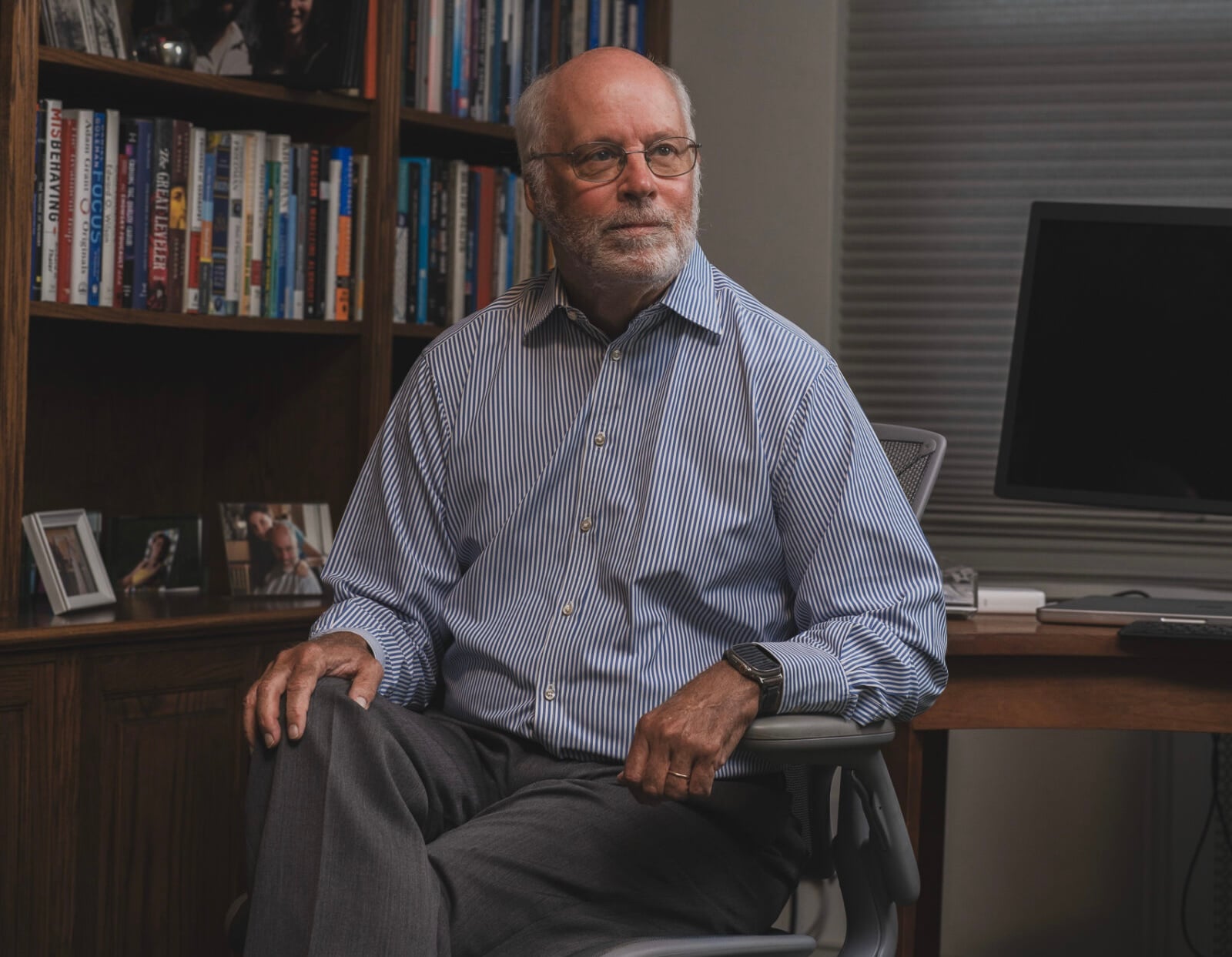
    Jeffrey S. Flier is a Harvard University distinguished service professor and the former dean of Harvard Medical School.