Category: approves

  • US FDA approves first treatment for rare, life-threatening disease in males

    US FDA approves first treatment for rare, life-threatening disease in males

    • Published On Sep 20, 2025 at 06:49 AM IST
    • Read by 100 Professionals

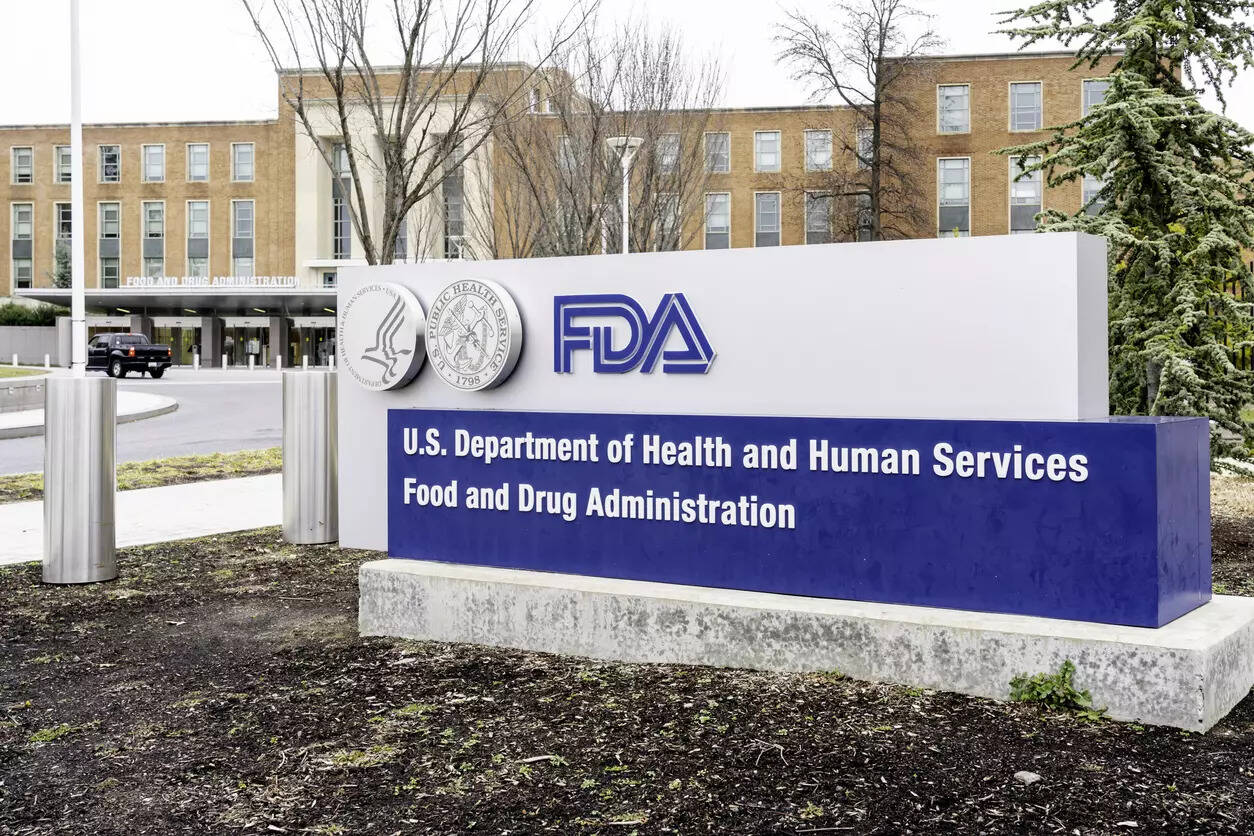
    Bengaluru: The U.S. Food and Drug Administration said on Friday it had approved Stealth Biotherapeutics‘ once-daily injection for a rare, genetic disease that primarily affects males, making it the first treatment to be greenlit for the condition.

    Stealth’s Forzinity was granted accelerated approval for treating Barth syndrome, in patients weighing at least 30 kg.

    Barth syndrome is a rare, serious and life-threatening disease of the mitochondria, the energy-producing parts of cells.

    It typically starts with severe heart failure in infancy, and causes premature death. Patients who survive into adolescence and adulthood often have fatigue, poor stamina and exercise intolerance, according to the FDA.

    According to a study on the National Institutes of Health’s website, as of 2020, an estimated 230 to 250 males were identified with Barth syndrome worldwide.

    The under-the-skin or subcutaneous injection works by binding to the inner part of the mitochondria, improving its structure and function.

    The accelerated approval is based on improved strength of the muscle used to straighten the leg at the knee. The FDA said it considers this improvement reasonably likely to predict patient benefit, such as an ability to stand more easily or walk farther.

    Under the FDA’s accelerated approval pathway that allows earlier approval of medications that treat serious conditions and fill an unmet medical need, it mandates additional post-market trials that verify the drug’s benefits.

    Privately held Stealth will conduct a trial to confirm the changes seen on knee muscle strength translate into patient benefit.

    If data from the trial do not show the drug’s effectiveness, the regulator can ask the company to withdraw it from the market.

    (Reporting by Puyaan Singh in Bengaluru; Editing by Krishna Chandra Eluri)

    • Published On Sep 20, 2025 at 06:49 AM IST

    Join the community of 2M+ industry professionals.

    Subscribe to Newsletter to get latest insights & analysis in your inbox.

    All about ETHealthworld industry right on your smartphone!

  • US FDA approves Gilead's twice-yearly injection for HIV prevention

    US FDA approves Gilead's twice-yearly injection for HIV prevention

    By Deena Beasley and Julie Steenhuysen

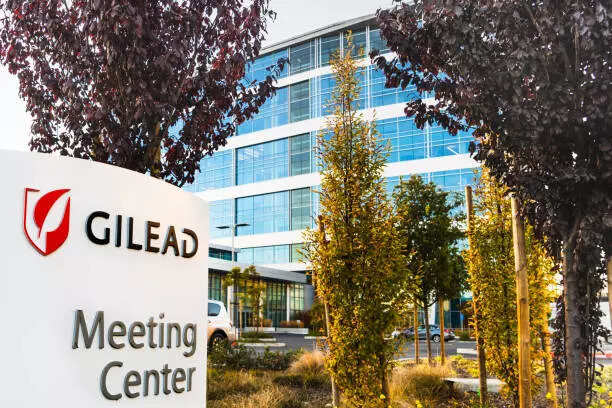
    Los Angeles: The U.S. Food and Drug Administration on Wednesday approved Gilead Sciences lenacapavir, a twice-yearly injection, for preventing HIV infection in adults and adolescents at high risk of contracting the deadly virus.

    Investors and AIDS activists had been eagerly awaiting the regulatory decision for the drug seen as convenient enough to help end the 44-year-old HIV epidemic.

    It will be sold under the brand name Yeztugo in the U.S. at a list price of $28,218 a year.

    Lenacapavir, part of a class of drugs known as capsid inhibitors, proved nearly 100% effective at preventing HIV in large trials last year, raising new hope of interrupting transmission of the virus that infects 1.3 million people a year.

    Yeztugo “will only be as effective as it is accessible and affordable,” Kevin Robert Frost, CEO of the Foundation for AIDS Research, said in a statement, calling on Gilead and the U.S. government to make sure people who want lenacapavir can get it.

    Gilead said it is working to secure health insurer coverage. It said it will provide co-pay assistance for eligible insured people, and the drug may be available free of charge for some under its program for the uninsured.

    Medications to prevent HIV, known as pre-exposure prophylaxis, or PrEP, are widely available. But most are daily pills, including low-cost generic versions of Gilead’s older drug Truvada, that require strict adherence to be effective. Gilead said Yeztugo is priced in line with other branded drugs.

    “This is a milestone moment,” said Gilead Chief Executive Daniel O’Day of the approval.

    “We believe that lenacapavir is the most important tool we have yet to bend the arc of the epidemic and move this epidemic into the history books,” O’Day said.

    Availability of a twice-yearly HIV prevention tool is “a huge advance,” that could help change the course of the epidemic, Dr. Raphael Landovitz, director of the UCLA Center for Clinical AIDS Research & Education, said in an email. But he said the product’s high launch price “is almost certainly going to complicate payor coverage and access.”

    Gilead has plans for a rapid launch in the United States as well as a wider rollout of the drug in collaboration with global partners.

    Gilead’s chief commercial officer, Johanna Mercier, said the company’s “end game” is to normalize PrEP usage, both in the United States and other countries, including low-income African nations where the virus is most prevalent.

    Citi Research analyst Geoff Meacham said he expects Yeztugo’s launch to be slow and steady, reaching annual sales of $2.8 billion by 2030.

    Mercier said she expects around 75% of U.S. insurers, including government health plans, will cover lenacapavir for PrEP within about six months, with the number rising to 90% within 12 months of launch.

    The drug is currently sold as a treatment in the U.S. under the brand name Sunlenca for patients with advanced disease that has become resistant to other drugs.

    PEPFAR CUTS

    In December, the President’s Emergency Plan for AIDS Relief (PEPFAR) under then-President Joe Biden signed an agreement with the Global Fund to Fight AIDS, Tuberculosis and Malaria to provide the treatment to as many as 2 million people for three years if it won U.S. regulatory approval for prevention.

    That would allow for unprecedented early access to a state-of-the-art treatment, as six generic drugmakers that have licensed the product from Gilead gear up for production of low-cost versions in 120 resource-limited countries.

    AIDS activists have viewed the drug as a way to significantly slow the epidemic, but cuts to PEPFAR by the Trump administration have raised concerns about the U.S. government’s commitment to the rollout.

    O’Day acknowledged that the changes have been “challenging,” but said the company has continued to have discussions with both the Global Fund and PEPFAR.

    “I believe that there will be sources of funding for this, and that these organizations will prioritize this type of prevention,” he said.

    (Reporting by Deena Beasley in Los Angeles and Julie Steenhuysen in Chicago; Editing by Bill Berkrot and Leslie Adler)

    • Published On Jun 19, 2025 at 11:39 AM IST

    Join the community of 2M+ industry professionals.

    Subscribe to Newsletter to get latest insights & analysis in your inbox.

    All about ETHealthworld industry right on your smartphone!